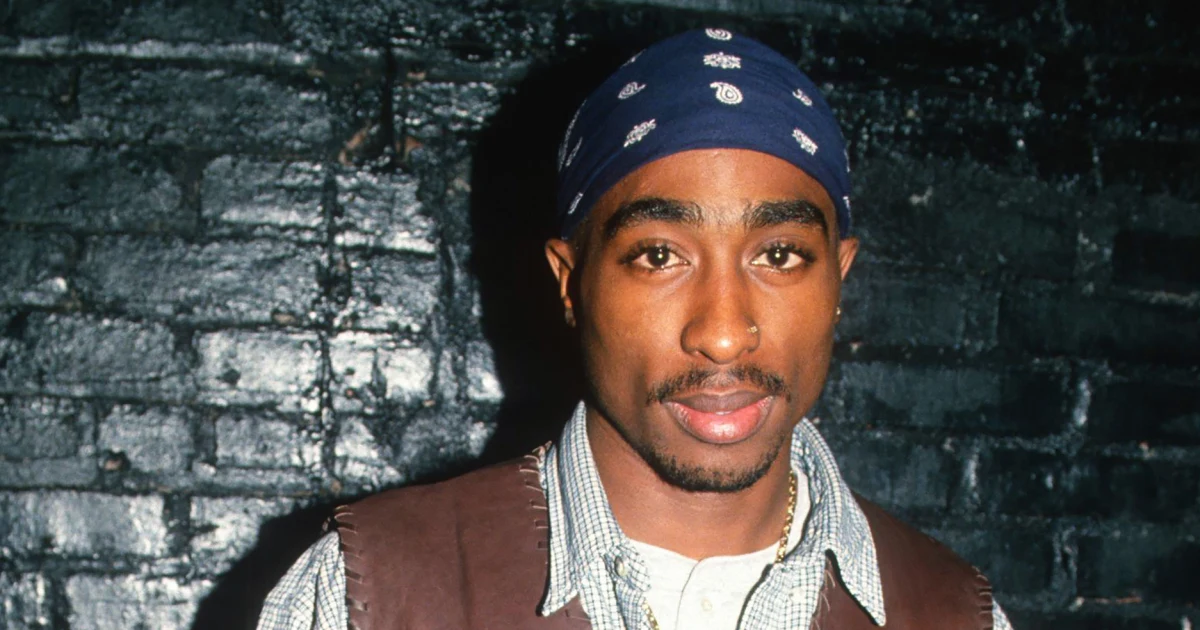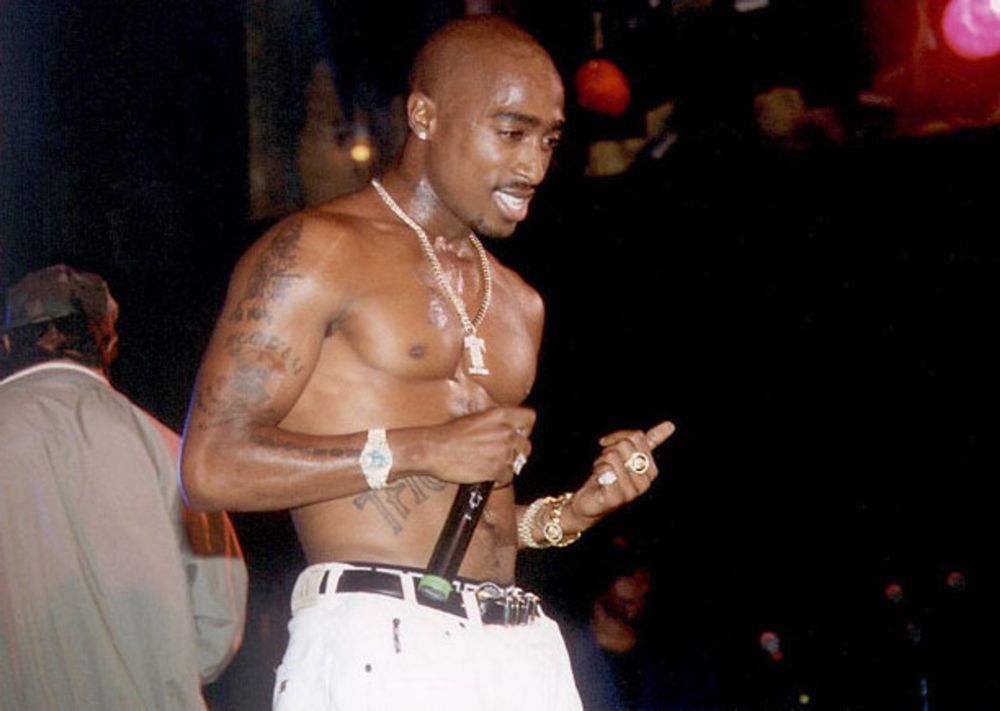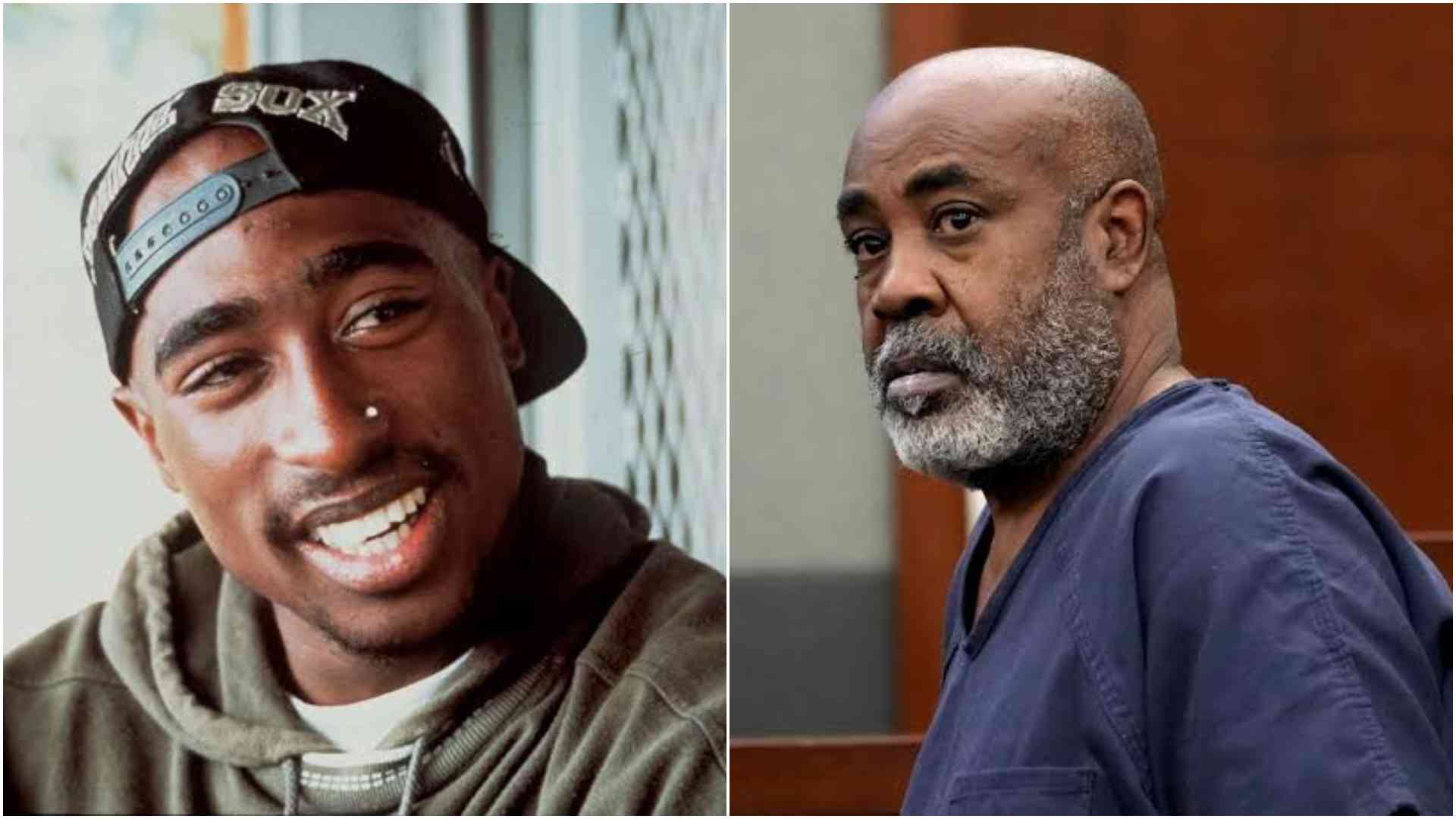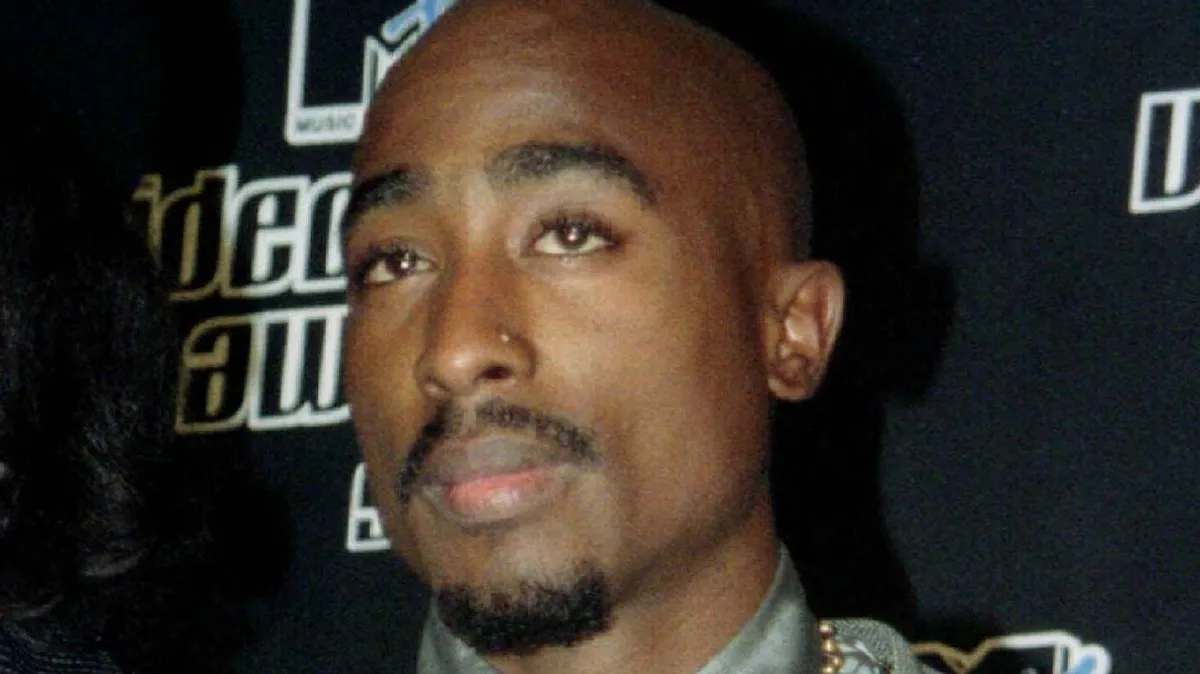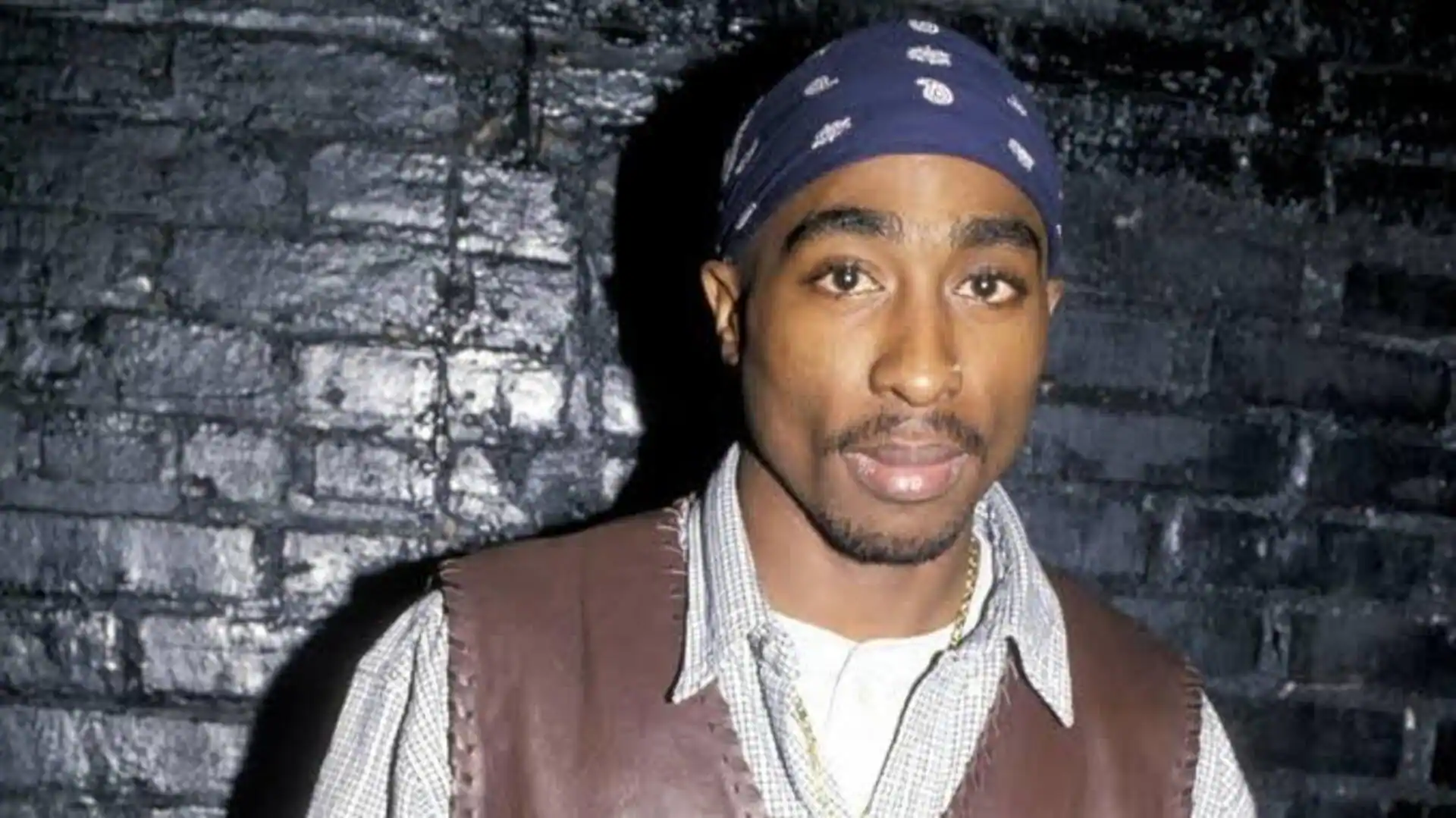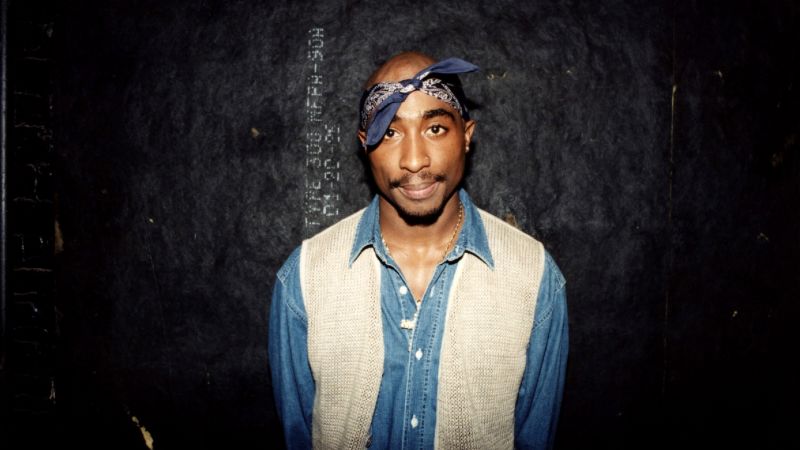
About 10,000 people were in the arena watching. One of them was Tupac Shakur, the number one-selling rapper who had already become a hip-hop icon at the age of 25.
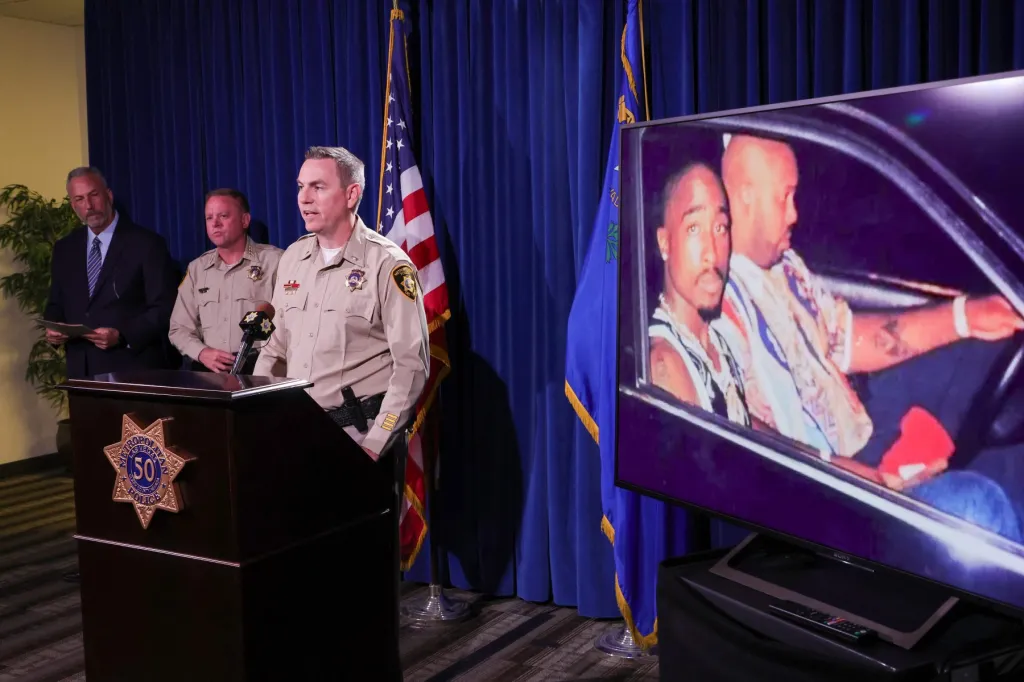
Away from the ring on September 7, 1996, a bicoastal beef that had been brewing for years in the music industry was about to reach its tragic apogee. Hours after Tyson’s left hook sent Seldon face-first to the mat, Shakur was hit by four bullets in his vehicle – a drive-by shooting just off the Vegas Strip. Tupac’s right lung was destroyed. After six days on life support, he was pronounced dead.
It took 109 seconds to settle the boxing match. It has taken 30 years for anyone to face trial over Shakur’s murder.
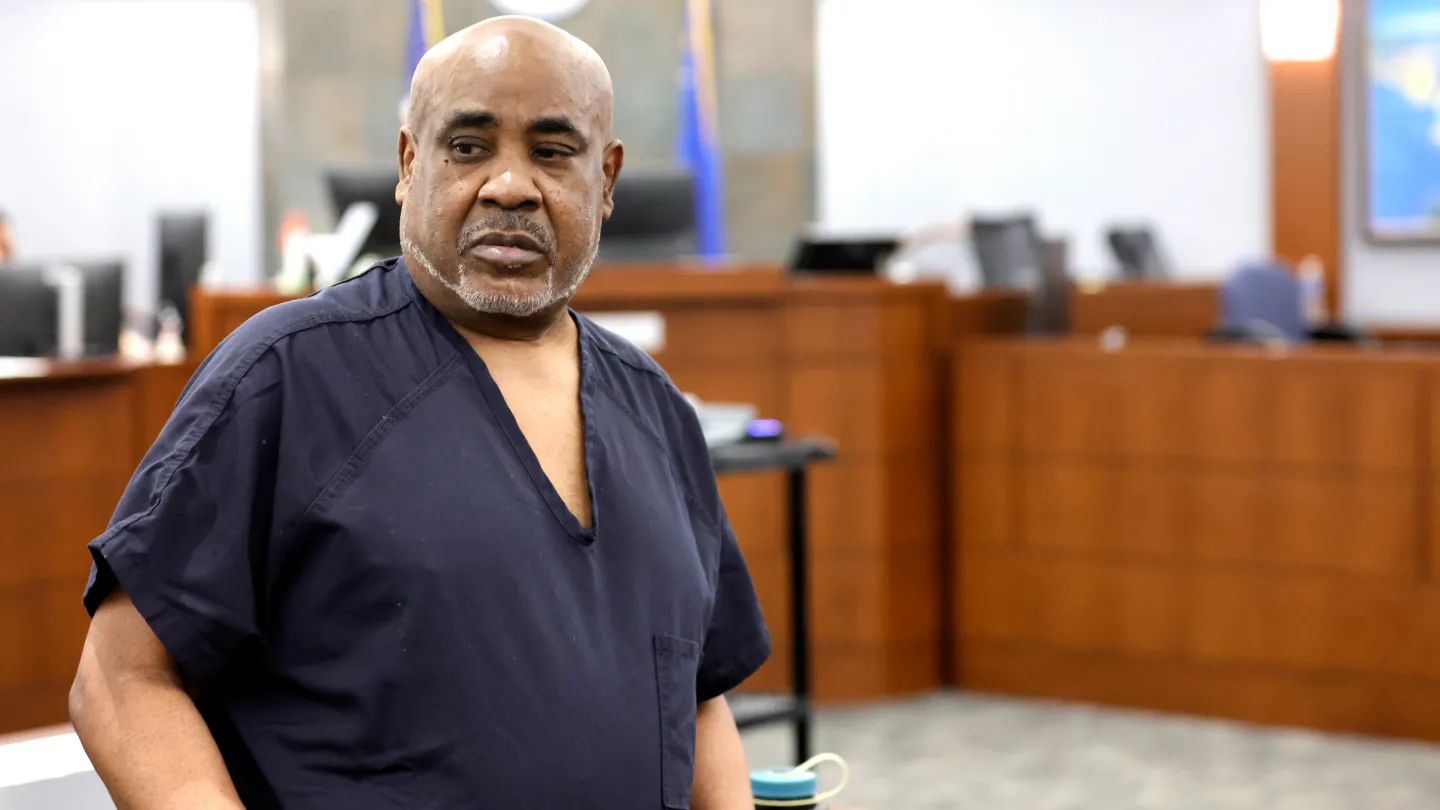
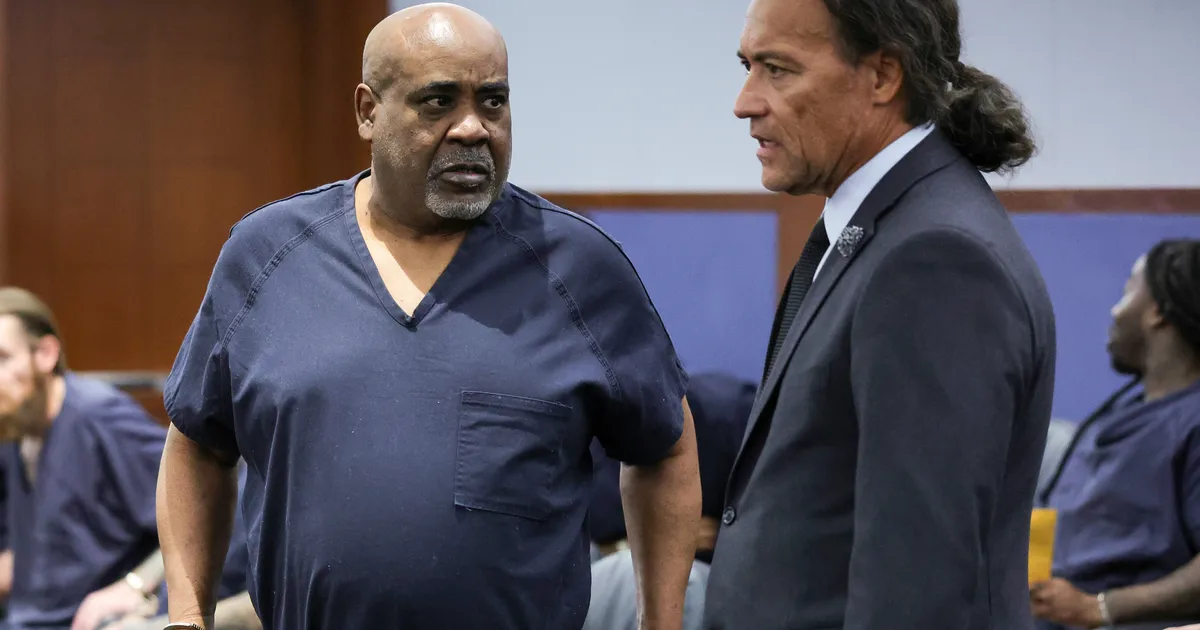
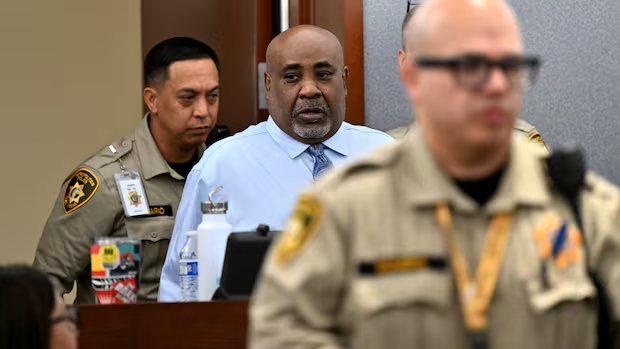
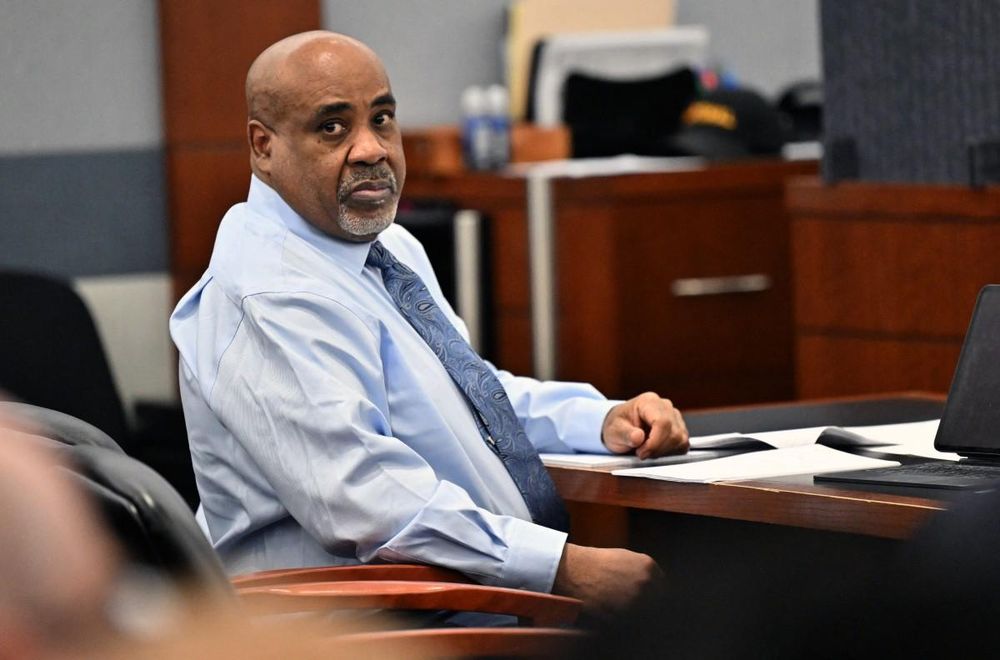
Jury selection starts today for Duane Keith Davis – known as Keffe D – who was indicted in 2023 on one count of murder with a deadly weapon in Tupac Shakur’s death. Davis, 63, has entered a not guilty plea. Prosecutors do not claim he fired the fatal shots. They say Davis orchestrated the killing in retaliation for an assault on his nephew shortly after the Tyson fight.
Shakur’s death – and the similar drive-by murder of his rival Christopher Wallace, better known as Biggie Smalls or Notorious B.I.G., less than a year later – put an uncomfortable light on the increasingly angry rivalry between East Coast and West Coast rap and whether artistic disputes were turning into violent real-world battles. Now, the Keffe D case is exposing just how deeply gang culture had become embedded in the industry’s embrace of the gangsta lifestyle, embodied in an artist whose work both lamented the violence that cut many young Black lives short while also glorifying it.