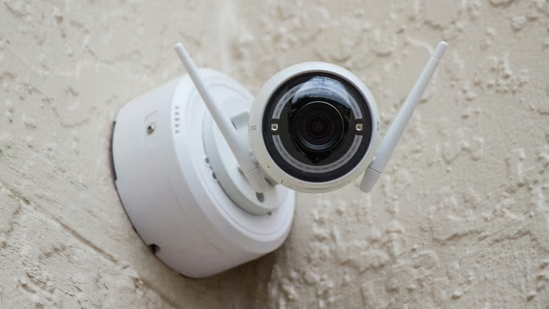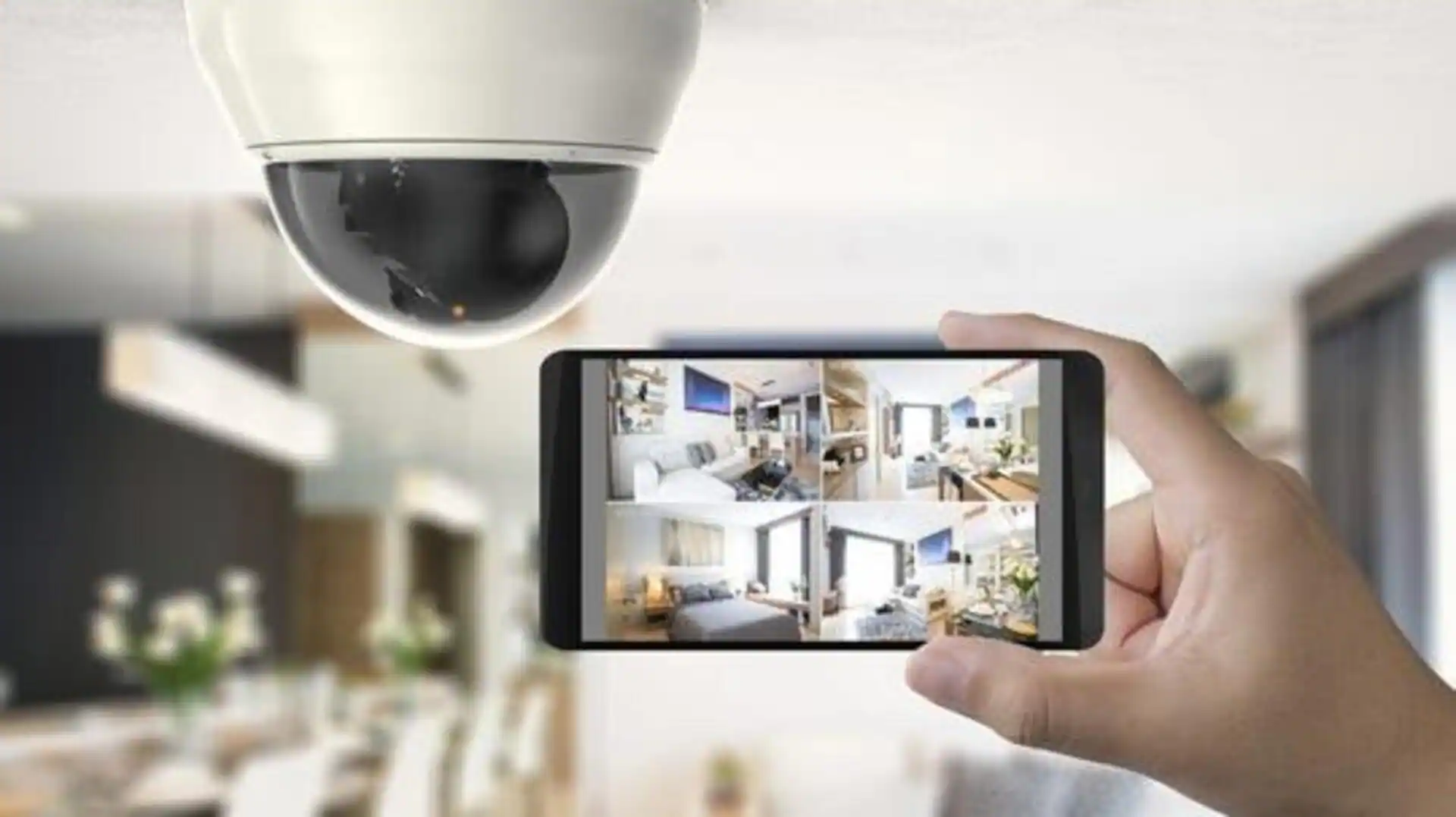
There is a moment in the development of any technology category when the leading question shifts. For home security cameras, that question used to be: can I see what is happening? The answer, through a generation of CCTV hardware and wired DVR systems, became a reliable yes. But seeing everything turned out to generate a different problem.
Without intelligence to filter, interpret, and prioritise what it saw, a security system could drown its owner in footage, alerts, and noise rather than insight.
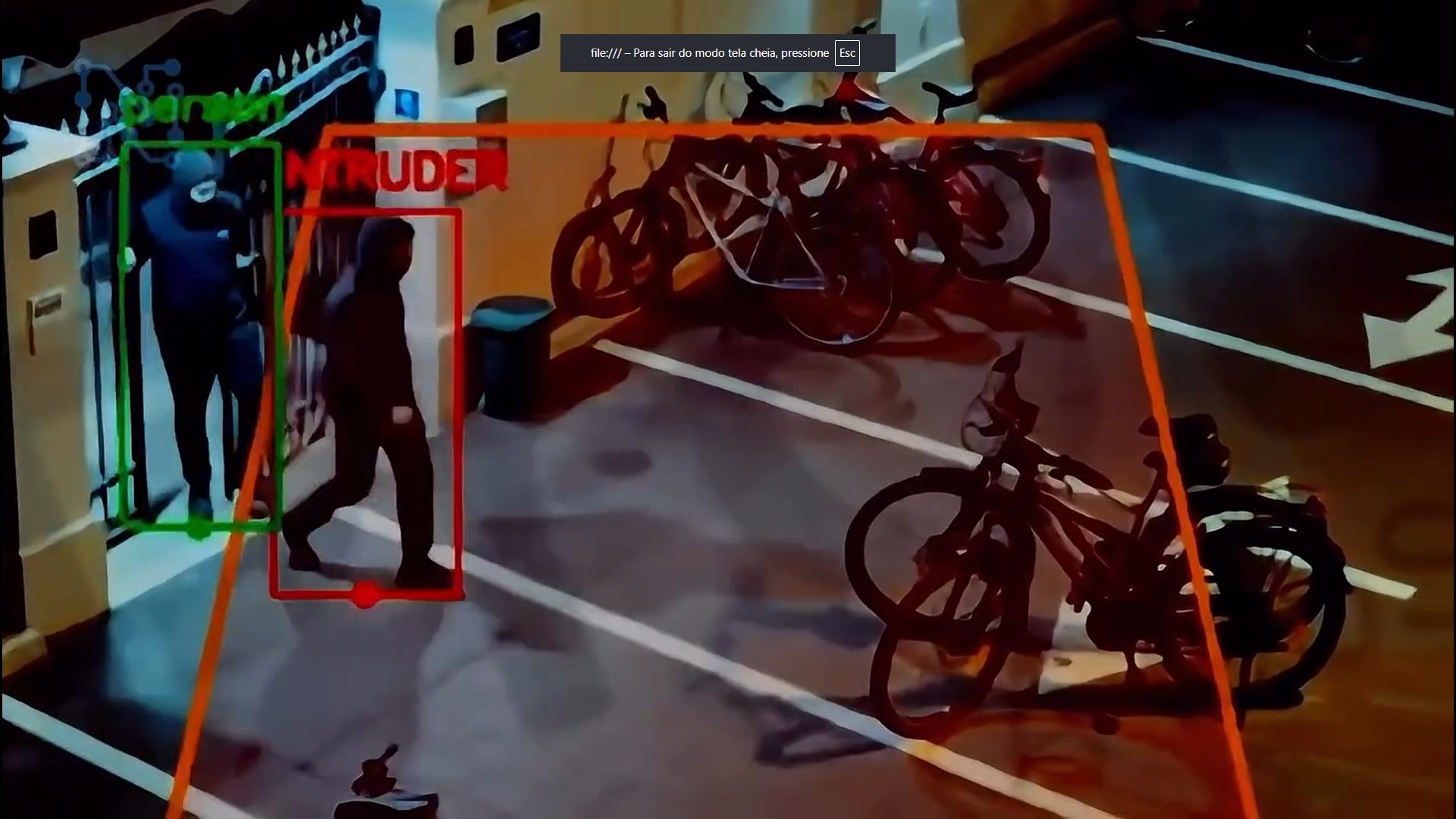
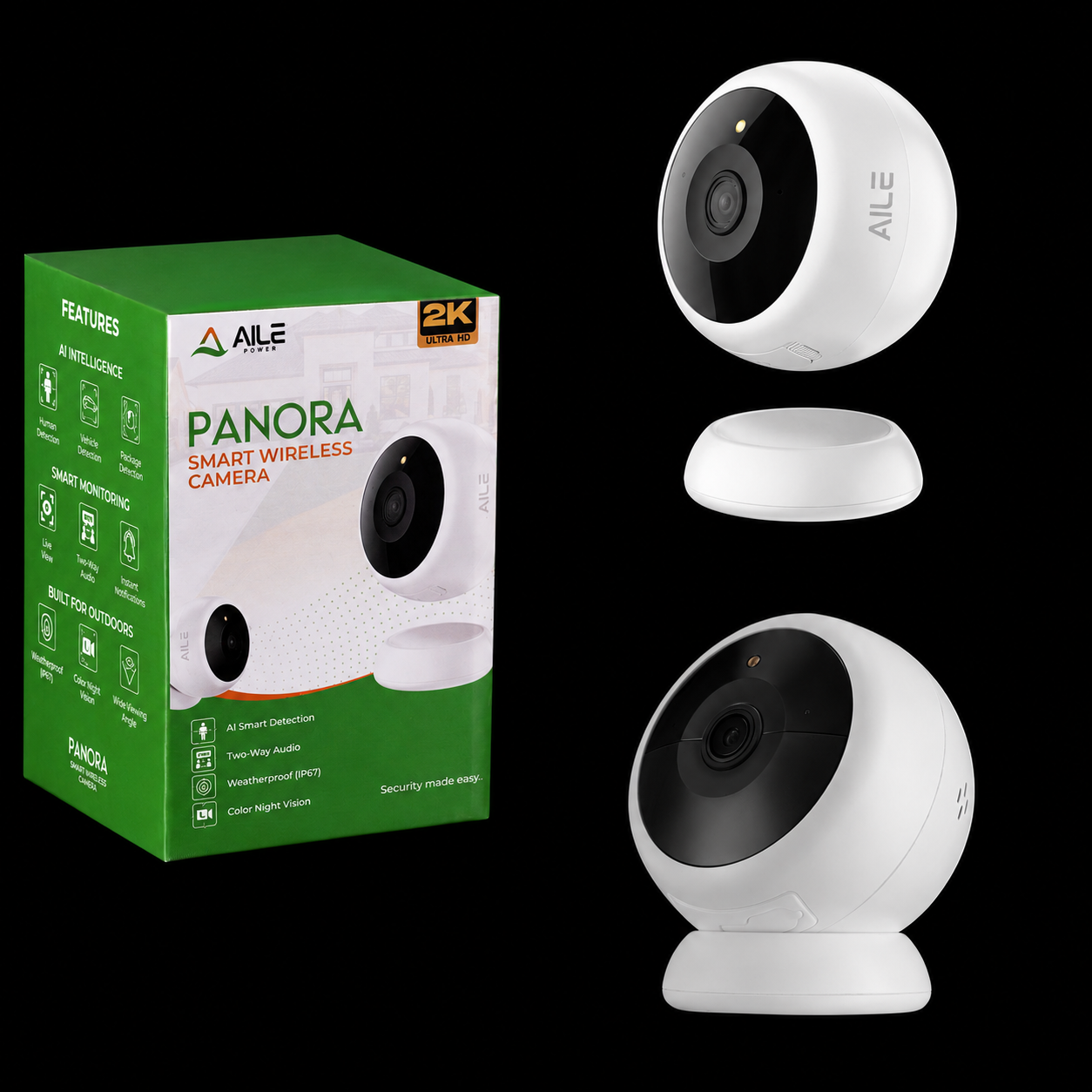
The industry’s response has been artificial intelligence, specifically the application of computer vision models trained to understand the difference between a genuine security event and the ambient motion of a world that never stops moving. This shift is reshaping what a consumer security camera is designed to do, and Aile Power’s Panora Smart Wireless Camera reflects where that shift has arrived in 2026.
Beyond Motion Detection: The Case for AI Discrimination
Traditional motion detection operates on a pixel-change model. When enough pixels in a camera’s frame shift value, the system registers an event and fires an alert. The limitation is obvious in practice: wind moves a tree, a shadow crosses the driveway, a cat navigates the backyard, and the system responds to each with the same urgency it would apply to an actual intruder.