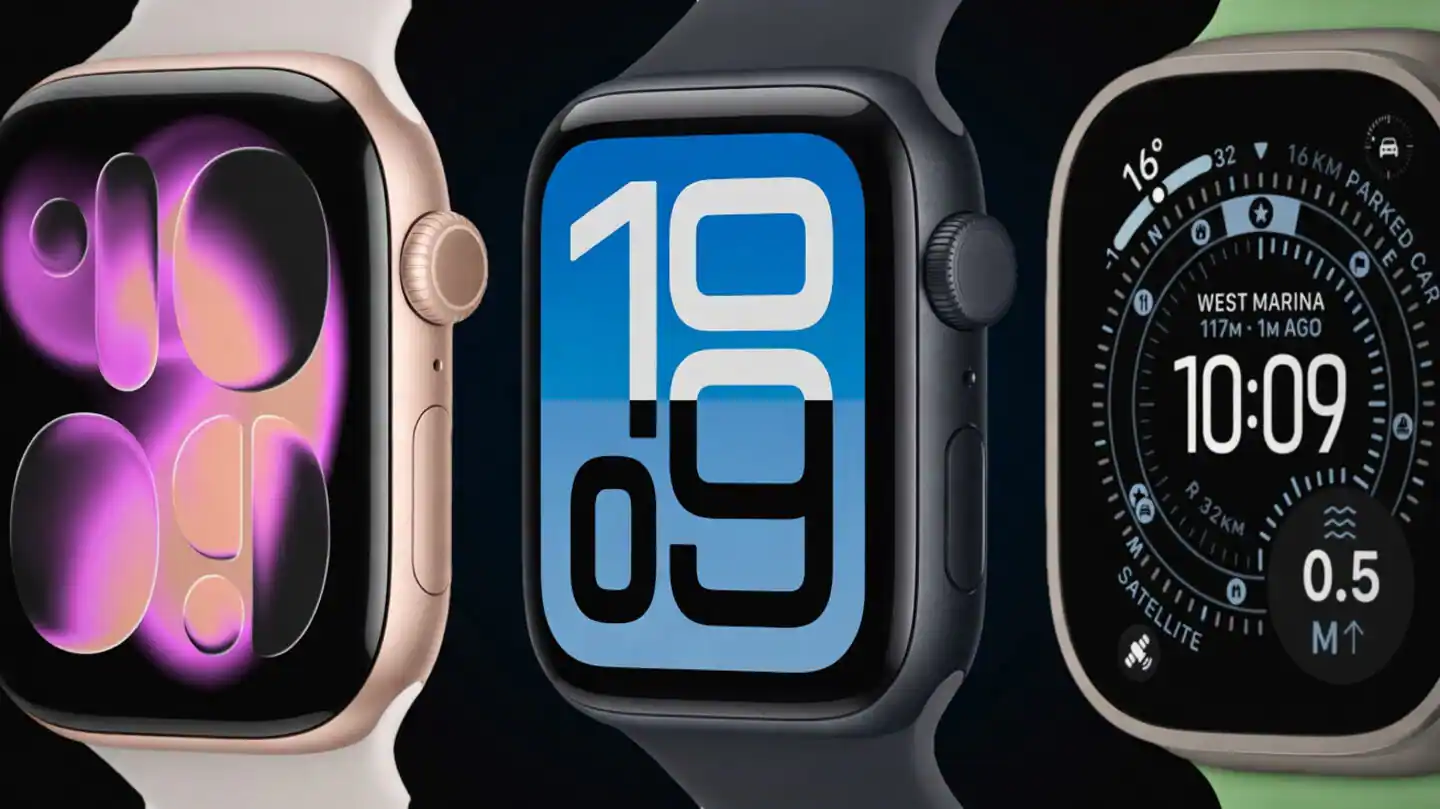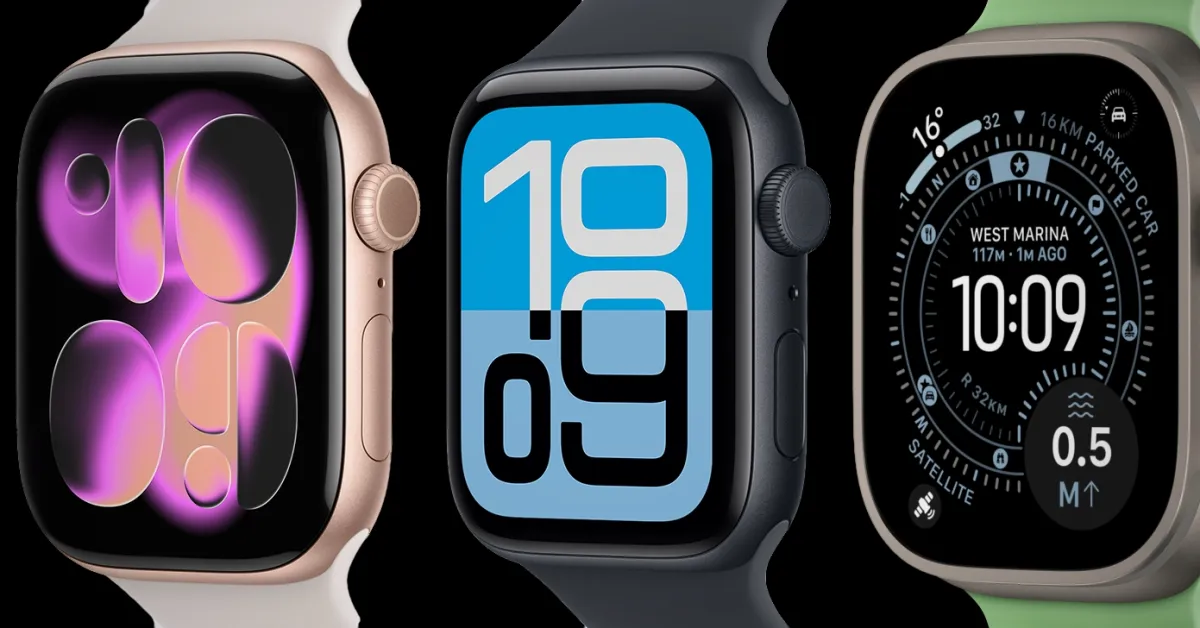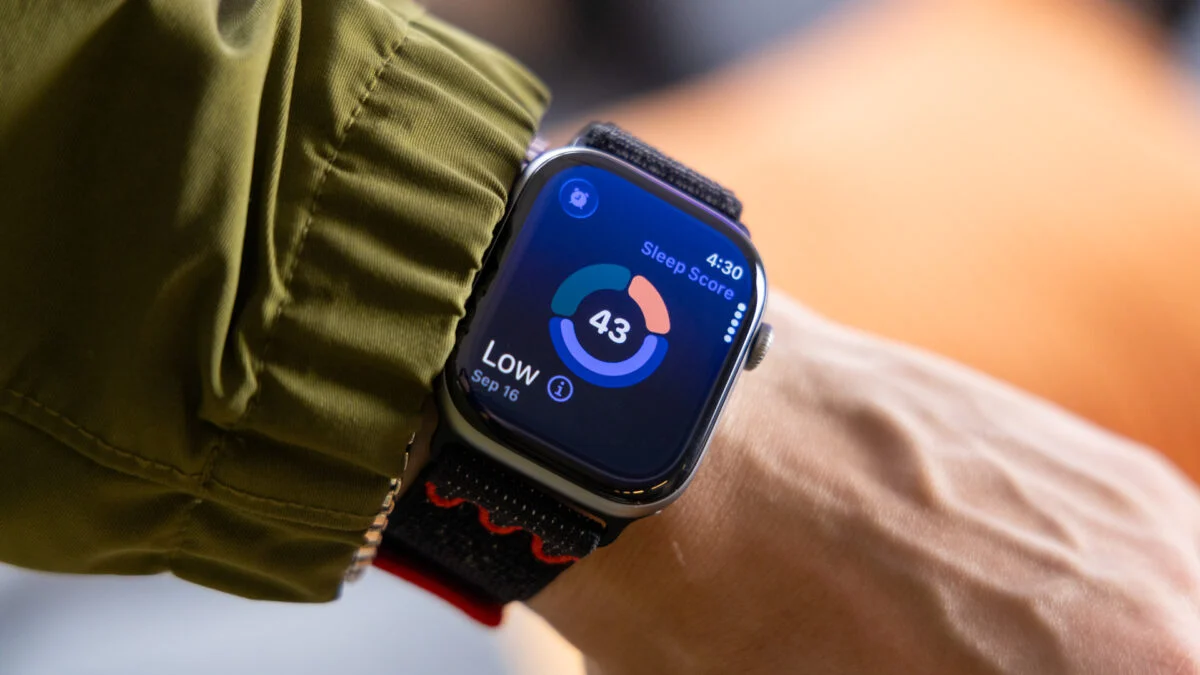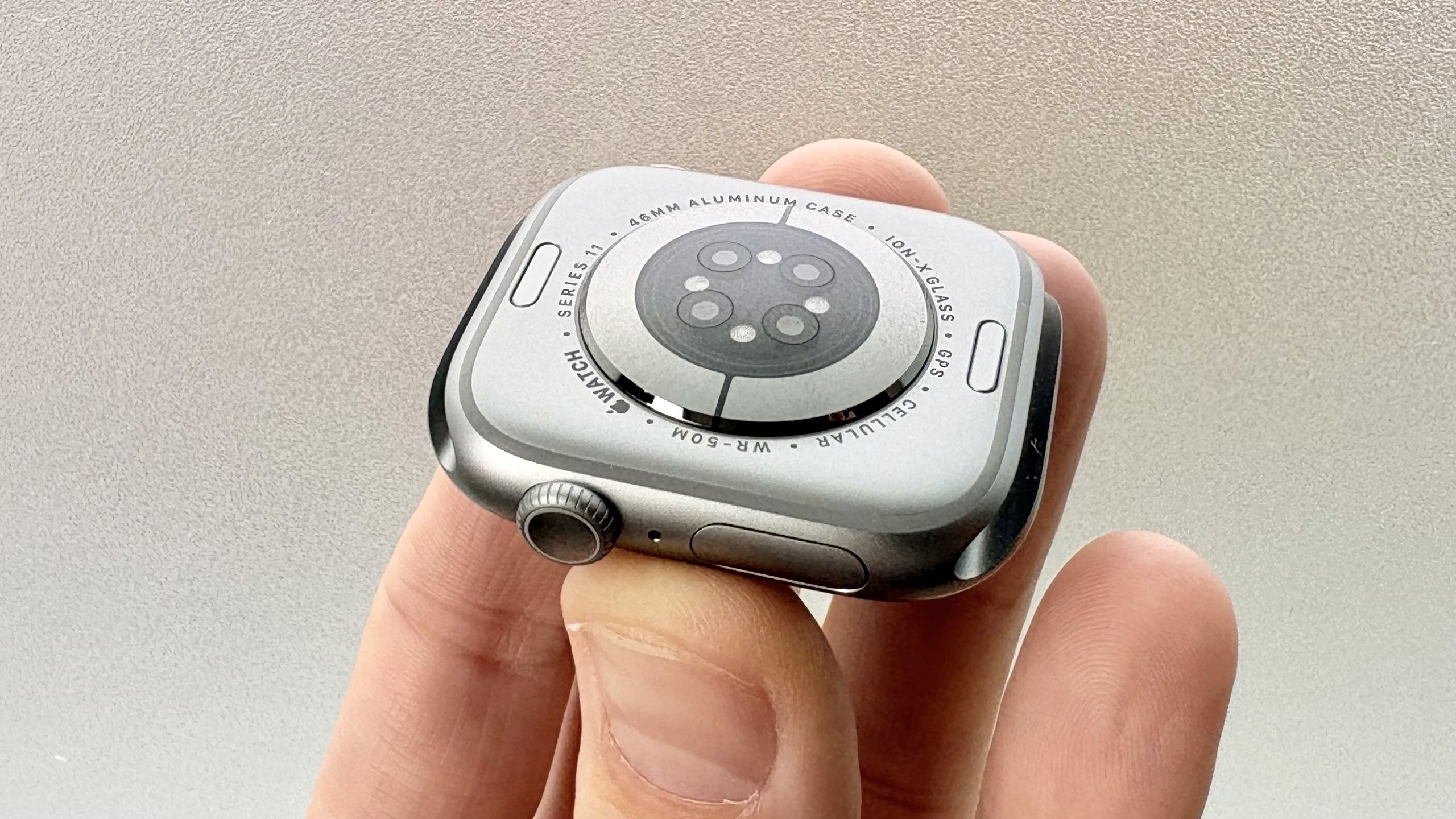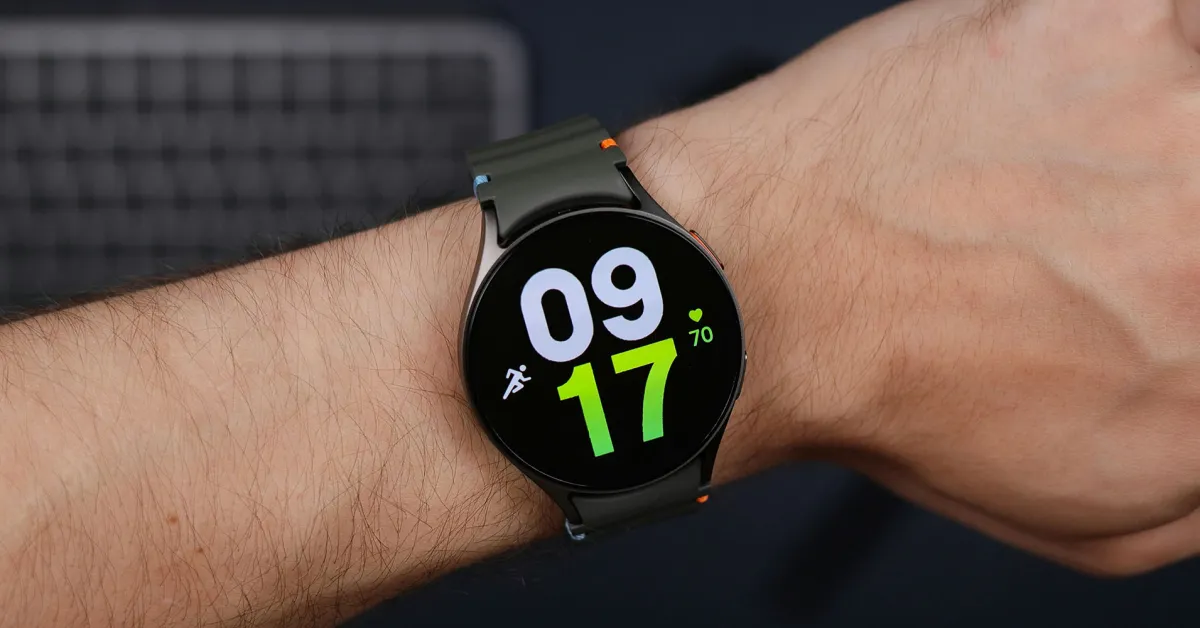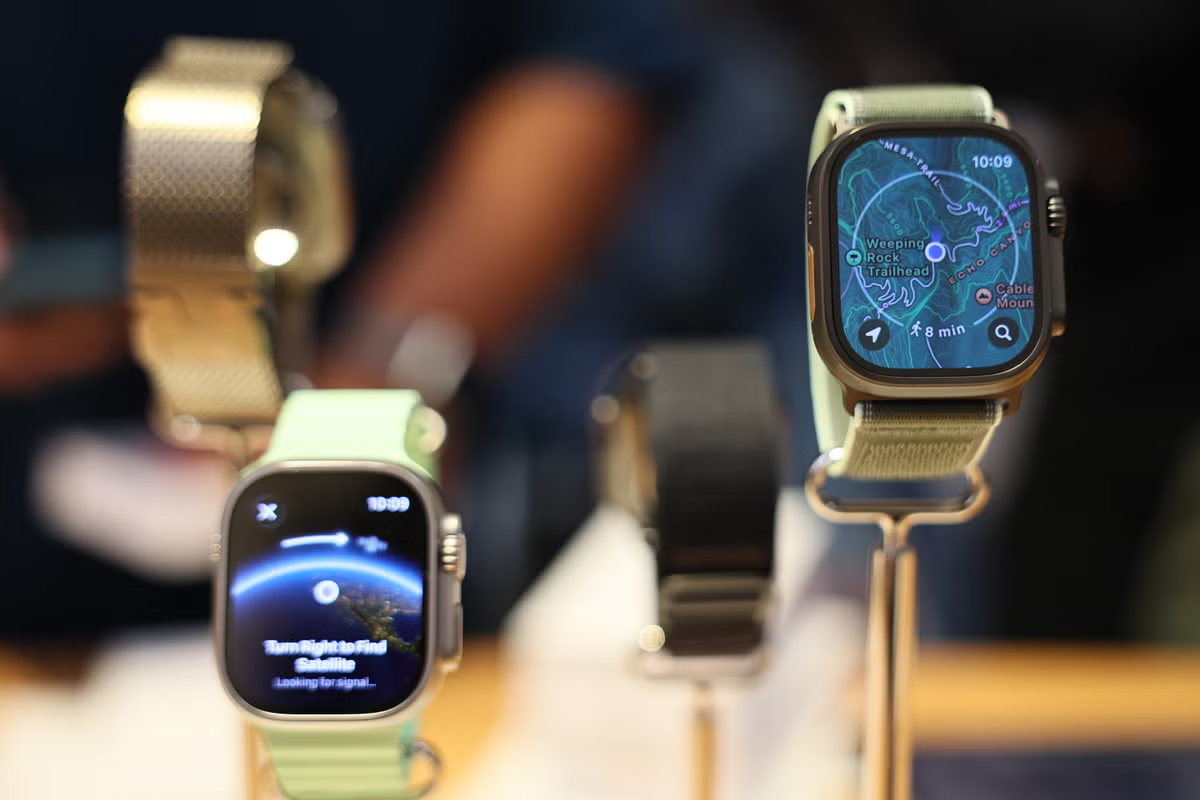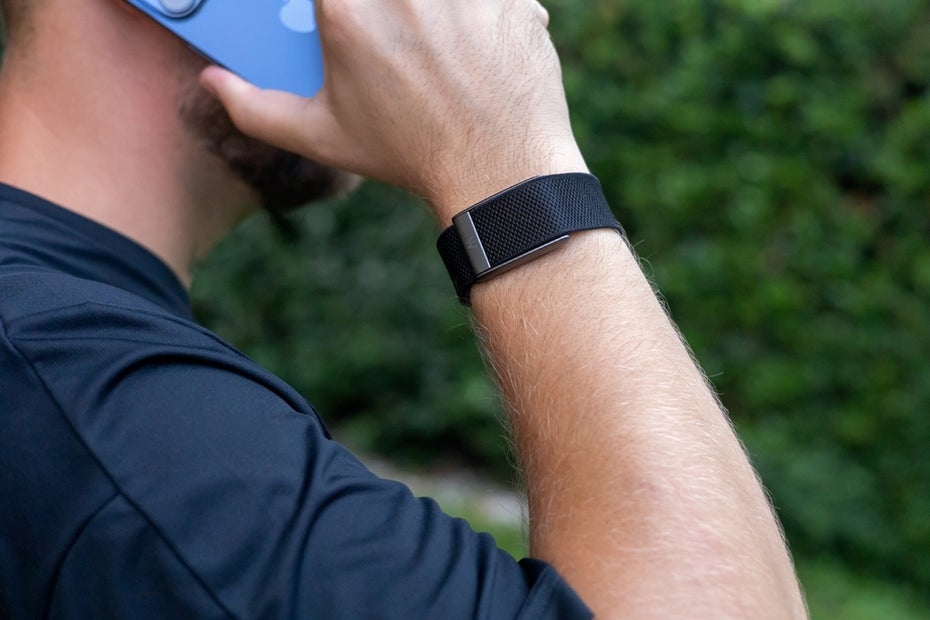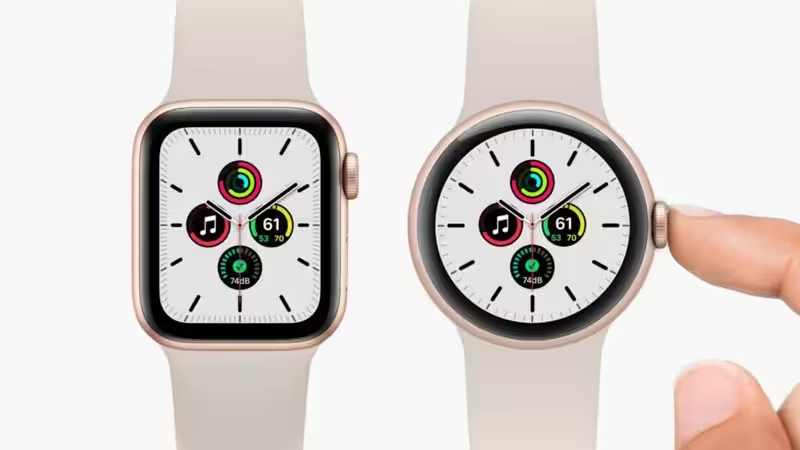
The Round Display - Design Exercise Or ProductThe round-display prototype sits in Apple's studio like an architect's maquette - interesting to contemplate, a decorative piece with limited structural function. Apple engineers experiment with circular screens that would mimic traditional analogue watches more closely than the current squircle aesthetic. The challenge extends beyond industrial design. watchOS, built for rectangular displays since 2015, would require a complete interface rebuild. Complications, text notifications, and app layouts designed for squared corners would need fundamental rethinking for circular boundaries. Samsung solved this years ago with Tizen and later Wear OS on round Galaxy Watch models, proving the engineering feasible but the software transition painful. Supply chain reporting places this direction at an early conceptual stage, distant from manufacturing. The company contemplates the form factor as one option among several, with production commitment pending. The exercise suggests Apple acknowledges Samsung Galaxy Watch and Garmin Lily as valid design counterpoints that have won consumer favour through conventional watch aesthetics. A round Apple Watch would require existing users to replace bands and watch faces designed for squared lugs. The economics of retooling watchOS for a minority form factor appear difficult to justify, which explains the low probability assigned by supply chain sources.Why A Sensor Band Makes Sense NowA sensor band represents the more commercially urgent exploration. WHOOP reached $1.1 billion in annual revenue during 2025, backed by athletes including Cristiano Ronaldo and LeBron James. Google's Fitbit Air sells for $99.99, offering heart rate, sleep, stress, and skin temperature tracking through the Google Health app. Garmin announced the Cirqa band, adding another major name to the category. Apple's cheapest wearable, the Apple Watch SE, starts at $249 in the United States and Rs 25,900 in India - a wide price gap above sub-$100 competitors. The Apple Watch Series 11 starts at Rs 46,900 in India, placing it firmly in premium territory.The business case for an Apple sensor band writes itself. Current Apple Watches demand daily charging, a friction point for sleep tracking. Users must choose between overnight wear for sleep data or morning charging for daytime use. Sensor bands such as WHOOP 5.0 and Fitbit Air deliver week-long battery life, eliminating this scheduling puzzle. The Apple Watch SE weighs 26.4 grams in aluminium; fabric sensor bands from competitors weigh under 15 grams and blend into sleeves during office wear or sleep. Apple's Health app already aggregates data from multiple sources, including iPhone motion sensors, third-party apps, and hospital records; a dedicated tracker would feed into this infrastructure while occupying a lower price tier that attracts first-time buyers into the ecosystem. The iPhone lock-in effect would strengthen. A user who buys a Rs 8,000 Apple sensor band and accumulates six months of health data in the Health app faces higher switching costs to Android than a user with no wearable at all.India's Wearable Market - The Gap Apple Leaves OpenIndia's wearable market resembles a local bazaar packed with domestic talent; Apple stays in the premium corner, waiting for a price point that mass-market buyers find accessible. The country's smart wearable device market reached $3.62 billion in 2026, expanding at a 23.17 per cent CAGR toward $10.26 billion by 2031. Domestic brands Noise and boAt alongside Fire-Boltt dominate unit shipments through aggressive pricing - average selling prices hover near $20–$26. Apple captured roughly 0.5 per cent of India's smartwatch market in recent quarters, shipping approximately 35,000–40,000 units quarterly. For context, Noise shipped over 1.5 million units in the same period.A sensor band priced near the Fitbit Air's $100 mark, perhaps Rs 8,000–Rs 10,000 in India, would address a mass-market segment currently served by Android-compatible alternatives. The Production Linked Incentive scheme offers 15–20 per cent customs duty reductions on imported wearable components through fiscal year 2026, enabling domestic assembly that compresses retail prices. Local brands already exploit this to sell sub-Rs 3,000 smartwatches with heart rate sensors and SpO2 monitoring. Apple manufactures iPhones in India through Foxconn and Tata operations; extending this ecosystem to a simpler sensor band would cut import duties and enable pricing competitive with Noise and boAt's premium bands. The Indian consumer behaviour pattern favours value-packed hardware with basic functionality over premium materials. A sensor band that offers Apple build quality at Fire-Boltt pricing would disrupt the local hierarchy.Ceramic Cases And Band Sensors - The Nearer-Term BetsThe ceramic case option offers a nearer-term premium play. Supply chain reporting indicates Apple plots the return of ceramic editions either in September 2026 or 2027, priced around $1,249 based on historical positioning. The Apple Watch Edition ceramic Series 3, released in 2017 at $1,299, offered scratch resistance superior to stainless steel and a weight lighter than aluminium. Apple produced ceramic editions through 2021, then shifted focus to titanium and aluminium variants. This material sits above titanium in scratch resistance and weight reduction, appealing to buyers who found the Apple Watch Edition's ceramic variants compelling during their 2020–2021 production run. A ceramic Series 12 or Ultra 4 would slot above the titanium Ultra, creating a true luxury tier comparable to Hermès leather editions but with technical credibility.
Apple Watch Round Display And Screenless Tracker Coming: Everything To Know
Apple's smartwatch design faces a crossroads after twelve years of consistency. New models in September 2026 will feature faster chips and improved battery efficiency. The company is exploring round displays and sensor bands for future product lines. These new devices aim to compete with specialized health trackers and diverse designs. Apple seeks to reinvigorate its wearables segment with these strategic explorations.
844 words~4 min read