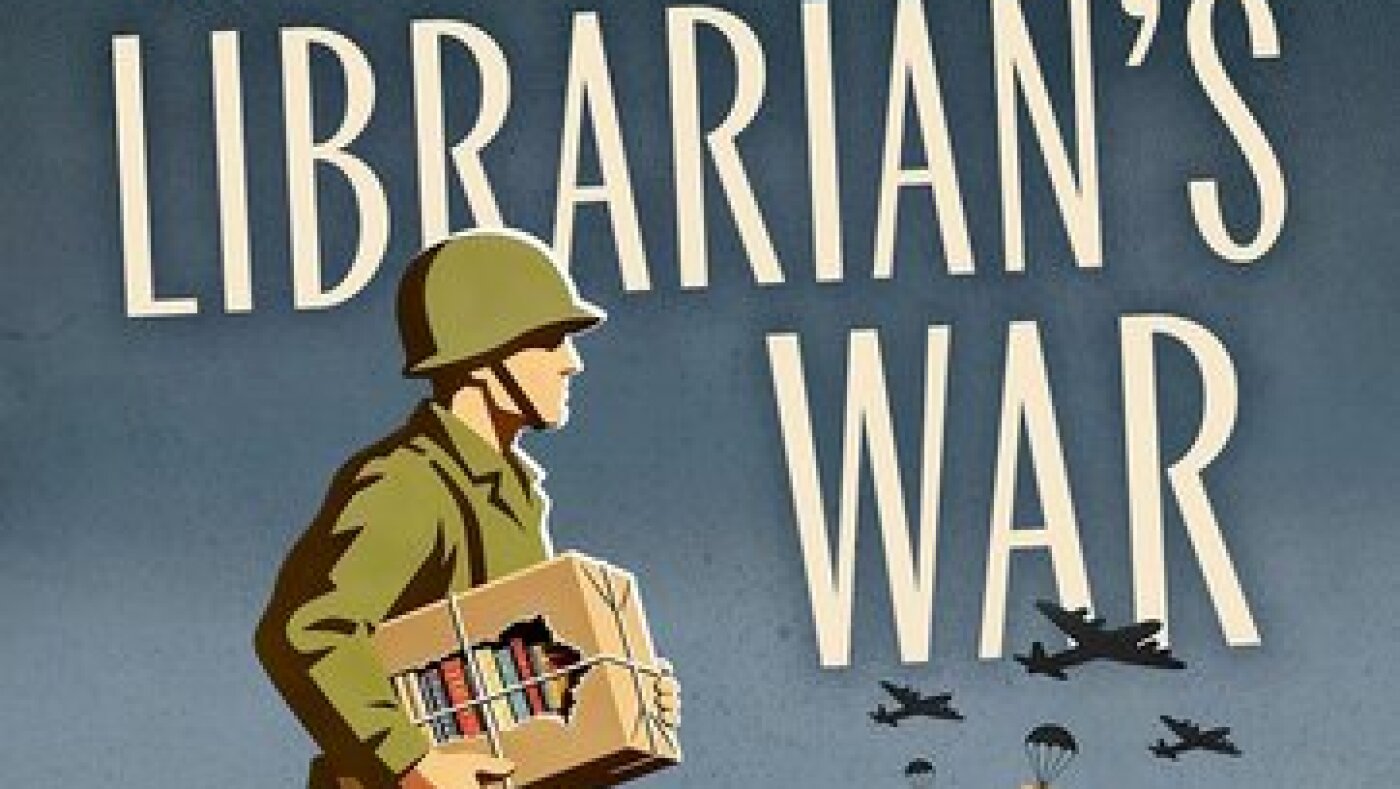
Among the things troops carried with them on the battlefields of World War II was the “heart shield bible”—a pocket-sized, government-issued book of scripture, sometimes with a metal cover, that fit snugly in a G.I.’s standard-issue shirt pocket. In at least one remarkable case, this good book acted as life-saving armor. Generally, though, the Bible served its traditional purpose: to calm the conscience and divine celestial meaning.Article continues after advertisement
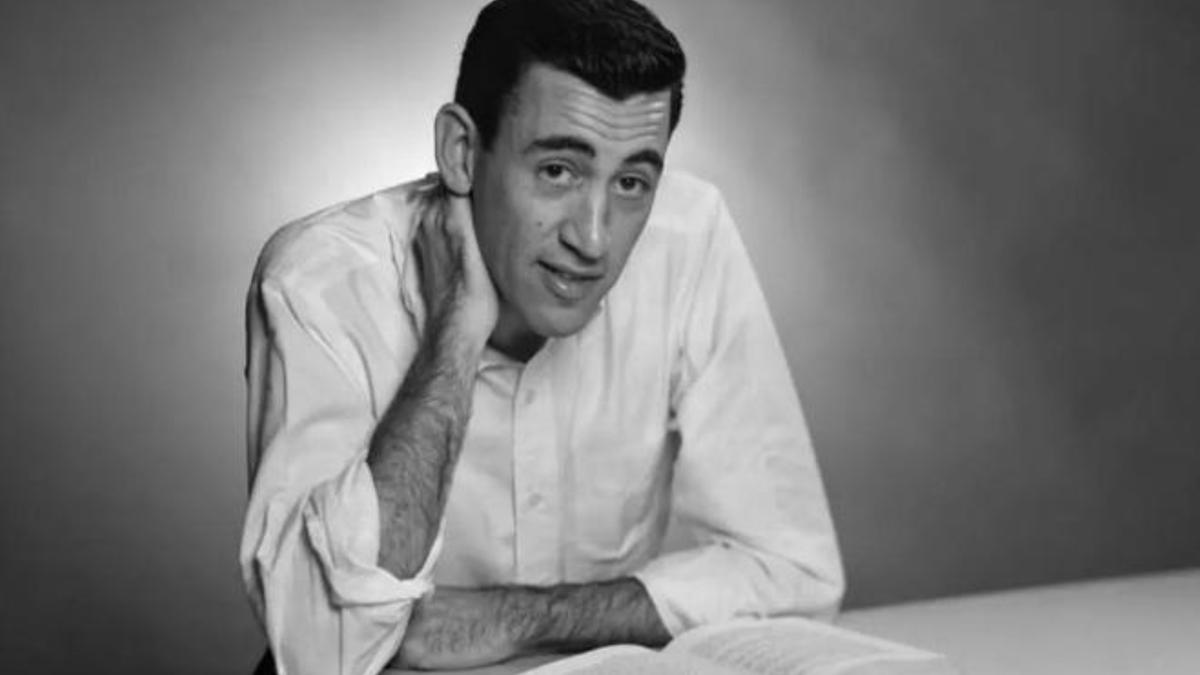
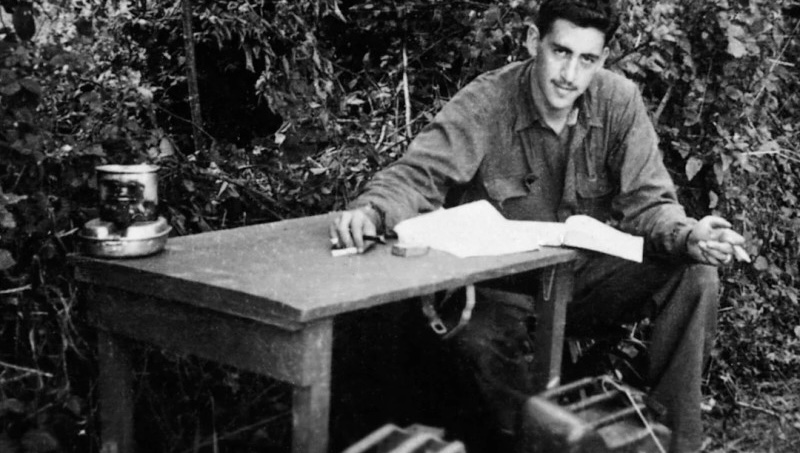
When, at the age of 23, a draftee named Jerome David Salinger was sent to the front lines, he rejected Christian allegories, and wrote his own saga, complementing his battlefield kit with blank paper and a typewriter. Once, when his unit came under heavy fire, a soldier running for cover caught a glimpse of Salinger hunched under a table, clacking away like a frenzied newsman on deadline.
Now known internationally by his nom de plume, J.D. Salinger, the young conscript experienced many of the war’s most terrifying chapters. He stormed the beaches of Normandy, fought in the Battle of the Bulge, and helped liberate Kaufering, a subcamp of Dachau. Partial drafts of his work were carried along with him, soaked in Salinger’s sweat and imbued with his raw, instinctive reactions to conflict. His reflections were, in turn, refined into some of the first American texts to unapologetically challenge the pious image of the G.I. and the pretty myths about warfare. Salinger’s words also powerfully undercut America’s intoxicating model of masculinity, then, now, and forever the major motor driving U.S. military recruitment.