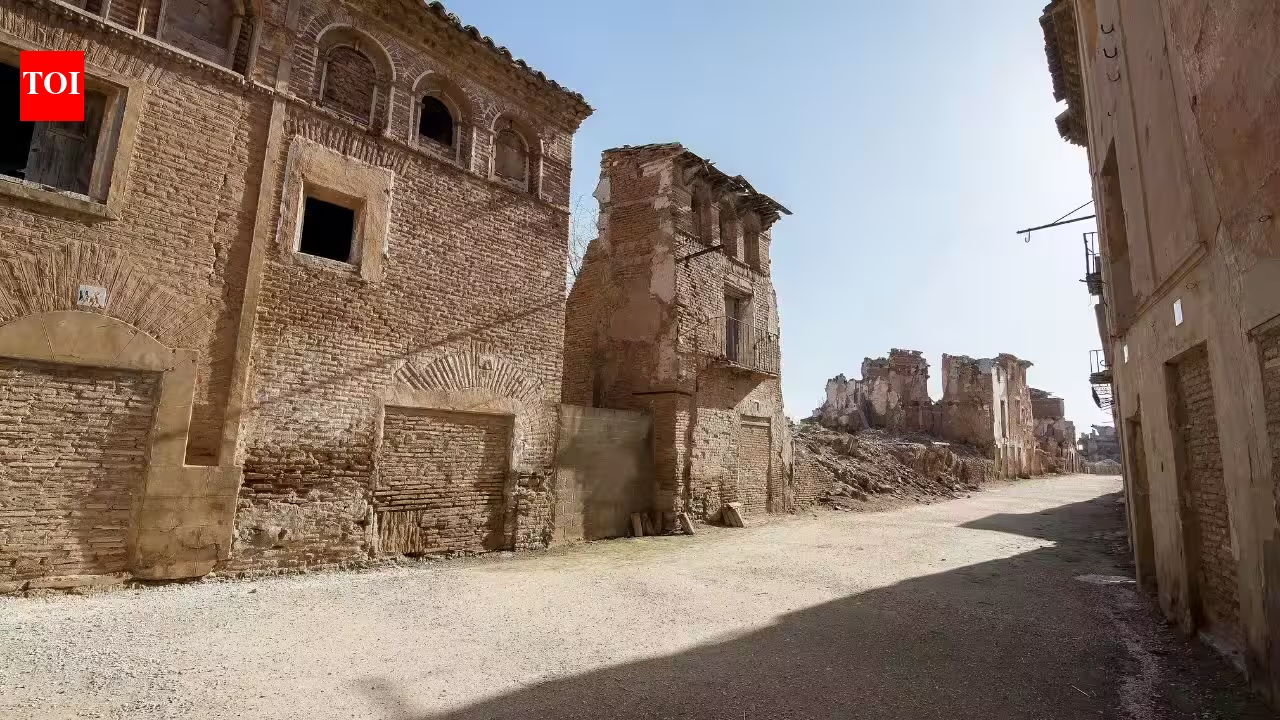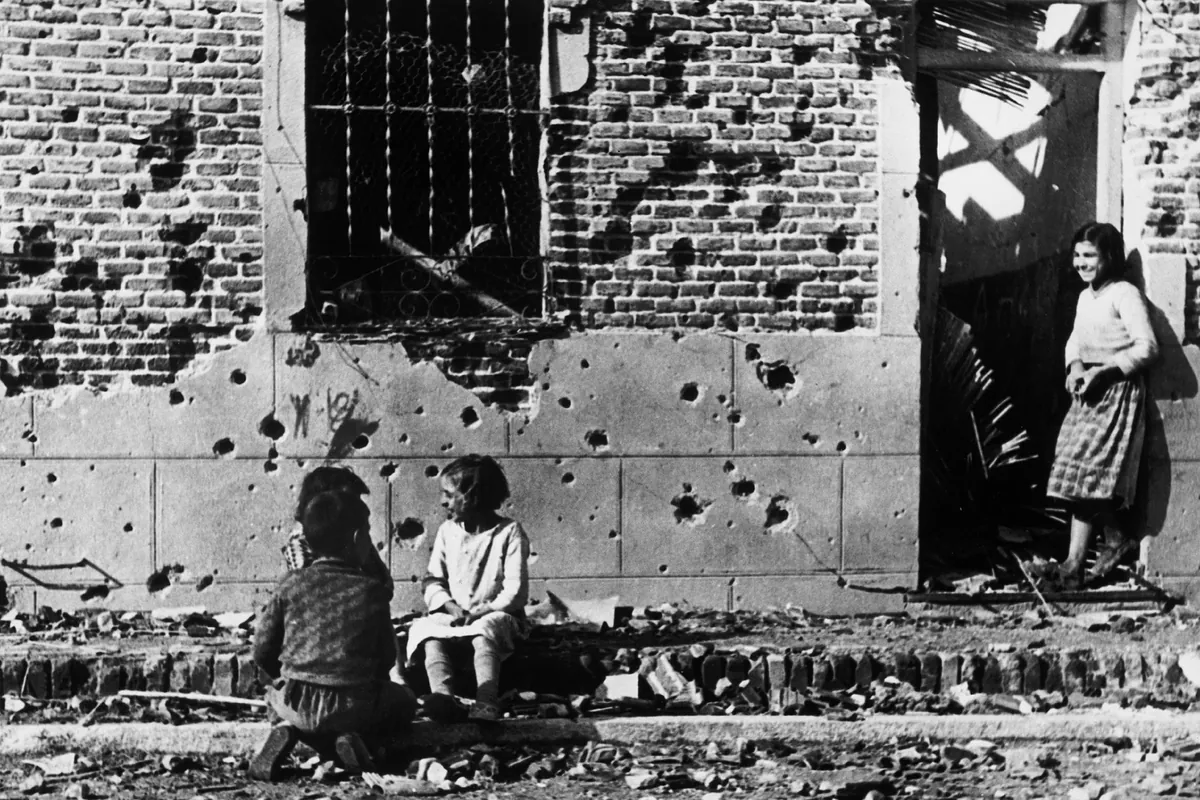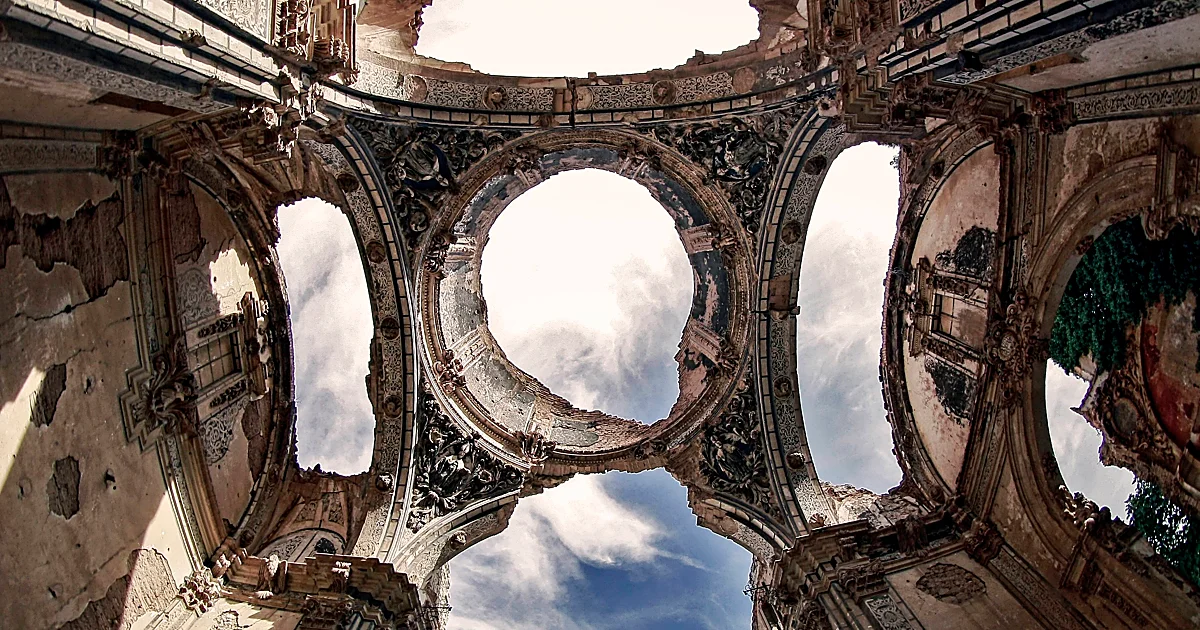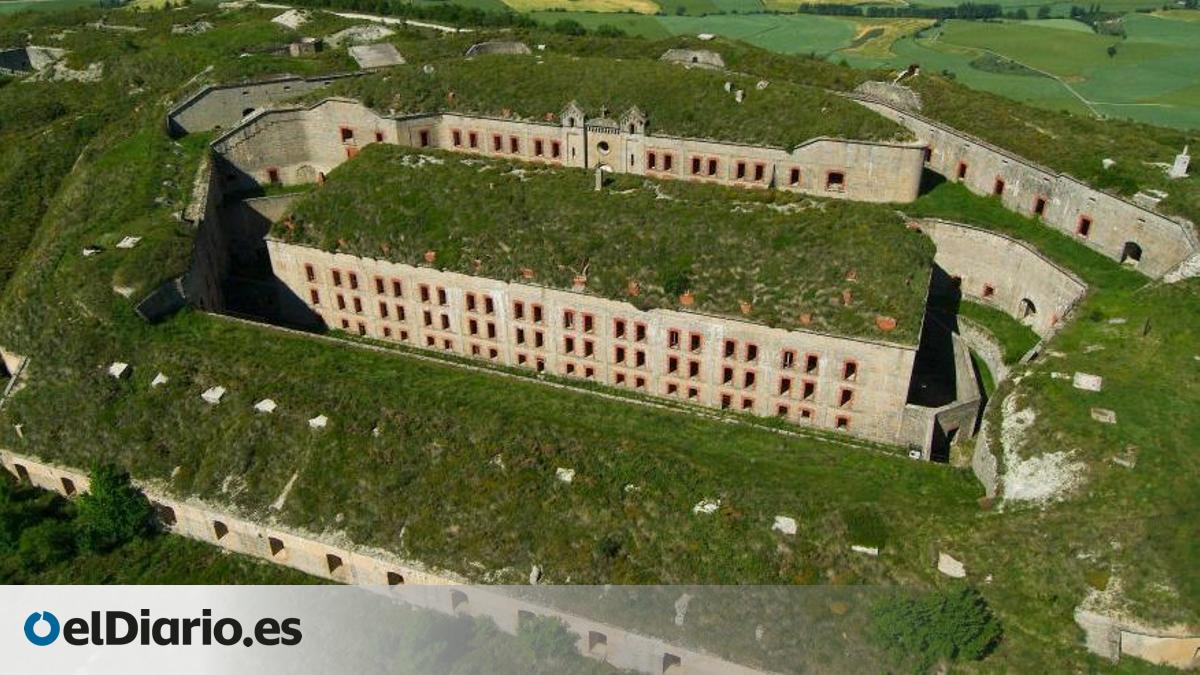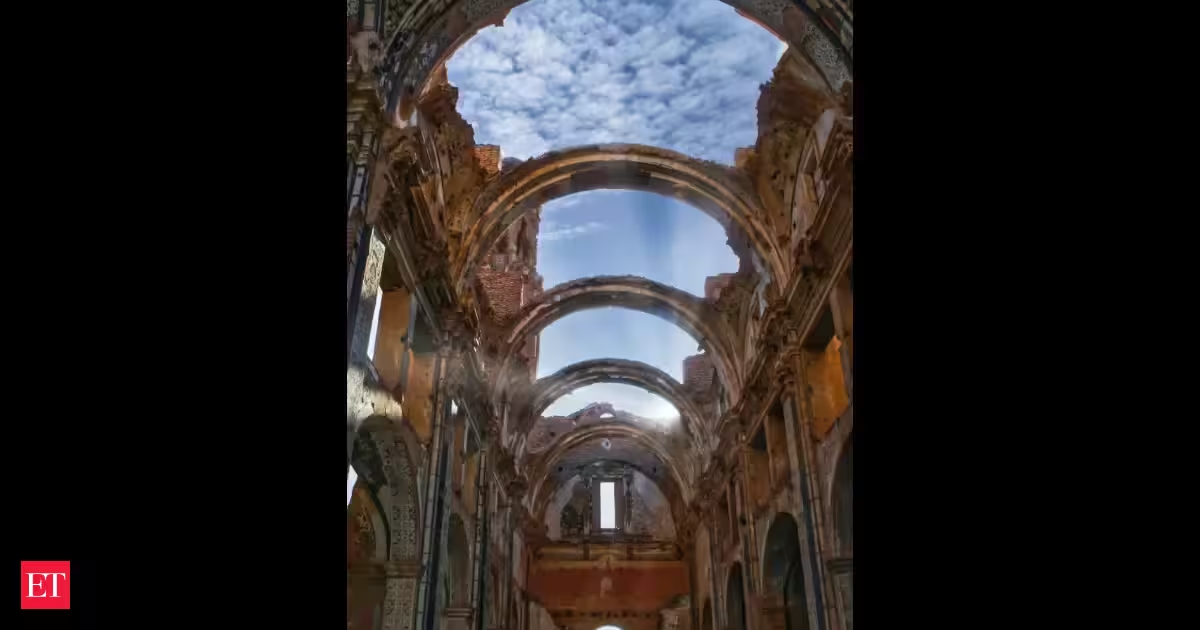
There are places where history survives in museums, and there are places where it remains embedded in the landscape. Belchite belongs to the second kind. About 25 miles south of Zaragoza, the Spanish settlement still contains large sections of a town devastated during the Spanish Civil War. Damaged buildings, ruined churches and scarred streets remain as reminders of the fighting that transformed Belchite from a functioning community into one of Spain's most striking wartime ruins.The Daily Express reported that the remains have stood for about 85 years as a reminder of one of the most troubled periods in Spain's history. What makes Belchite unusual is not simply the destruction itself, but what happened afterward: the ruins were left standing.The battle that changed BelchiteBelchite became caught in the Spanish Civil War after the conflict began in 1936. The town was positioned along what had been the dividing line between Republican territory and the forces supporting the fascist side, placing it at the centre of a strategically important confrontation.The decisive destruction came during the Battle of Belchite in 1937. The fighting lasted 15 days and left the settlement almost completely devastated, according to the Daily Express. Houses were bombed, churches were destroyed and townspeople were killed. The damage was so extensive that the town's original layout became difficult to recognize.Historian Cecil Eby later offered a grim account of the aftermath, describing a place where people searched beneath piles of mortar, bricks and beams for bodies. In some areas, people could no longer tell where the streets had been.Belchite eventually fell to General Francisco Franco's forces in 1939. Instead of rebuilding the destroyed settlement, Franco left its ruins in place as a symbol of his power and a warning to potential future rebels, the Daily Express reported. That decision would determine what Belchite became in the decades that followed.When Belchite became a ghost townThe destruction brought an end to life in the old settlement as its residents had known it. Parts of Belchite were eventually rebuilt, and the area now has a population of around 1,600. But substantial portions of the old town remain in the state in which they were left after the war.That is why describing Belchite simply as an abandoned village misses an important part of its history. The old town was not merely deserted and forgotten. Its ruins were retained, leaving the physical consequences of the Civil War visible long after the fighting had ended.The wider conflict was catastrophic. Estimates cited by the Daily Express put the number of deaths during the Spanish Civil War at around half a million, with people dying in combat, executions and mob violence as well as from malnutrition and disease. Belchite represents one small but particularly visible part of that wider tragedy.What remains todayThe old ruins now draw visitors interested in the history of the Civil War. People can walk through the damaged streets and see the remains of structures that survived the fighting. Belchite's historical importance was further recognized when it was included on the 2025 World Monuments Watch list.The site was described as a “critical opportunity” to understand the impact of the Spanish Civil War on the Spain that exists today. More than eight decades after the conflict, Belchite remains caught between two identities. A rebuilt community exists alongside the remains of the town destroyed by war. The ruins are what survived when the town itself could not.And by leaving those ruins standing, Belchite became more than a place where a battle once took place. It became a physical record of what the war did to the people and buildings caught in its path.
How the Spanish Civil War turned Belchite into a ghost town: Inside the Spanish settlement frozen in the aftermath
In the heart of Spain, Belchite offers a poignant glimpse into the devastation of the Spanish Civil War. After experiencing catastrophic destruction, General Francisco Franco opted to preserve the town's ruins as a stark reminder of the era. Now, Belchite draws visitors eager to understand the heavy toll of this historical conflict, resonating as an everlasting symbol of a challenging chapter in Spanish history.
603 words~3 min read