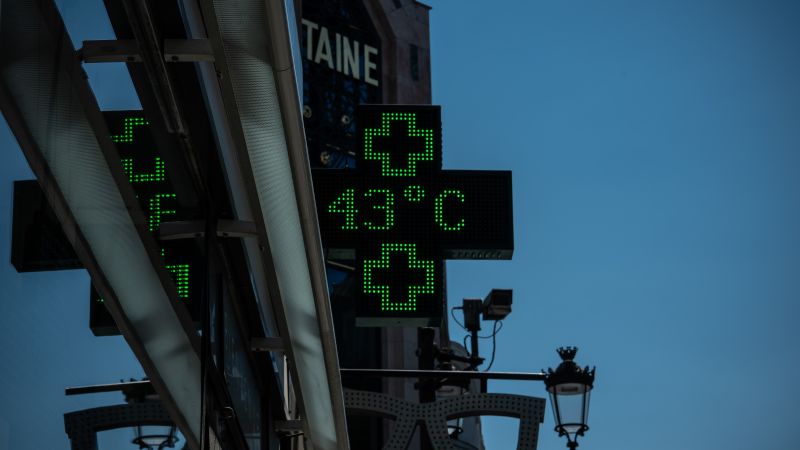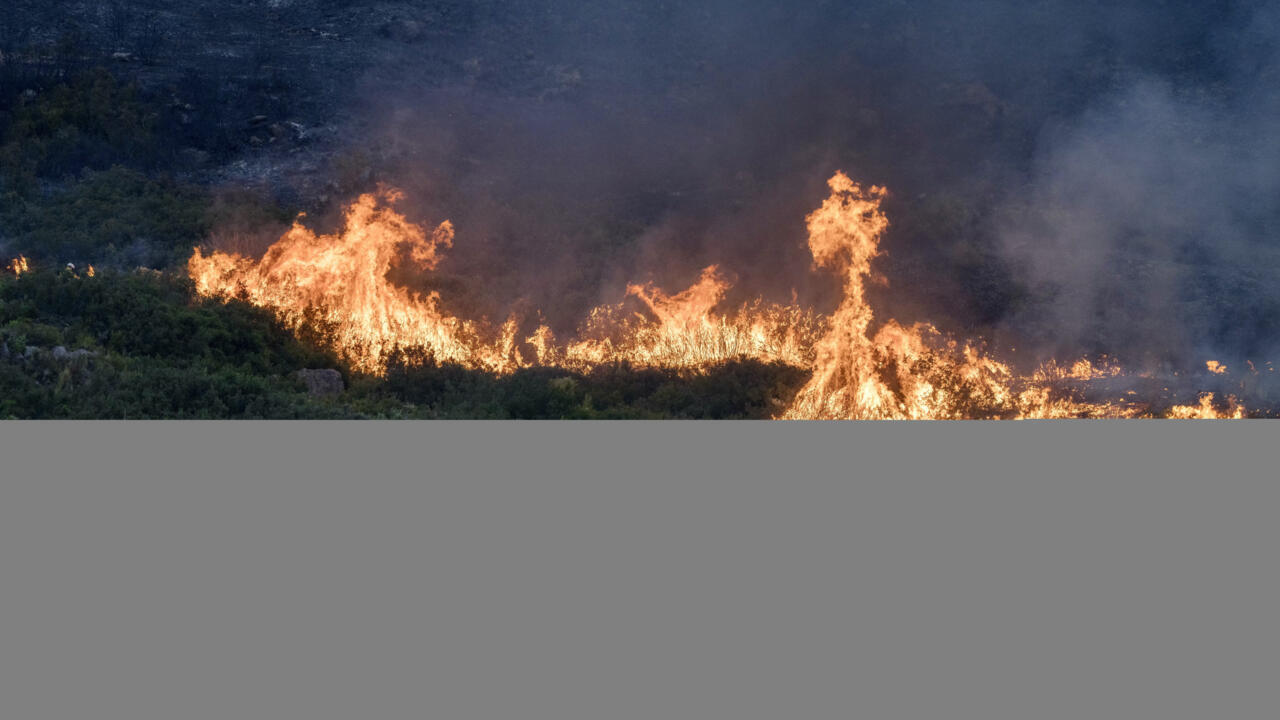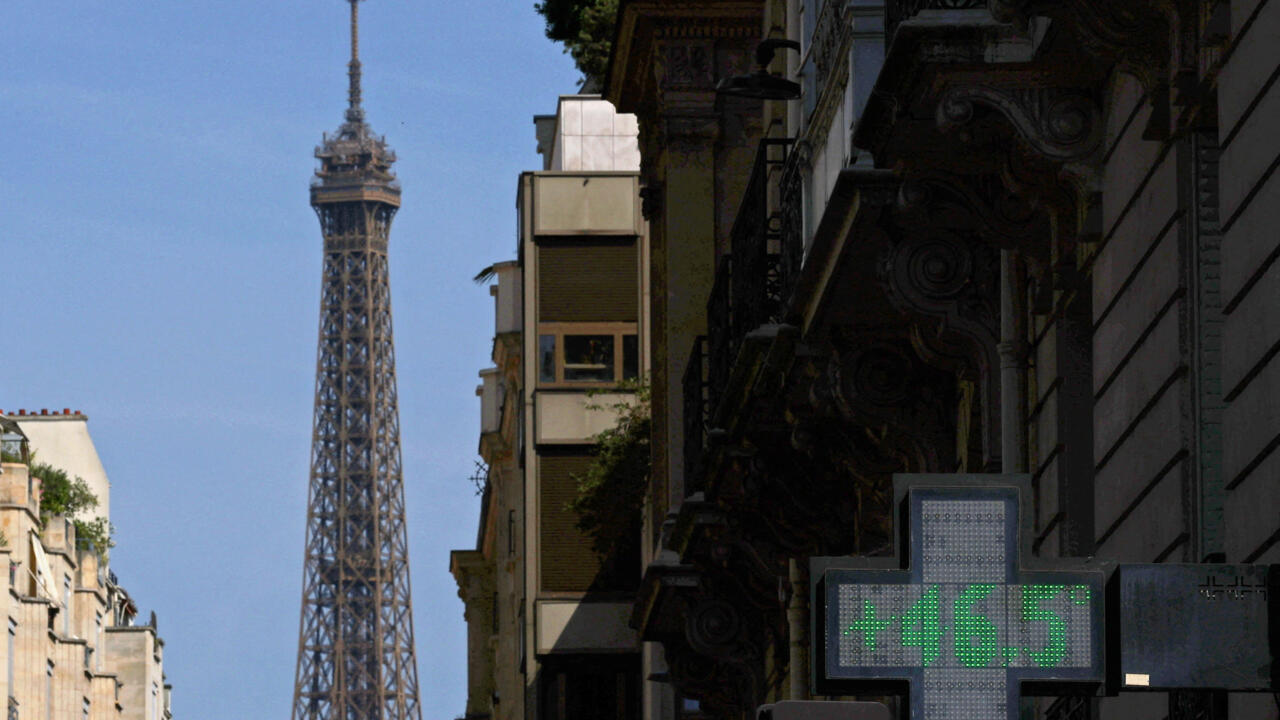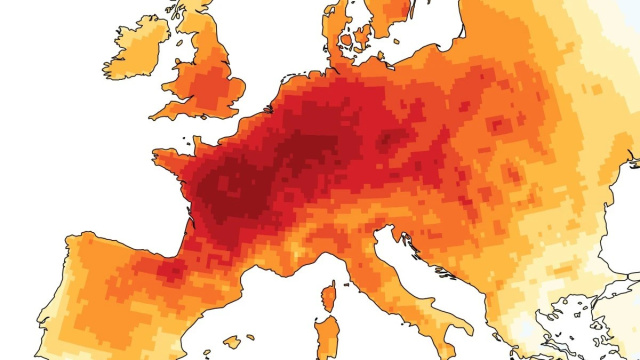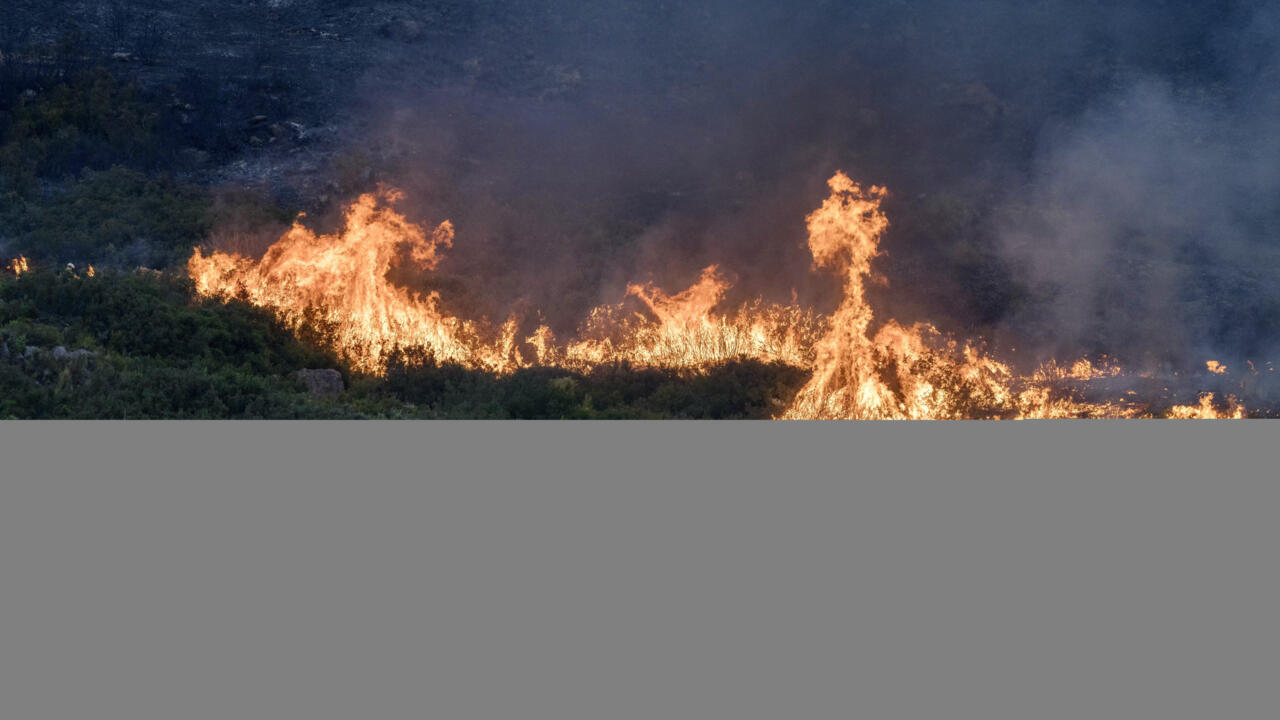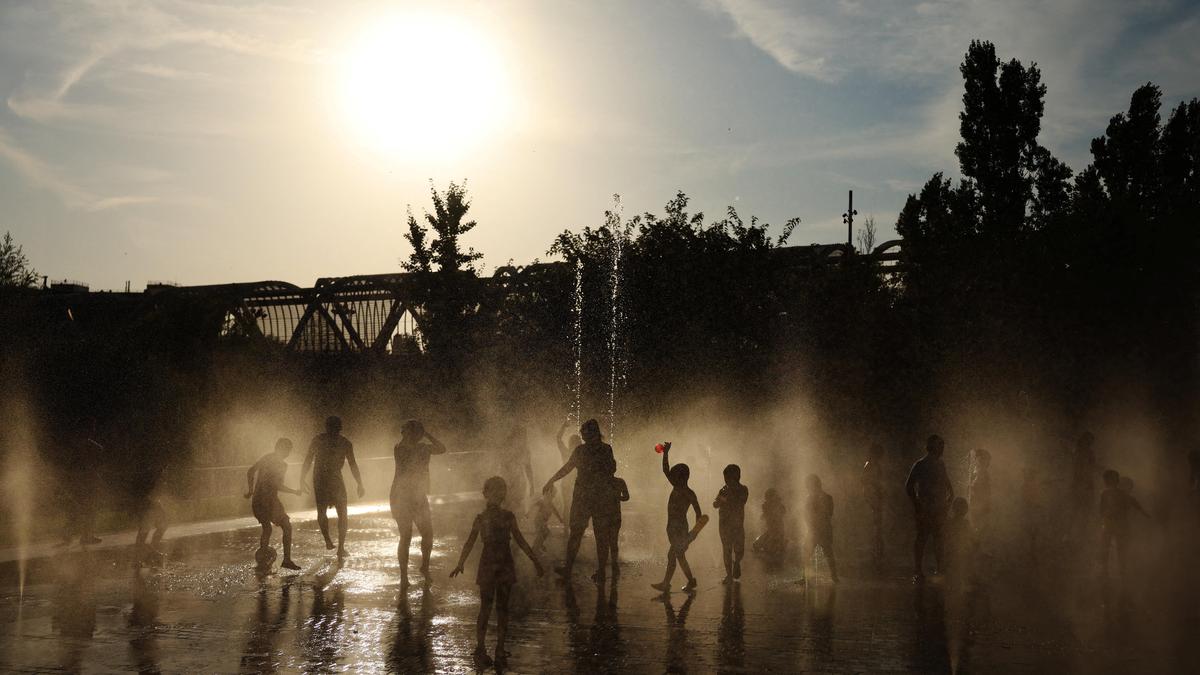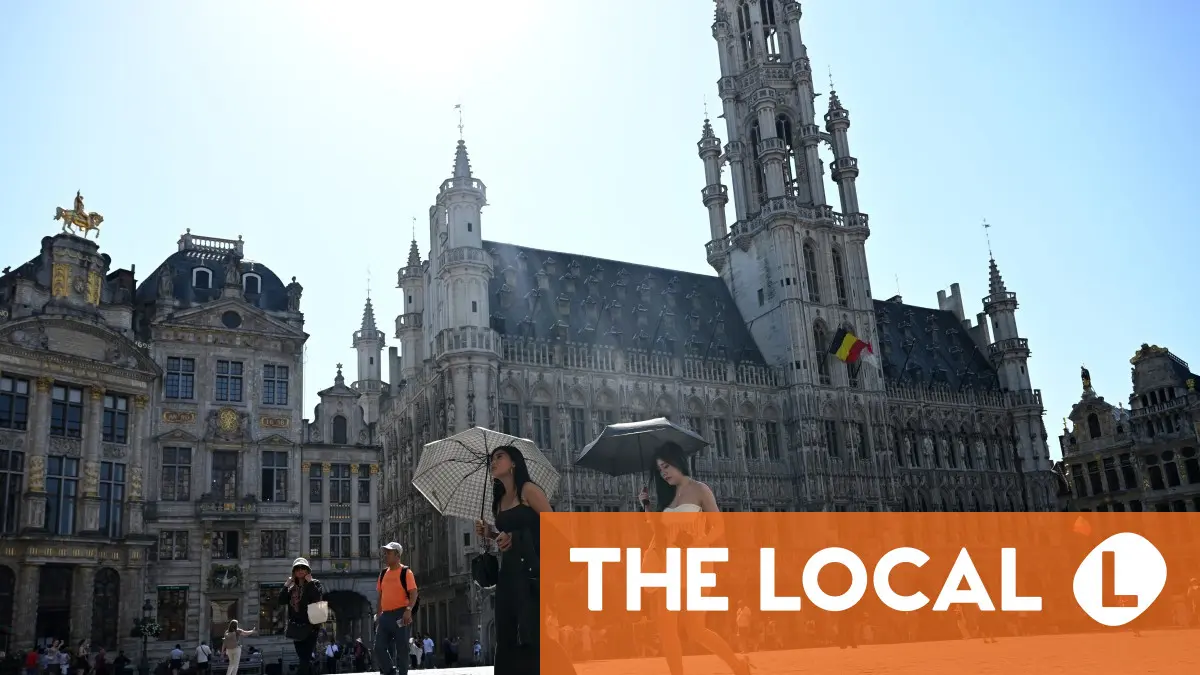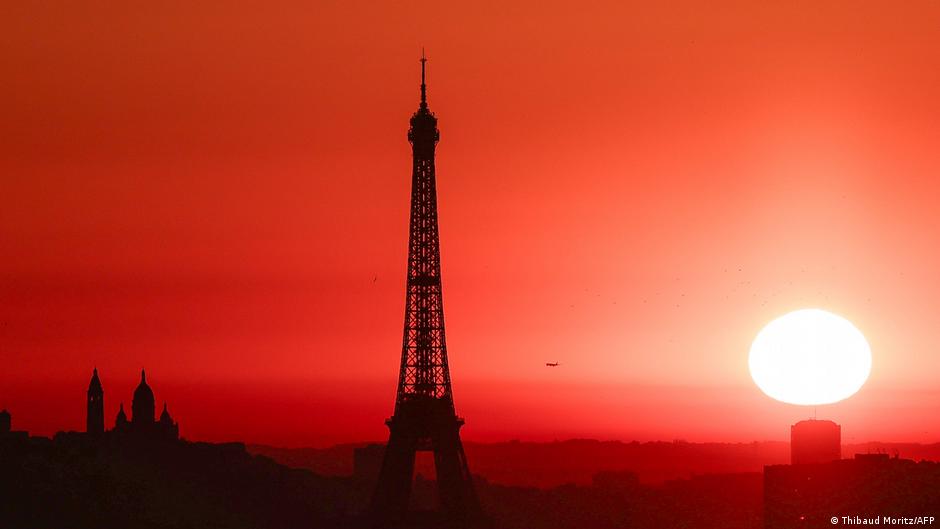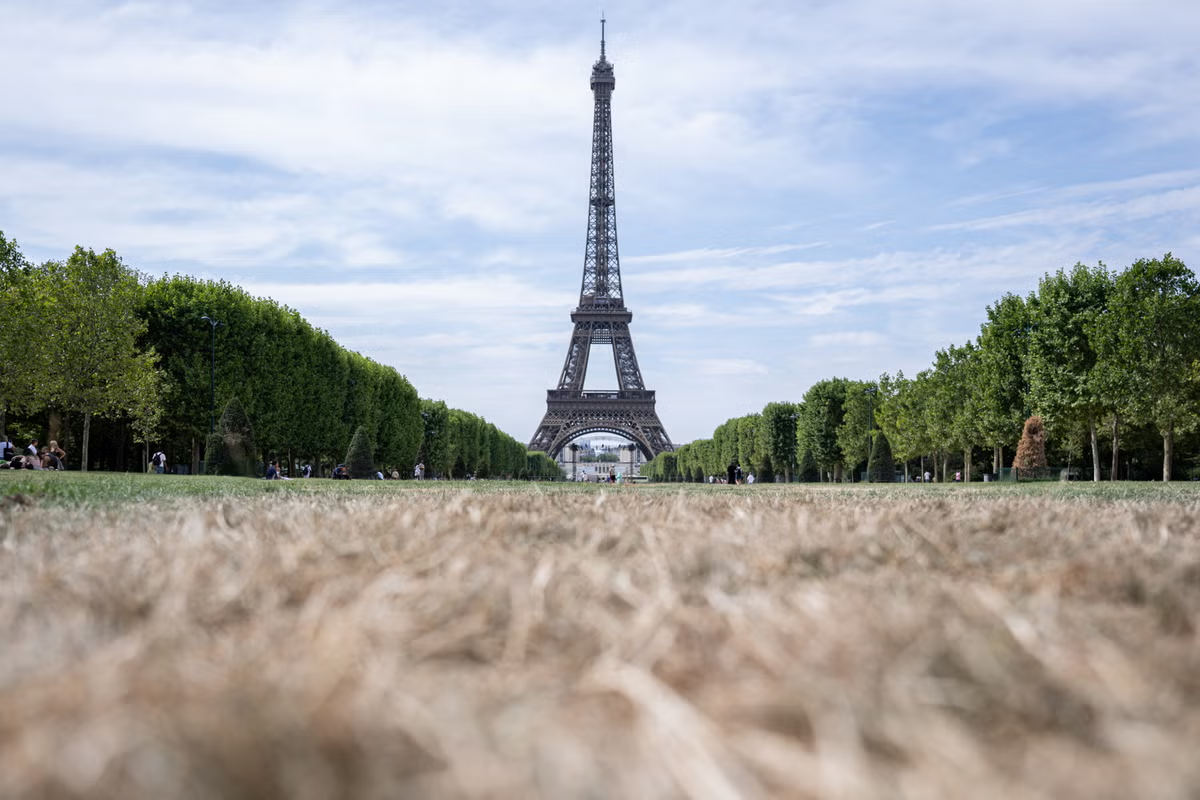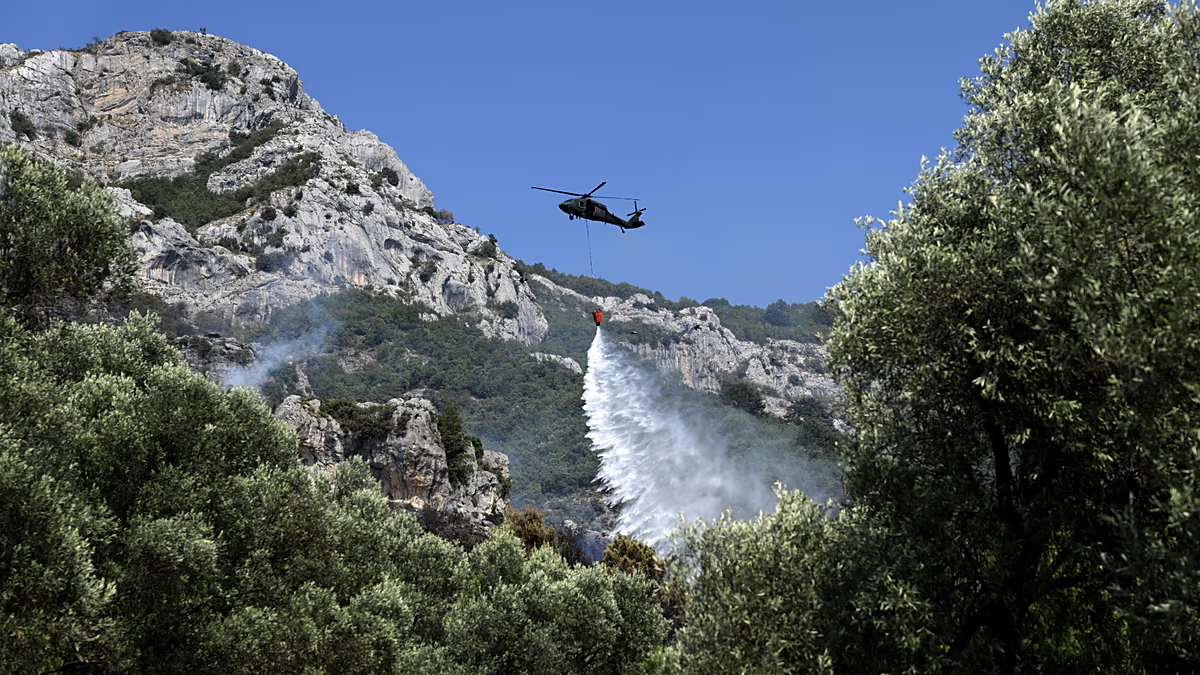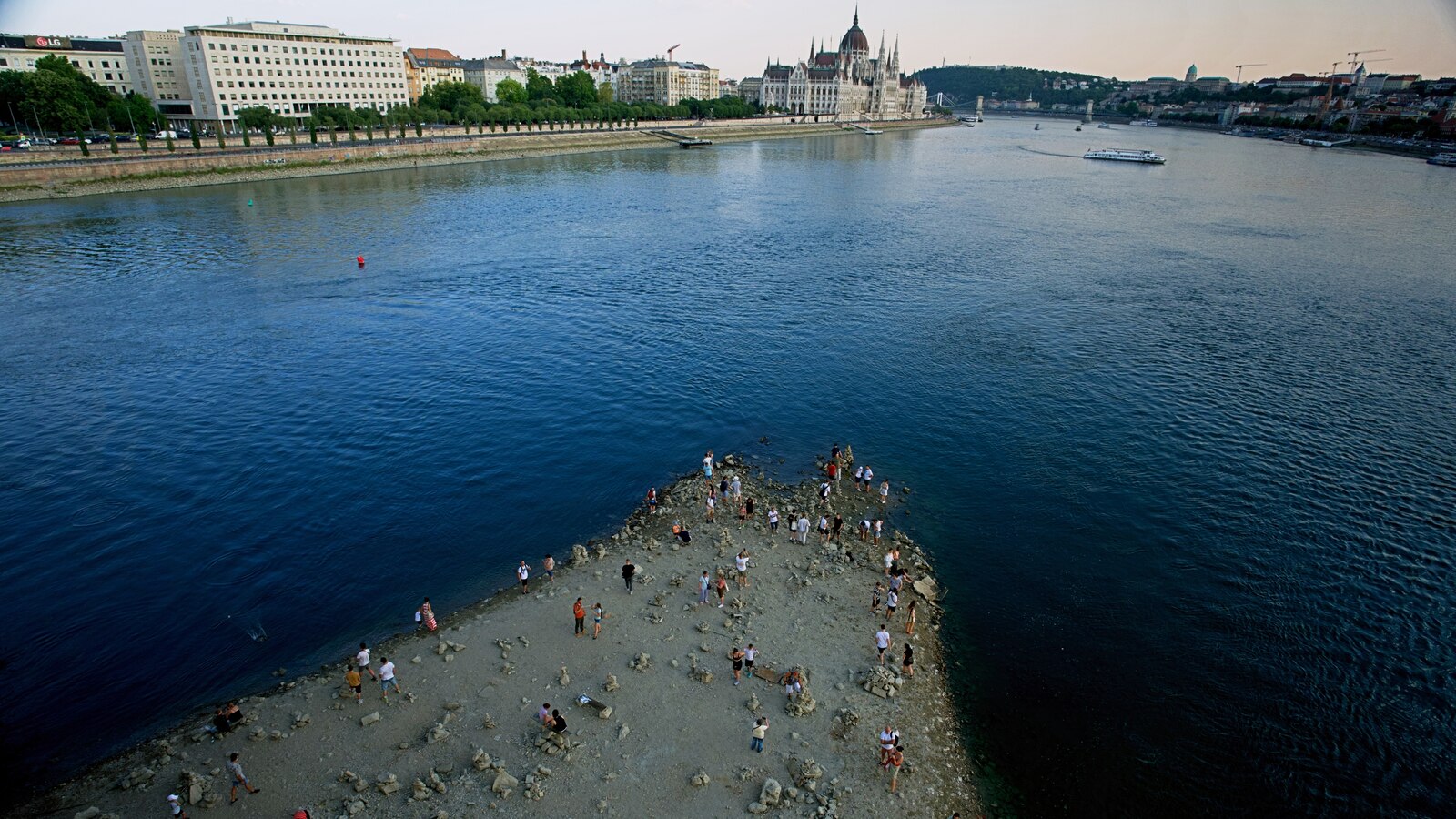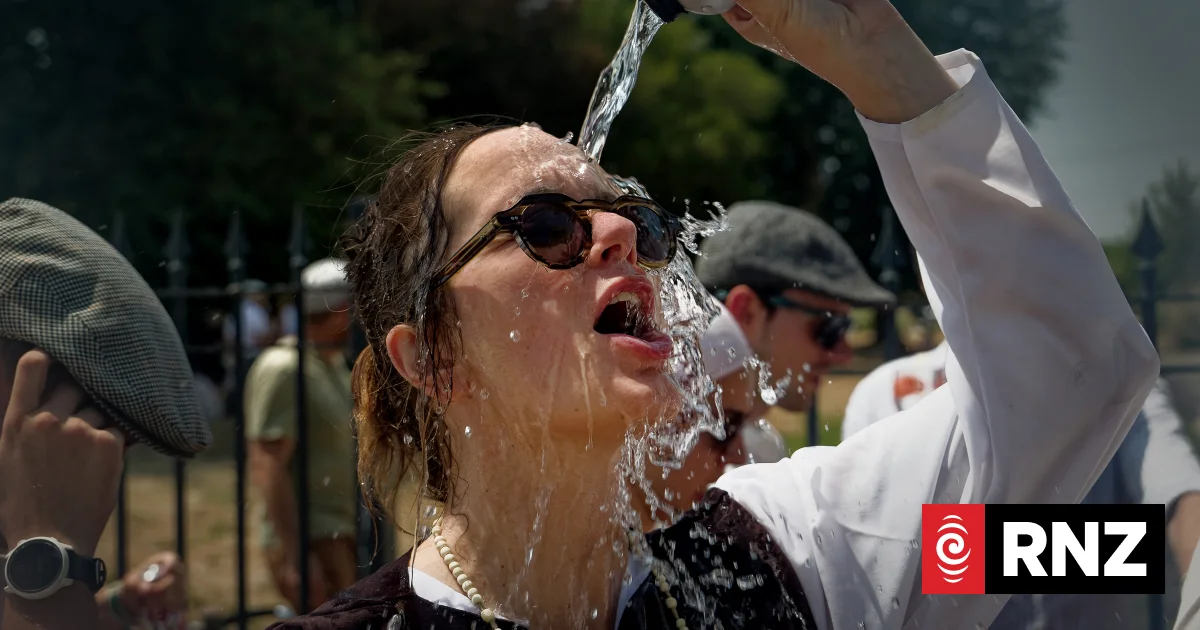
The first two months of summer in western Europe have been the hottest on record, the European Union's climate monitor says, as the continent grapples with devastating wildfires and braces for yet another heatwave.The average temperature for June and July was 21.62 degrees Celsius, about 2.79 degrees above the average, and surpassing the previous heat record set in 2022, said the Copernicus climate change service.July was also the hottest month ever logged for the world's non-polar oceans, Copernicus said, with record high temperatures set along the Atlantic and western Mediterranean, putting sea life and coastal communities at risk. The conditions were partly fueled by the so-called "Super" El Niño weather pattern developing in the pacific.The continent has been hit by a string of deadly heatwaves, with more hot temperatures forecast for this week. Heat has killed more than 25,000 people across Europe this year, according to data compiled by Bloomberg.Europe is the world's fastest-warming continent but is particularly ill-equipped to withstand heat, due to older infrastructure and a lack of air conditioning.People jump in the Trocadero Fountain near the Eiffel Tower during a heatwave in Paris.JULIEN DE ROSA / AFPThe scorching temperatures and persistent droughts in June and July mutually reinforced each other to create a hot weather spiral, according to Samantha Burgess, strategic lead for climate at the European Centre for Medium-Range Weather Forecasts."As soils dry out, they lose their ability to provide natural cooling, allowing heat to build more readily," Burgess said, adding that it was "a clear example of how climate change is intensifying heat extremes."Surface soil moisture levels across western Europe in July 2026 were also "significantly lower" than in July 2022, the last summer the region saw extreme drought, with "exceptional to record deficits" for rain and soil moisture in France, Spain and parts of Germany and the United Kingdom, the scientists found.The record-breaking summer heat has fostered conditions for Europe's record-setting wildfires, which have displaced hundreds of thousands of people and burned more than 1.23 million acres of land, mainly in Spain, France and Italy, according to an August 6 report by the EU.Beyond the scorched land, the fires have also had a broader effect across the continent, increasing emissions and disrupting air quality, said Laurence Rouil, director of the Copernicus Atmosphere Monitoring Service."Larger fires produce more smoke and inject it higher into the atmosphere, meaning it can travel further and impact air quality not only locally, but across the wider region," Rouil said.Severe droughts have also sucked the water from Europe's major rivers, particularly the Seine, the Rhine and the Danube, threatening the continent's energy supply.Hungary and Romania were forced to temporarily shut down nuclear reactors cooled by the Danube, Europe's second-longest river, which has experienced such low water levels that the crisis can be observed from space.Richard Allan, a climate science professor at the University of Reading in England previously told CNN the these record river lows are likely to be broken again in the future and that this "will only be the top of the iceberg.""Managing water resources will become progressively more challenging."- CNN
Western Europe breaks temperature record, braces for yet another heatwave
The first two months of summer in western Europe have been the hottest on record, the European Union's climate monitor says, as the continent grapples with devastating wildfires and braces for yet another heatwave.
513 words~2 min read