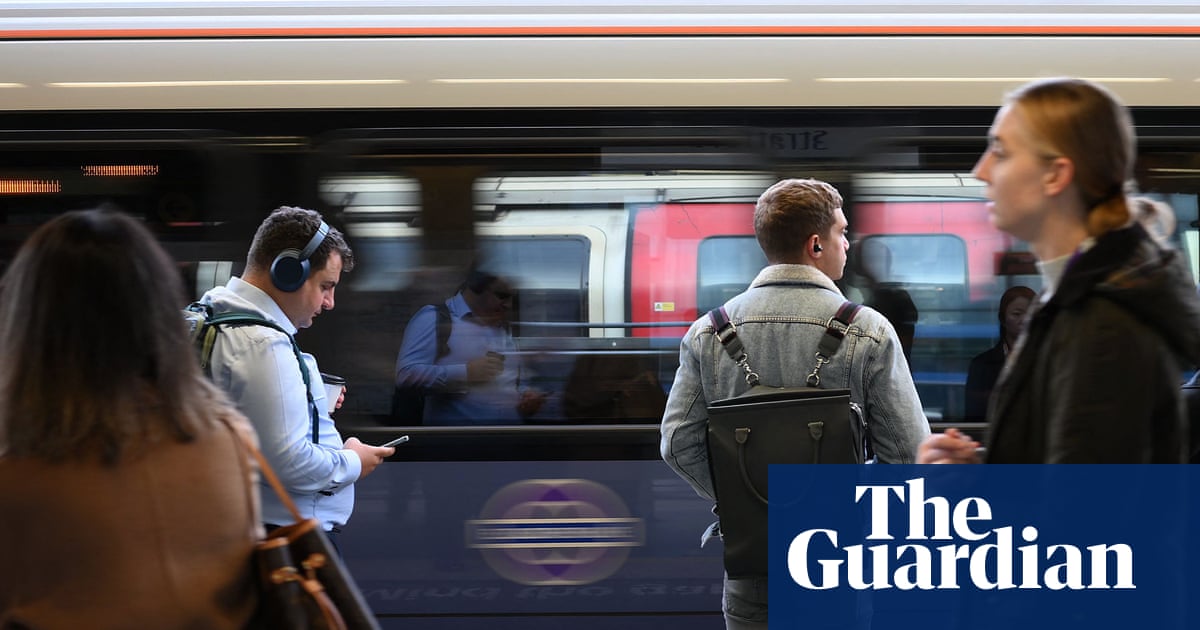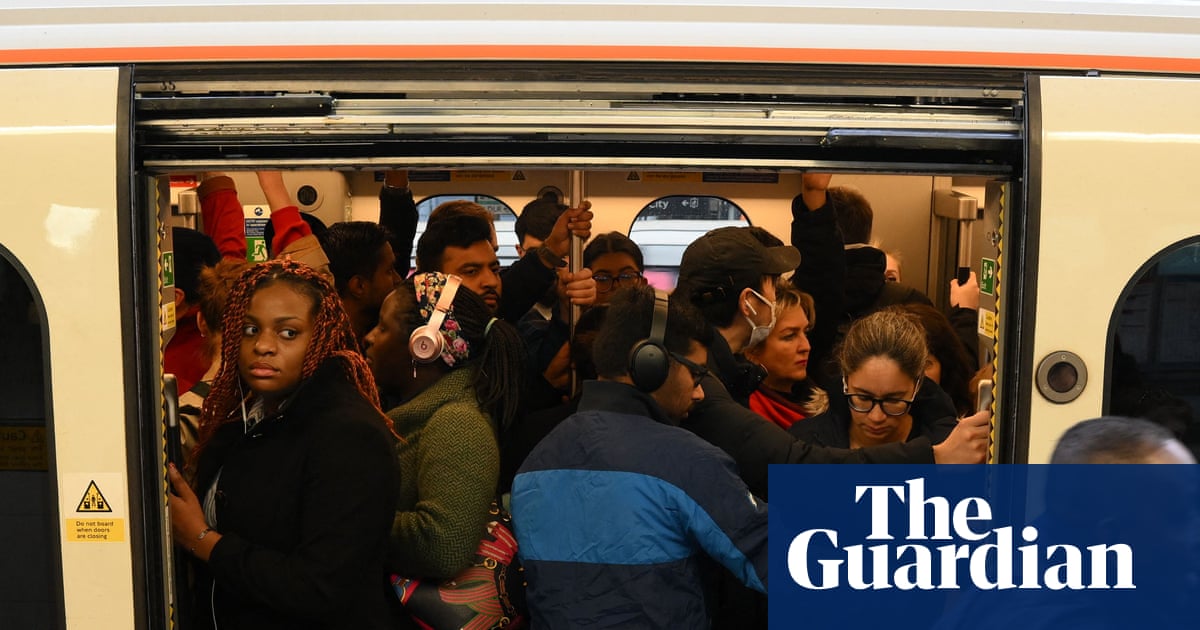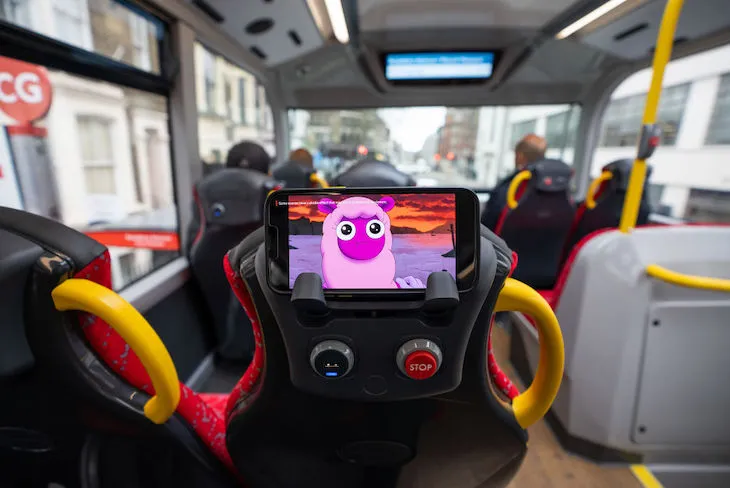
British commuters seeking a thrill could do worse than asking fellow passengers whether they would mind turning their terrible music off. While chatting to strangers on public transport remains taboo, open season has been declared when it comes to pumping out tinny tunes, brain-deadening TikToks, or the musings of a mumbling halfwit on the other end of the phone.
One regular route of mine features passengers who like to start their day and mine by listening to evangelical preachers
That so-called ‘loudcasting’ continues despite widespread revulsion is a classic tragedy of the commons. A Transport for London (TfL) survey last year reported that 70 per cent of respondents found sounds emitted from fellow passengers’ devices to be a nuisance, the remaining 30 per cent presumably angling for deportation under Rupert Lowe’s ever-expanding remit.
In some ways it is just another entry in the list of things that the British don’t like about their country that our rulers have surrendered to as an inevitable fact, alongside death, taxes and mass migration. And naturally there is a ready supply of experts happy to excuse it, and even present it as a social good.
Challenging the British public’s wrongthink in this instance is a lengthy report from the BBC featuring a slate of international boffins. Far from decrying loudcasting as a sign that society is too permissive, the general attitude is that it’s a ‘fascinating human phenomenon of marking social territory’, in the words of the University of Sussex’s Harry Witchel – though the comparison to a dog urinating on a lamppost is telling in other ways.