Friday 07 August 2026 3:46 pm
| Updated:
Friday 07 August 2026 3:47 pm
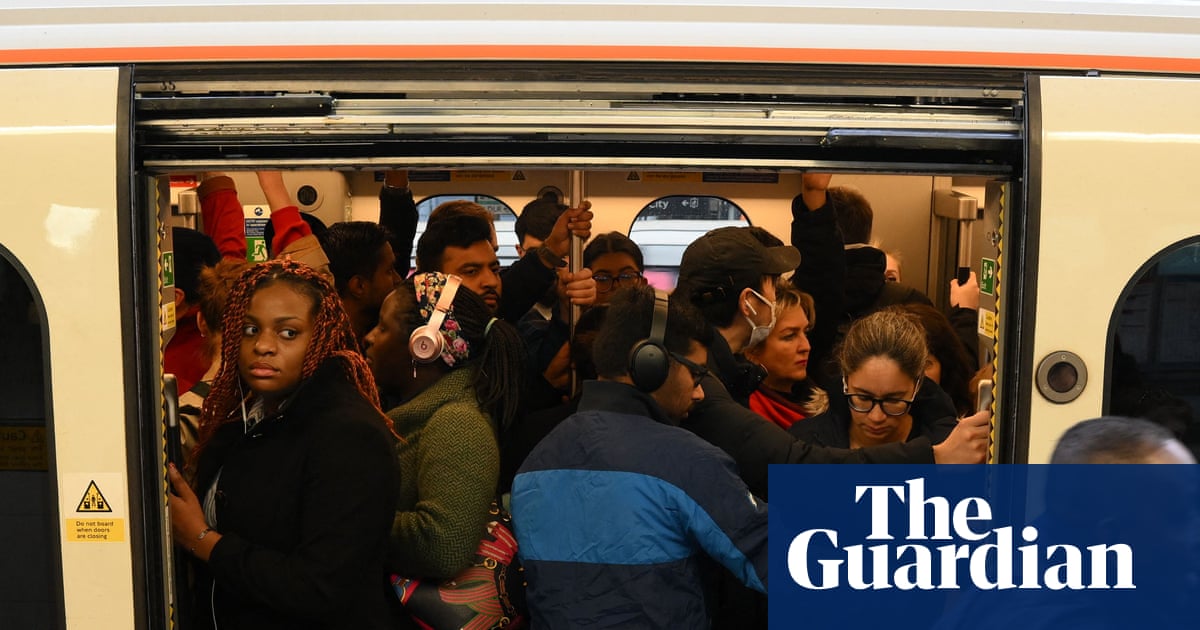
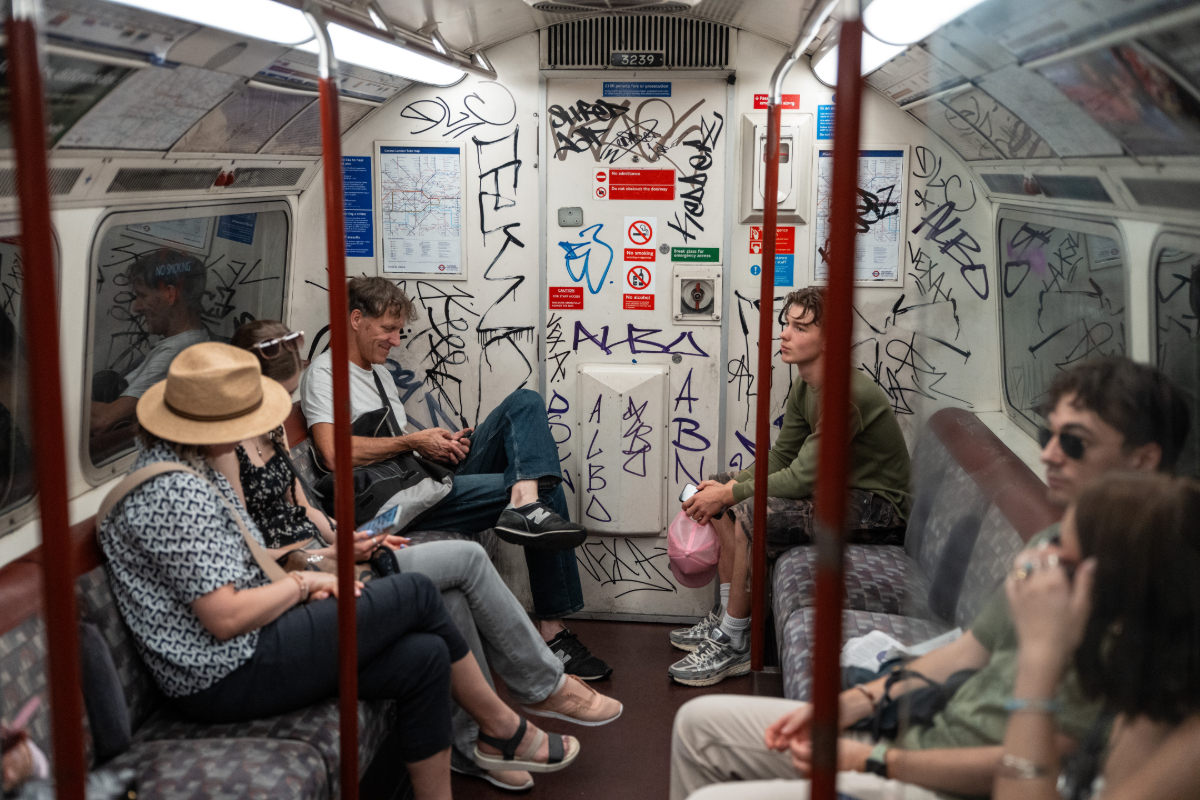
(Photo by Carl Court/Getty Images)
Life is already hard enough. The public don’t need commentators telling them that playing music out loud on public transport is a kind of performance art, writes Matt KenyonA few years back, I was sitting on a Chiltern Rail train opposite a woman who didn’t realise her headphones weren’t properly plugged in, as her phone belted out ‘Pompeii’ by Bastille at a heroic volume. A few knowing smiles were exchanged around the carriage, before she clocked that everyone could hear the 2013 indie hit in immaculate detail, and we all had a laugh. This is a niche case, and the far more typical experience for London commuters is glaring, bleary eyed at someone as they play Tiktok videos out-loud on the Tube. According to a BBC London opinion piece published this week, the various loudspeaker intrusions on buses and on the tube is, in fact, an important part of the capital’s social fabric. There is even a word for this: “Loudcasting”.I’m trying to avoid typecasting myself as the anti-BBC correspondent at this title, but it’s just so damned tempting, especially as the article raises the prospect that “loudcasting can be a tool for connection”.The author notes that boomboxes back in the day also “caused a stir”, in a clumsy effort to suggest that antisocial blaring on the bus somehow amounts to a digital sub-culture. Laced throughout is the argument that inflicting tinny device speakers on carriage-fulls of commuters represents a contemporary form of youth protest movement. But the effect is less Arab Spring and more Ali G. Thin comparisons are made to early objections to phone calls made on 1990s mobiles, though this serves mainly to highlight how far we have slid since then – the slow descent from public calls, then loud speaker conversations down to playing music out-loud. Social soundscapes or antisocial behaviour? The author quotes a University of Sussex professor with a “long-running interest in soundscapes”. Another described the phenomenon “fascinating human phenomenon of marking social territory”, imagery that strays a little too close to that of open urination to make one’s presence known. I had to step away from my computer when I saw another academic, this one from Belfast, who insisted it is “quintessentially social to play music and hope your peers appreciate that music”. It would take a braver man than me to play loud music out-loud on a bus in Belfast.A Lib Dem spokesperson tells BBC London that the phenomenon is in fact the fault of the tech companies, who should be instead handing out free earphones. There is no suggestion that users could, in the absence of headphones, simply not watch videos or listen to music. The BBC journalist was struck after contacting a number of popular consumer tech companies that none responded. It should be noted: There is a fairly inverse correlation between the density of Lib Dem voting and concentration of public transport. The article points to international cultural differences, chiefly that this would be much more clearly frowned upon in a Japanese or Swedish city. You are also far less likely to see someone barge through a metro barrier or shout at a stranger in the street. And that’s because these cities don’t tolerate all of the other “broken windows” that gradually undermine civic trust. While the article does concede that “the vast majority of people dislike” this bold new art form of “loudcasting”, it notes too that the public simply don’t report these cases to the authorities. But also, Transport for London says that of those who do get prosecuted, no one has been fined in five years. The article’s author asks: “Am I out of touch?” And honestly, it doesn’t matter if he is. It is perfectly valid to write a bad take on a news website – we all do it every now and again! The problem is that the BBC News website has a sanctifying effect, and the difference between him writing that and me writing this is that you know that I don’t write on behalf of the British people. To declare an interest, I did write an article for the BBC four years ago about “the oldest joke ever told”. But I promise that I injected very little of my own personality into it. And this BBC write-up indulges in the view that this behaviour – which by the article’s own admission, has late-stage Keir Starmer levels of popularity – is ingrained, inevitable and almost involuntary. But ignore them, because it needn’t be.