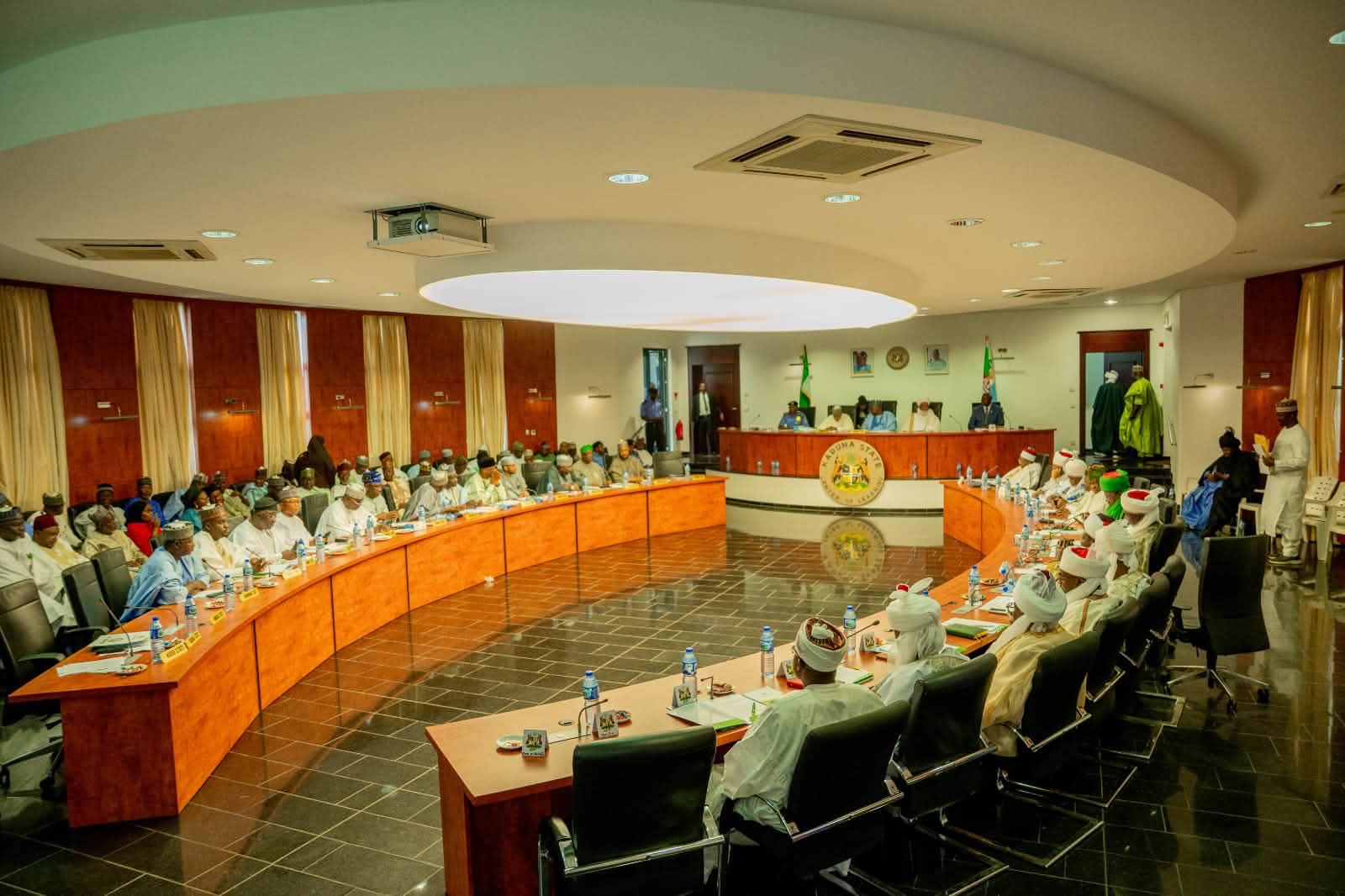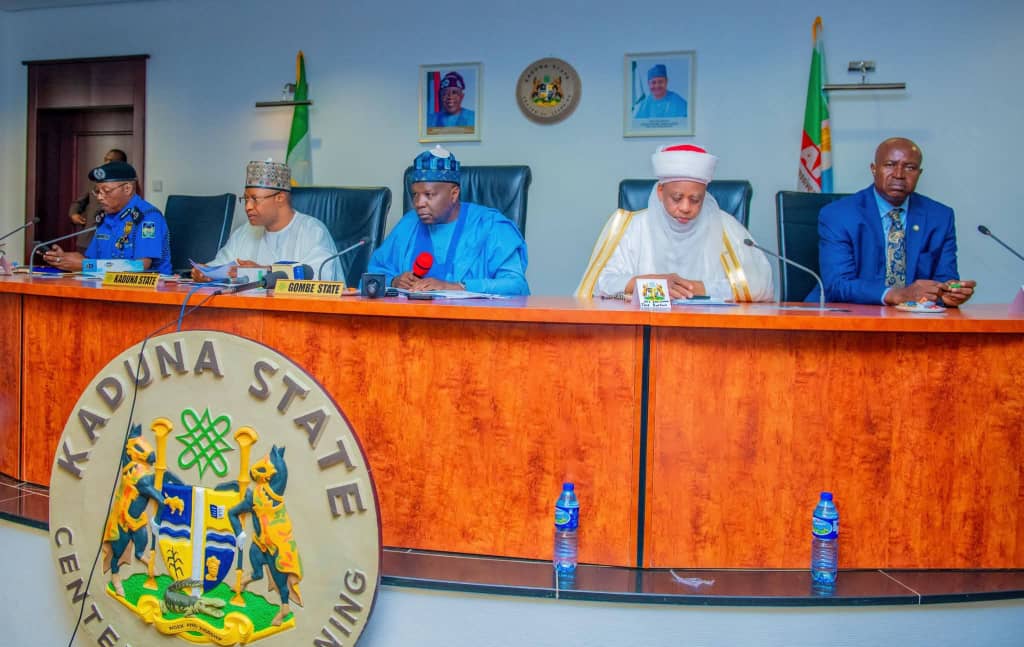
I have been much surprised that the Northern Nigeria Security Trust Fund (NNSTF), established last month by the Northern States Governors’ Forum (NSGF), has not generated as much public interest and debate as one would have expected for such a consequential policy. I think it should. First of all, the very idea of establishing a security fund represents a good example of responsive governance.
Of course, it is belated: such a policy should have come sooner. For more than two decades now, Northern Nigeria has been the hotbed of perhaps 70% of all insecurity in the country, several dimensions of which directly threaten the very existence of the Nigerian state. From religious insurgency and terrorism in the northeast, banditry in the northwest, to frequent farmer-herder and indigene-settler communal clashes in the north-central, the North — and Nigeria — has scarcely known any quiet since the early 2000s.
All of these have decimated lives, limbs, and livelihoods across nearly every state in the region. No doubt, then, that Northern governors should have established such a security fund much earlier than now. Still, it is better late than never. The establishment of the NNSTF is therefore an important first step as it suggests that the northern governors are now responding to public concerns with a policy initiative rather than more talk. After all, public policy is the surest mechanism by which governments work to resolve collective problems. This is commendable, and should elicit interest, debate and the involvement of all stakeholders, including citizens. Secondly, the initiative is responsive to the need for collective action for addressing peculiar but collective northern problems, a point I have argued repeatedly in this column, and it is refreshing to see policymakers finally walking in this direction.