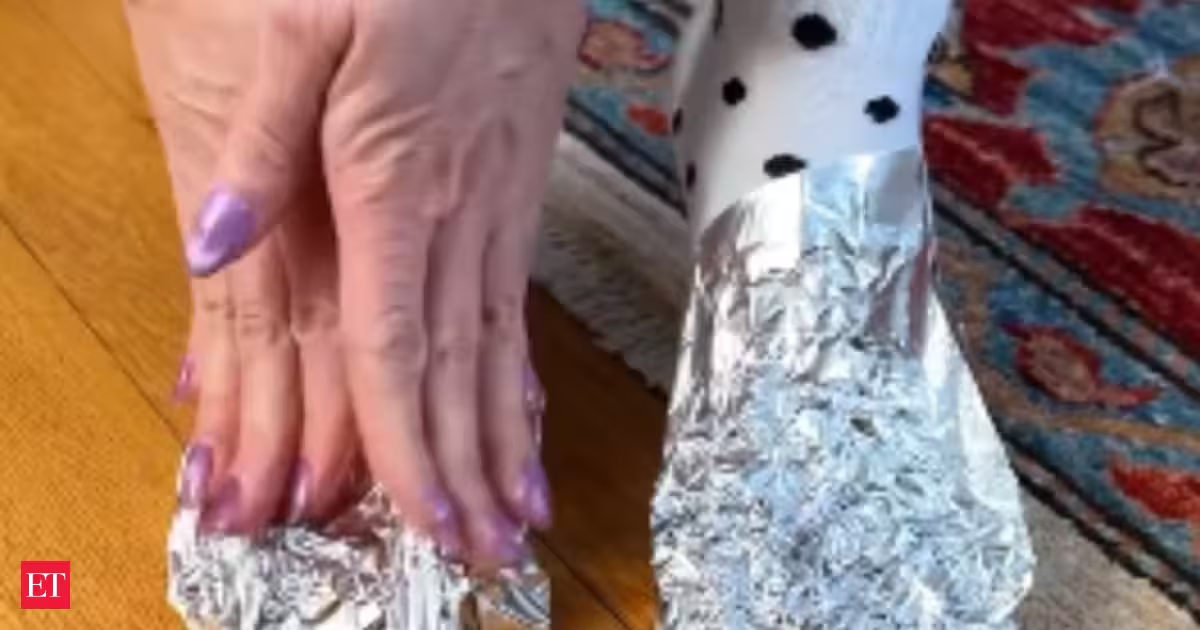
SynopsisRecently, an unusual trend on social media has surfaced, suggesting the use of aluminum foil around feet to keep warm in the winter season. Yet, healthcare experts have raised alarms about this practice, pointing out the hazards involved. Foil may retain some heat but can also encourage moisture accumulation, leading to an increased risk of frostbite. They advocate for proper winter footwear and moisture-wicking socks as safer alternatives.A video on Instagram claiming that tin foil keeps toes extra warm in winter has garnered more than 80 million views and gone viral on social media. (Photo Credit: Instagram / randyandmandyshow)Have you ever felt your big toe lock up? If you cannot move or bend it, you may be experiencing a stiff big toe, which is known medically as hallux rigidus. This condition—the most common arthritic foot issue—can also stem from a past turf toe injury. Hallux rigidus can be caused by wear and tear, traumatic injury, or inherited structural foot factors. Additionally, people with flat feet or bunions are more likely to develop it. If left untreated, it can lead to bone spurs and other complications like altered walking patterns. While there is no cure for hallux rigidus, a doctor can help manage its symptoms.While medical conditions like hallux rigidus cause toes to lock up, a viral trend on social media claims to solve a different kind of "frozen toe" during cold winter weather. The so-called foil hack has been spreading with claims that wrapping foil around your feet can keep your toes extra warm, with “no more frozen toes” becoming part of the trend.A video shared by the Instagram account @randyandmandyshow featured the caption, "Tin foil keeps your toes extra warm in winter." After attracting more than 80 million views, the so-called ‘winter hack’ quickly went viral on social media.If this hack really works, it means a roll of something from your kitchen drawer is doing what no winter gear manufacturer claimed it could. But the promises do not stop at warmth. Some netizens even swear these foils ease muscle soreness. Others vouch that this is the cheapest ally of a restful sleep. People think they have cracked the ultimate winter code and wellness hack. But does it really work?Aluminum foil is a familiar kitchen staple, used to wrap leftovers, cover food, and line baking sheets. It is especially useful when baking, roasting, or grilling, making it a common item in many kitchens. But its everyday uses have also led to a curious question: could the same foil that helps in the kitchen offer any benefit when wrapped around your feet?That question has gained attention as viral claims suggest wrapping aluminum foil around your feet keeps your toes warm in cold weather. The idea may sound unusual, but there is a simple scientific explanation behind the claim. Shiny surfaces reflect heat, and emergency survival blankets use a similar principle to help reduce heat loss. This has led to the suggestion that wrapping foil around your feet before stepping into the cold could keep them warm.What do medical experts say? Here is what a podiatrist recommendsDr. Saylee Tulpule, a board-certified podiatrist practicing in Washington, D.C., says wrapping aluminum foil around her feet during winter is the last thing she would do. In a video shared on Instagram, she discussed three things she would never do as a podiatrist, including wearing aluminum foil on her feet during the winter.She has spent the season answering questions about the viral hack, and her response goes beyond a simple yes or no. According to Dr. Tulpule, while foil can reflect radiant heat back toward the feet—which forms the basis for the hack—it creates a dangerous side effect. Because aluminum foil is not breathable, it traps sweat against the skin. Wet feet can lose heat up to 25 times faster than dry feet, which actually increases the risk of frostbite or trench foot in cold weather.Her advice is to skip the foil entirely and instead choose moisture-wicking wool socks, wear properly fitting boots that are not too tight, and maintain good circulation. Warm feet, she notes, are less about quick hacks and more about proper foot care.Read More News onRead More News on
Why are people wrapping their feet with aluminum foil? Expert reacts to viral social media claims about its benefits
Recently, an unusual trend on social media has surfaced, suggesting the use of aluminum foil around feet to keep warm in the winter season. Yet, healthcare experts have raised alarms about this practice, pointing out the hazards involved. Foil may retain some heat but can also encourage moisture accumulation, leading to an increased risk of frostbite. They advocate for proper winter footwear and moisture-wicking socks as safer alternatives.
697 words~3 min read