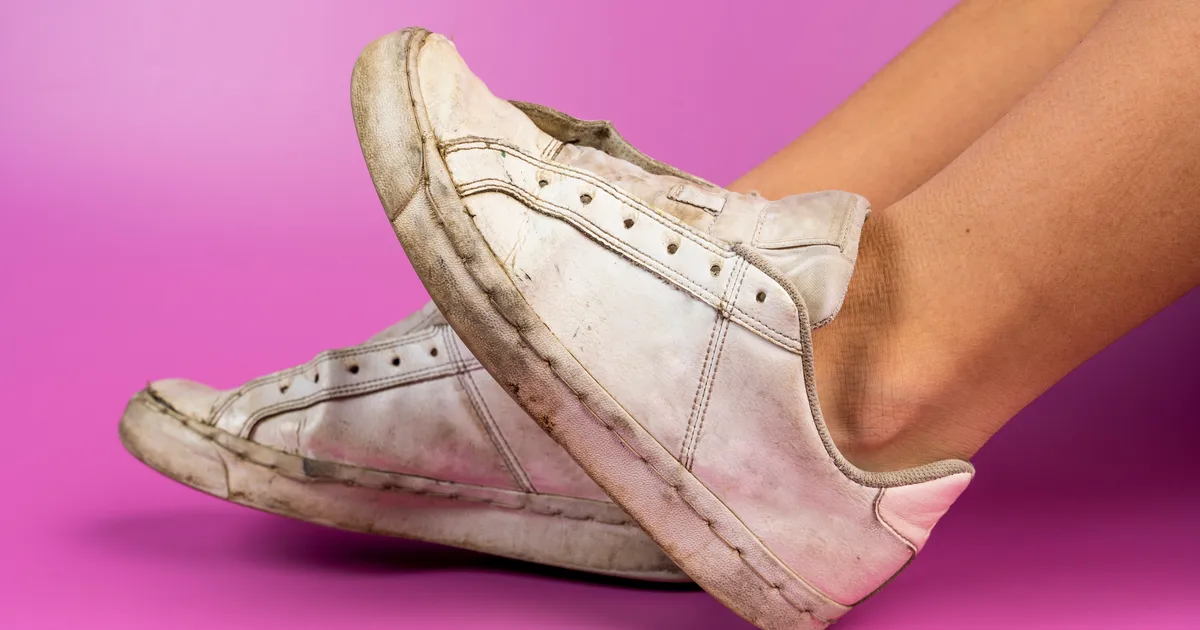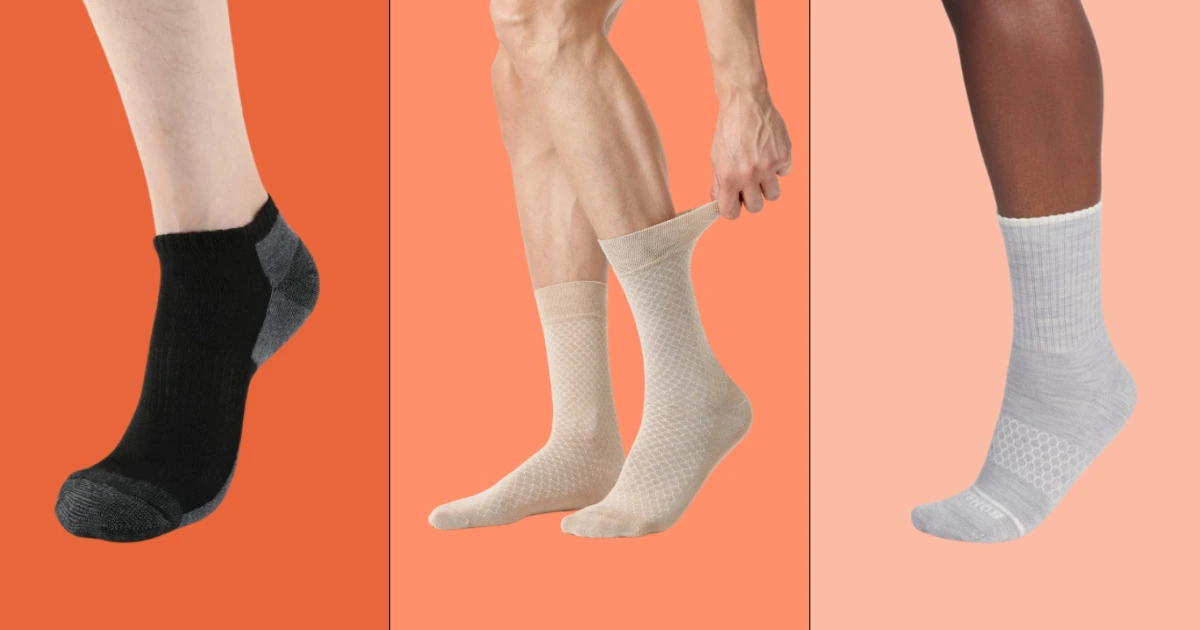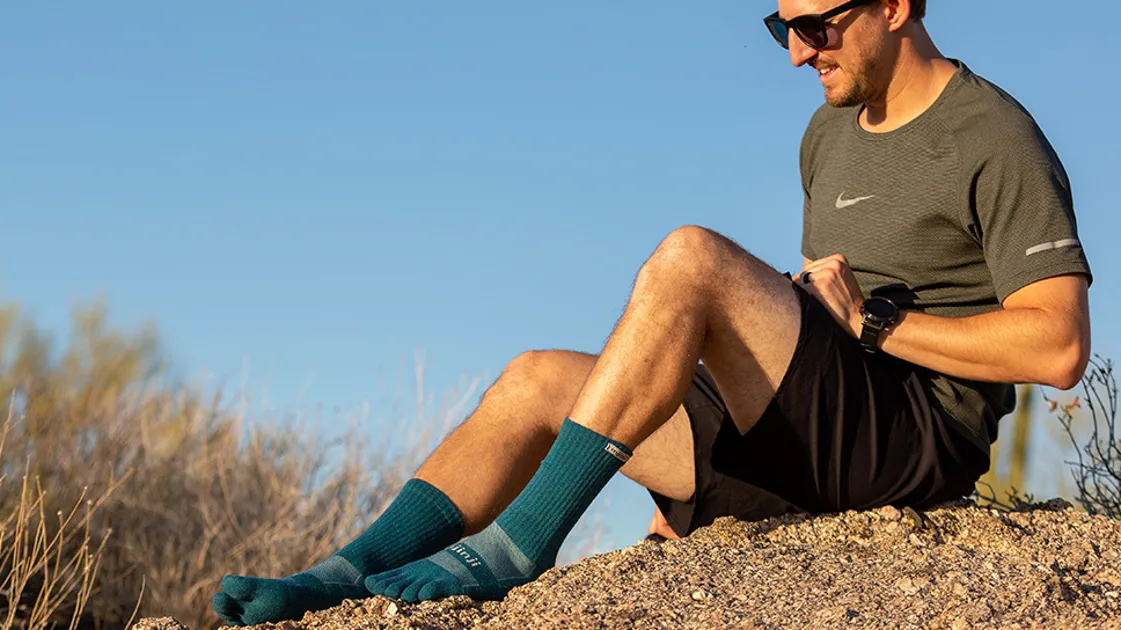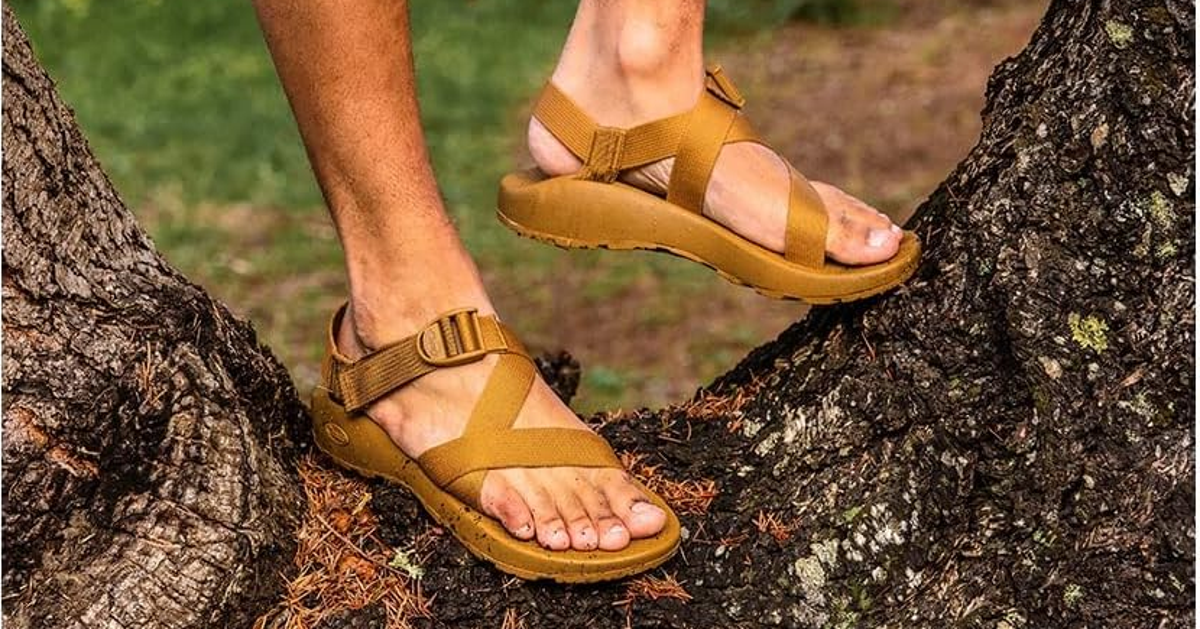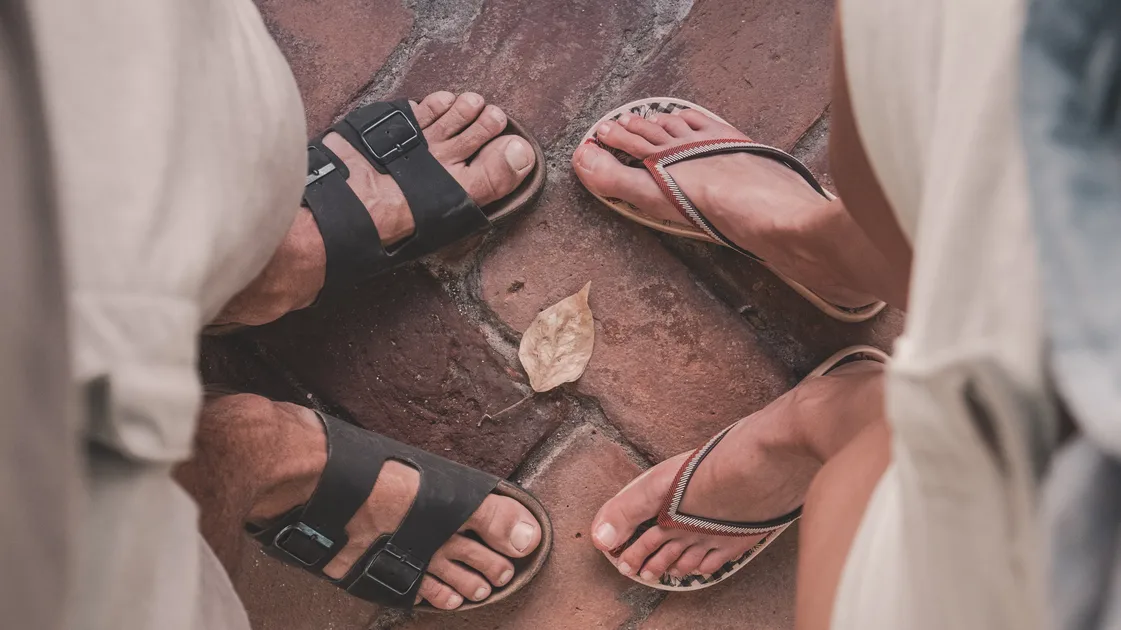
Like many people, I wear socks every day throughout the winter to keep my feet warm, but I ditch my socks as soon as the temperature starts to rise. My feet feel free and cooler without the extra layer of fabric between my sole and the ground. Yet, my feet aren’t always happy with my decision. At times, I’ve developed itchy fungus and blisters. It’s a nuisance I’m willing to put up with, but I’ve wondered if the fallout from going sockless is merely an annoyance or the sign of a more serious medical issue that needs to be addressed. I asked doctors and podiatrists to settle the debate about where it’s OK to go sockless or not, once and for all. How bad is it to wear socks without shoes? Well, it depends on several factors. Whether it’s OK to wear shoes without socks is one of the most common questions that Dr. Mikel Daniels, the president and chief medical officer at WeTreatFeet Podiatry in Maryland, gets from his patients. Going without socks “absolutely increases risk” of developing several foot issues, he told HuffPost. Most conditions related to not wearing socks are uncomfortable, unpleasant and embarrassing, but not medically concerning, Daniels said. Nevertheless, some of these conditions can cause itching, burning and stinging, making walking uncomfortable. For some people, the risk will be worth the reward, whether they like the look of going sockless or don’t like how socks feel. Here’s how to make an informed decision. Andrey Znamenskyi via Getty ImagesIf you're going barefoot in those sneakers, consider whether the material is synthetic or natural. It makes a difference.How do socks help keep your feet healthy? The reason socks help keep your feet happy and healthy is that they act like a barrier and a sponge. Socks “absorb sweat, reduce friction and give bacteria and fungus fewer chances to thrive,” Daniels explained. Fungus in particular likes environments that are warm, wet, and dark. “This is why people get athlete’s foot and not athlete’s hand,” Daniels added. Socks help dry out the feet by whisking away sweat. Without that barrier, sweat and skin oils go straight into the shoe lining and stay there,” he said. Data shows that people who go sockless have much more bacteria on their feet than those wearing socks with the same shoes, even after bathing. What types of foot problems can develop when you don’t wear socks? There are several problems that can develop from not wearing socks, but they’re usually easy to address with over-the-counter products. “These conditions are common and generally treatable, particularly when addressed early and accompanied by good foot hygiene and a change to appropriate footwear habits,” explained Dr. Alexis Schupp, a podiatric surgeon with Kaiser Permanente in Maryland. As I found out the hard way, one of the most common issues is developing athlete’s foot and toenail fungus. “The feet contain a high concentration of sweat glands,” Schupp explained. “Socks help absorb perspiration. Without that protective layer, moisture remains trapped inside the shoe, creating an environment that promotes fungal infections.”Foregoing socks can also cause friction, which may lead to a range of issues. “Socks act as a barrier between the skin and the shoe. Without them, repetitive rubbing can lead to blisters, calluses, corns and skin irritation, Schupp said. Foot odor is another possible side effect of going sockless. “Sweat and bacteria accumulate more readily inside the shoe when there is no sock to absorb moisture, allowing odor-causing bacteria to proliferate,” Schupp added.Those with sensitive skin or allergies face additional risks. “Direct contact with shoe materials, dyes, adhesives, or synthetic fabrics can contribute to contact dermatitis, causing redness, itching, or skin irritation,” Schupp said. If you need help managing any of these issues, consult a podiatrist or dermatologist for guidance. The material and style of your shoe matter.The type of shoe you wear is the biggest factor in determining whether you develop problems from going sockless. “A breathable leather loafer for a short dinner is one thing. A synthetic sneaker in August on an all-day walking tour is another story,” Daniels said. Some materials trap moisture and heat more easily, which increases the risk of developing problems, explained Dr. Jamie Goldberg, a dermatologist with Kaiser Permanente in Maryland. “Shoes with synthetic linings and poor breathability, such as plastic and rubber, may create conditions that allow bacteria and fungus to thrive,” she said. “Sneakers worn without socks may also increase the risk of athlete’s foot, fungal nails and calluses because there is no protective barrier between the foot and the shoe to trap sweat or avoid friction,” Goldberg added. Good quality leather, however, can be a little more forgiving. Nevertheless, Daniels emphasizes that even the best quality leather shoes should be allowed to dry completely between wears. “Leather dress shoes worn sockless day after day still end up moist, smelly, and more prone to fungal and bacterial problems,” he explained. “Heels and fashion flats add another issue because they often have stiff edges and seams that rub,” Daniels said. Even if the leather is top-quality, blisters can develop very quickly without socks, especially on the back of the heel and around the toes.There is some good news. Very breathable shoes, like open sandals or airy slip-ons that let sweat evaporate, tend to reduce the risk of developing foot issues from going sockless, Daniels said. These types of shoes are designed to be worn without socks and to keep feet dry by exposing them to light and air.kasto80 via Getty ImagesSome good news: Going sockless in sandals poses much less of a fungus risk than wearing closed shoes.The type of activity and weather are factors, too. Healthy feet depend on managing moisture. Wearing socks during activities and in weather that promotes moisture is an easy way to prevent common foot problems, even if you usually prefer to go sockless. Activities that cause your feet to sweat more, like playing sports, running or walking long distances, can increase moisture inside the shoe, which raises the risk of fungal infections and skin irritation, Dr. Anne Sharkey, a podiatrist and founder of Solely Podiatry and Solely Nails in Texas, explained. Without socks, the sweat is absorbed into the shoe, trapping moisture and allowing fungus to proliferate. Warm weather can also cause foot woes if you go sockless, even if you’re just lounging outdoors. Heat causes feet to sweat, creating an environment where bacteria and fungi are more likely to grow. Wearing socks can reduce your risk. Moreover, if shoes become wet from outdoor activities or exposure to water, your feet may pay the price if you don’t take the right steps. If rain is predicted or you will be near water, wearing socks is a good idea. Additionally, just like sweaty shoes, wet shoes “should be dried completely before being worn again to help prevent bacteria and fungus from growing,” Goldberg recommended. How long you remain sockless and how often you wear the same shoes matters, too. The longer you go sockless, the greater your chances of developing a related issue. “Short wear, like a quick trip out or a short indoor meeting with low activity, is usually less of an issue, because the chances of your feet sweating or becoming irritated are lower,” Goldberg said.Additionally, going sockless one day is less risky than going sockless all the time. If you nevertheless prefer to go sockless every day, Goldberg strongly recommends rotating shoes and allowing each pair to dry fully between wears. If you wear the same shoes repeatedly without socks, they become “a fungal incubator,” he said.While there are good reasons for going sockless, from style preferences to sensory issues, Goldberg said, “Prevention is usually easier than dealing with foot problems after they develop. Wearing socks remains one of the simplest ways to reduce your risk.”
Going Sockless ‘Absolutely Increases’ These Health Risks — Especially In The Summer
If you’re slipping your bare feet into sneakers this summer, think twice (and look a little closer at your shoes first).
1,303 words~6 min read