Academia
While the country already has a regulation on digital child protection, the rapid advent of artificial intelligence and its growing integration in children's lives requires a shared effort by all stakeholders to instill safe and responsible use, especially among vulnerable individuals.
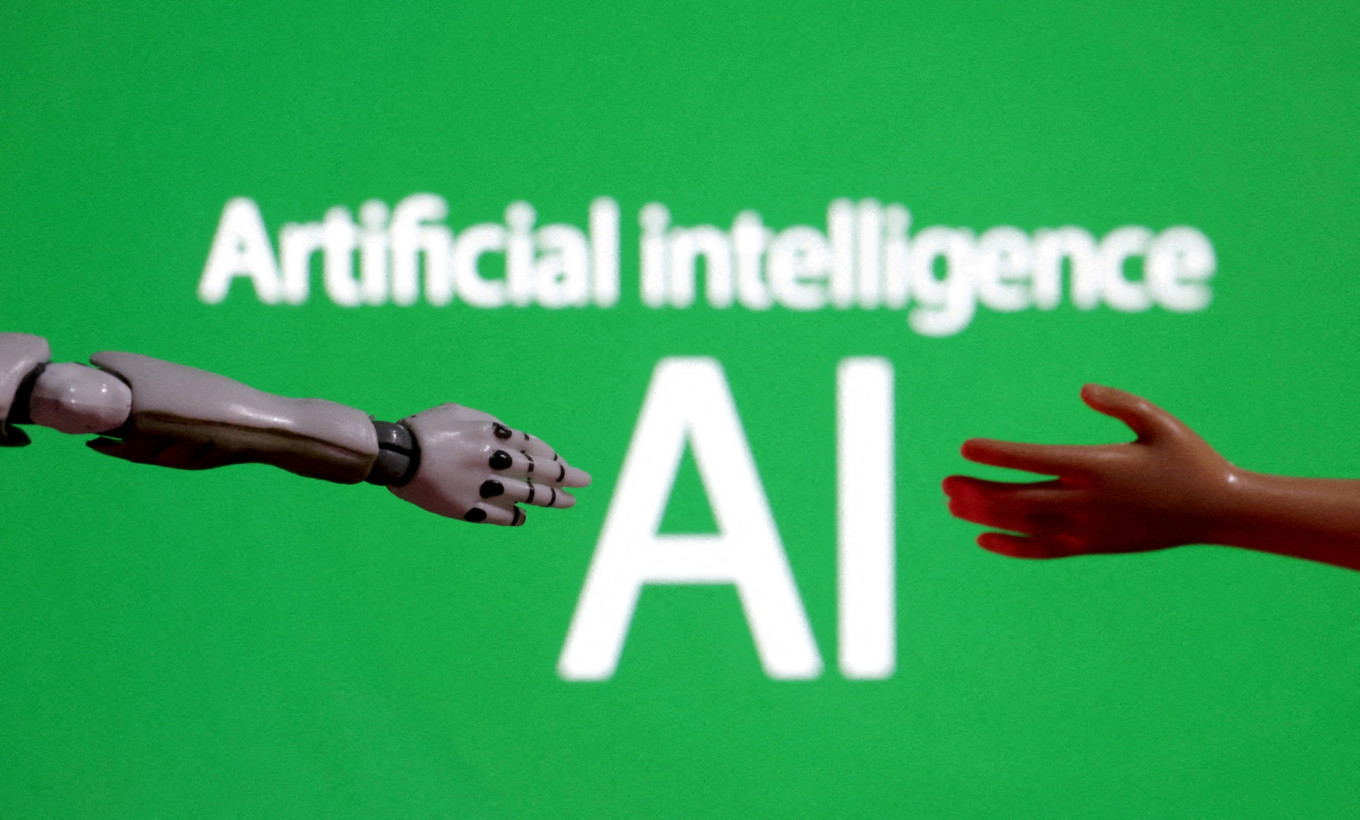
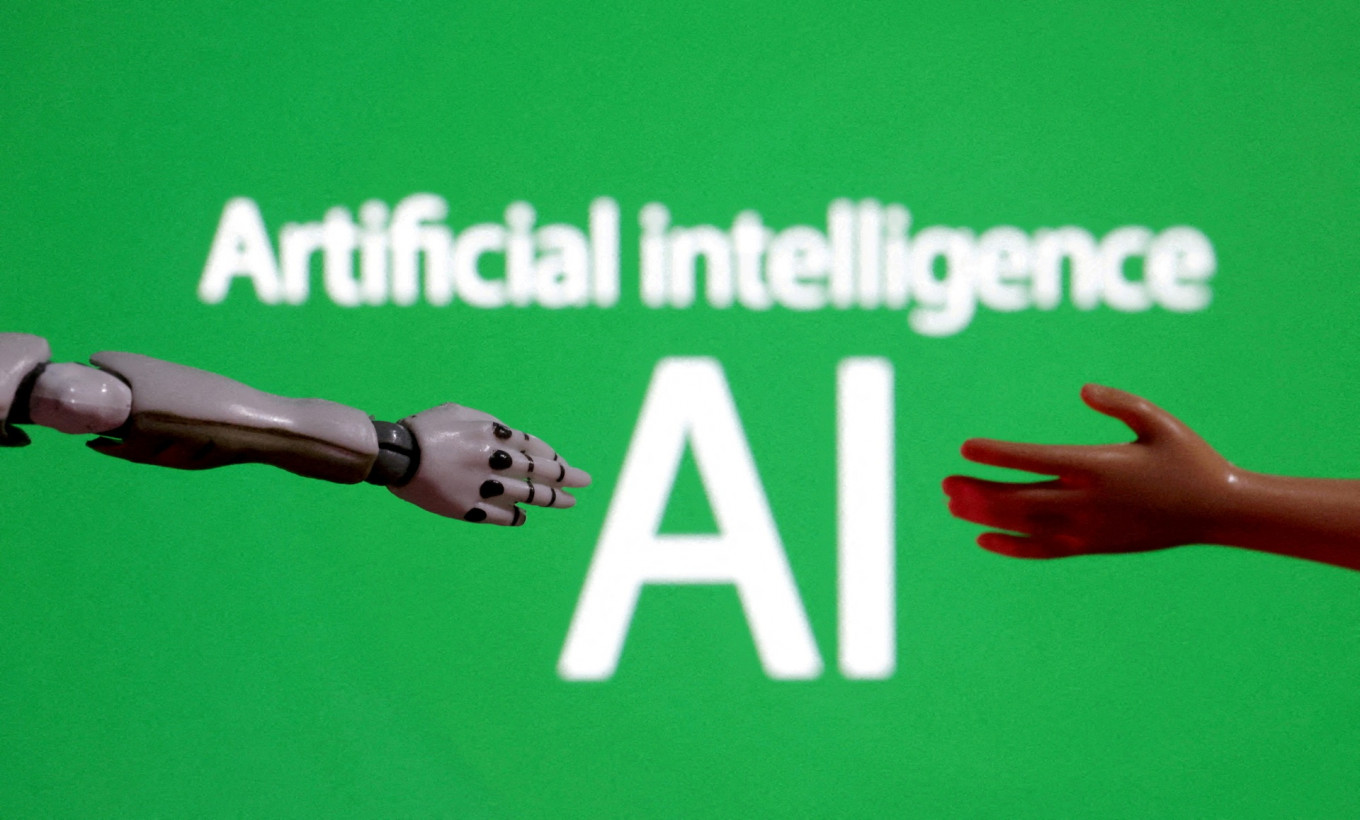
The hands of robot and human toys reach out to each other in front of a sign for artificial intelligence, in this illustration created on Dec. 14, 2023. (Reuters/Dado Ruvic)
Earlier this year, a 17-year-old boy in Turkey receiving treatment for a psychiatric disorder was hospitalized after prolonged interactions with an AI chatbot appeared to reinforce his delusional beliefs. Although the case occurred outside of Indonesia and there is no definite evidence that artificial intelligence was the primary cause of his psychosis, clinicians raised an important concern: whether conversational AI may unintentionally validate or reinforce distorted thinking in people who are already psychologically vulnerable. Similar cases have begun to emerge internationally, prompting the same concern among clinicians.As millions of Indonesian students increasingly rely on AI for not only schoolwork but also for companionship and emotional support, could similar cases emerge here as well?