Get the latest news and updates from Dawn
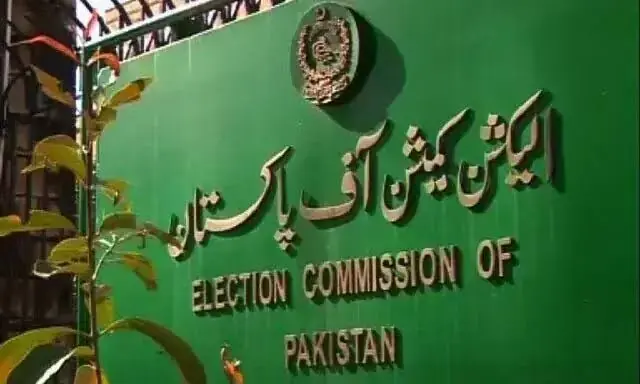
ON the surface, the Punjab cabinet’s decision to allocate funds for local government elections is a welcome step towards restoring a democratic tier of governance that has remained absent for more than four years — in fact, for much longer in practical terms.
After years of premature dissolution, court-mandated reinstatement, repeated delays and legal and administrative manoeuvring, the allocation suggests that Punjab is finally preparing to hold polls that were constitutionally due by April 2022. The timing, however, is difficult to ignore.
The announcement comes only days after the interior minister, with the public endorsement of DG ISPR, argued that creating new provinces or administrative units could improve governance. The sudden will to revive LGs may well be aimed at demonstrating that devolution to the grassroots can improve governance and that LGs offer an alternative to redrawing provincial boundaries as proposed by certain quarters.
That argument would have carried weight had Punjab chosen to establish a genuinely empowered LG system. Unfortunately, it has done the opposite. The existing Punjab LG law is devolution only in name. While it provides for elected councils, it concentrates meaningful administrative and financial authority in the hands of the provincial government and bureaucracy, making elected local representatives dependent on the goodwill of officials for even routine decisions.