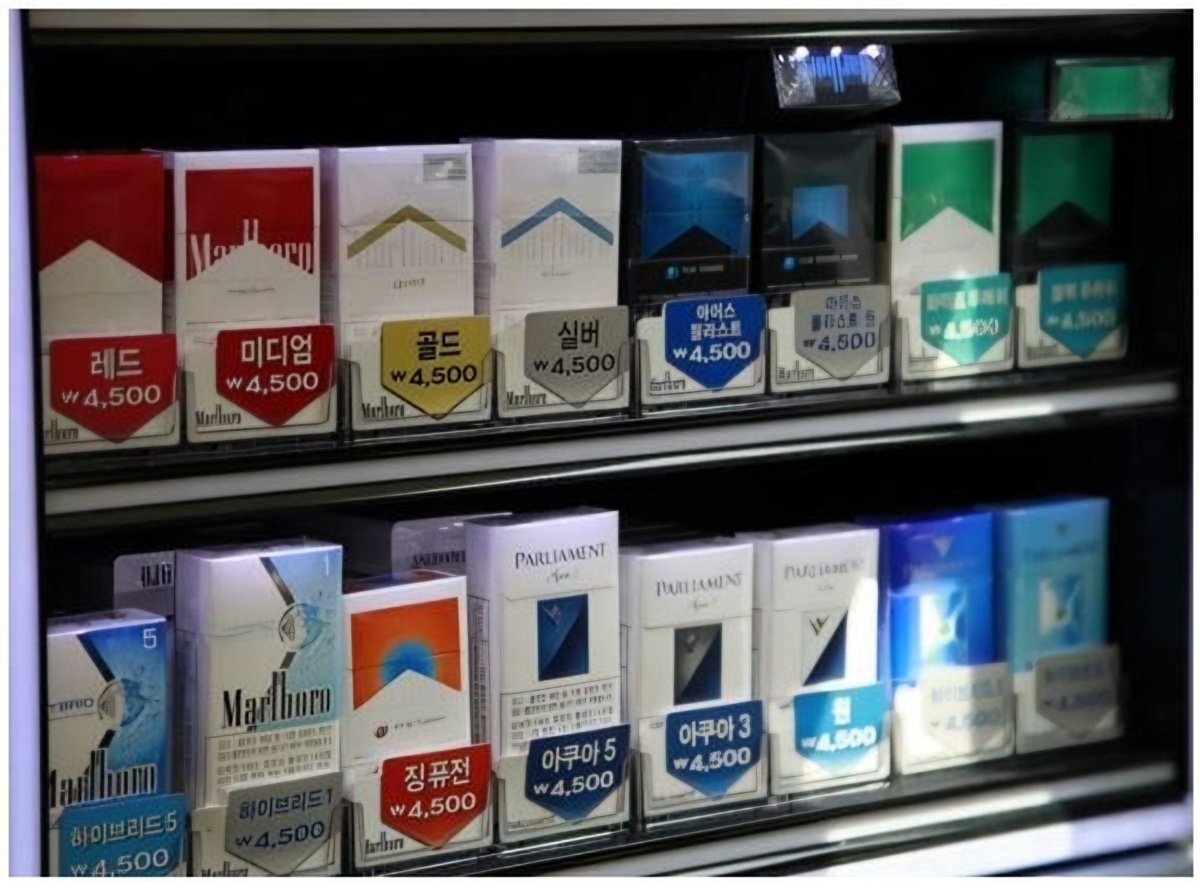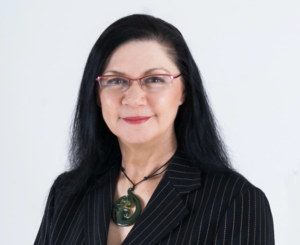
Marewa Glover (Smoke Free Sweden) By Marewa GloverEvery year, smoking kills more than 68,000 South Koreans. Yet instead of making it easier for people to move away from cigarettes, South Korean policy continues to make that transition harder.It taxes some safer nicotine products more heavily than cigarettes, tells people who smoke that all nicotine products are equally harmful and regulates lower-risk alternatives as though they were combustible tobacco.The result is predictable: progress against smoking has stalled.A new report by Smoke Free Sweden, Tale of Two Nations: South Korea v Sweden, shows it does not have to be this way.In Sweden, adult daily smoking has fallen to just 5.3 percent, barely one-third of South Korea’s 15.3 percent. The Swedes’ rapid progress towards official smoke-free status has been achieved by acknowledging that the true enemy is not nicotine. The true enemy is smoking.Instead of treating every nicotine product as equally dangerous, Sweden recognized the science that the overwhelming harm from smoking comes from inhaling toxic smoke produced by burning tobacco.It gave adults who smoked access to lower-risk nicotine products including snus, nicotine pouches and vapes. Those products were taxed according to their lower risk and allowed to compete with cigarettes.The results have been extraordinary. Sweden has reduced smoking by 54 percent since 2012. It now records the lowest rates of tobacco-related disease and death in Europe, including a male lung cancer death rate 61 percent below the European Union average. This is decades of evidence from an entire population.My own country, New Zealand, has reached the same conclusion through a different route. While Sweden’s success has been driven largely by snus and nicotine pouches, New Zealand embraced vaping as a smoking cessation tool. It backed that approach with clear public health messaging and supportive regulation. The results have been equally striking.Since 2018, New Zealand has accelerated its decline in smoking at an unprecedented pace. Major research published in The Lancet found that the annual rate of decline increased from 3.5 percent before vaping was actively promoted to 17.9 percent between 2018 and 2023, a fivefold acceleration. Adult smoking prevalence has fallen to just 6.8 percent, roughly half the level recorded only a few years ago.Sweden and New Zealand reached these results through different products but the same principle. They gave people who smoke appealing alternatives that carry far lower health risks than cigarettes and ensured those alternatives remained accessible. Their experience demonstrates that countries can dramatically reduce smoking when public policy reflects the evidence on relative risk.As the Two Nations report shows, South Korea continues to ignore those lessons. For decades, South Korea has relied on conventional tobacco control. Taxes, smoking bans and public education helped drive smoking down from 22.9 percent in 2010 to 15.3 percent today. But that progress has largely run out of steam.Existing policies are no longer producing meaningful declines, while smoking continues to impose a huge human and financial cost.Today, nicotine pouches are taxed at more than four times the rate applied to cigarettes under South Korea’s current weight-based tax system. They face many of the same marketing and sales restrictions as combustible tobacco, while online sales are banned altogether.These policies reduce the appeal and affordability of products that could help people to leave cigarettes behind.As someone who has spent decades researching smoking cessation and public health in New Zealand, I have seen how evidence-based harm reduction can rapidly cut smoking rates.South Korea has the opportunity to achieve the same progress. The question is whether policymakers will follow the evidence or continue protecting the cigarette market through policies that make safer alternatives harder to access.The stakes are high, and Sweden and New Zealand have shown the way forward. South Korea’s leaders now need to decide how many more lives will be lost before they follow their example.Marewa Glover is a behavioural scientist and director of the Centre of Research Excellence: Indigenous Sovereignty & Smoking, based in Auckland, New Zealand. The views expressed in this column are her own. — Ed.
[Contribution] Why South Korea is losing the struggle againt smoking
By Marewa Glover Every year, smoking kills more than 68,000 South Koreans. Yet instead of making it easier for people to move away from cigarettes, South Korean
664 words~3 min read