In public health, progress is often measured not just by ambition, but by outcomes. Few countries today illustrate this more clearly than Sweden – a Nation that is quietly redefining what success in tobacco control can look like.
With adult smoking rates now at approximately 5.6 per cent, Sweden stands on the threshold of becoming Europe’s first smoke-free society. This is not simply a statistical milestone; it represents a profound shift in how nicotine consumption is understood and managed at a population level. While much of the world continues to frame tobacco control in binary terms (use versus abstinence), Sweden’s experience highlights a more nuanced reality: the greatest gains often come not just from eliminating risk, but from reducing it.
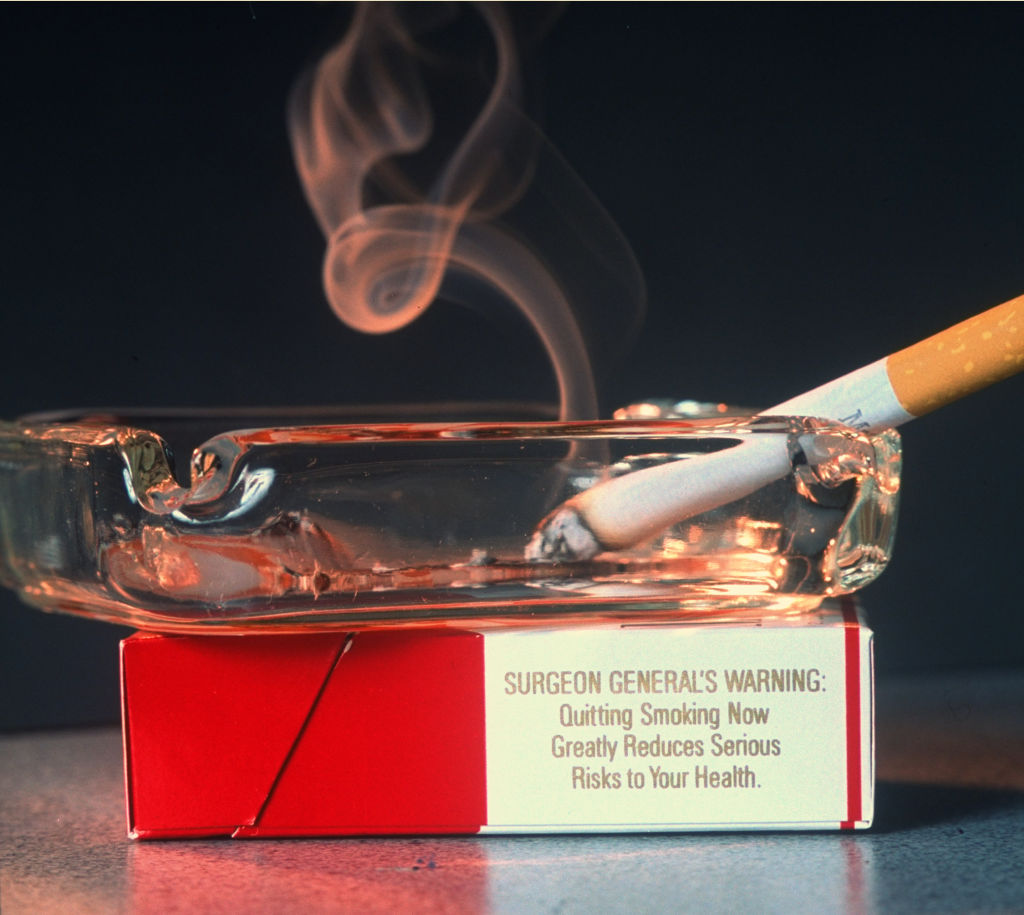
At the heart of this transformation lies the concept of tobacco harm reduction. The principle is straightforward but powerful. There is a distinct difference between Tobacco and not all nicotine-delivery products carry the same level of risk. Combustible cigarettes, which involve burning tobacco and inhaling smoke, remain the most direct and traditional form of nicotine consumption. By contrast, non-combustible alternatives, such as smokeless oral products and modern nicotine delivery systems, significantly reduce exposure to the toxic byproducts of combustion of tobacco.