AI/CAI MENG/CHINA DAILY
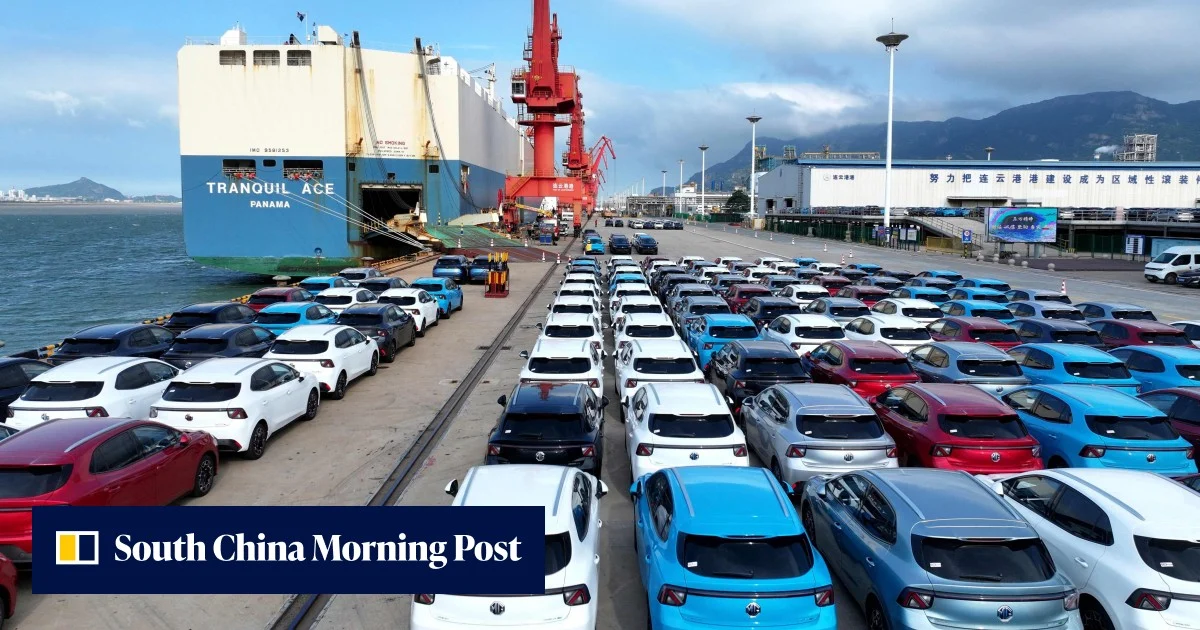
China is emerging as an increasingly important source of stability for the global trading system. Despite mounting geopolitical tensions, rising protectionism and slowing global trade growth, the country has both the capacity and structural foundations to sustain relatively stable trade expansion.
According to customs data, China's two-way trade in goods reached 25.47 trillion yuan ($3.77 trillion) in the first half, up 16.9 percent year-on-year. The significance of this performance becomes clear only when viewed against the broader backdrop of the global economy.
International trade does not exist in a vacuum. It reflects the interaction between production and demand across economies. Unlike domestically driven investment or fiscal stimulus, trade cannot simply be created by administrative decisions. It depends on whether producers have goods or services the market needs and whether buyers are willing to purchase them. In that sense, trade is both a consequence of economic growth and a driver of it. Stronger economies generate demand for imports and exports, while expanding trade in turn supports growth by creating markets, jobs and investment opportunities.
This relationship makes the international context especially important. With the International Monetary Fund recently lowering its forecast for global trade growth this year, China's trade performance is all the more notable because it has come amid slowing global commerce rather than a synchronized global recovery.