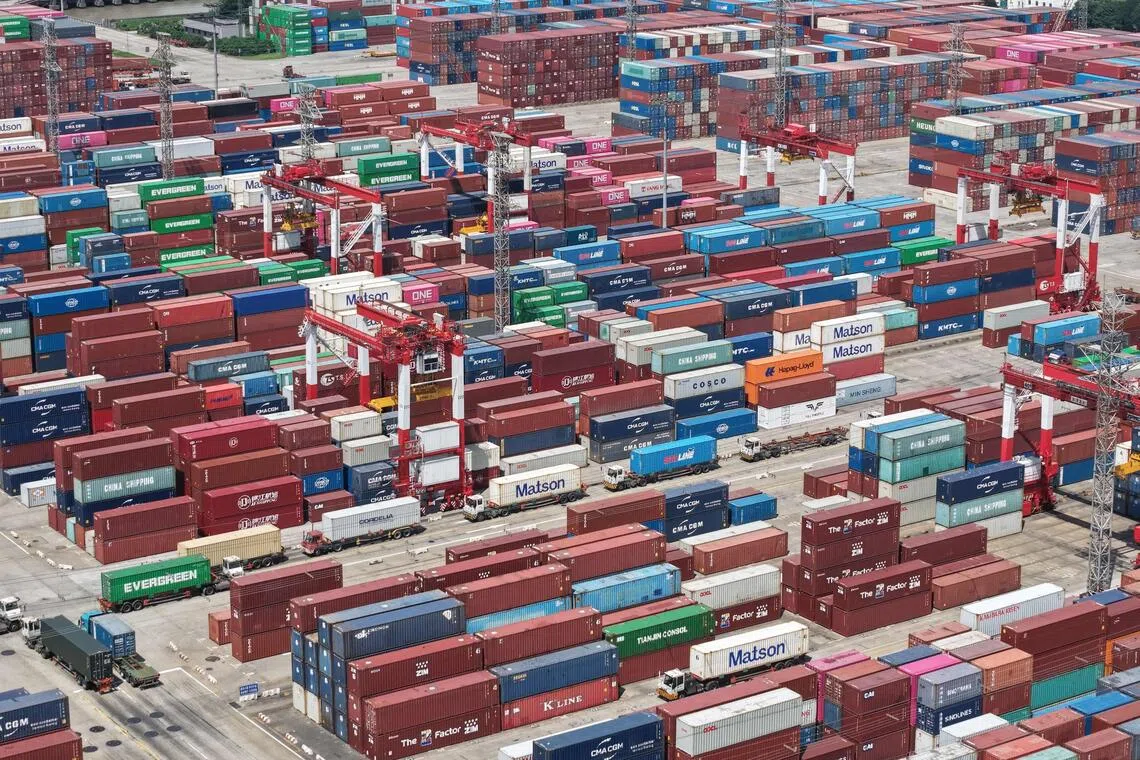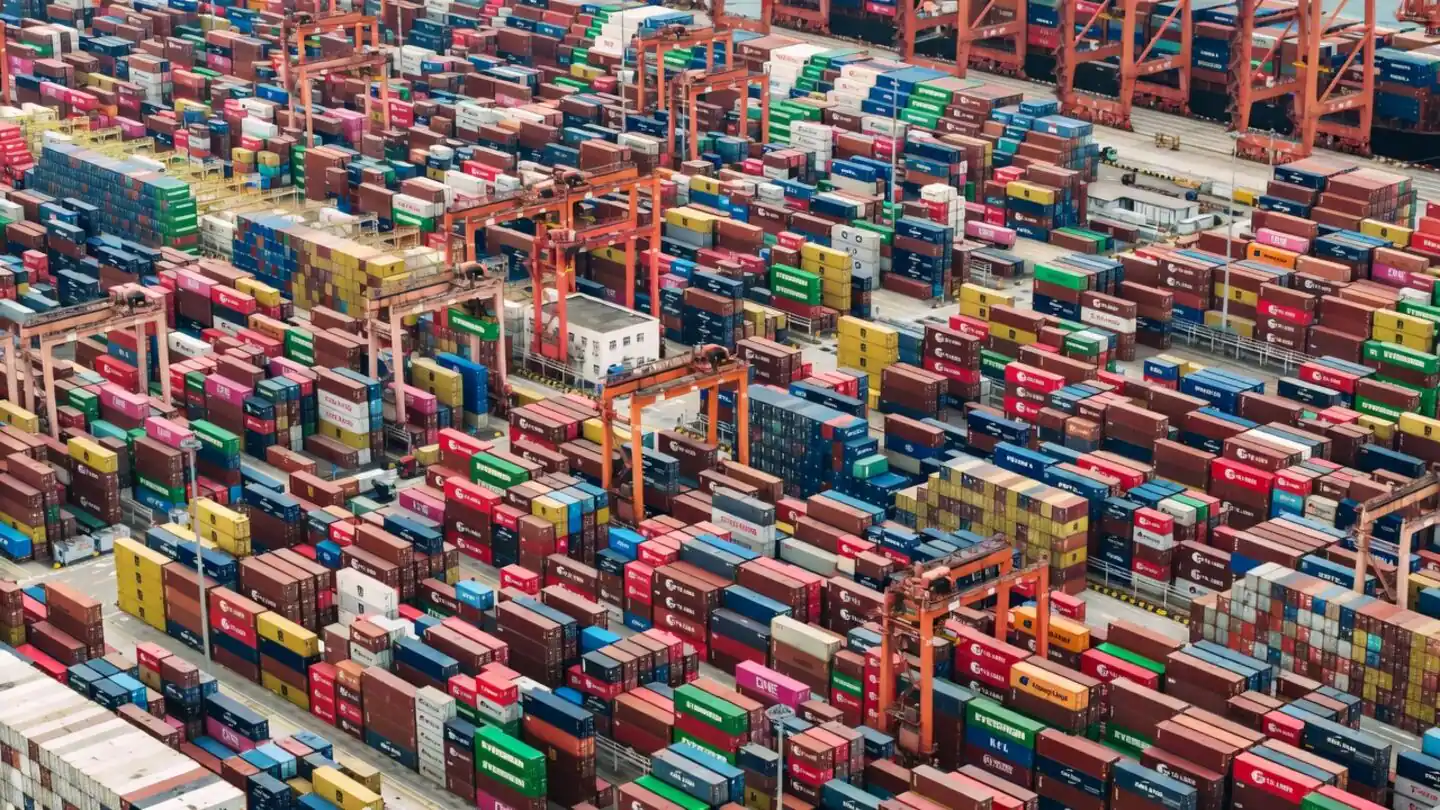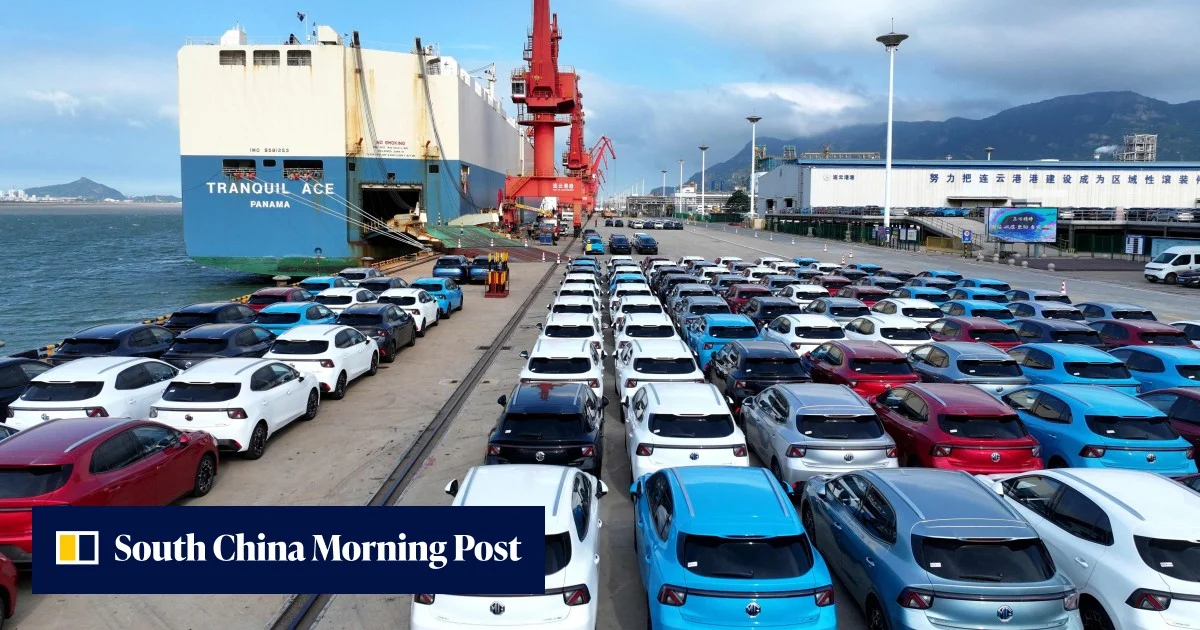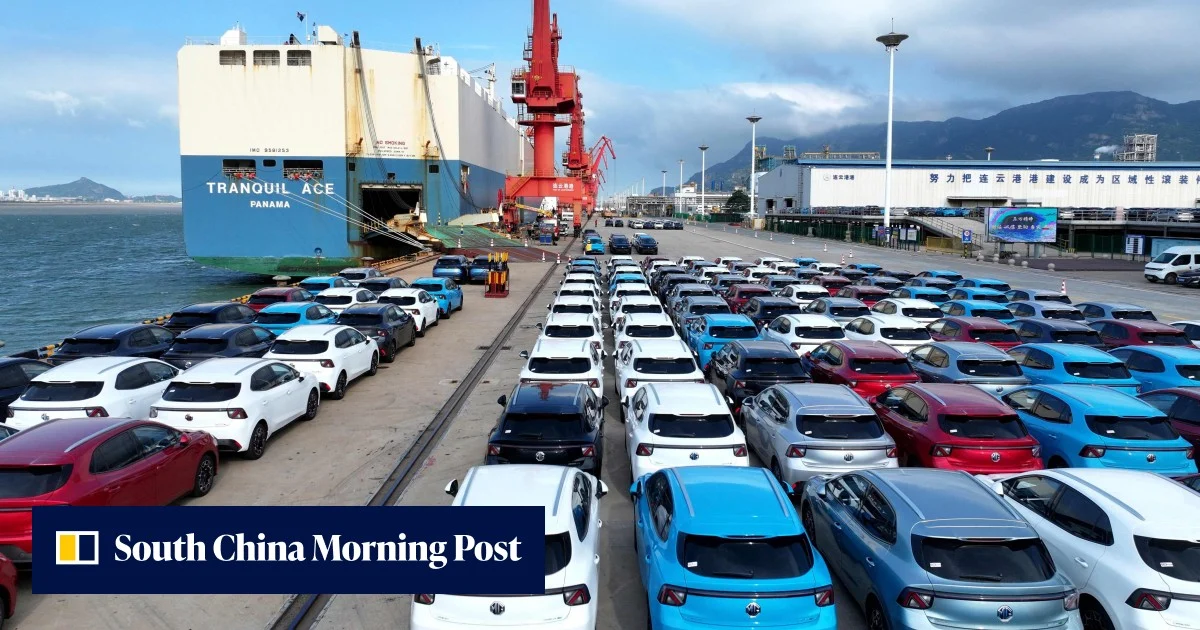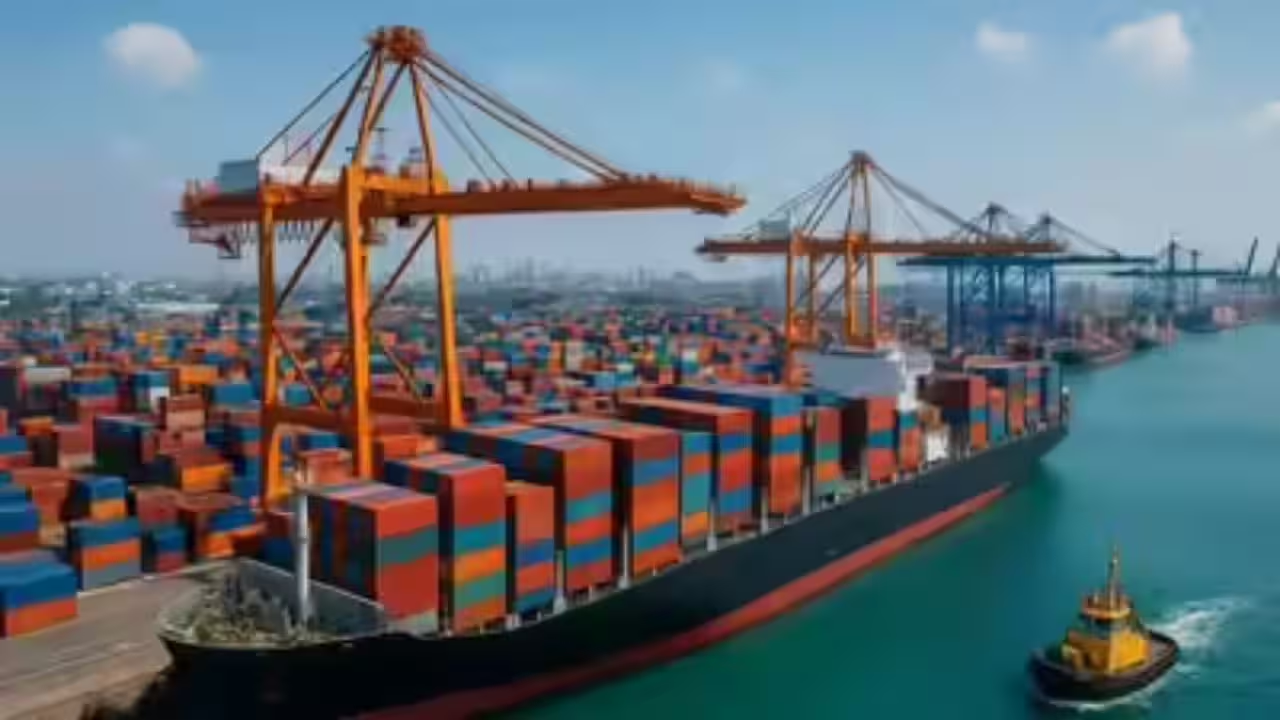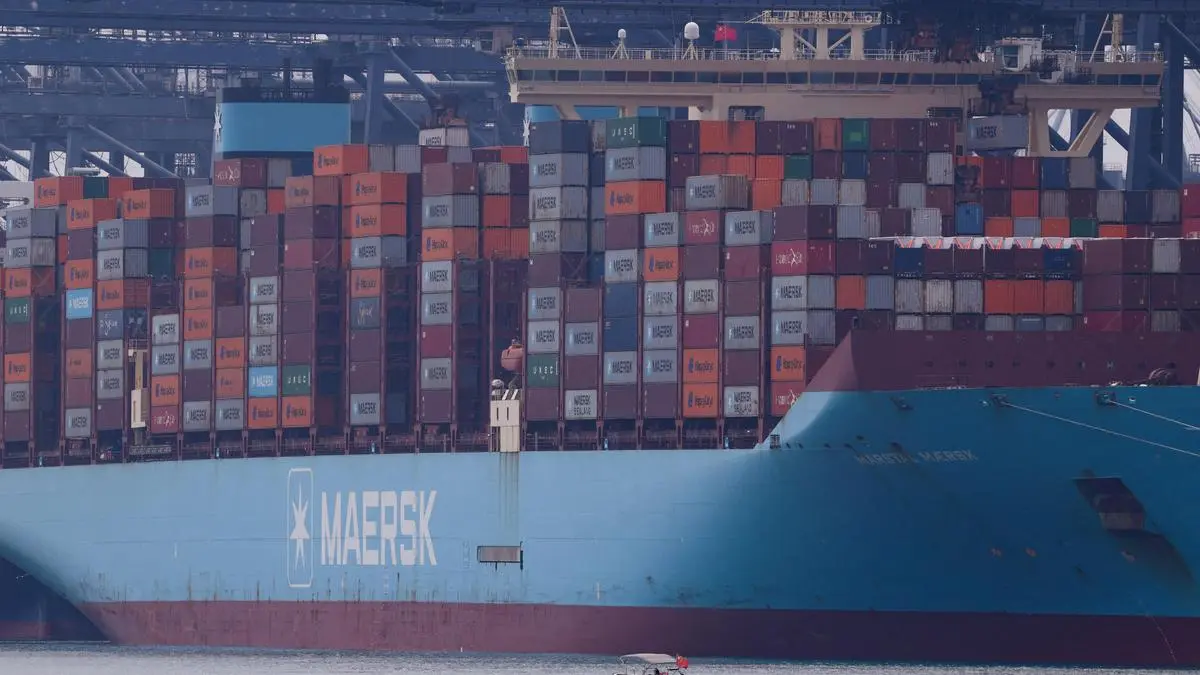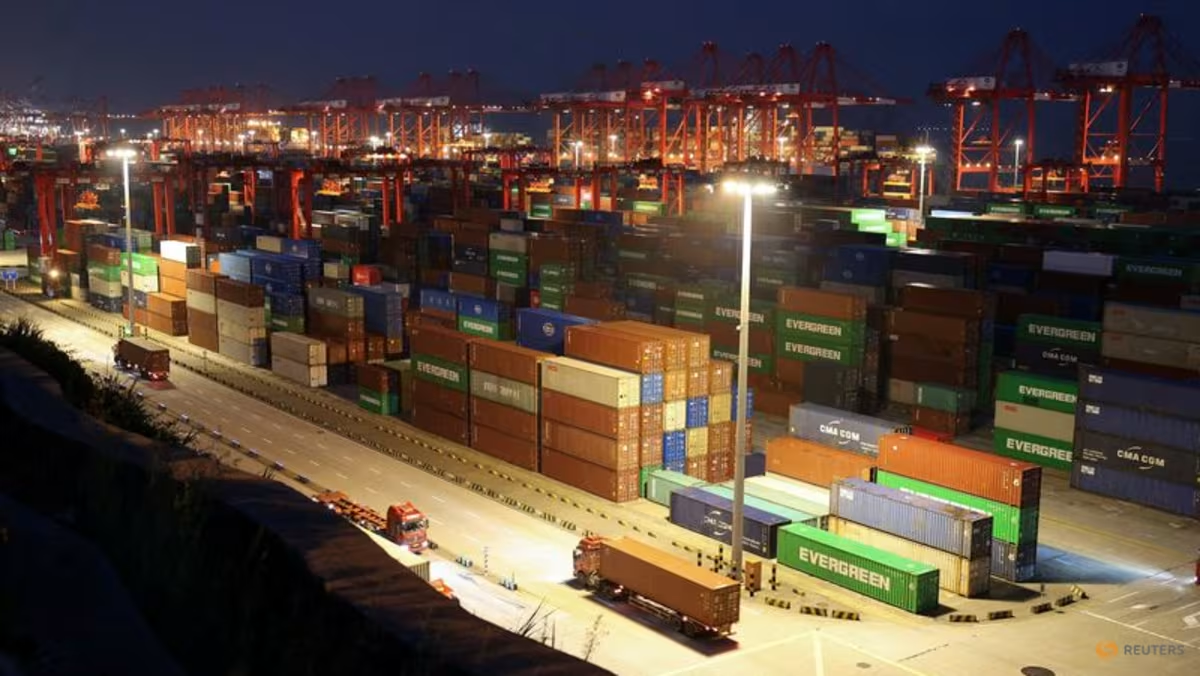
China’s exports continued to outperform expectations in July, underscoring the country's reliance on overseas demand. Strong global appetite for artificial intelligence (AI)-related products and a rush to ship goods ahead of higher U.S. tariffs supported trade, according to customs data reported by Reuters.Exports rose 23.9% year-on-year in U.S. dollar terms in July, slowing from June’s 27% increase but exceeding the 22.2% growth forecast in a Reuters poll. Imports also remained robust, climbing 27.5% from a year earlier, compared with a 36% rise in June and broadly matching expectations of 27.9%.The latest figures highlight the resilience of China’s export sector at a time when domestic consumption remains subdued, and investment activity continues to weaken. Overseas demand has become an increasingly important pillar of growth for the world's second-largest economy.AI Demand Drives High-Tech ExportsAccording to Reuters, demand linked to the global AI infrastructure buildout remained a major driver of Chinese exports.Customs data showed that semiconductor exports nearly doubled in value during the first seven months of the year, while overall high-tech exports surged 40.7%, reflecting strong international demand for advanced technology products.Analysts expect AI-related demand to continue supporting exports through the third quarter and the remainder of the year as investment in data centers, chips and AI infrastructure remains elevated globally.The strength in advanced manufacturing contrasted with weakness in traditional industries. Exports of ceramics fell 28.3%, while toy shipments declined 9.7%, highlighting the uneven performance across China's manufacturing sector.U.S. Trade Restrictions Add Fresh PressureTrade tensions between China and the United States continued to intensify despite resilient export growth.Last month, the United States prohibited imports of new Chinese-made humanoid and quadruped robots as well as connected power inverters. On Thursday, Washington also introduced price floors and a 15% tariff on products made from polysilicon, a key raw material used in semiconductors and solar panels.According to Reuters, economists believe the broader impact on China's exports may remain limited because exporters have diversified toward markets including Europe and Southeast Asia. However, sector-specific restrictions and widening trade imbalances could encourage additional protectionist measures from other countries.Following the release of the trade data, the Chinese yuan hovered near a three-and-a-half-year high, while domestic stock markets posted gains.Auto Exports Remain StrongChina’s automobile exports remained another bright spot in July.Exports of vehicles increased by more than 50% in both value and volume terms as Chinese automakers continued expanding aggressively into overseas markets amid weak domestic demand.Meanwhile, crude oil imports declined 24.3% year-on-year, although they recovered from June’s near-decade low as previously purchased lower-priced cargoes reached Chinese ports.Growth Outlook Still Faces ChallengesDespite strong exports, China's broader economic momentum remains under pressure.The country's economy expanded 4.3% in the second quarter, below Beijing's official annual growth target range of 4.5% to 5%, according to Reuters.Chinese policymakers have emphasized accelerating the shift toward new growth engines, particularly advanced manufacturing and high-tech industries, while reducing reliance on traditional sectors.However, economists believe strong export performance could reduce the urgency for authorities to introduce larger stimulus measures aimed at boosting household consumption or reviving the struggling property sector.Trade Surplus NarrowsChina’s overall trade surplus narrowed to $112.5 billion in July from $125.62 billion in June.The trade surplus with the United States also edged lower to $28 billion, compared with $28.86 billion a month earlier.Exports to the United States rose 17% from a year earlier despite mounting tariffs. Shipments to the European Union increased 16%, although imports from the bloc slipped 1.4%.Trade with South Korea remained particularly strong, with exports rising 46.6% and imports jumping 97.8%, supported by demand for high-tech products.Export Momentum May Delay Domestic StimulusAccording to Reuters, exporters and U.S. importers continued accelerating shipments during July ahead of higher U.S. tariffs that took effect after a temporary levy expired.The United States introduced a new 12.5% tariff on Chinese imports during July as part of its broader trade policy, with further tariff increases possible following additional investigations into industrial overcapacity.With manufacturing activity and exports continuing to provide strong support for economic growth, analysts believe Beijing may feel less pressure to roll out aggressive measures aimed at strengthening domestic consumption, increasing household income or providing broader support to the property market.China Stocks Gain on Strong Trade DataChinese and Hong Kong equities advanced after the stronger-than-expected trade figures reinforced confidence that exports will remain a key support for the economy despite rising geopolitical tensions and fresh U.S. trade restrictions.According to Reuters, China's blue-chip CSI 300 Index rose around 0.8%, while the Shanghai Composite Index gained about 0.5% following the release of the customs data. In Hong Kong, the Hang Seng Index edged up roughly 0.2% as investors welcomed the resilience in China's export sector.Technology and export-oriented stocks were among the key gainers, supported by continued strength in AI-related demand and robust shipments of semiconductors and other high-tech products. The data also helped lift market sentiment as investors viewed the solid trade performance as evidence that external demand continues to offset weakness in China's property sector and sluggish domestic consumption.However, analysts cautioned that the rally could remain sensitive to further U.S. trade measures and the possibility of additional protectionist actions by other trading partners. While the latest export numbers suggest China's manufacturing sector remains competitive globally, escalating tariff disputes and geopolitical uncertainties could weigh on market sentiment in the months ahead.
Global Market: China’s July exports top forecasts as AI boom and pre-tariff rush fuel trade growth
China's July exports rose 23.9%, beating forecasts as strong global AI-related demand and pre-tariff shipments boosted trade. High-tech and semiconductor exports remained key growth drivers despite fresh U.S. restrictions. Robust exports supported markets, but weak domestic demand, slowing investment and escalating trade tensions continue to cloud China's broader economic outlook.
TL;DRAI
Esportazioni cinesi di luglio +23.9% (vs 22.2% forecast), guidate da AI: semiconduttori raddoppiati, high-tech +40.7%. Supply chain chip stabile nel breve, ma dazi US accelerano diversificazione sourcing verso Europa e Asia Sud-Est.
871 words~4 min read