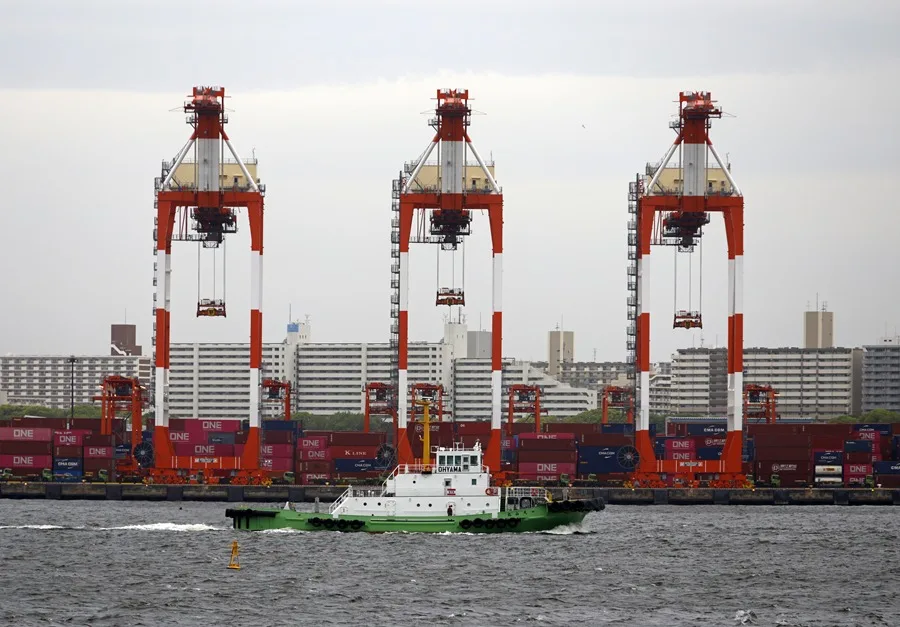
Japan’s current account surplus hit 17.43 trillion yen in the first half of the year, according to preliminary data from the Ministry of Finance. That’s roughly $115 billion flowing into the world’s fourth-largest economy on a net basis.
The number is nearly identical to the 17.51 trillion yen surplus posted in fiscal H1 2025, which itself represented a 14.1% year-over-year increase.
What’s driving the surplus
Japan’s current account surplus isn’t really about exports anymore. The real engine behind these numbers is investment income. Decades of corporate expansion and portfolio investment abroad mean Japanese companies and institutions collect enormous streams of dividends, interest payments, and royalties from foreign assets. This “primary income” category has become the dominant contributor to Japan’s surplus, consistently offsetting what has often been a trade deficit in goods.
Energy imports remain a persistent drag on Japan’s trade balance. Since the Fukushima disaster in 2011 forced the shutdown of most nuclear reactors, Japan has relied heavily on imported liquefied natural gas, coal, and oil.