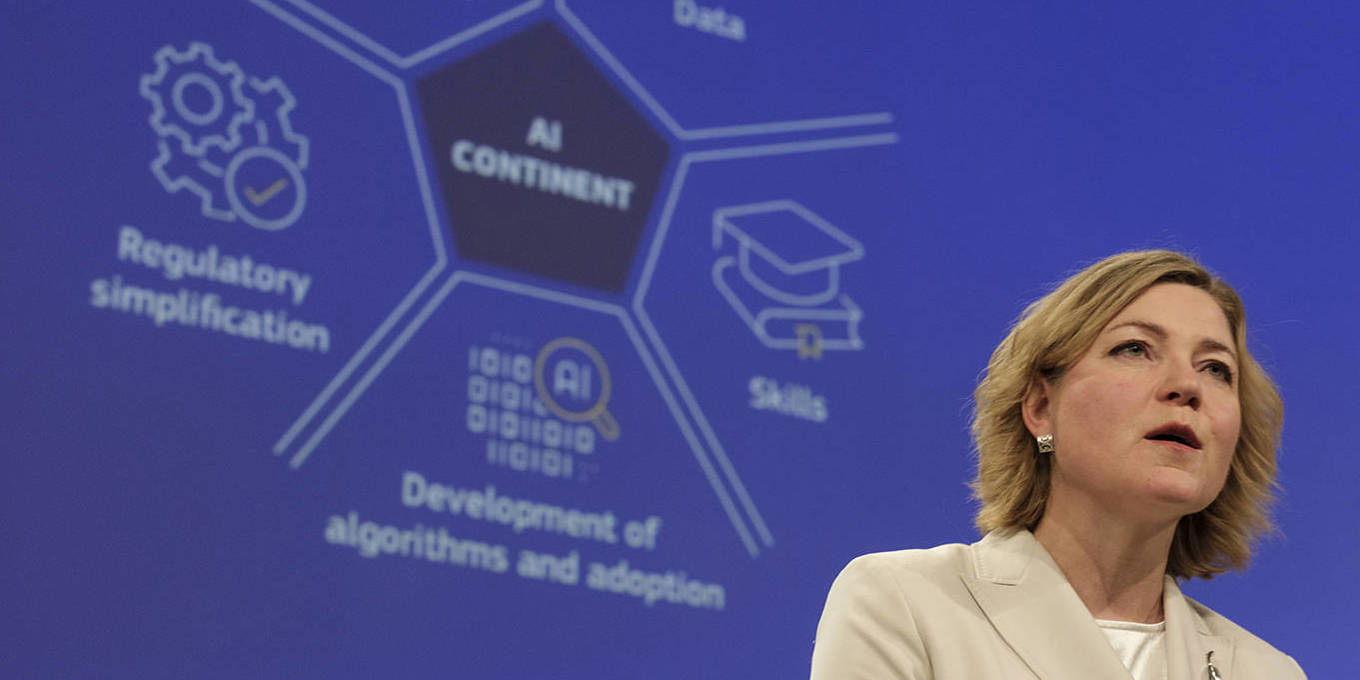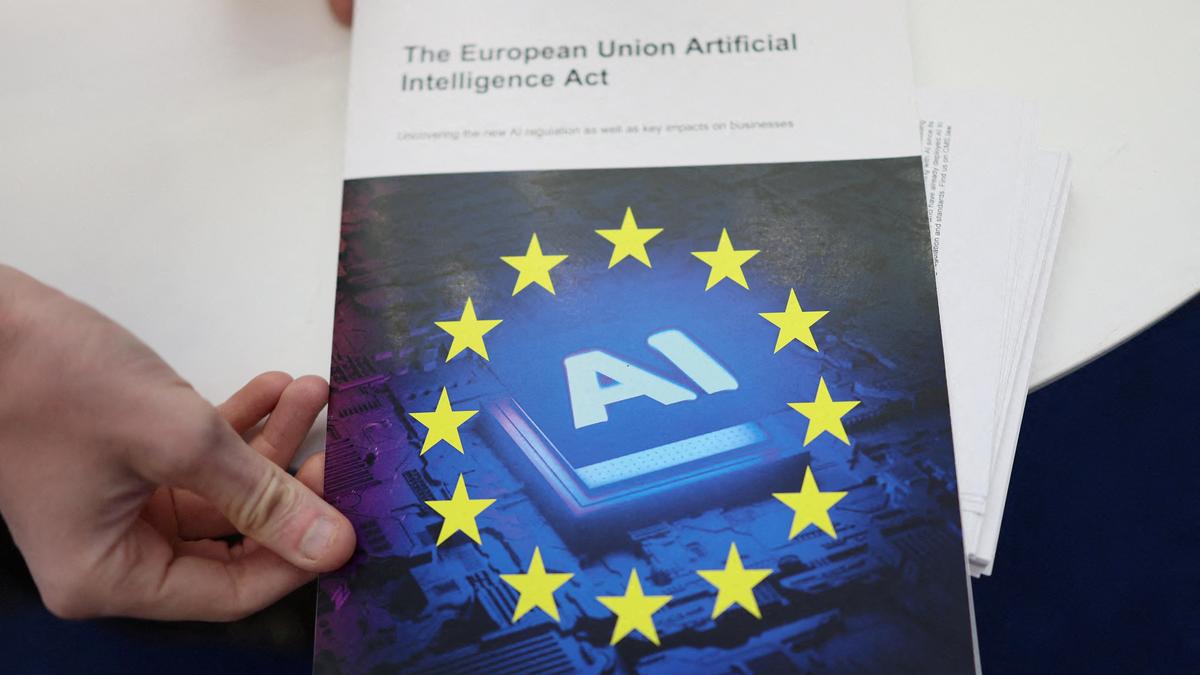
For years, critics of Europe’s AI strategy have made the same argument: while America builds artificial intelligence, Europe writes laws for it.
The EU AI Act became the clearest expression of that divide – a landmark attempt to govern AI that many saw as further proof that Europe was prioritizing rules over innovation.
Recent events suggest the debate may be changing. In June, U.S. restrictions temporarily blocked access to Anthropic’s advanced Fable 5 model, disrupting businesses and governments across Europe before the ban was lifted just weeks later.
Around the same time, OpenAI came under growing pressure to limit access to some of its most advanced capabilities, while Anthropic itself reportedly faced political scrutiny over restrictions it placed on the use of its models for autonomous weapons and mass surveillance.
Earlier this year, the Trump administration also reportedly threatened to reconsider government contracts with Anthropic after the company refused to allow its models to be used for certain military and surveillance applications.