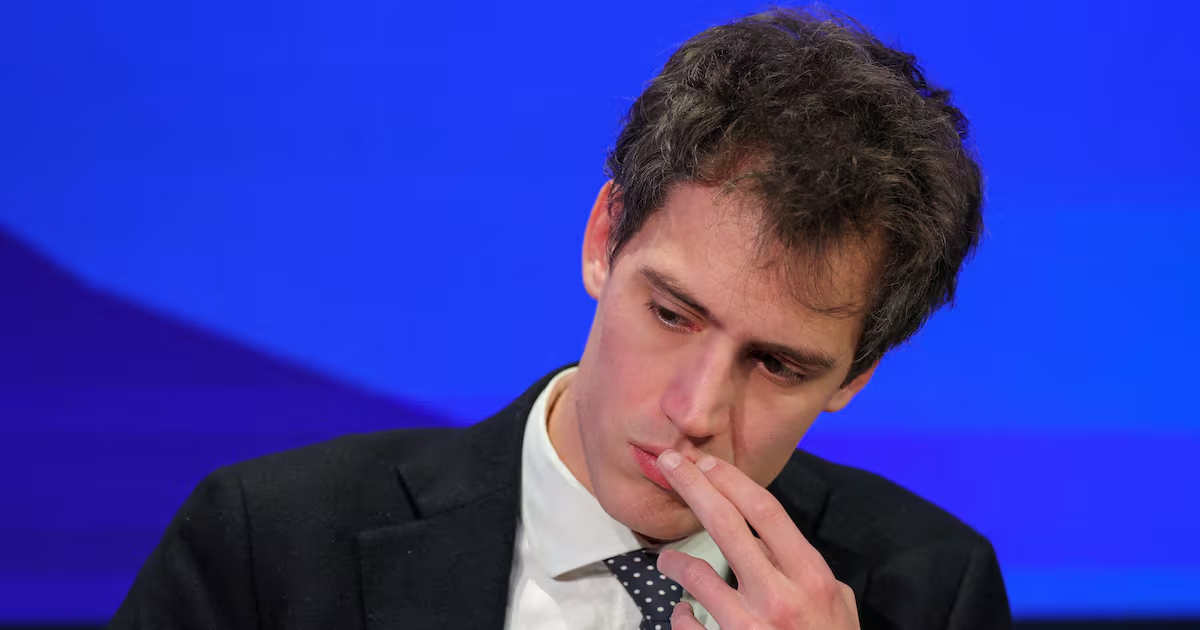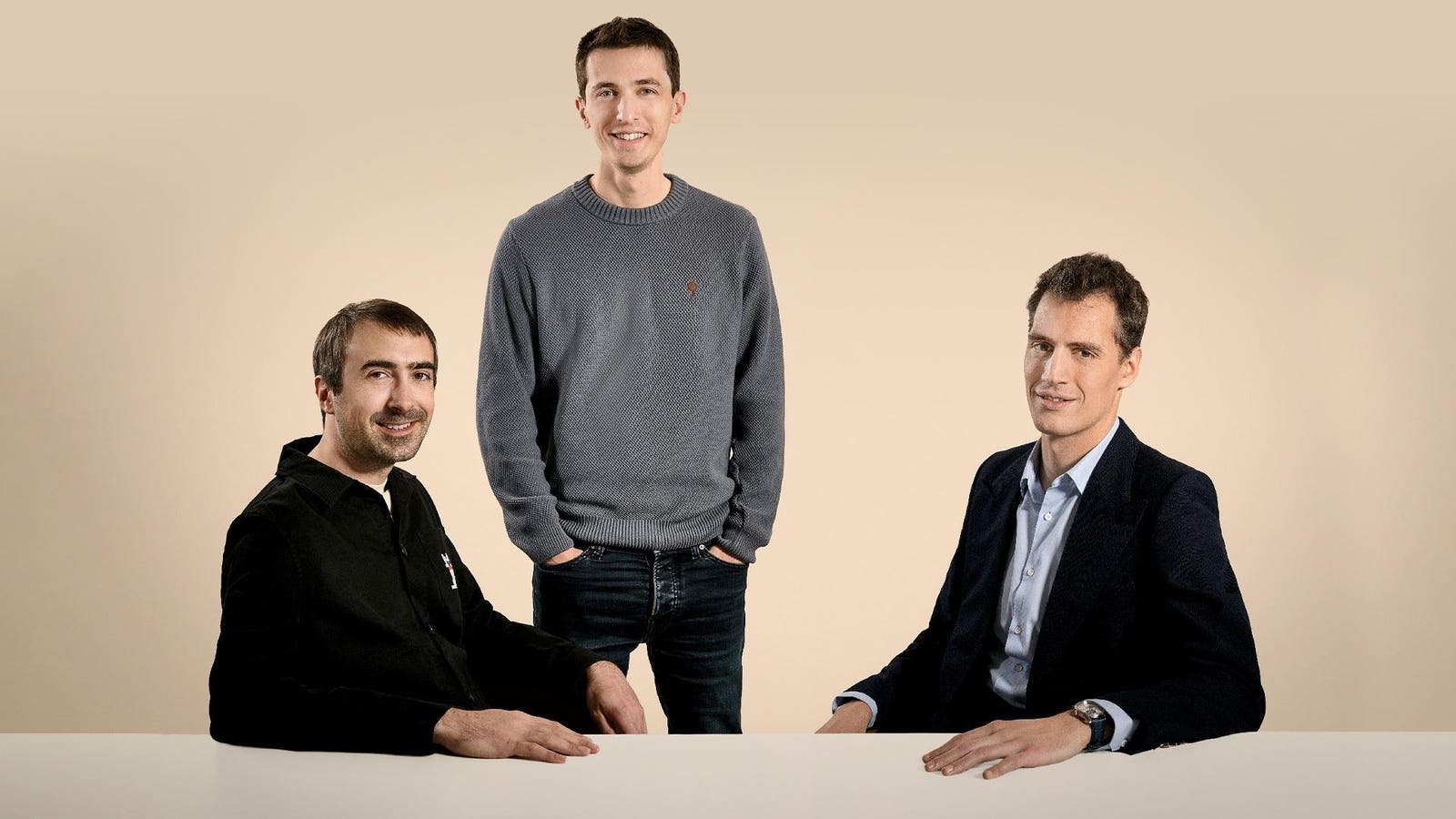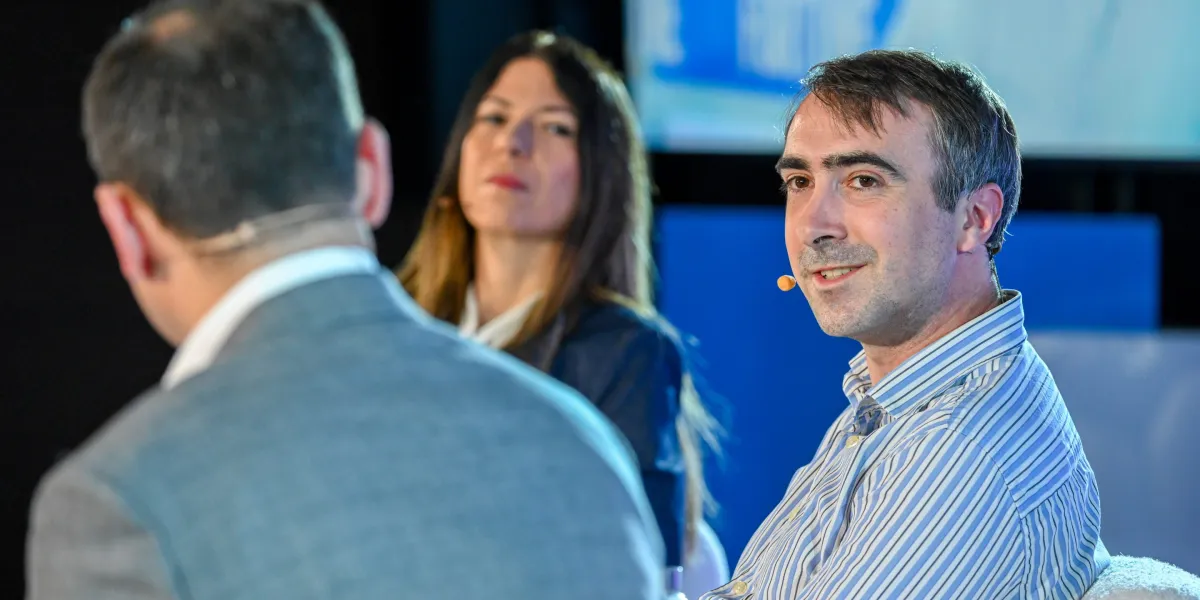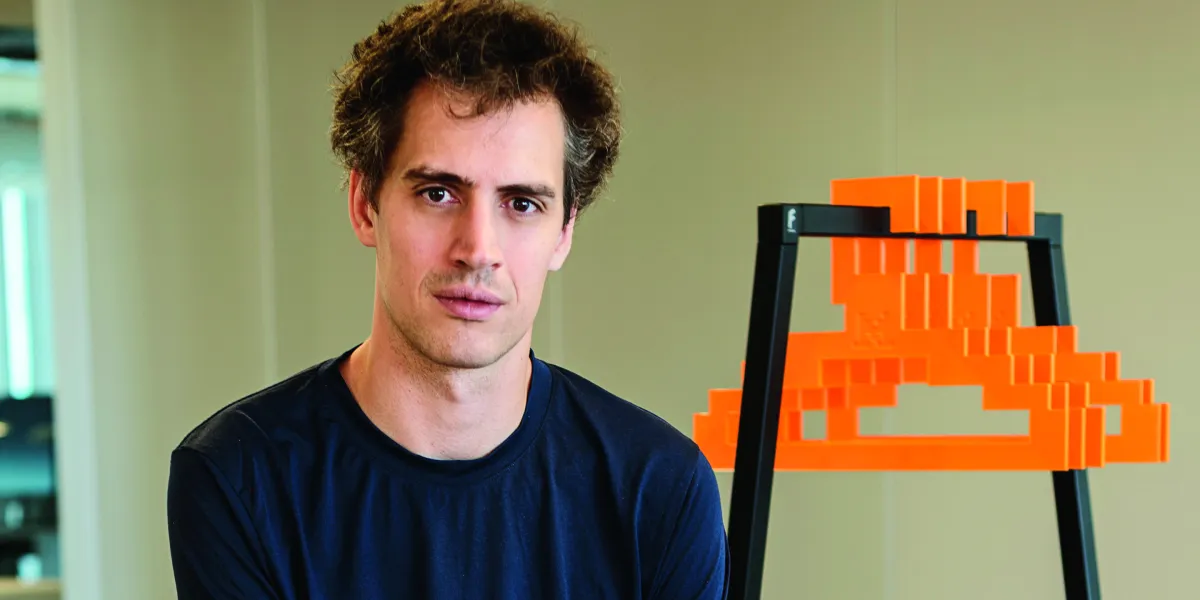
In May, Arthur Mensch walked into a largely empty hearing room to deliver an urgent warning to the French National Assembly. For 90 minutes, the CEO of Paris-based AI company Mistral laid out his case to a small, scattered audience of lawmakers: Europe had roughly two years to build its own AI infrastructure or risk becoming a “vassal state,” permanently dependent on American technology. France could not allow foreign AI models to become enmeshed in the country’s armed forces. That kind of dependency, he warned, would be “irreparable.”
Just one month later, a snap decision in Washington, D.C., proved Mensch’s point for him.
In June, the U.S. Commerce Department temporarily cut off foreign access to Mythos, a powerful AI model developed by Mistral’s San Francisco–based rival Anthropic. European firms and governments had been scrambling for access to the Anthropic model because of its advanced cyber capabilities: Tests showed the model could not only find software vulnerabilities but also exploit them autonomously, running full attacks end-to-end.
Those same capabilities let defenders spot flaws and build patches before adversaries gained access to AI as advanced as Mythos. Given the national security stakes, the prospect of foreign governments being able to suspend access to critical models at a whim started to feel like an unacceptable risk. Suddenly Mistral—the front-runner among Europe’s handful of frontier AI builders—looked like Europe’s most viable alternative.