Pax Silica and the Luzon Economic Corridor (LEC) have attracted both excitement and suspicion. Supporters see opportunities for major investment in semiconductors, artificial intelligence (AI), electronics and advanced manufacturing. Critics raise concerns about foreign influence, land use, tax incentives, environmental risks and whether Filipinos will truly benefit. These concerns are valid. But before judging the projects, it is important to understand their purpose.
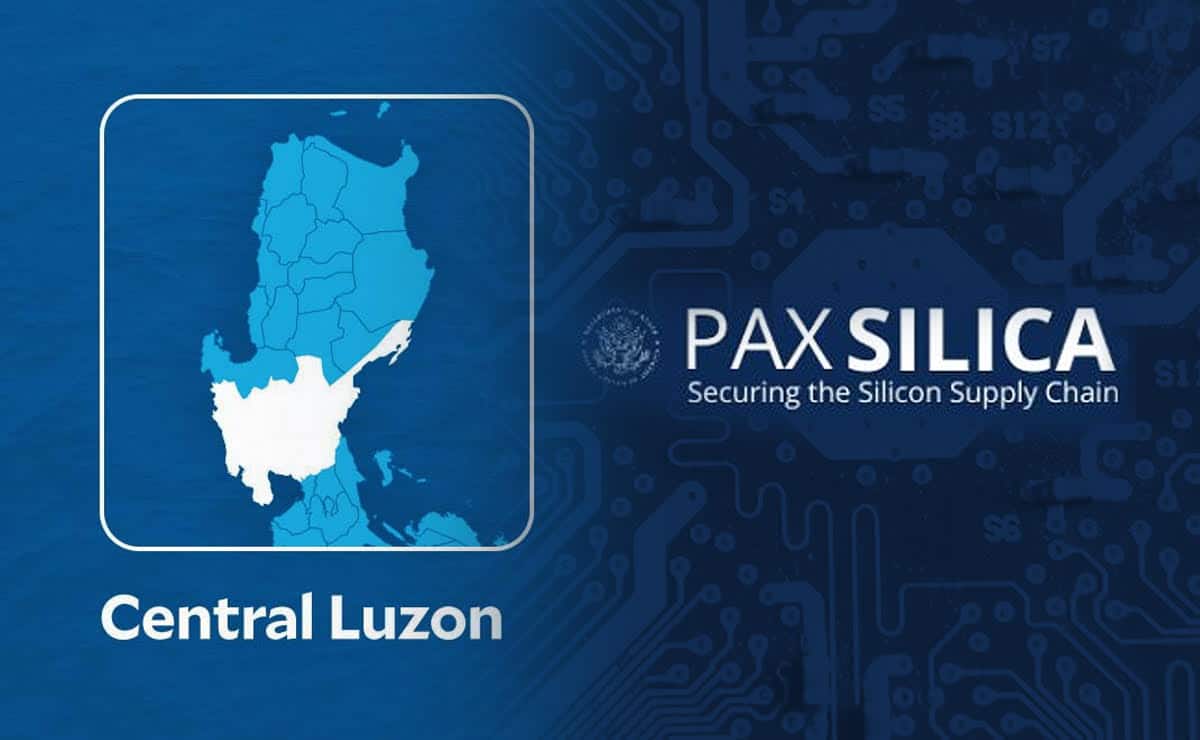
The LEC aims to improve the flow of goods, people, energy and information across Subic, Clark, Metro Manila and Batangas by linking ports, airports, industrial zones and cities through better infrastructure. Its core idea is that investment follows reliable transport, power and digital systems.
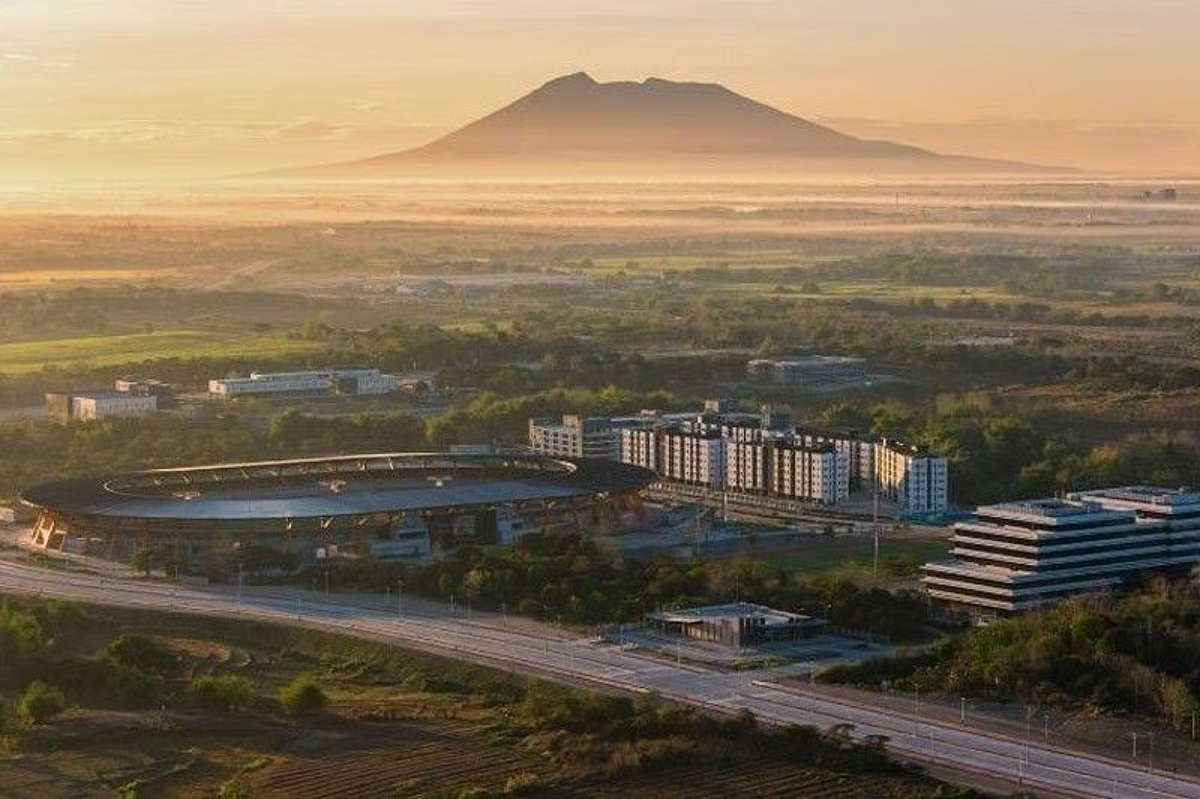
Pax Silica is linked to efforts to strengthen global supply chains for advanced technologies and has been associated with proposals for a major tech and industrial hub in New Clark City. In simple terms, the corridor builds the infrastructure while Pax Silica seeks to attract the industries that will use it.
Article continues after this advertisement
The challenge is ensuring they work together. Infrastructure without users is wasteful, while industries without reliable systems cannot grow. This leads to the central question: Can the Philippines turn these initiatives into lasting national capability? That is the capability test.FEATURED STORIES