The Philippines’ participation in Pax Silica has been welcomed as a significant step toward integrating the country more deeply into the global technology economy. By strengthening cooperation in semiconductors, artificial intelligence, critical minerals, and other strategic industries, the initiative promises new investments, better jobs, and expanded opportunities for economic growth.
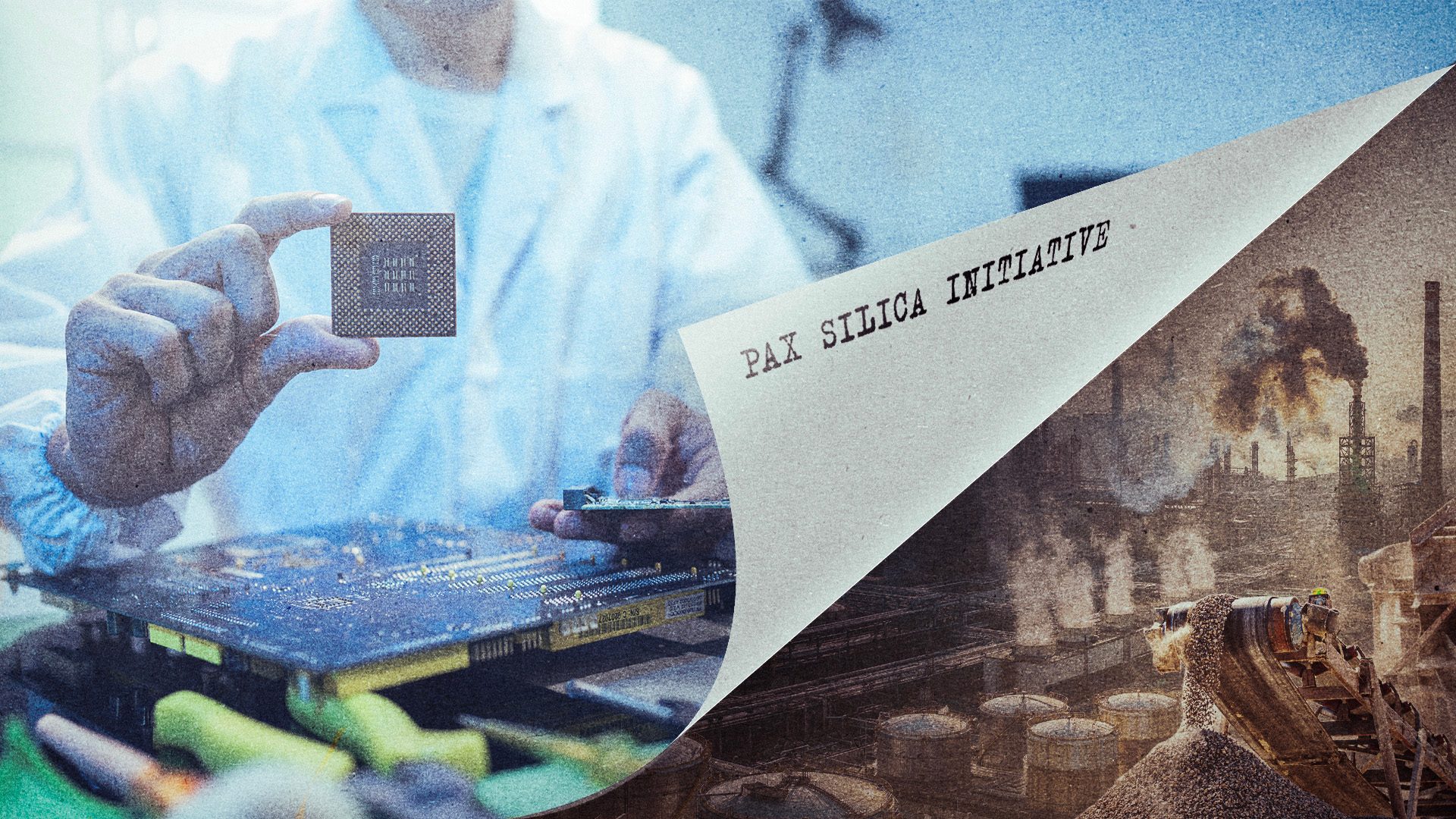
These are worthwhile objectives. But before celebrating Pax Silica as an unqualified success, Filipinos should ask a more fundamental question: Will this initiative help the Philippines become a creator of advanced technology, or merely reinforce its role as a supplier of labor, resources, and manufacturing capacity?
That question lies at the heart of the principal criticism of Pax Silica.
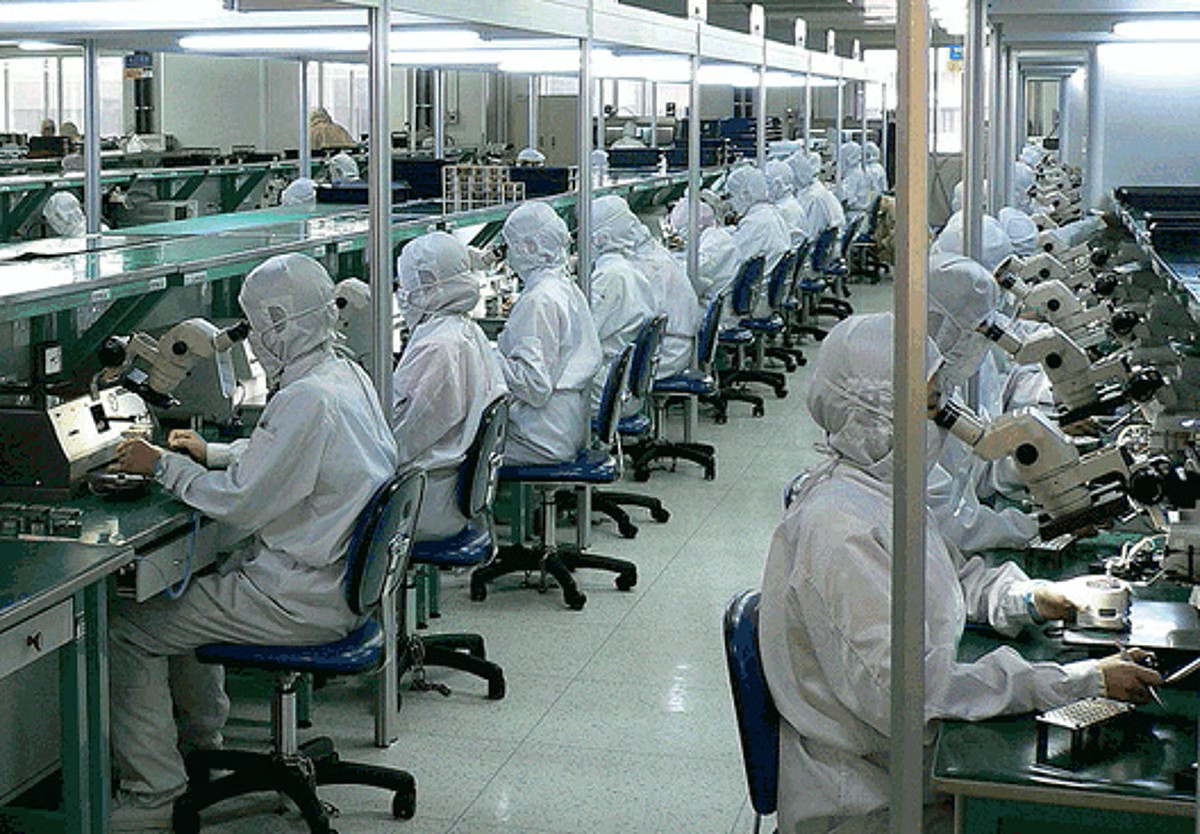
The Philippines already occupies an important place in the global semiconductor industry through electronics manufacturing, assembly, and testing. These activities provide employment and generate valuable export earnings. Yet, the greatest economic rewards continue to accrue elsewhere: to the countries and companies that own the patents, design the chips, develop artificial intelligence, and control the intellectual property that drives the digital economy.