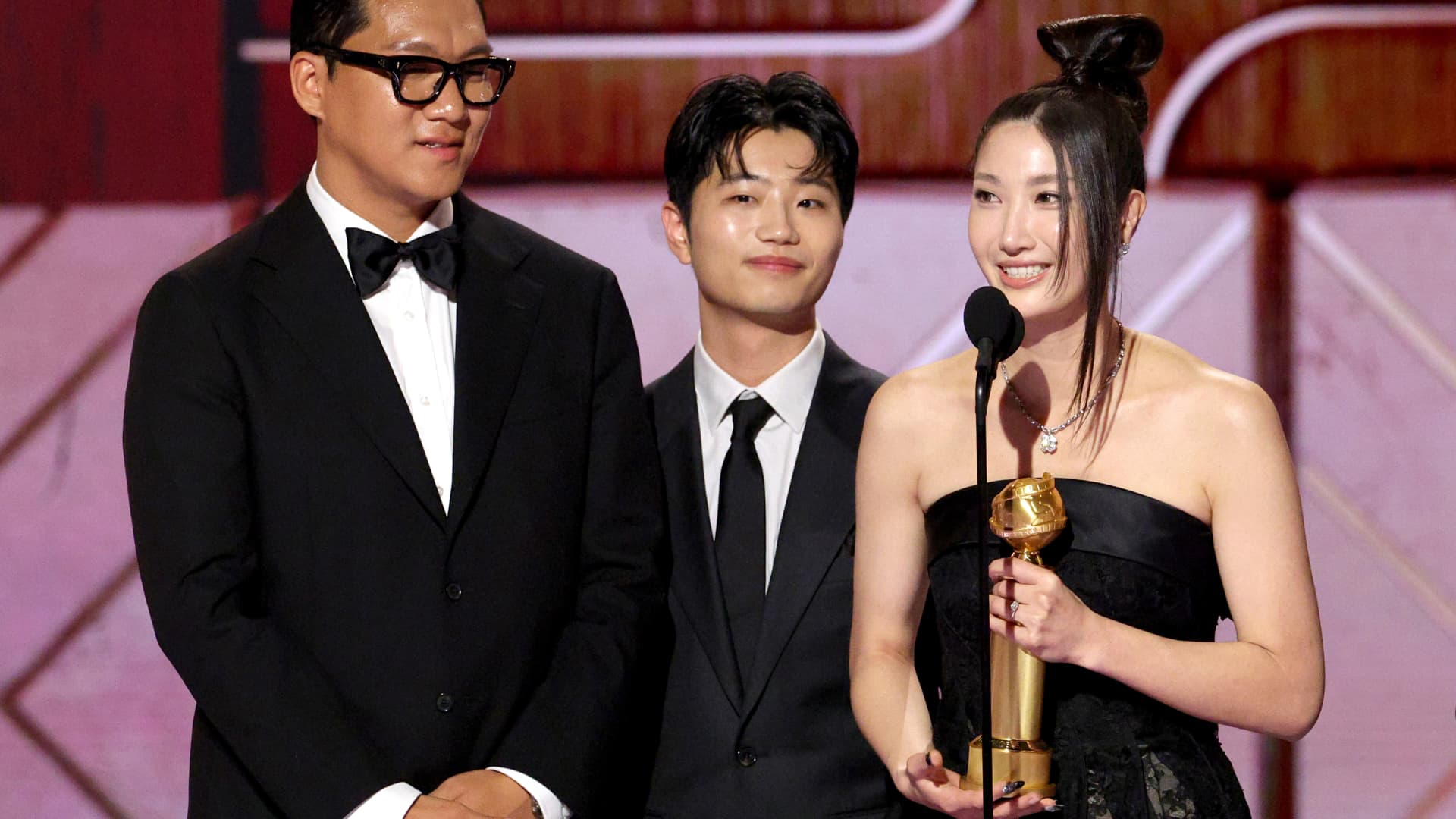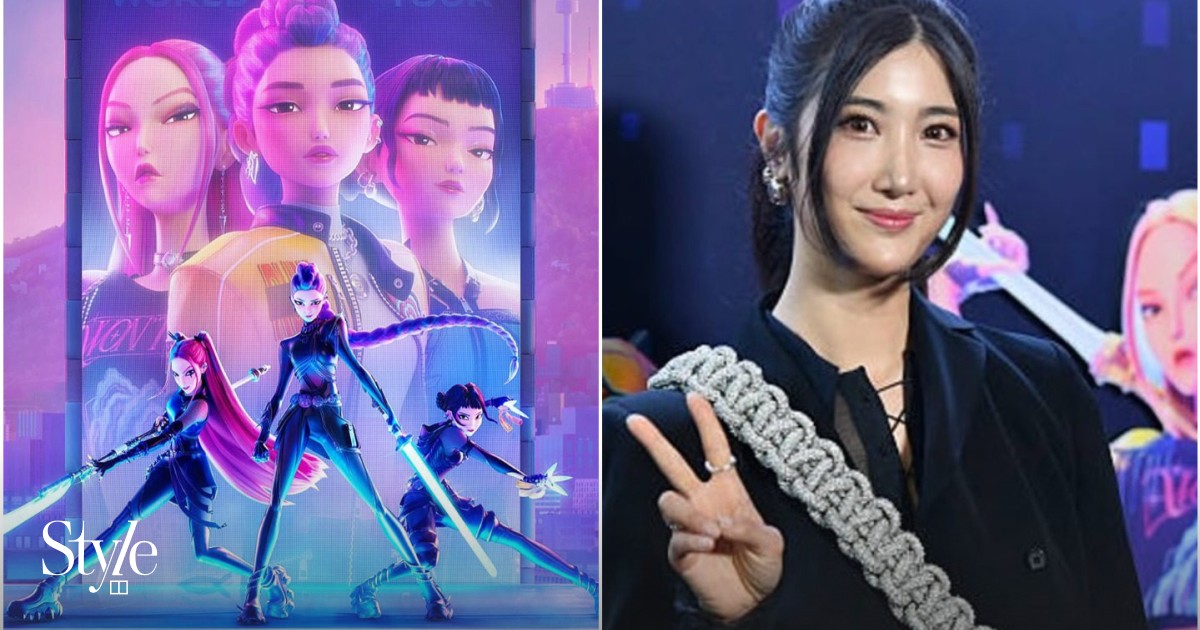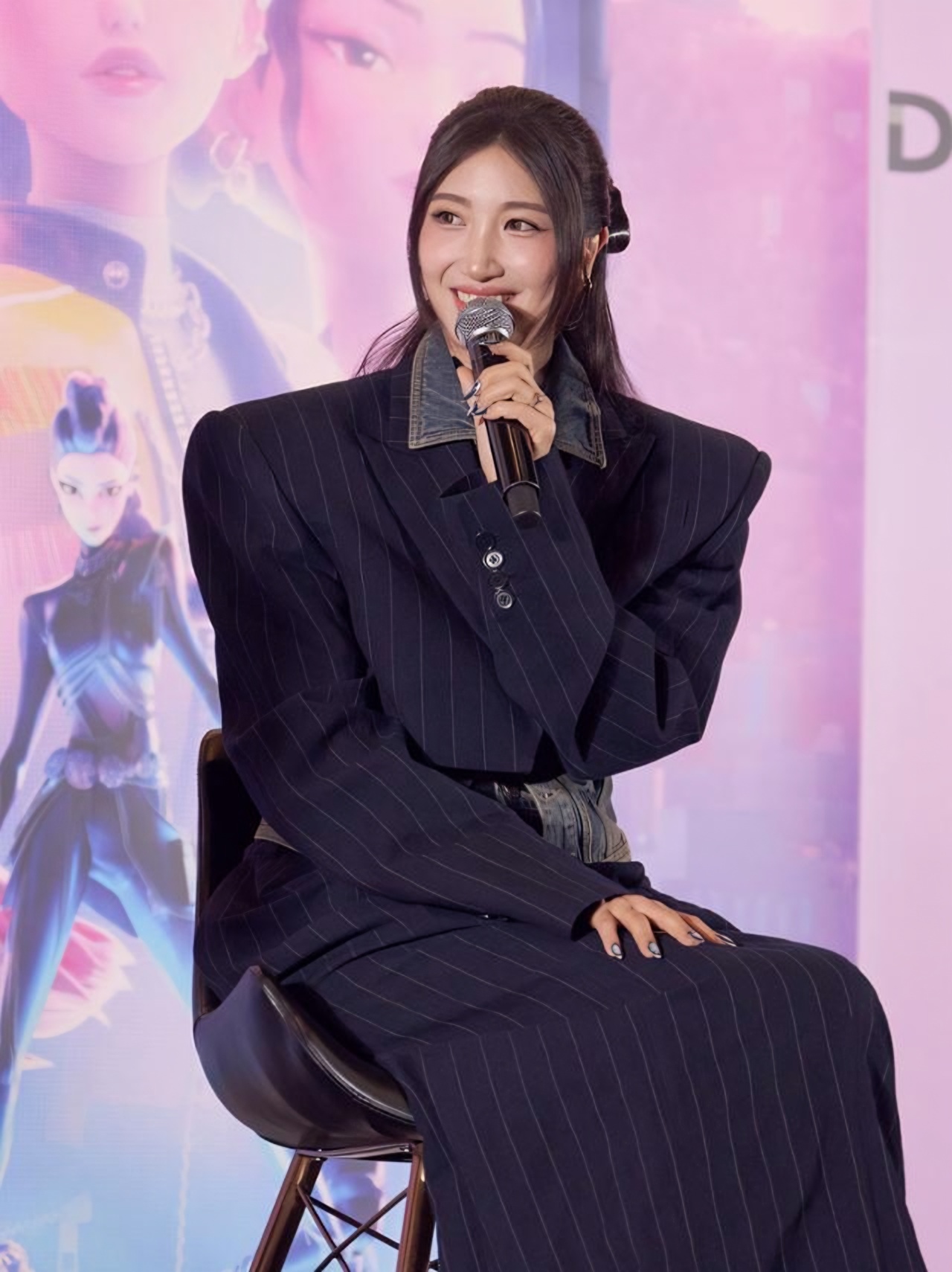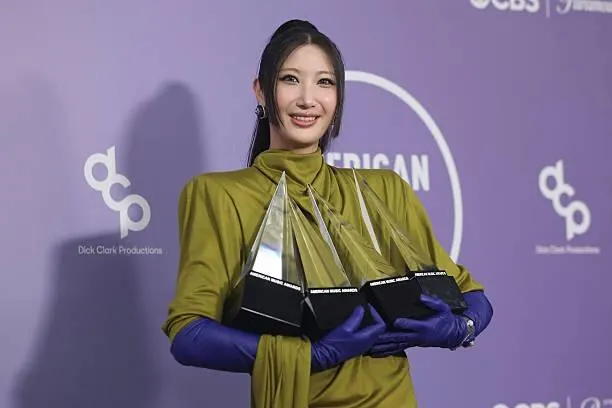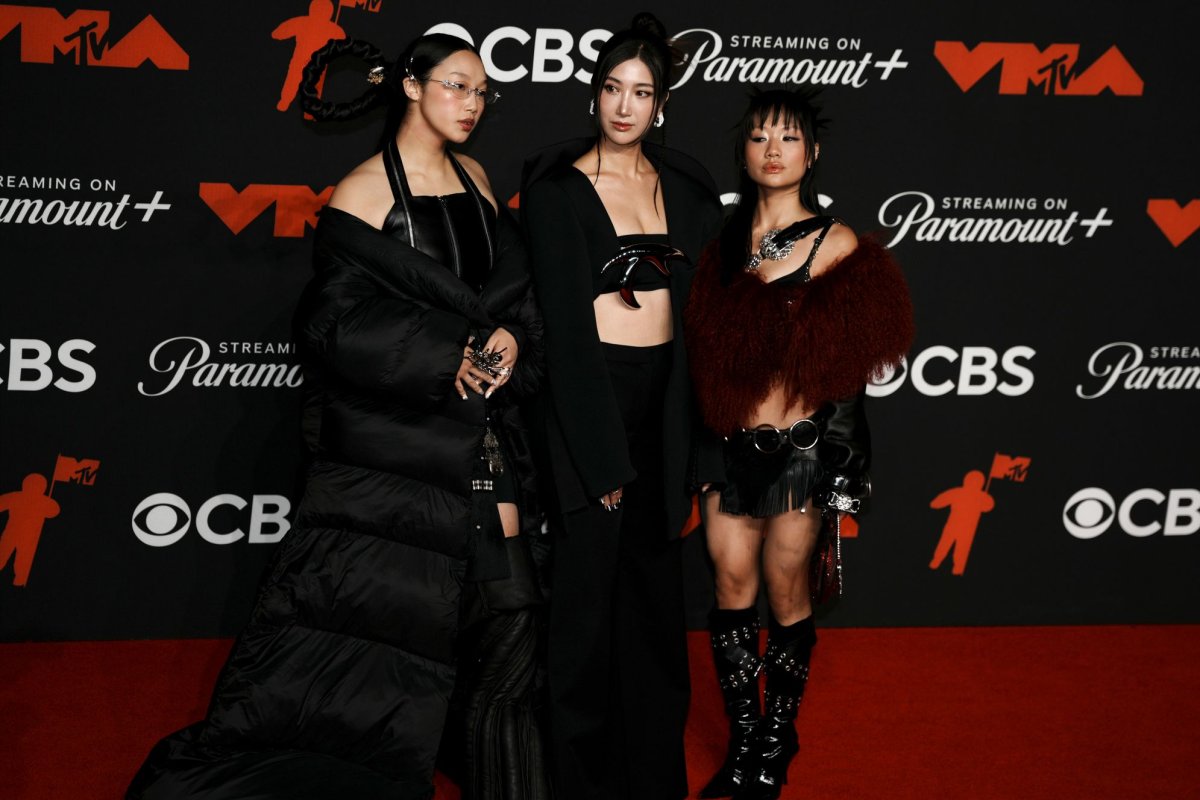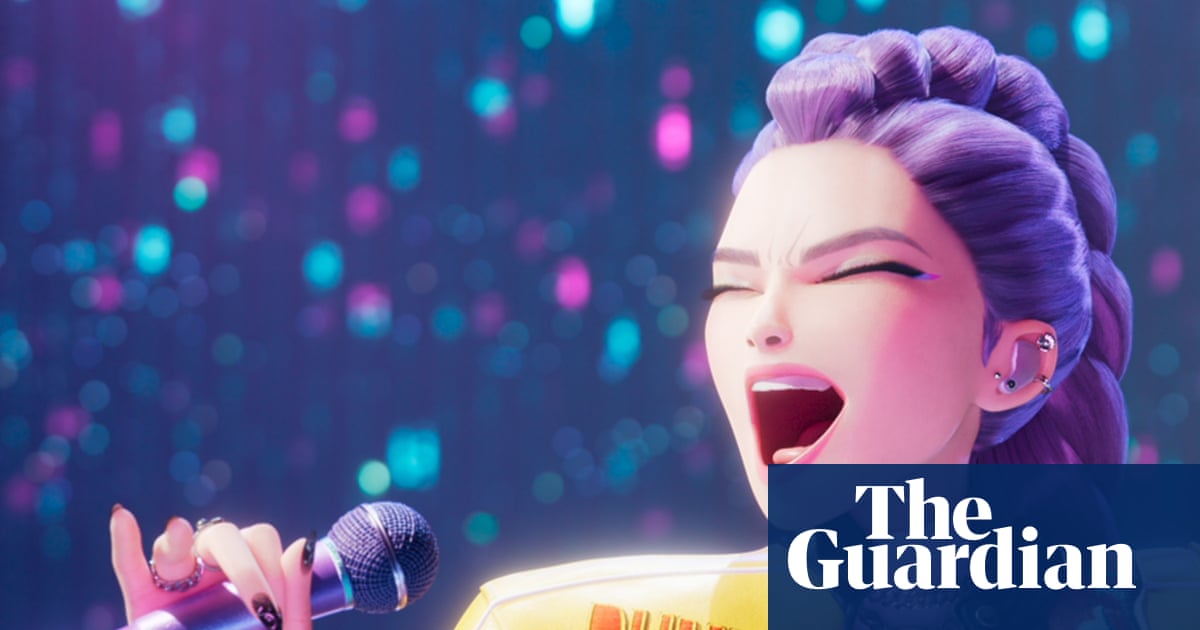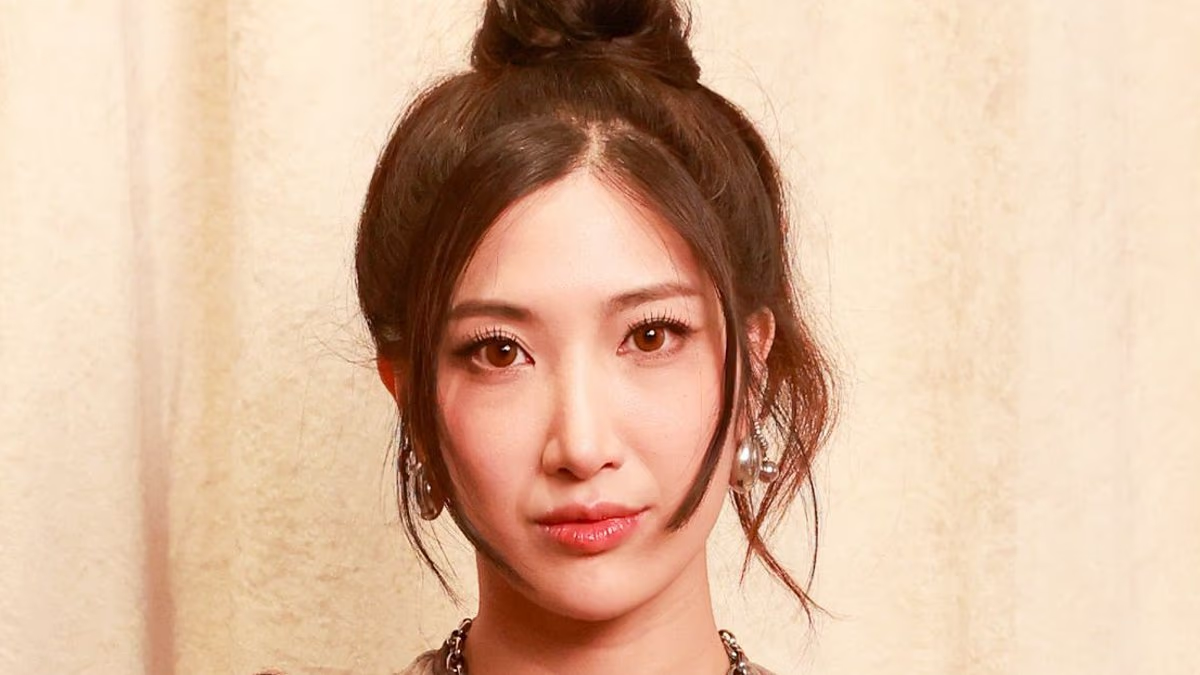
KPop Demon Hunters star Ejae has shared insight into the brutal reality of the training it took to transform her into a pop star.The singer, 34, has become a global superstar after her song Golden, which she performed with Rei Ami and Audrey Nuna, soared to the top of the charts after featuring in the hit Netflix film.But before earning worldwide fame, Ejae was forced to endure gruelling training at her record label in South Korea when she was a teenager.In a candid interview, the musician shared how she spent 11 years training at SM Entertainment, and was drilled in how to sing and dance, and also had lessons in how to pout, pose for photo shoots, and answer questions in interviews.Admitting she can't say whether she 'enjoyed' her training, Ejae also revealed she was banned from enjoying vices such as junk food and soda, and wasn't even allowed to chew gum due to the impact it could have on her appearance.She said: 'They taught you how to be a pop star... Every month they would take you to do a photoshoot so you could learn how to pose. We did a ton of languages. We learnt Chinese because they knew China would be a huge global audience.' KPop Demon Hunters star Ejae has shared insight into the brutal reality of the training it took to transform her into a pop starShe told The Sunday Times Style Magazine: 'We couldn't chew gum because it would make your jaws bigger.''We would have to smile in front of the mirror with a ChapStick here,' demonstrating a pout as if a lip balm could balance between her upper lip and under her nose, adding: 'because it makes your muscles grow and your face shape [better].''We couldn't have ear piercings. It was very much no sodas, no greasy food, keeping yourself unbloated and fit. I wouldn't say it was healthy. Let's just be real. It's very ambitious for a teenager.'Ejae admitted she 'worked her a*s off' during her years of training, and said that while it was 'difficult', she 'learned a lot' during her time there.The singer was dropped by SM when she was just 23, and after she began meeting with producers, she penned the song Hello, which was picked up by the South Korean singer Hani.In 2019, her song Psycho was picked up by Red Velvet and topped the Billboard world digital song chart, and months later she was invited to pen the music for KPop Demon Hunters.The song's main track Golden went on to win the Oscar for Best Original Song, and a sequel to the film is currently in the works.Ejae proudly took the stage to accept the Oscar, which she shared with her co-writers Ido, Yu Han Lee, Hee Dong Nam, Mark Sonnenblick, Teddy and 24. The singer has become a global superstar after her song Golden, which she performed with Rei Ami and Audrey Nuna, soared to the top of the charts after featuring in the hit Netflix filmIn floods of tears, she shared: 'Growing up, people made fun of me for liking KPop, but now everyone is singing our song and all the Korean lyrics and I'm so proud.'After thanking a variety of people, both in her personal life and those involved with the movie, she asked: 'Is there anyone else?'Lee then approached the microphone and began to thank someone, but before the audience could find out whom, the play-off music drowned out his voice.Social media erupted with outrage, as one viewer fumed: Alright f*** the Oscars for cutting off Best Original Song for Golden. Absolute disrespect and disgraceful to the creatives behind the biggest song of the year.''It's so messed that they didn't let them finish,' another opined as a third exclaimed: 'Did them so dirty!' and a fourth regarded the cut-off as 'ridiculous.''DAMN! They played off KPop Demon Hunters crazy,' marvelled a viewer, while another wrote: 'That was rough and so unnecessary. Zero chill.''EJAE makin history as first K-pop Oscar win and they cut her off with the music mid-emotion?? Academy wild for that disrespect,' raged a viewer.'Cutting off a historic moment like this is pure disrespect. The Academy needs to do better. EJAE deserved her moment,' argued another.'When someone makes history, the least you can do is let them finish their speech. That moment belongs to them, not the countdown music,' insisted still another.The culture of K-pop is one of South Korea's most lucrative soft power exports and has drawn a massive audience of young people internationally.But in some extreme cases, stars can undergo training for ten years before they can make their debut in the industry.Bullying, abuse and exploitation are said to be commonplace, with youngsters subjected to gruelling training regimes and daily weigh-ins, as well as being pressured into plastic surgery and made to sign contracts that mean their every move is controlled. The dark side of K-pop K-pop stars have spoken out about how they are expected to be perfect as they lifted the lid on the cutthroat industry in the wake of a string of suicides from high-profile stars.The culture of K-pop is one of South Korea's most lucrative soft power exports and has drawn a massive audience of young people internationally.But the suicide deaths of two popular female stars less than two months apart drew attention to the industry's darker side and the intense pressures that artists face.K-pop star Sulli, whose given name is Choi Jin-ri, took her own life in October 2019. Her friend and fellow star, Koo Hara, killed herself a month later. Both stars had been victims of severe bullying on social media.In an interview with CBS in January, K-pop artist Amber Liu said there was an industry expectation to be perfect in looks, performance and discipline. 'If you aren't under a certain weight, you can definitely get cut,' Liu said.'You're told what to do, what to say, what to think.'Liu, who was Sulli's former bandmate, said she has witnessed firsthand the toll the industry, as well as cyberbullying, can have on its stars.'When (people) hear you're getting help they're like, 'What? Why are you getting help? That's weird',' she said.'That stigma against mental health is just so strong.'K-pop stars, who are often referred to as 'idols', usually have an average retirement age of about 30.In some extreme cases, stars can undergo training for 10 years before they can make their debut in the industry. Many stars face tremendous pressure to look and behave perfectly in an industry powered by so-called 'fandoms' - groups of well-organised admirers who spend enormous amounts of time and money to help their favored stars climb up the charts and attack their perceived rivals.In return, the stars are expected to tread carefully in an industry where today's most-fervent fans can be tomorrow's most vicious critics if their idols fail to meet their expectations - or 'betray' them.Drug use or drunken driving are seen as career-breakers, while behavior that causes a 'stir' - anything from a social media gaffe to a failure to smile ceaselessly at public appearances - could be criticized for years.Many are constantly chased by paparazzi and camera-touting fans who share or sell every single detail and images of the stars' daily lives online for public scrutiny.
KPop Demon Hunters star Ejae shares brutal reality of popstar training
The singer, 34, has become a global superstar after her song Golden, which she performed with Rei Ami and Audrey Nuna, soared to the top of the charts after featuring in the hit Netflix film.
1,208 words~5 min read