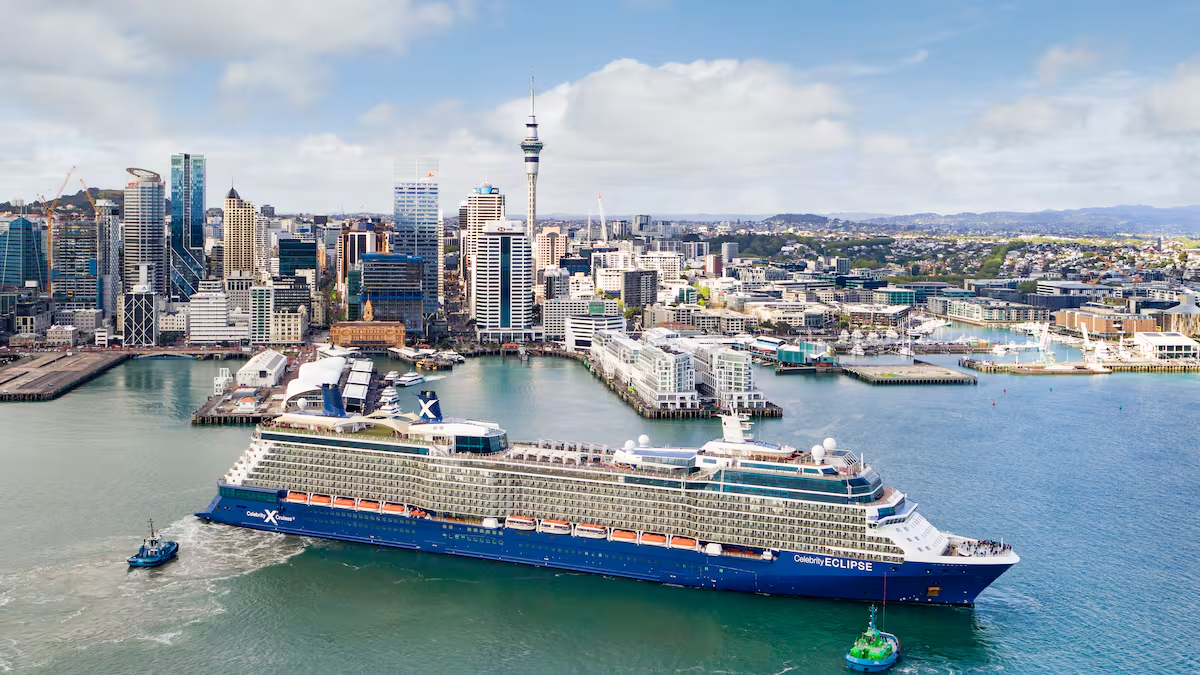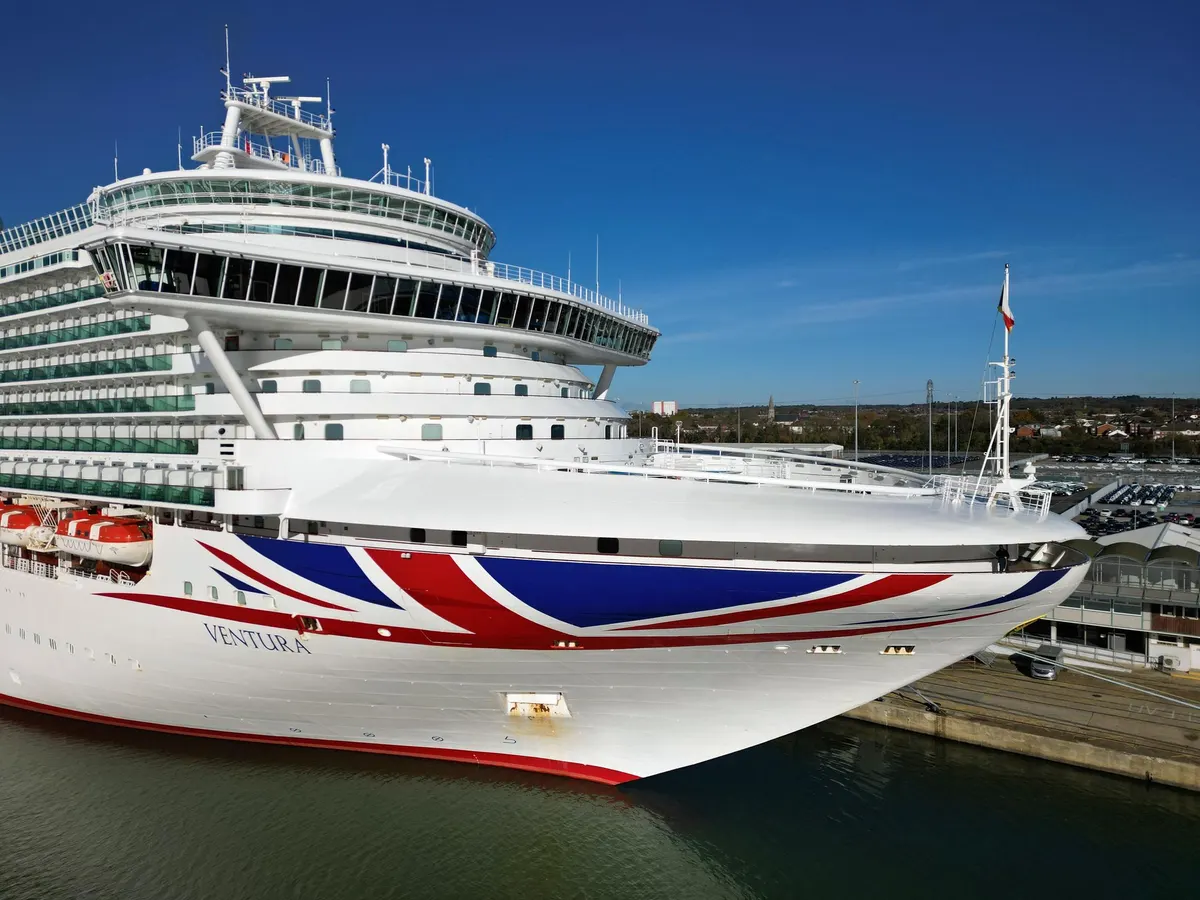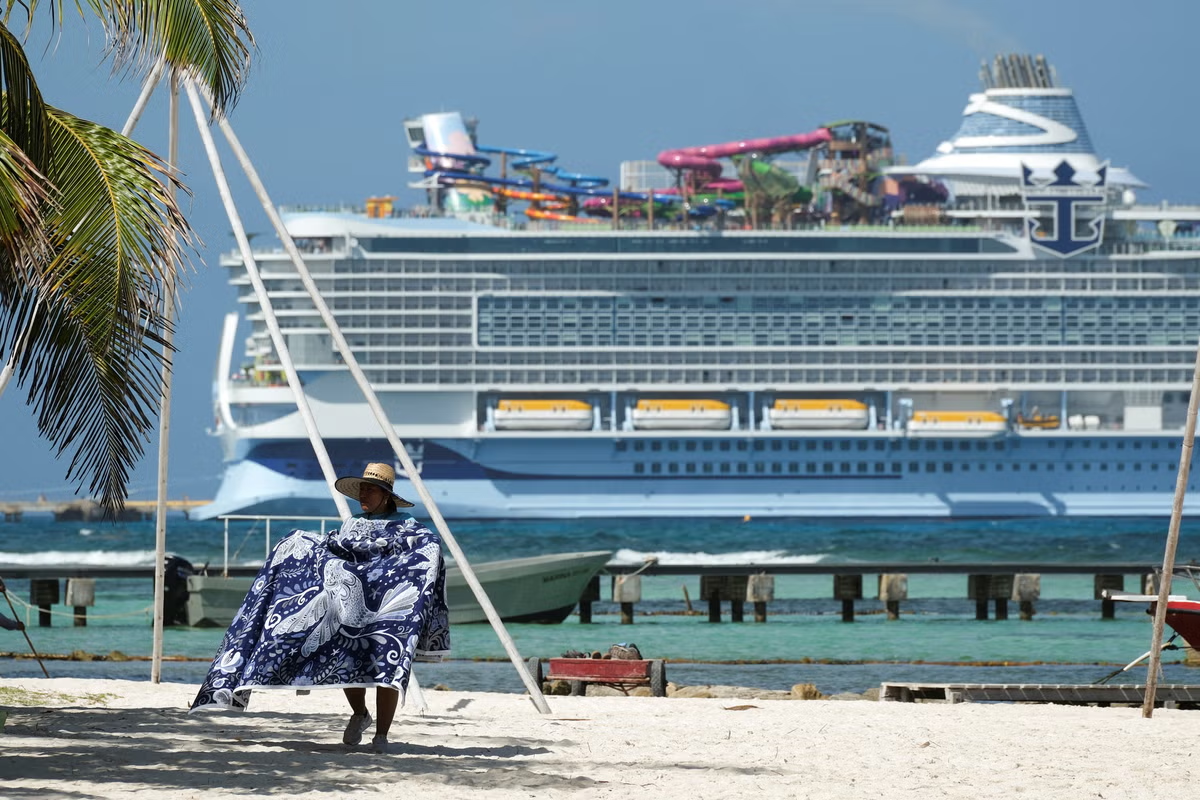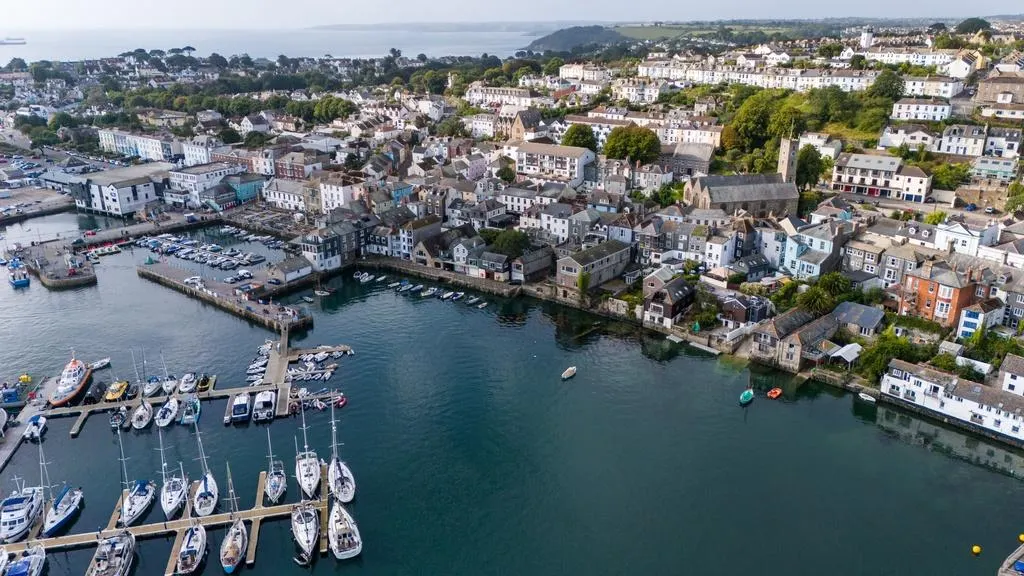
Falmouth is an attractive Cornish town.gettyFor cruise guests exploring the British Isles, Falmouth offers something quite different from major ports such as Southampton or Liverpool.The Cornish town combines a historic waterfront, beaches within walking distance and access to some of southwest England’s best-known attractions.Yet despite sitting on one of the world’s largest natural harbors, Falmouth remains a relatively small player in the British cruise industry. That could be about to change.A proposed £150 million ($202 million) redevelopment of Falmouth Docks would allow much larger cruise ships to berth alongside, potentially helping increase annual cruise visitor numbers to as many as 200,000 by 2030.Supporters see an opportunity to secure the future of a historic working port while bringing more tourism revenue into Cornwall. Opponents question the environmental impact. Behind the debate is a question facing many smaller destinations: should ports reshape themselves to accommodate ever-bigger cruise ships?Falmouth’s Growing Cruise BusinessCruise tourism is nothing new to Falmouth. The port welcomed around 60,000 passengers across 42 cruise calls in 2025, with passenger numbers expected to increase again in 2026.But there is a significant limitation to further growth. Larger vessels generally need to anchor offshore and transfer passengers into town by tender boat. The redevelopment would change that by extending and upgrading existing wharves and dredging areas around the docks.The aim is to accommodate so-called 'Excellence-class’ cruise ships measuring as much as 345 meters, or 1,131 feet, in length.These are enormous vessels. Ships built on the platform typically carry around 5,400 passengers at standard occupancy and can accommodate considerably more when full.Ships the size of 'Arvia' from P&O Cruises could dock in Falmouth if the redevelopment plan for Falmouth Docks goes ahead.gettyPlanning documents envisage approximately 11 calls from such ships annually if the redevelopment proceeds.More Than Just Cruise ShipsAlthough cruise ships have attracted much of the attention, the proposed redevelopment is not simply an oversized cruise terminal. The wider project includes repairing aging infrastructure, improving cargo facilities and creating capacity to support the emerging floating offshore wind industry.The British government has backed the plans, arguing that modernizing the docks could create skilled employment and help Falmouth compete for new maritime business.Cruise tourism forms one part of that economic case. Project projections suggest increasing cruise traffic to 200,000 passengers annually by 2030 could bring an additional £13 million ($17.5 million) into the local economy and support more than 350 tourism-related jobs.Falmouth is also a gateway to Cornwall, with shore excursions taking cruise guests to attractions such as the Eden Project, St. Michael’s Mount and other destinations around the county.Environmental Concerns Over DredgingThe strongest objections concern the dredging required to accommodate larger ships.Cornwall Wildlife Trust has submitted a formal Holding Objection to the Marine Management Organisation, arguing that more evidence is needed before the environmental impact can be properly assessed.The Trust says the project would involve dredging around 643,000 cubic meters of sediment from the Fal Estuary, with potential risks to seagrass, kelp, maerl beds and the area’s native oyster fishery. It has also questioned whether existing sediment testing is extensive enough to identify pockets of contamination.“We do not want to see the Docks decline, but redevelopment must be done carefully,” said Dan Barrios-O’Neill, Head of Marine Conservation at Cornwall Wildlife Trust.Developer Balaena says the proposal involves targeted “pocket dredging” rather than dredging the wider estuary, and that material considered unsuitable for disposal at sea would be taken inland instead. The Marine Management Organisation is the lead environmental regulator for the project.What Happens When Thousands Arrive At Once?Annual passenger totals can disguise one of the biggest challenges created by modern cruise ships: the concentration of visitors into a few hours.The project’s environmental assessment considers a worst-case scenario in which two ‘Excellence-class’ ships are alongside simultaneously.Such a situation would be unusual, but potentially striking. Two large ships could mean more than 10,000 cruise passengers arriving in or passing through the area on a single day.The assessment also considers the additional coaches, shuttle buses, taxis and other vehicles required to move passengers around.For businesses, that influx could mean thousands of additional potential customers. For residents and other travelers, it could mean a very different experience of the town.Ppart of Falmouth’s appeal as a cruise port is precisely its relatively small scale. There is a legitimate question over whether attracting substantially larger ships could begin to change some of the qualities that make Falmouth attractive in the first place.A Bigger Question For Smaller Cruise PortsCruise ships have grown dramatically over the past two decades. Ports that once comfortably accommodated mainstream vessels increasingly face a choice: invest in deeper water, longer berths and upgraded infrastructure, or accept that a growing share of the cruise fleet may be unable to dock.There are benefits to adapting. Allowing larger ships to berth alongside is easier for passengers than tendering ashore and could make Falmouth attractive to more cruise lines and itineraries.Doing nothing also carries economic consequences for a working port trying to secure its future. Yet bigger ships do not automatically create a better destination, either for residents or for cruise guests.MORE FROM FORBESForbesBritish Isles Cruises Offer A Simple Way To See A Complex RegionBy David NikelForbesWhy Norway Cruises Could Get More Expensive From 2027By David NikelForbesWhy Not All Norwegian Fjords Cruises Are The SameBy David Nikel
This British Port Wants Bigger Cruise Ships. Not Everyone Is Happy
A $202 million redevelopment could bring much bigger cruise ships to Falmouth, but environmental concerns and local opposition are growing.
874 words~4 min read