Why spatial computing might find its second act in science, education, and low-budget development
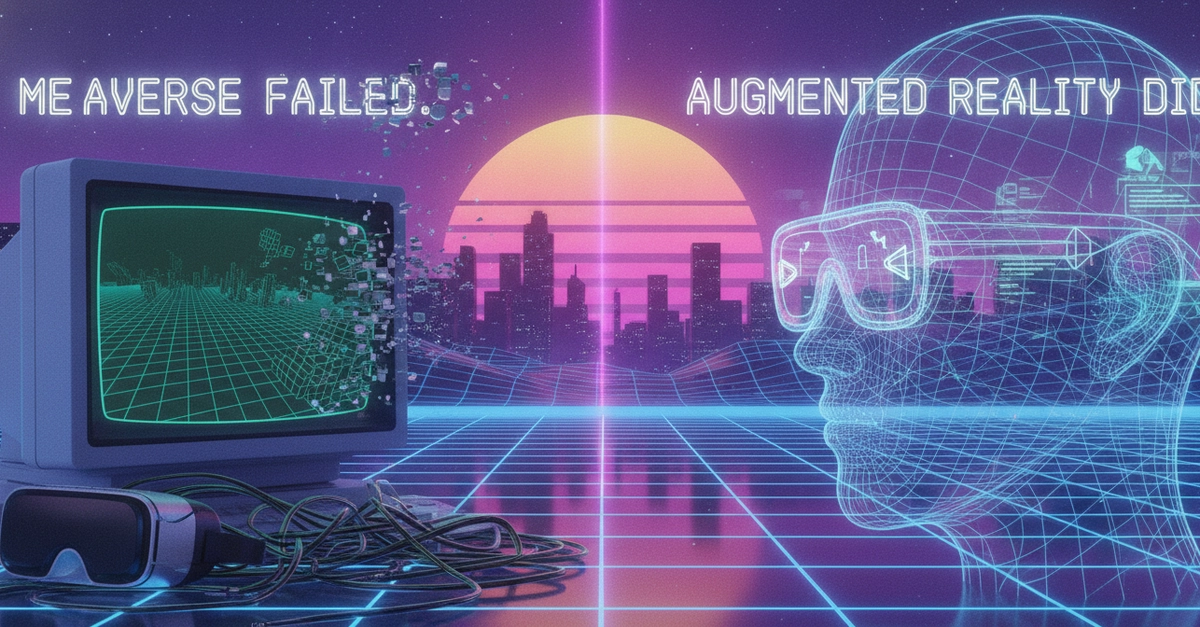
For a stretch of 2021 and 2022, it looked like computing was about to move somewhere else entirely. Meta rebranded around the idea, Microsoft bet HoloLens and Mesh on it, and a wave of startups raised on the premise that avatars and virtual land were the next platform shift — on the scale of mobile after the web. Reality, the pitch went, was just one interface among several, and not necessarily the best one.
Then the capital dried up, the headsets stayed in drawers, and generative AI took over every keynote slot the metaverse used to occupy. Augmented reality didn't get a rebrand or a eulogy — it just went quiet.
That quiet turns out to be useful. Once you strip away the promise of replacing reality wholesale, what's left is a narrower, more tractable engineering problem: how do you register digital content to physical space accurately enough, and cheaply enough, that it's worth doing at all?
The part of the metaverse pitch that never made sense