Distributed Trust and Multimodal Perception for Next-Generation Autonomous Drone Defense
A Blockchain-Coordinated Multi-Node Architecture for Trusted Drone Arrays and Adaptive Airspace Security
Abstract
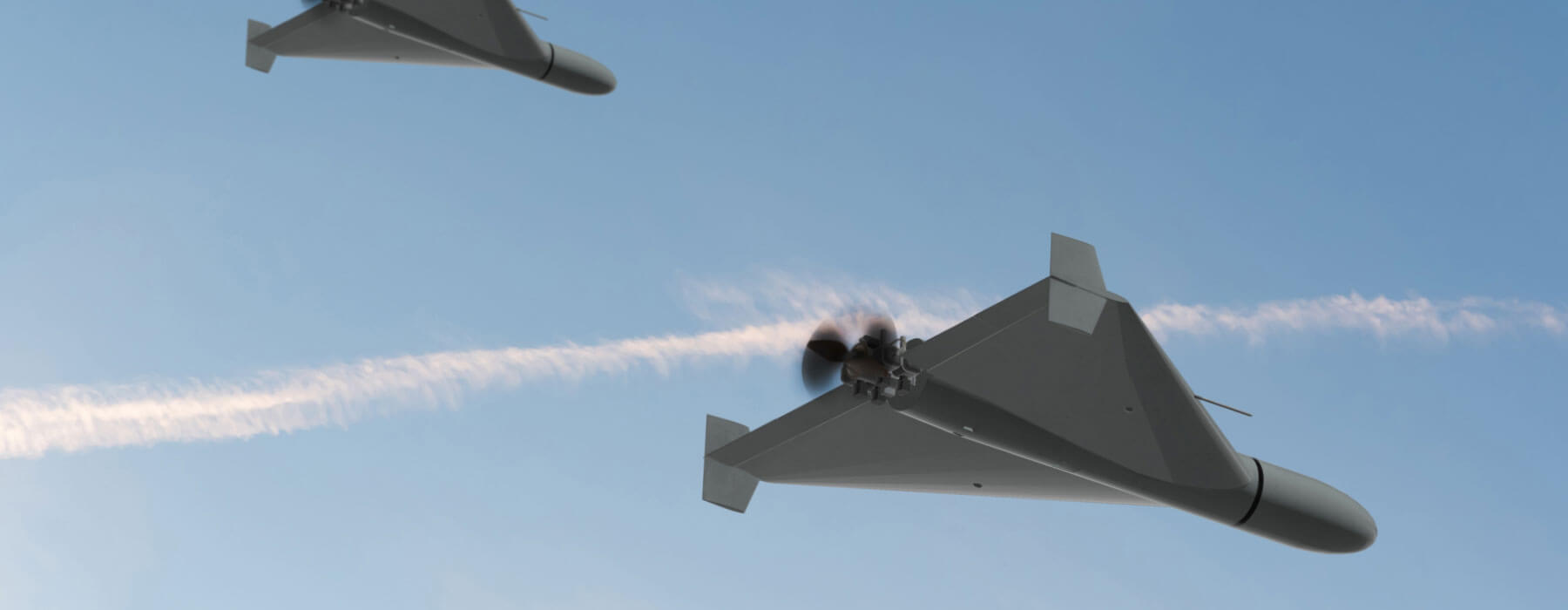
The rapid proliferation of unmanned aerial vehicles (UAVs) is transforming both civilian and military airspace. Conventional counter-UAV systems frequently rely upon centralized command structures, isolated sensors, radio-frequency detection, or single-platform interception. These approaches become increasingly difficult to scale as drone systems become autonomous, inexpensive, heterogeneous, and capable of operating with limited dependence on external communication. This paper proposes a conceptual architecture for a next-generation distributed drone-security ecosystem based upon three interacting components: a multi-node sensor array, a blockchain-governed drone array, and an AI-driven multimodal decision layer.
The proposed architecture treats the protected airspace as a distributed computational environment rather than merely a physical region monitored by a centralized command station. Ground or aerial nodes continuously observe their surroundings through heterogeneous sensing modalities including radio-frequency measurements, infrared sensing, visible-spectrum computer vision, and other environmental observations. Authorized drones participate in the ecosystem through cryptographically verifiable identities and location- or mission-dependent authorization states recorded within a permissioned distributed ledger.