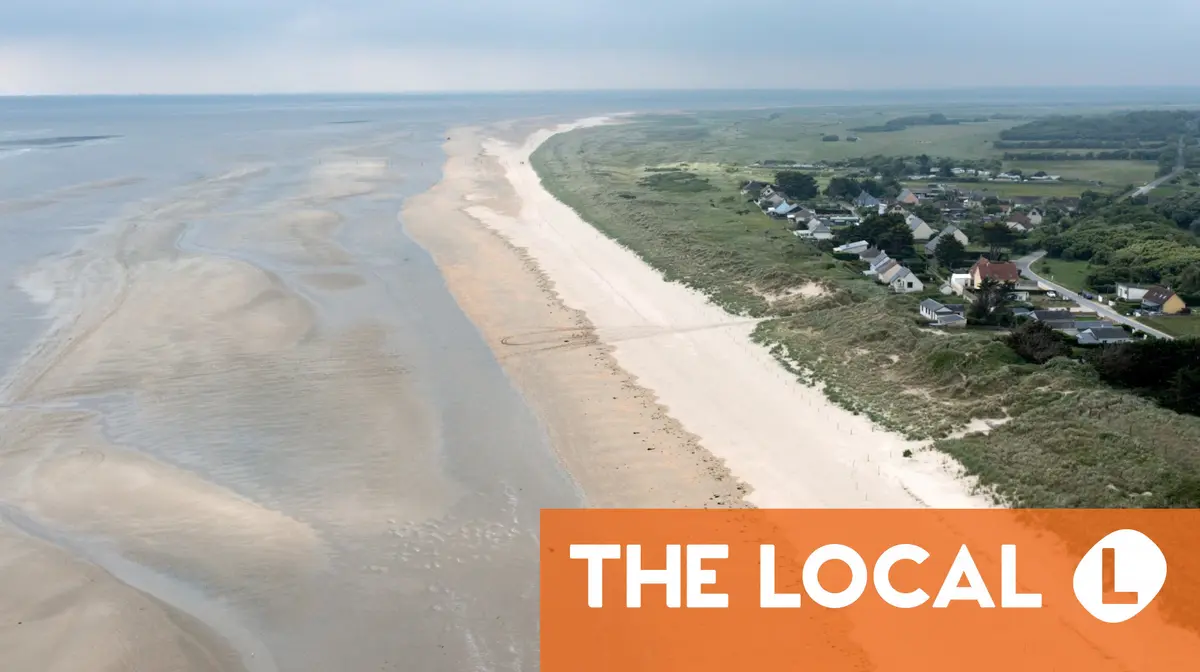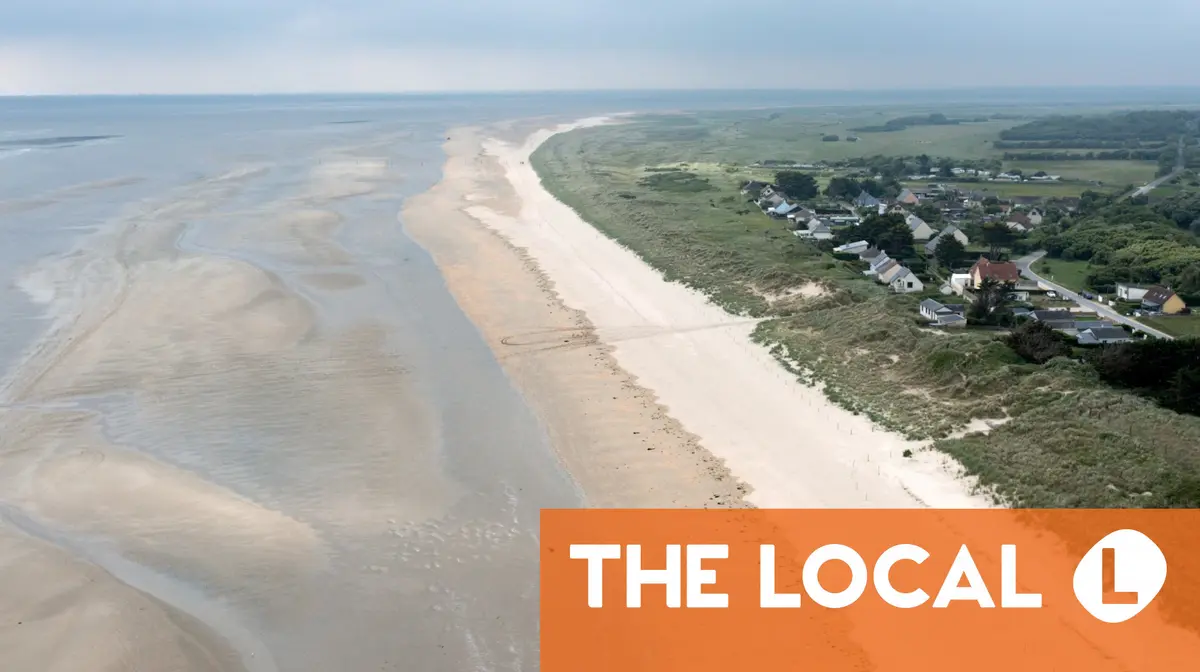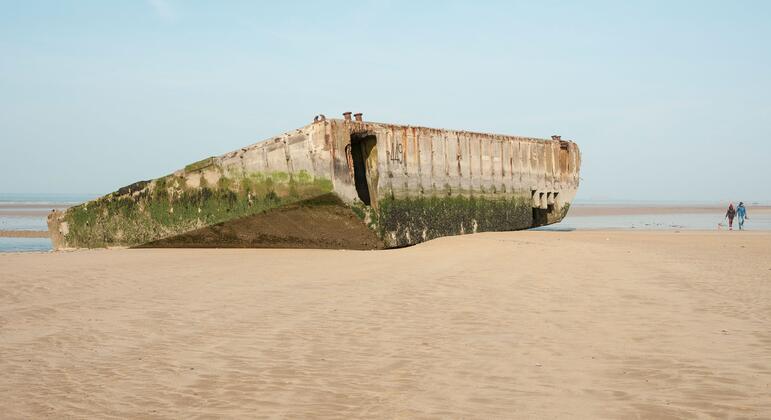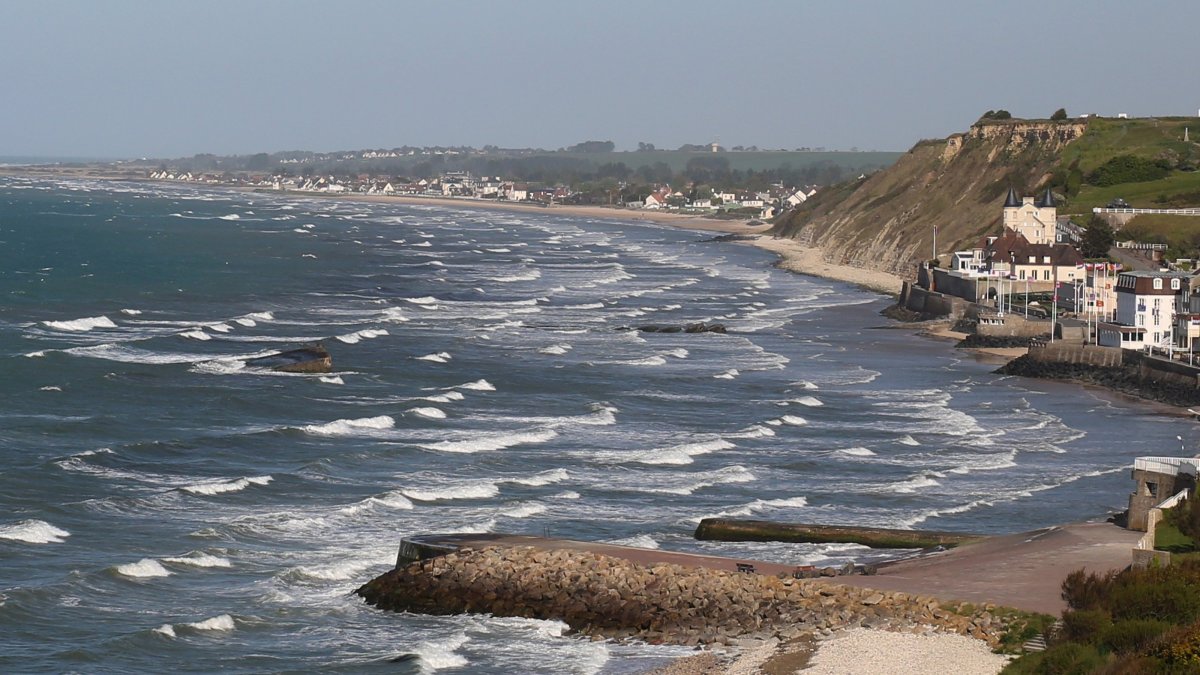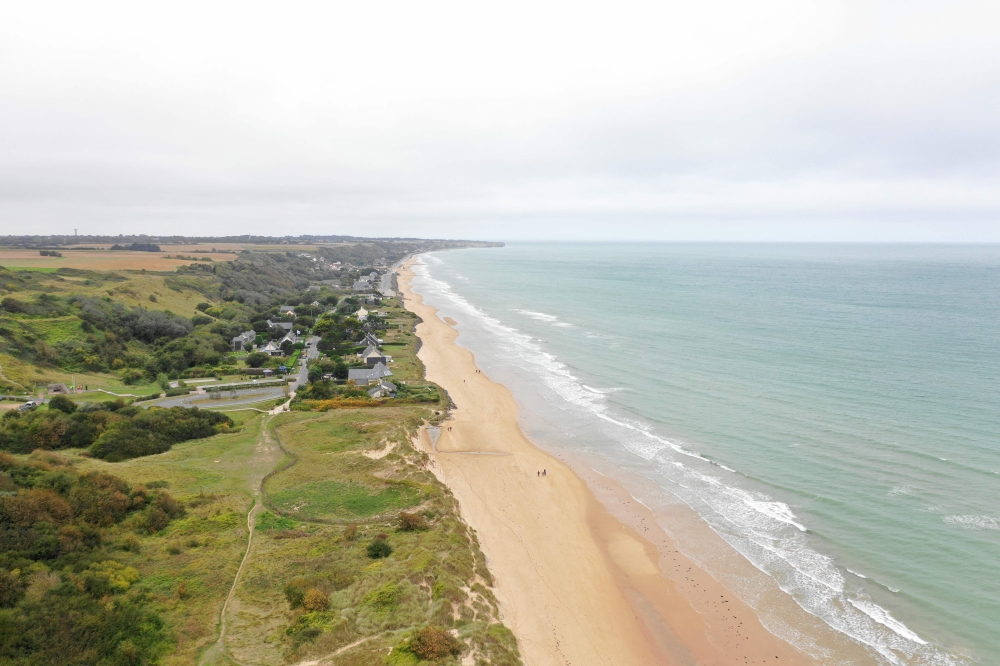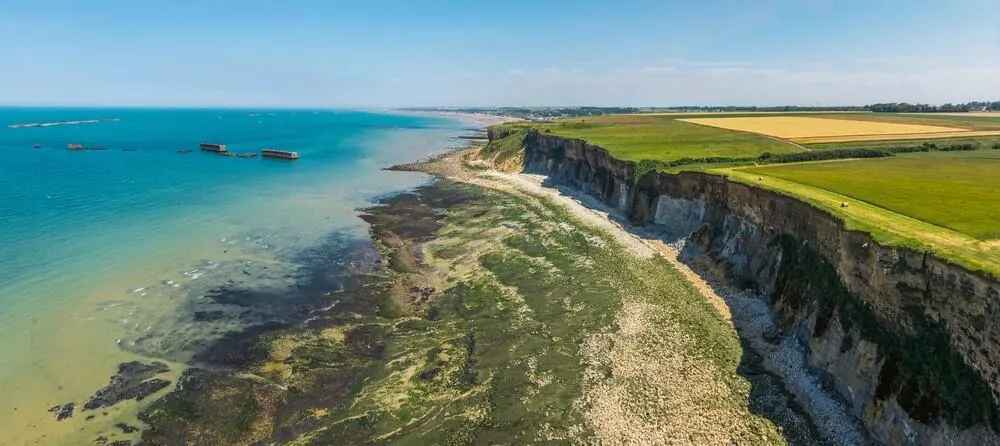
The D-Day beaches of Normandy are now a UNESCO World Heritage site, recognizing the coastal landscapes where Allied forces landed on June 6, 1944, and their enduring significance as places of remembrance.Michel DehayeEvery year, UNESCO adds a new crop of places to its World Heritage List, recognizing landscapes, cities, archaeological sites, and cultural landmarks deemed to have “outstanding universal value.” Some are already household names. Others are places even well-traveled people may have never heard of.This year's additions fall firmly into both camps.At its latest meeting, the UNESCO World Heritage Committee added 25 new properties to the list: 19 cultural sites, five natural sites, and one that combines the two. Among them are places travelers have been visiting for decades, including the D-Day beaches of Normandy, Greece’s Mount Olympus, and the blue-and-white Tunisian village of Sidi Bou Saïd. But there are also plenty of places that may be less familiar: the ancient Xiongnu burial grounds of Mongolia, the elaborate theaters built in the Amazon during Brazil’s rubber boom, and the archaeological remains of Jingdezhen, the Chinese city whose kilns helped shape the global porcelain trade.This year's class also brings three countries onto the World Heritage List for the first time. Comoros earned its inaugural inscription for the Medinas of the Historic Sultanates of the Comoros, a collection of centuries-old trading towns shaped by the cultures that moved across the Indian Ocean. São Tomé and Príncipe joined the list with the Roças of São Tomé and Príncipe, former colonial agricultural estates that preserve the difficult history of plantation agriculture and forced migration. And South Sudan's first World Heritage site, the Boma–Badingilo Migratory Landscape, protects a vast sweep of savanna, wetlands, and floodplains crossed by one of the world's largest terrestrial mammal migrations.The United States also gained a new natural World Heritage site with Georgia's Okefenokee National Wildlife Refuge.For travelers, the new class offers plenty of reasons to start looking at the map, whether it's to explore the medieval Alamut fortresses of Iran, see the rock-cut mosques and sacred landscapes of Kazakhstan's Mangystau region, or dive among the coral reefs of Jordan's Aqaba Marine Reserve. Here are some of the most compelling new World Heritage sites to visit.An aerial view of Chase Prairie in Georgia's Okefenokee National Wildlife Refuge, recognized for its exceptional biodiversity and the natural processes that continually shape its vast freshwater wetland ecosystem.Michael LuskMORE FOR YOUOkefenokee National Wildlife Refuge, United StatesTea-colored waterways wind between cypress trees and floating islands in Georgia’s Okefenokee, a more than 400,000-acre refuge that’s home to alligators, black bears, sandhill cranes, and hundreds of bird species. The swamp is one of the largest blackwater wetland ecosystems in North America, and UNESCO added it to the World Heritage List for both its biodiversity and the natural forces—particularly water and fire—that continually reshape its peatlands, forests, lakes, and wetlands.The best way to see it is from the water. Visitors can take guided boat tours or paddle miles of marked canoe and kayak trails from several entrances around the refuge. For a deeper trip, reserve one of the wilderness canoe routes, which can take several days and include nights on raised camping platforms in the swamp.The Asuka-dera Temple Site is one of 19 locations that make up the Ancient Capitals of Asuka and Fujiwara, which trace the development of Japan’s early centralized state and the spread of Buddhism.Asuka-Fujiwara World Heritage Inscription Promotion CouncilAncient Capitals of Asuka and Fujiwara, JapanBefore Nara and Kyoto, there were Asuka and Fujiwara. Set among the rice paddies and low hills south of Nara, the former capitals were at the center of enormous political and cultural change between the late sixth and early eighth centuries, as Buddhism spread and Japan developed a centralized system of government.UNESCO's new designation encompasses 19 sites, including palace ruins, Buddhist temples, monumental tombs, and the remains of Fujiwara-kyo, Japan's first capital laid out on a large-scale grid. Together, they document a formative period that helped shape the country for centuries to come.Asuka is about an hour from Nara or Kyoto by train, making it possible to visit as a day trip. Once there, rent a bike to pedal between tombs, temple sites, villages, and rice fields; buses connect many of the major sites as well.Aalto Works includes 13 buildings and architectural ensembles across Finland that showcase the country’s distinctive, human-centered approach to modern architecture.Photo by Maija Holma; Alvar Aalto FoundationAalto Works, FinlandFinland's newest World Heritage site doubles as the blueprint for an architecture road trip. Aalto Works brings together 13 buildings and complexes associated with Alvar Aalto, Aino Marsio-Aalto, Elissa Aalto, and their collaborators, spanning more than half a century of Finnish modernism.The collection ranges from Paimio Sanatorium and the red-brick Säynätsalo Town Hall to Finlandia Hall and the Aalto House in Helsinki. UNESCO recognized the group for its distinctly Finnish take on the Modern Movement, particularly its human-centered approach and use of local materials and surrounding landscapes.Several of the sites are in Helsinki, including the Aalto House and Studio Aalto, both of which can be visited only on guided tours. Advance reservations are recommended.Mount Olympus was the only mixed cultural and natural site added to UNESCO’s World Heritage List this year, recognized for both its exceptional biodiversity and its enduring place in Greek mythology.Themis NasopoulouThe Wider Area of Mount Olympus, GreeceMount Olympus has been famous for a few thousand years, but its new UNESCO designation goes well beyond its reputation as the mythological home of Zeus and the Greek gods. Rising from near the Aegean coast to 9,573-foot Mytikas, Greece’s highest peak, the mountain encompasses forests, ravines, limestone cliffs, and alpine habitat with unusually rich plant diversity. The property also includes Dion, the ancient Macedonian sanctuary at the mountain's base.UNESCO added the area as a mixed cultural and natural site, recognizing both its biodiversity and geological features and its enduring influence on mythology, art, and literature.Litochoro, about 55 miles from Thessaloniki, is the main jumping-off point. From there, travelers can take short walks through Enipeas Gorge or tackle multi-day routes into the high country. The Huanglaodayao Kiln Remains are part of Jingdezhen’s newly inscribed UNESCO World Heritage site, which traces more than 1,000 years of porcelain production and its influence on ceramics and trade around the world.Chen Kai, Jingdezhen Handicraft Porcelain Industry Heritage Conservation CenterJingdezhen Handicraft Porcelain Industry Sites, ChinaJingdezhen has been producing porcelain for more than 1,000 years, sending its wares from southeastern China to imperial courts and, eventually, markets around the world. Its influence was so great that the city's name became virtually synonymous with fine Chinese porcelain.The new World Heritage property brings together five areas associated with the industry, including kilns, workshops, raw-material extraction sites, transportation routes, and the remains of the Imperial Kiln. UNESCO recognized both the technical advances developed here and Jingdezhen's enormous influence on ceramics production, design, and global trade.Porcelain is still very much a living industry in the city. Travelers can explore historic kiln sites, browse ceramics markets, visit working studios, and even try making their own. Start at the Jingdezhen Imperial Kiln Museum, built around the remains of Ming- and Qing-era imperial kilns, before heading into the city’s contemporary studio and workshop districts.The full list of 25 new UNESCO sitesHere’s the complete list of new UNESCO additions in 2026:Aalto Works, FinlandBeaches of the D-Day Landings, Normandy, 1944, FranceThe wider area of Mount Olympus, GreeceOkefenokee National Wildlife Refuge, USAAlamūt Castle and Related Fortifications, IranAmazonia Theaters, BrazilAncient Buddhist Site of Sarnath, IndiaAncient Capitals of Asuka and Fujiwara, JapanAqaba Marine Reserve, JordanBoma-Badingilo Migratory Landscape, South SudanThe Bony Fish Fossils of the Western Limfjord, DenmarkThe Cemetery Complexes of the Xiongnu Nobility, MongoliaGdynia Modernist City Centre, PolandJingdezhen Handicraft Porcelain Industry Sites, ChinaThe Medinas of the Historic Sultanates of the Comoros, ComorosMount Amel Castles, LebanonThe Roças of Sao Tome and Principe, Sao Tome and PrincipeRock Mosques and Associated Sacred Sites of Mangystau, KazakhstanRoyal Capetian Fortresses of Languedoc, FranceSebastia, State of PalestineThe System of Italian-style Condominio Theatres, ItalyTashkent Modernist Architecture, UzbekistanVillage of Sidi Bou Saïd, TunisiaWadi Wurayah, United Arab EmiratesWat Phra Mahathat Woramahawihan, Nakhon Si Thammarat, Thailand
UNESCO Just Added 25 New World Heritage Sites—Here Are The Best Ones To Visit
Explore the 25 new UNESCO World Heritage sites for 2026, including ancient landmarks, architectural treasures and remarkable natural landscapes.
1,340 words~6 min read