Mount Olympus and D-Day beaches among new World Heritage Sites
28 July 2026
Culture and EducationFrom the peaks of Mount Olympus in Greece to the shores of the “D-Day” beaches in France, 25 cultural or natural landmarks from across the globe have been newly inscribed on the World Heritage List, updated annually by the UN Educational, Scientific and Cultural Organization (UNESCO).
The announcement on Tuesday came during the World Heritage Committee’s meeting in Busan, Republic of Korea, being held from 19 to 29 July. The List includes first-time inscriptions from three African countries: Comoros, São Tomé and Príncipe, and South Sudan.
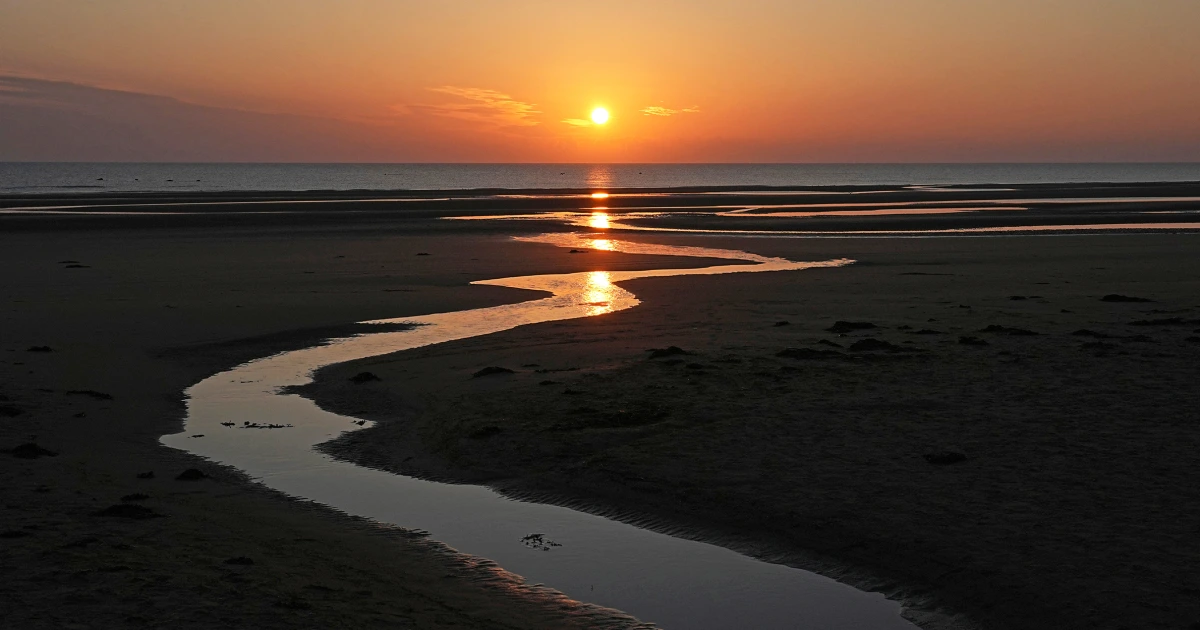
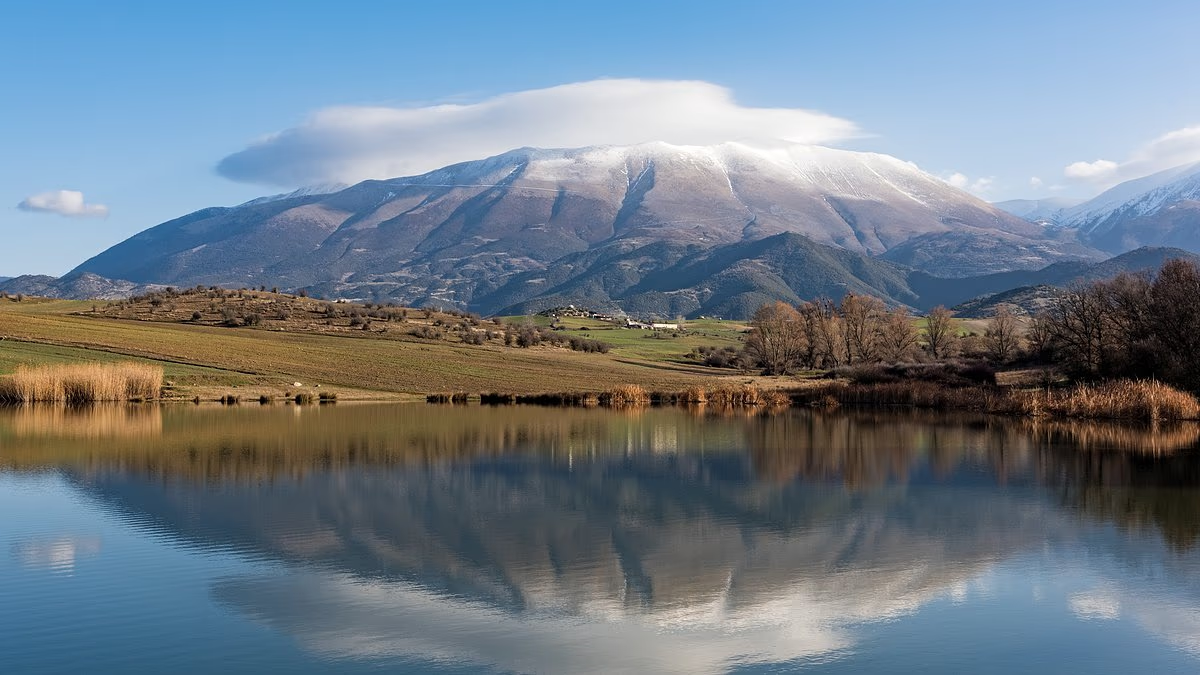
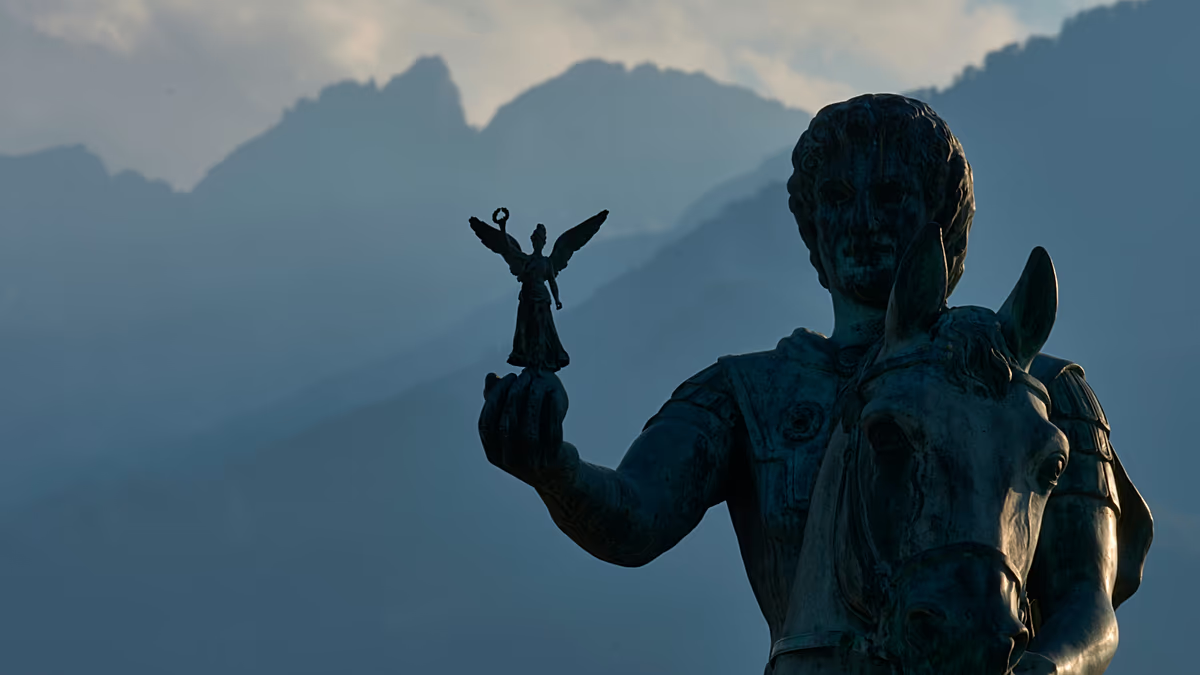
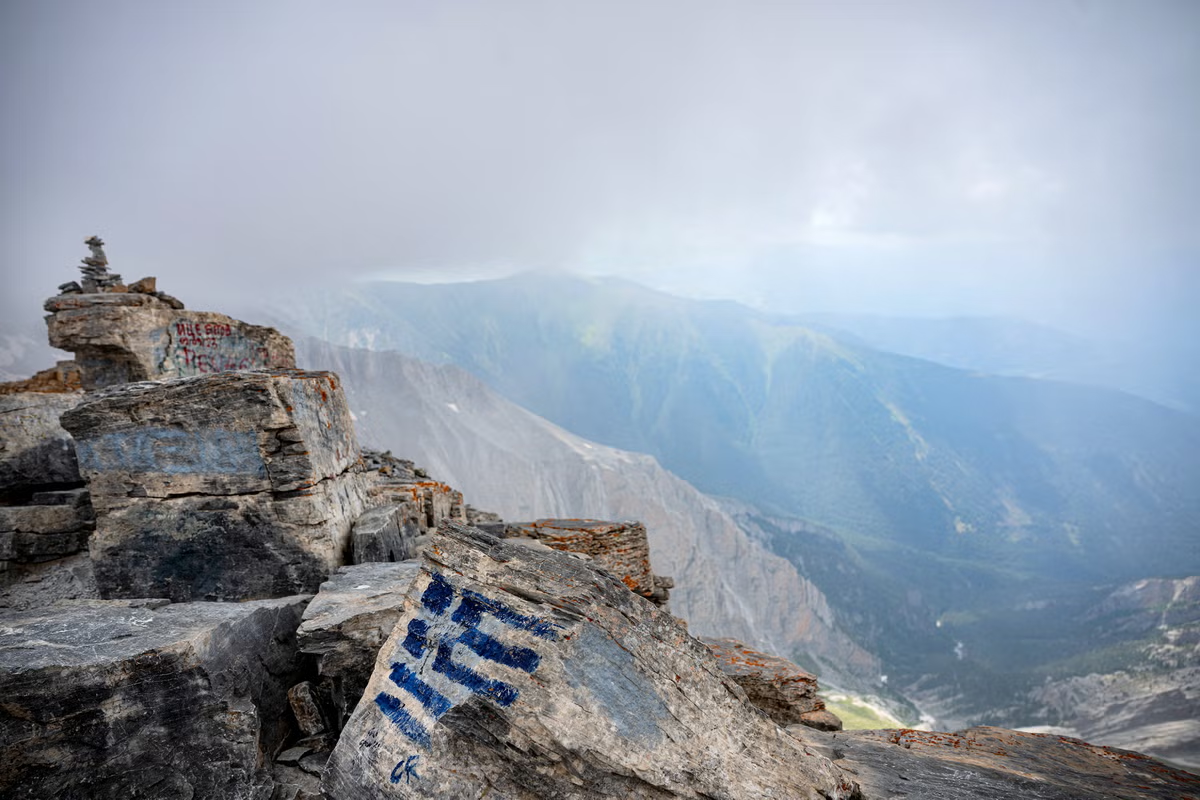
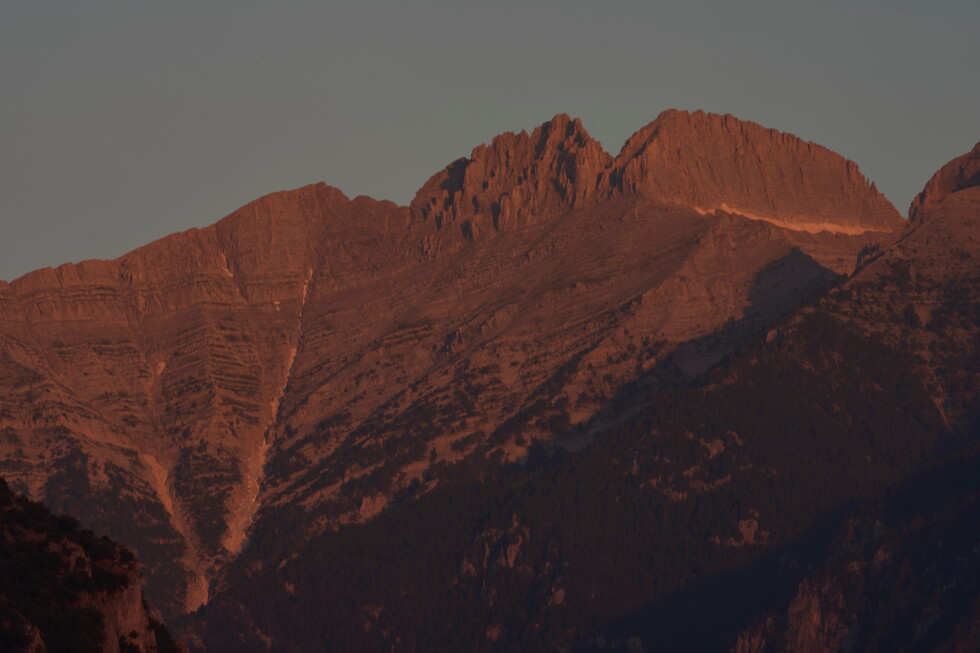
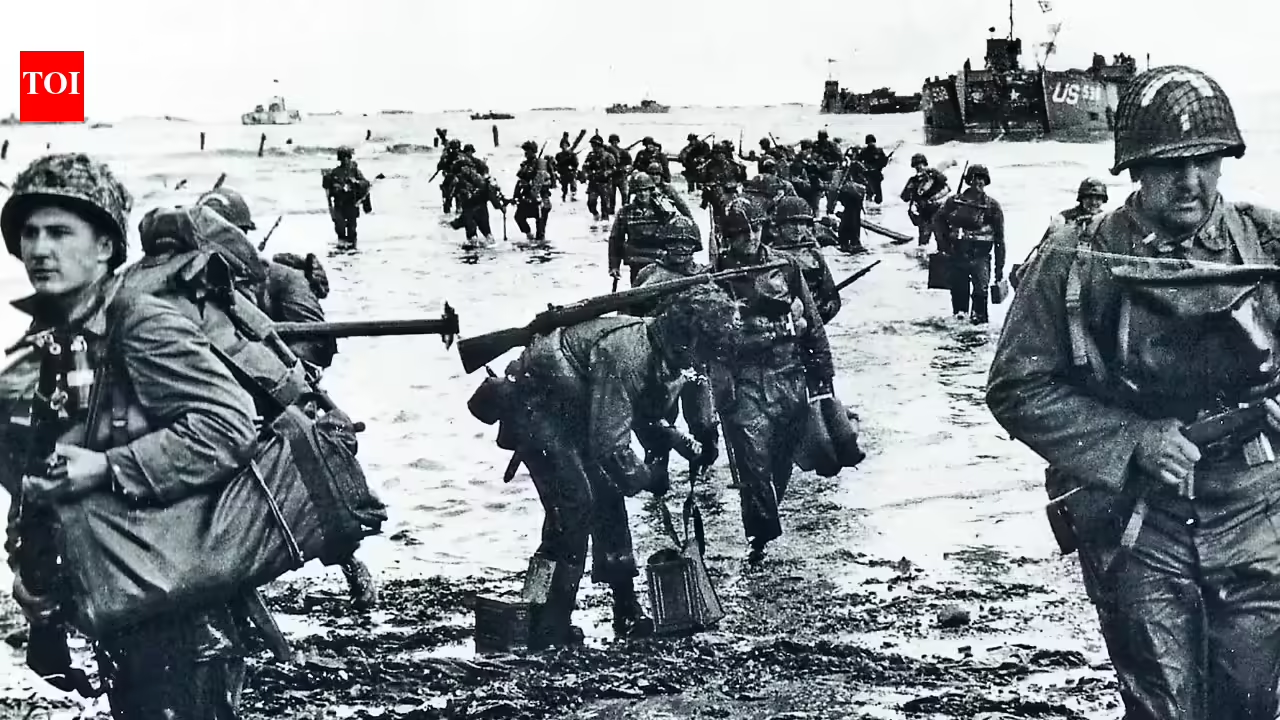
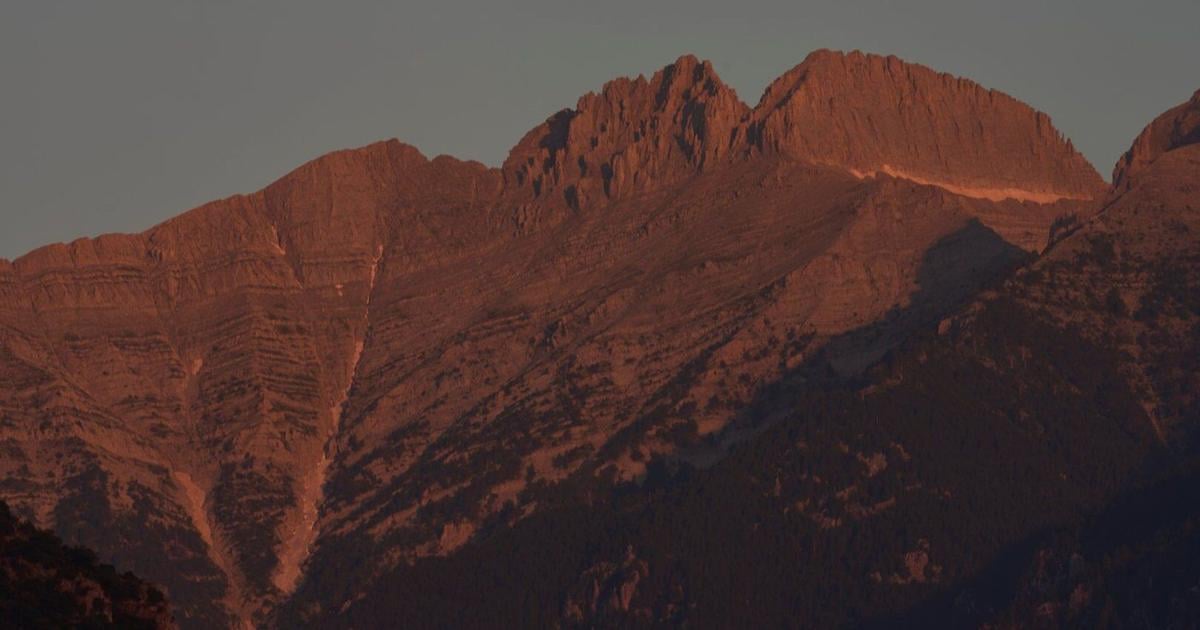
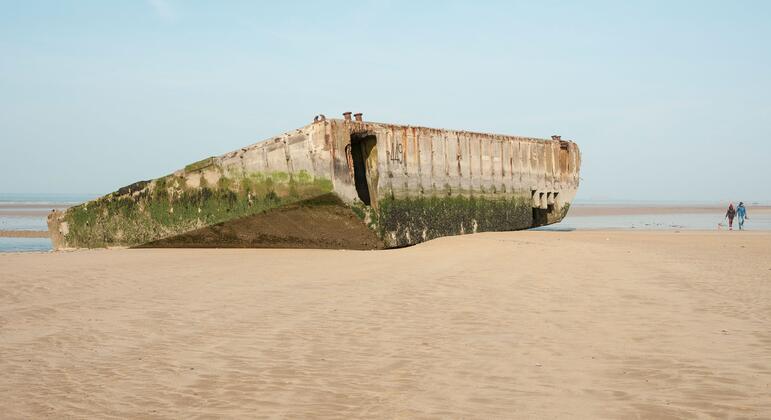
Here are a few of the sites “considered to be of outstanding value to humanity”: Mount Olympus, Greece The wider area of Mount Olympus – Greece’s highest mountain and the mythical home of Zeus and other ancient gods – was added to the UN list. Situated in the country’s north, the mountain is an enduring emblem of Greek civilisation. UNESCO said its proximity to the sea and abrupt elevation produces a remarkable diversity in terrain, climate and vegetation. The property features striking landforms, including limestone cliffs, karstic sinkholes and cirques, which are bowl-shaped amphitheatre-like valleys carved by glacial erosion. D-Day beaches, France Six sites associated with the Allied forces landings in Normandy, France, on 6 June 1944 – marking a major turning point in the Second World War – also were recognised. The five “D-Day” beaches and Point du Hoc stretch along roughly 80 km of coastline. From there, hundreds of thousands of American, British and Canadian troops launched one of the largest military operations ever, ultimately liberating Western Europe and defeating Nazi Germany. UNESCO noted that the property preserves significant remains of the German Atlantic wall alongside battlefield traces and original wartime equipment as well as commemorative landscapes such as the American Cemetery at Colleville‑sur‑Mer. “Together, these elements form an exceptional cultural landscape shaped both by the events of 1944 and by their enduring remembrance,” the agency said.