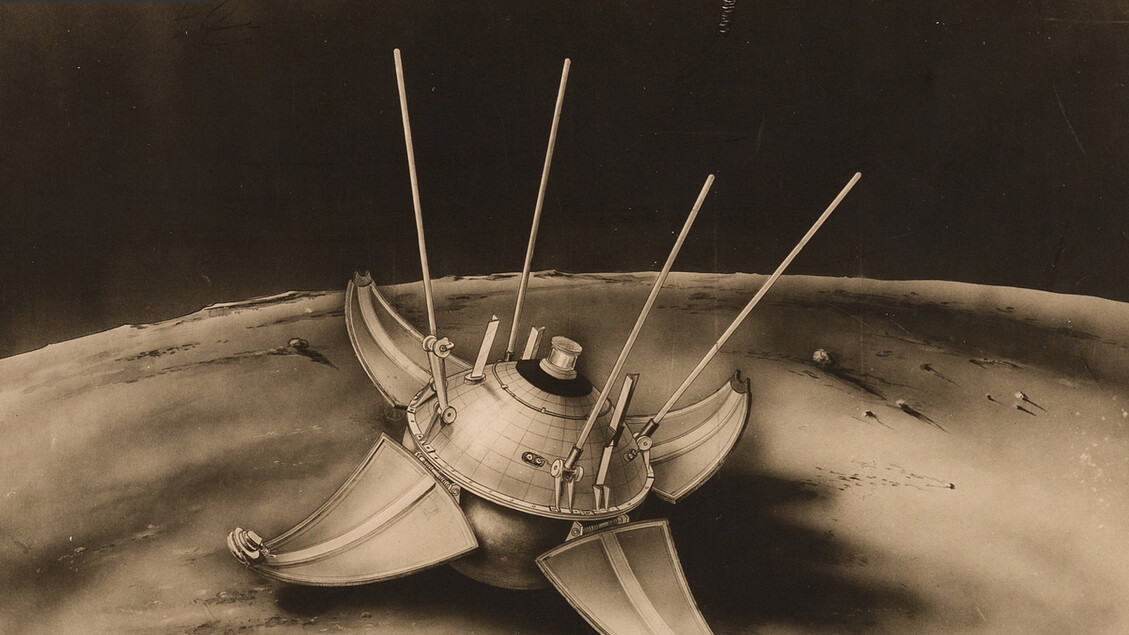
On Aug. 9, 1976, the Soviet space program launched its last moon mission.Luna 24 was a robotic sample return mission and the third of its kind. It lifted off on a Proton-K rocket from the Baikonur Cosmodrome in Kazakhstan and safely landed on the lunar surface nine days later.The probe landed in a dark plain of the moon known as Mare Crisium, or the "Sea of Crises" and collected 6 ounces (170.1 grams) of soil samples, which it brought back to Earth on Aug. 22, 1976. Scientists then found that the samples from Luna 24 contained tiny traces of water — about 0.1% by mass.
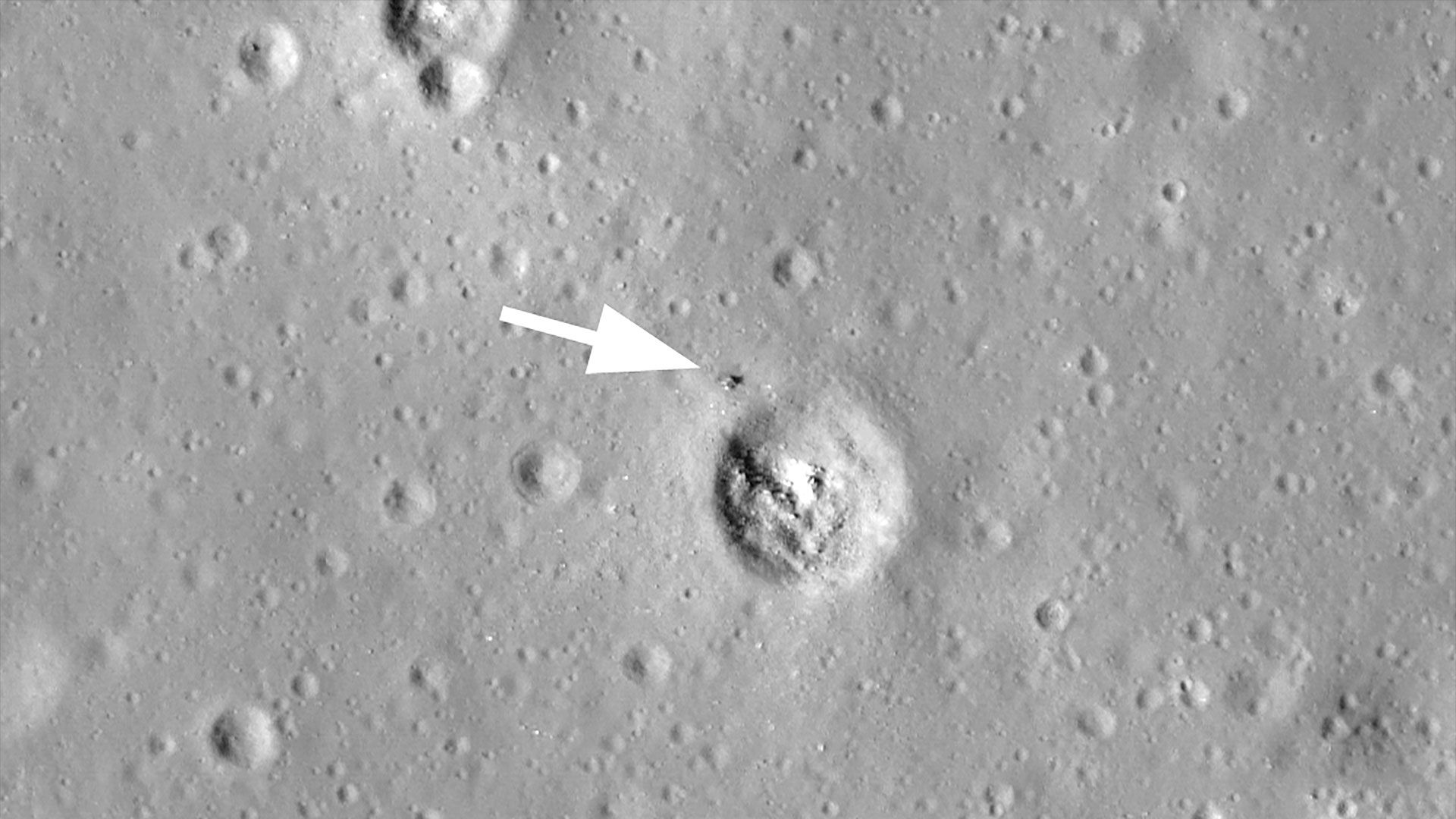
This photo, taken by NASA's Lunar Reconnaissance Orbiter, shows the location of the Soviet Luna 24 moon lander on Mare Crisium near a crater. (Image credit: NASA/GSFC/Arizona State University)Why it matteredThe Soviet Union lost the Space Race to land the first humans on the moon, but its Luna program of robotic probes was prolific. The country's Luna 2 was the first spacecraft ever to land on the moon (it slammed into the lunar surface in 1959), with the more advanced Luna 9 making the first-ever soft-landing on the moon in February 1966, beating NASA's Surveyor 1 by about 4 months.By 1976, 12 NASA astronauts had walked on the moon, the last two on Apollo 17 in 1973 and the Space Race was over. But the Soviet moon program was not, with Luna probes and Lunakhod rovers.The 21 Most Marvelous Moon Missions of All Time