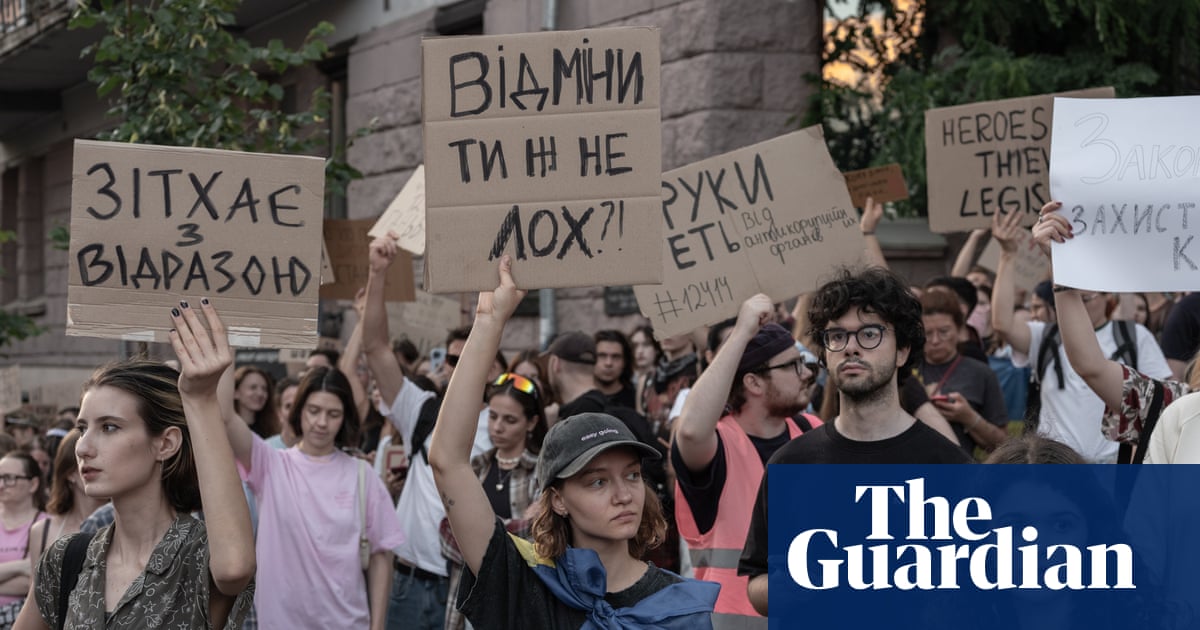
In the fifth year of Russia’s full-scale invasion, the rhetoric of some Ukrainian politicians and public commentators suggests the emergence of a new political trend that could be described as sovereignism. This tendency is a direct product of political developments, the realities of the battlefield, and broader social change. It is, above all, a way of channeling the emotions generated by war. Since 2022, Ukrainians have demonstrated an extraordinary ability to adapt to extreme circumstances. They have displayed remarkable creativity, unconventional thinking, determination, courage and resilience. Their resistance has been nothing short of extraordinary. Yet these admirable qualities may also be accompanied by a more troubling political impulse: sovereignism.JOIN US ON TELEGRAMFollow our coverage of the war on the @Kyivpost_official. ‘No one will tell us what to do”: populist sovereignism Recent tensions with Poland over historical memory offer an illustration of this trend. The dispute concerns wartime partisan formations, some of whose members Poland accuses of committing atrocities against civilians. Statements by Ukrainian leaders, official communications, and commentary in the Ukrainian media often carried a common message: “No one will tell us who our heroes should be.” This should not be interpreted merely as an attempt to defend Ukraine’s historical narrative or seek compromise. The sentiment is understandable. For centuries Ukraine had little opportunity to tell its own story in its own voice. The current war is also a struggle for independence from Russia’s narrative about Ukraine.
A Sovereignist Turn? Ukraine Needs Reformers, Not Populists
Sovereignism may appear attractive, yet in practice it risks sliding into provincialism.
1,050 words~5 min read