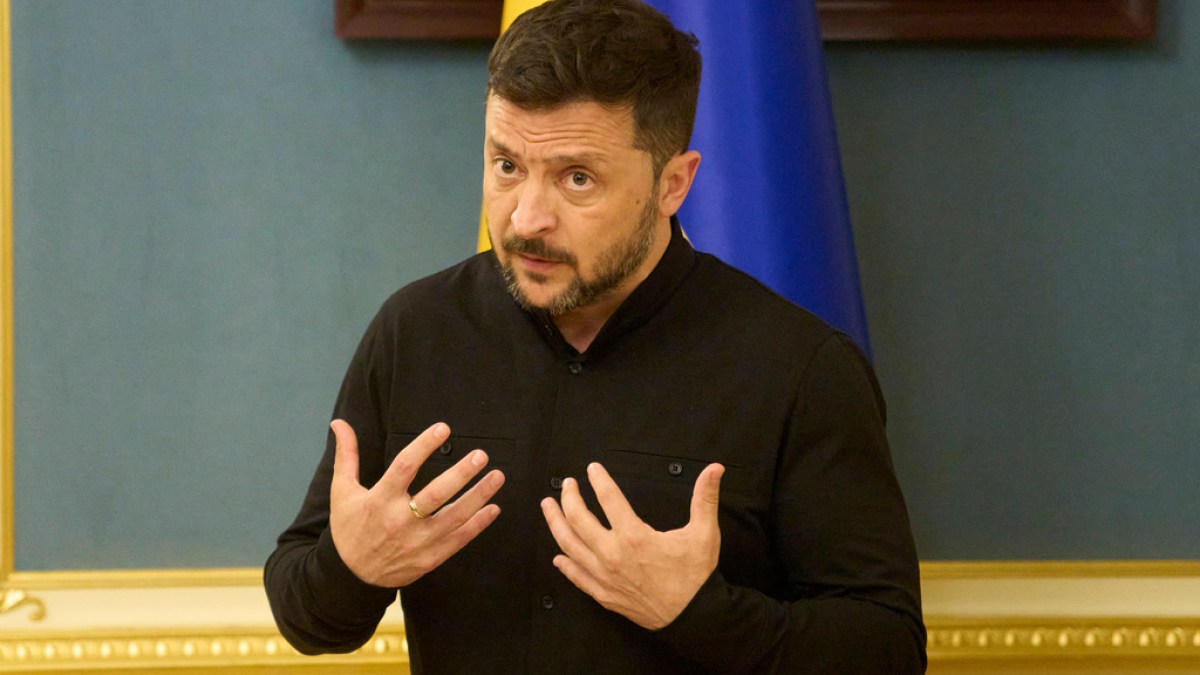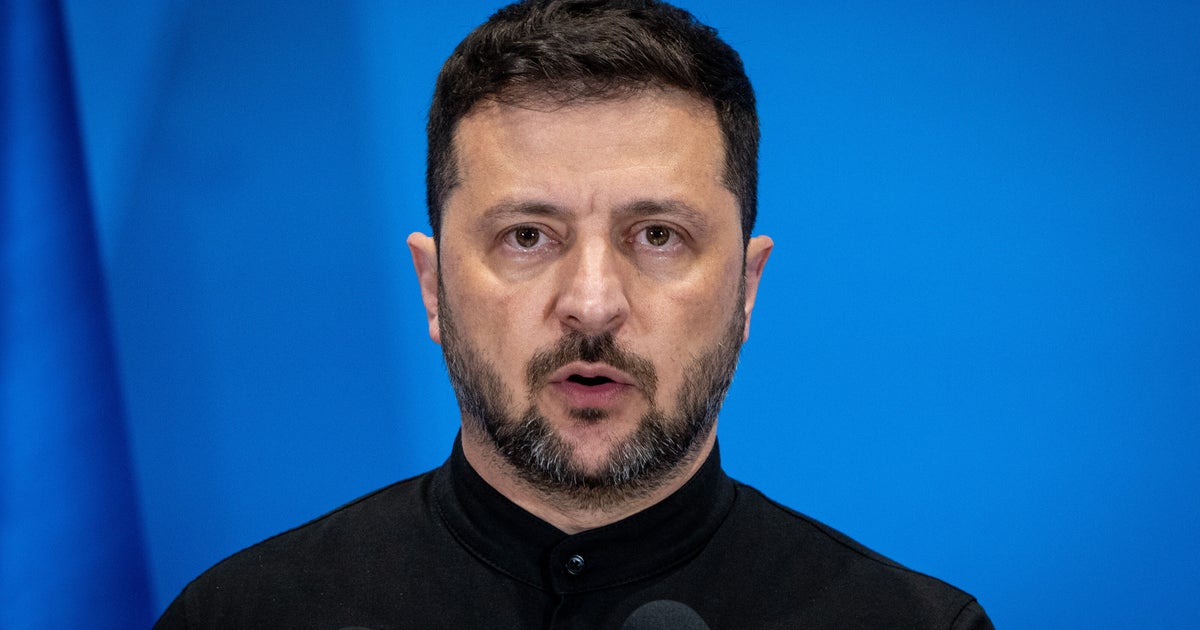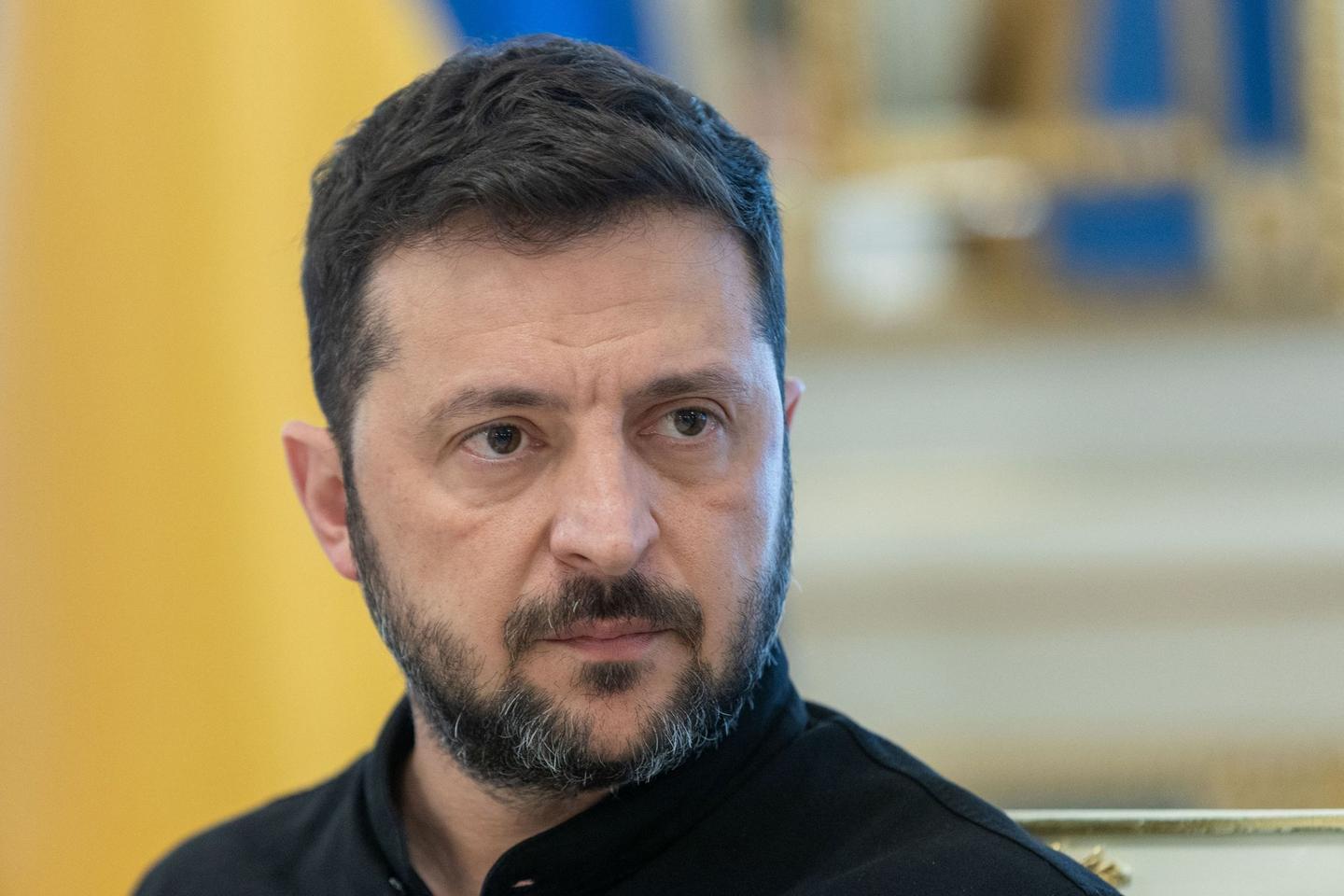
Stripping anti-corruption agencies of their independence was a terrible – and unpopular – move. There are broader lessons for the president in this crisis
W
hen Russian troops rolled across the border in 2022, it established a new contract between Ukrainians and their president. The existential need for unity was cemented by admiration for Volodymyr Zelenskyy’s courage, and recognition of his ability to articulate the national mood and rally international support.
Ordinary politics were suspended. Critics who were already suspicious of his populist instincts and centralising tendencies did not want to aid Russia’s cause. They understood that wartime could require a different mode of leadership. This informal contract essentially held despite growing concerns about the concentration of power, the role of Mr Zelenskyy’s right-hand man, Andriy Yermak, and the departure of popular figures seen as potential rivals – notably the military chief Valerii Zaluzhnyi, now ambassador to London, and the foreign minister Dmytro Kuleba.
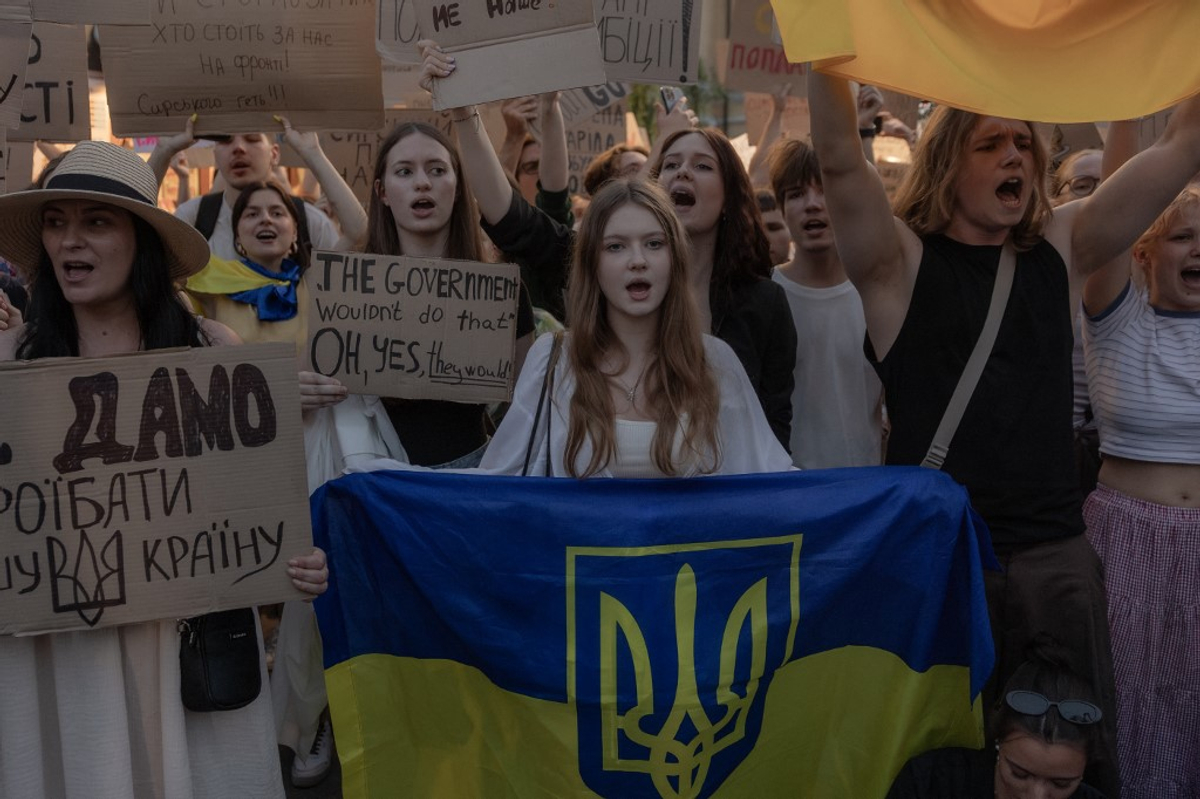
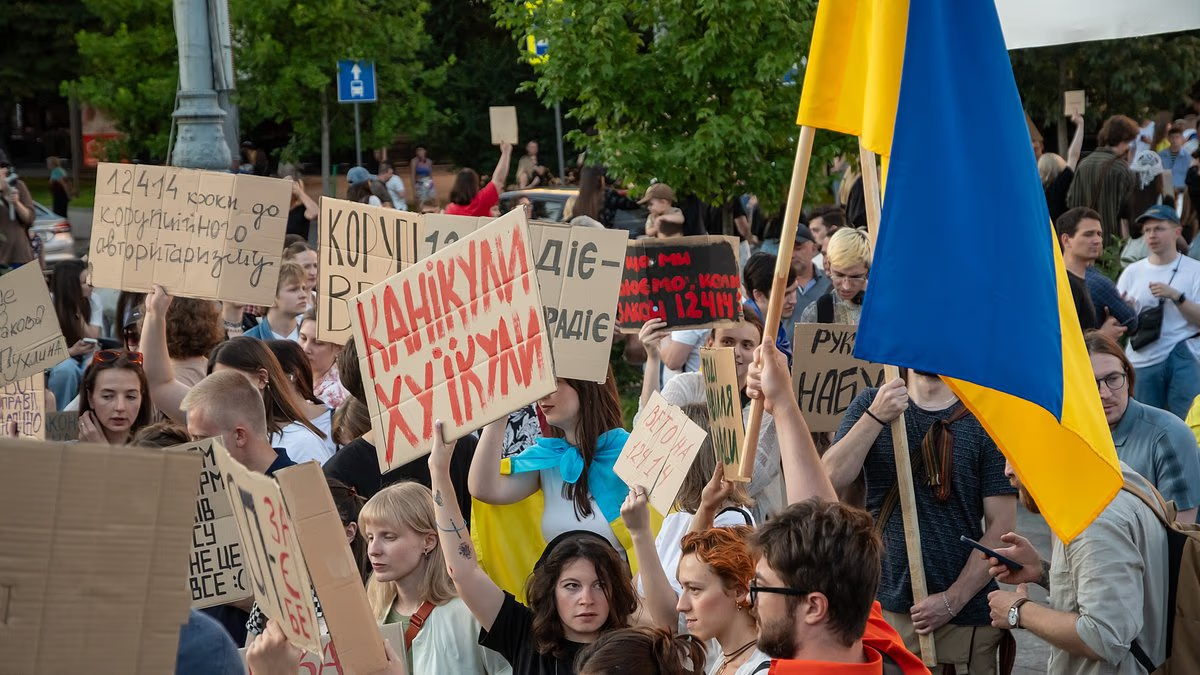
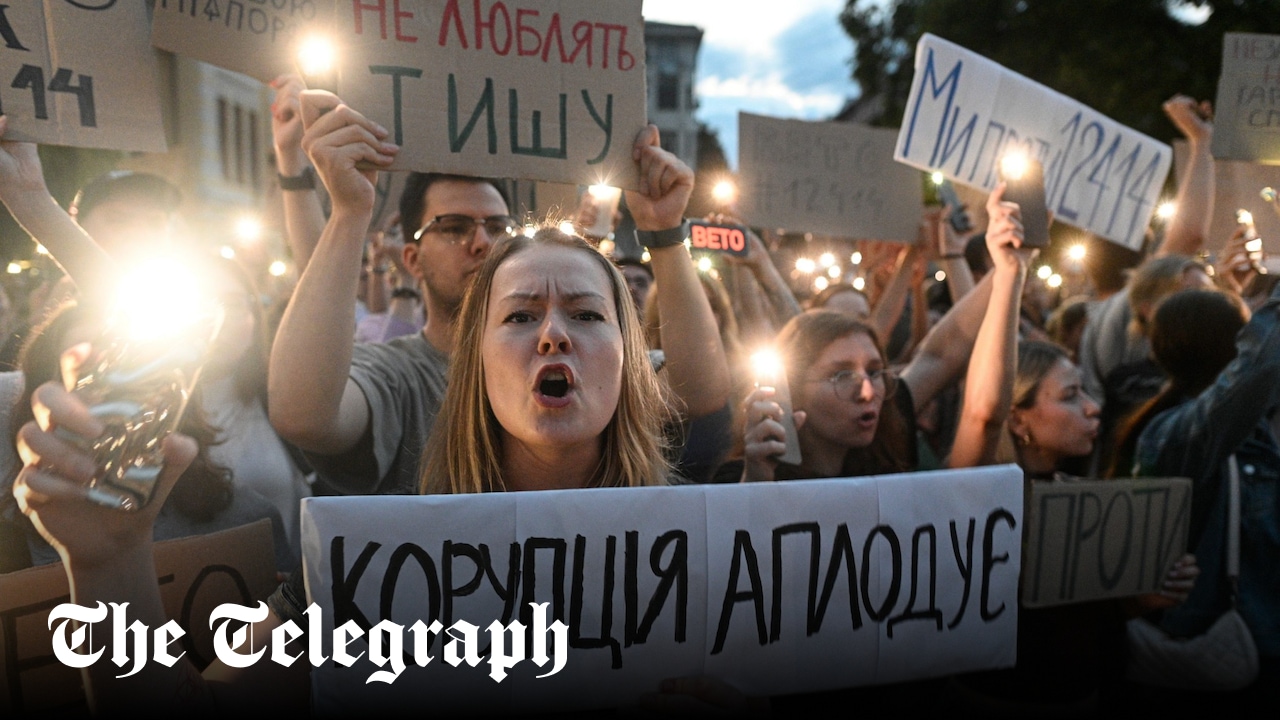
It is Mr Zelenskyy himself who broke it by stripping independence from Ukraine’s key anti-corruption bodies this week – prompting the first significant protests since the full-scale war began, with thousands demonstrating in Kyiv and other cities. The legislation brought the national anti-corruption bureau and specialised anti-corruption prosecutor’s office under the prosecutor general’s control – allowing him to access case files and to oversee and even close investigations. Demonstrators were angered by the way these changes were rushed into law as well as by their substance. The suspicion is that allies of the president felt under threat from investigators.