This spring, my wife and I moved from the Denver suburbs into the Colorado Rockies. The high-altitude retreat presented a welcome reprieve from our otherwise tech-dominated lives. As remote workers, however, we faced certain challenges, and technology was the only reason our move was possible in the first place.Prior to my time at El Reg, I, among other things, breathlessly covered a subset of the networking industry, which as it happens had become big business following the COVID-19 outbreak and the pandemic that followed. I’m speaking, of course, about software defined wide-area-networking (SD-WAN).Little did I know, a mere six years later, this technology would become essential to my wife and me.
Had it not been for 5G and Starlink, the move might as well have been time travel. To put it into perspective just how far into the foothills we’d ventured, the fastest wired connection at our disposal was DSL. CenturyLink promised, but notably did not guarantee, up to 20 Mbps down and a staggering 1.5 Mbps up.
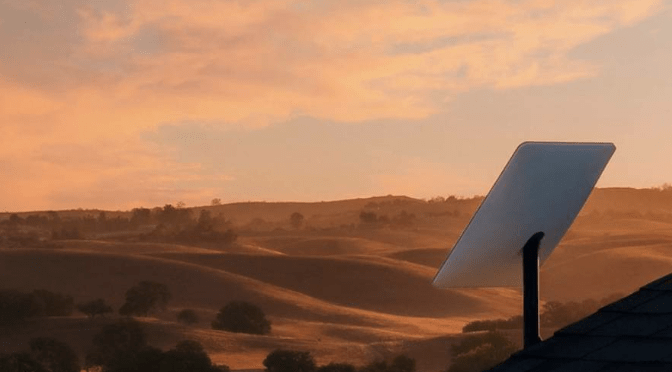
Compared to the symmetrical gigabit fiber line we’d enjoyed in the Denver suburbs for the past six years, relying on DSL alone felt positively medieval. To those, including many of my neighbors, living this reality, you have my sympathies.Thankfully, DSL wasn’t our only option. For better or worse, 5G and Starlink are helping to close the digital divide in a meaningful way — but individually they’re still far from perfect.