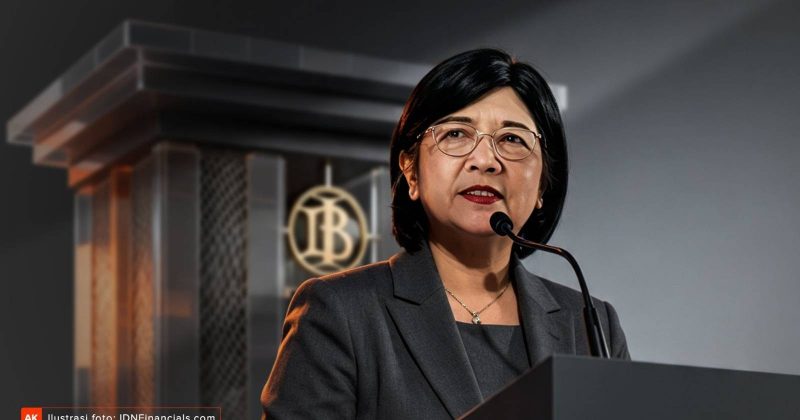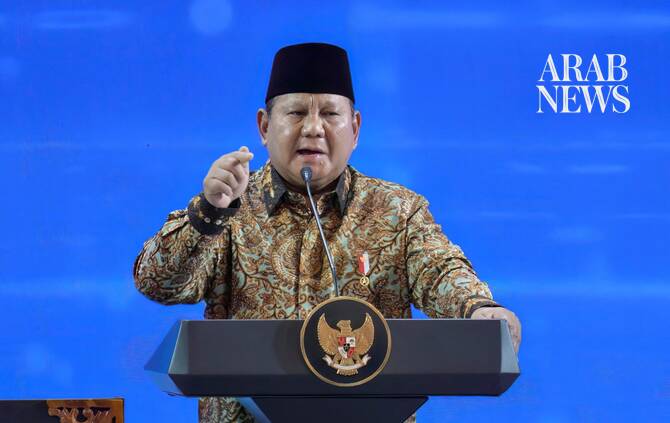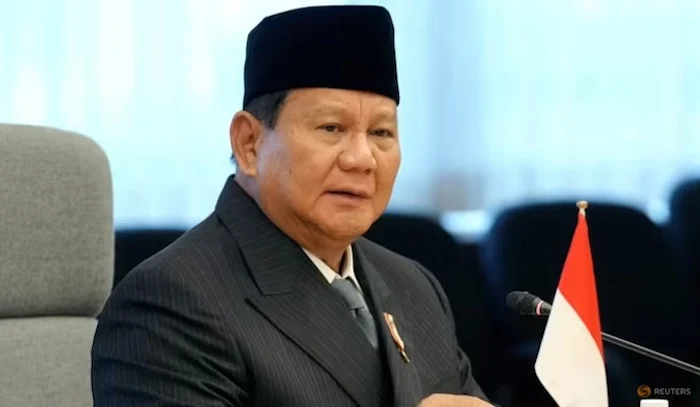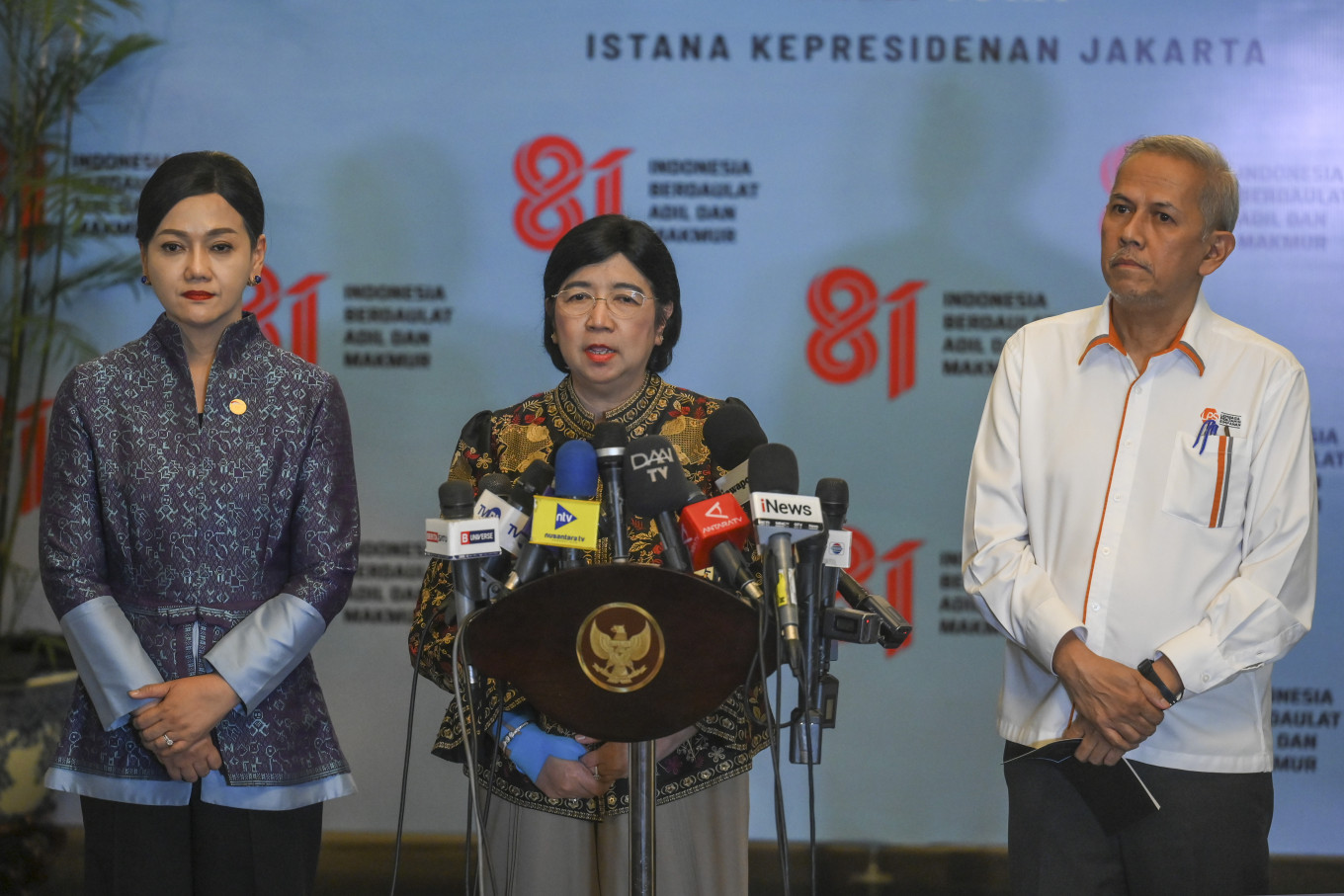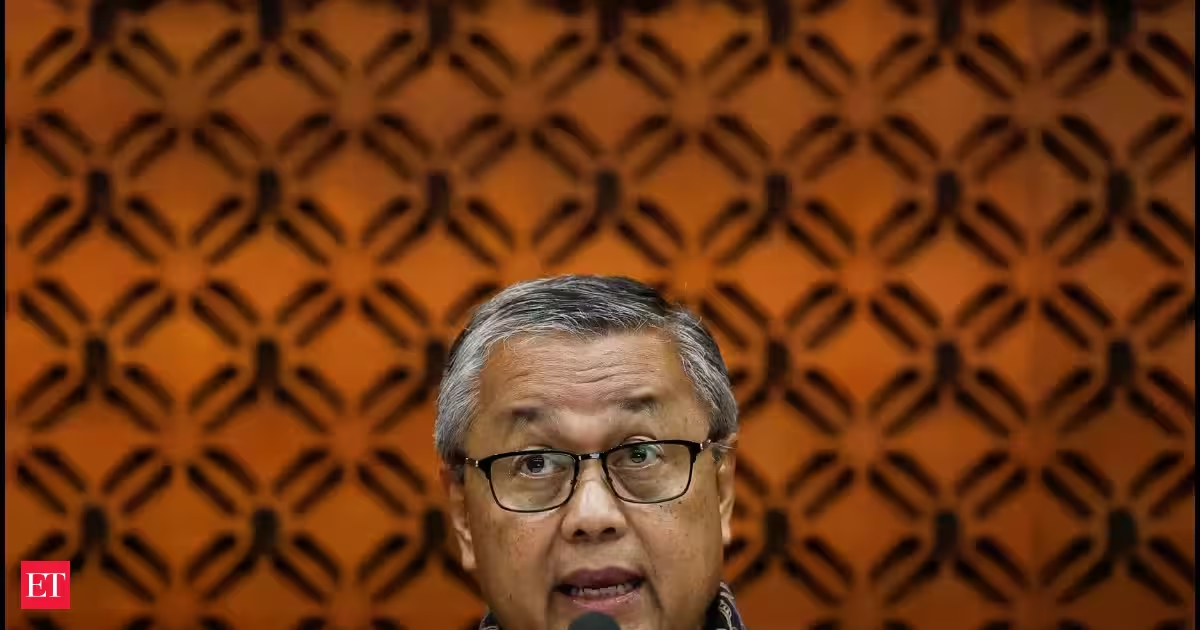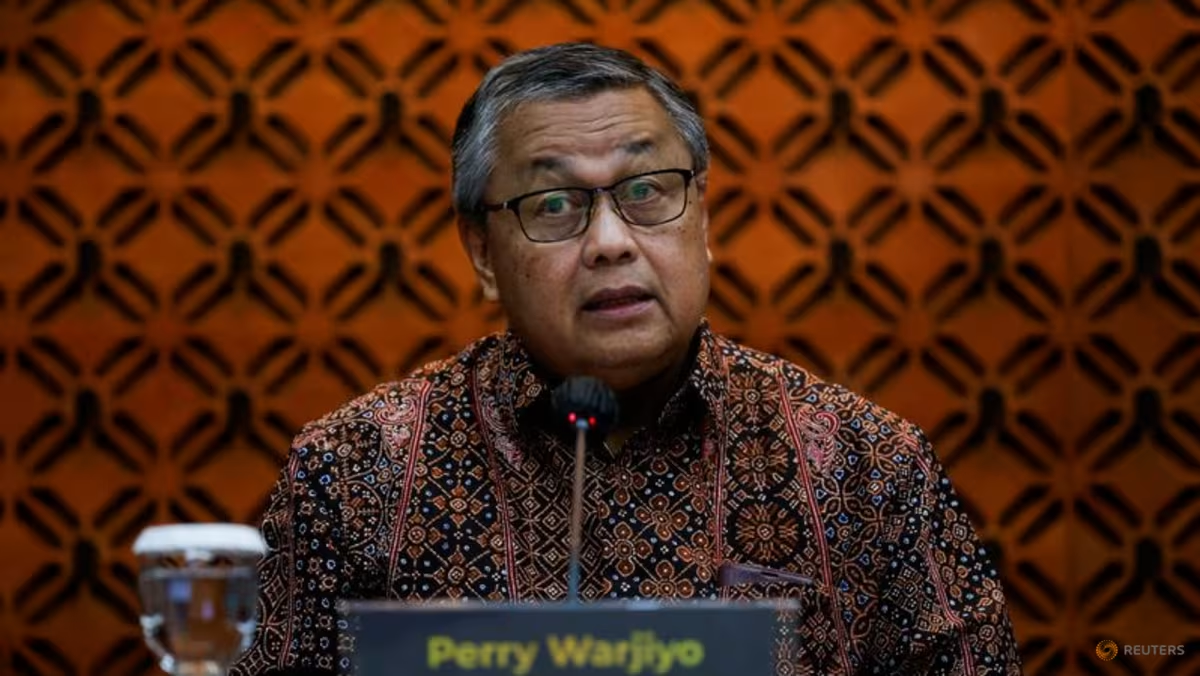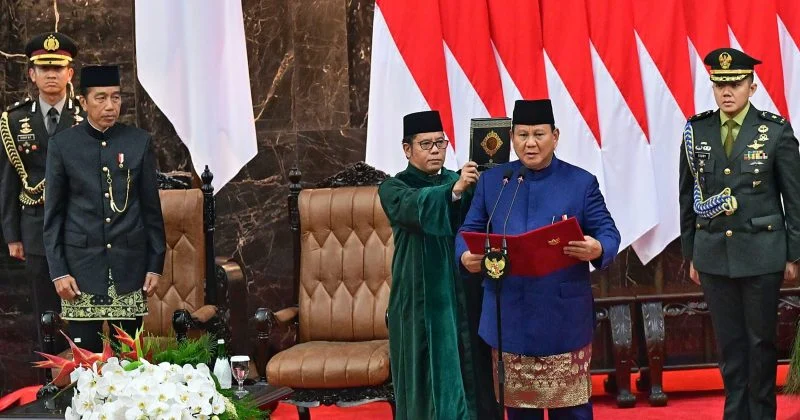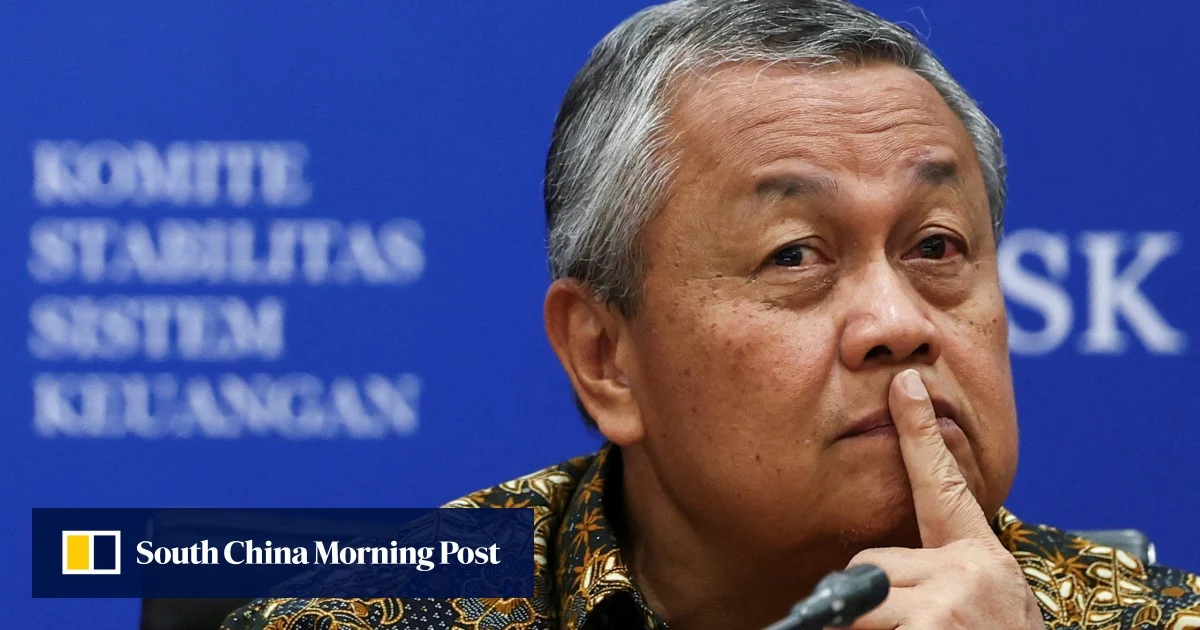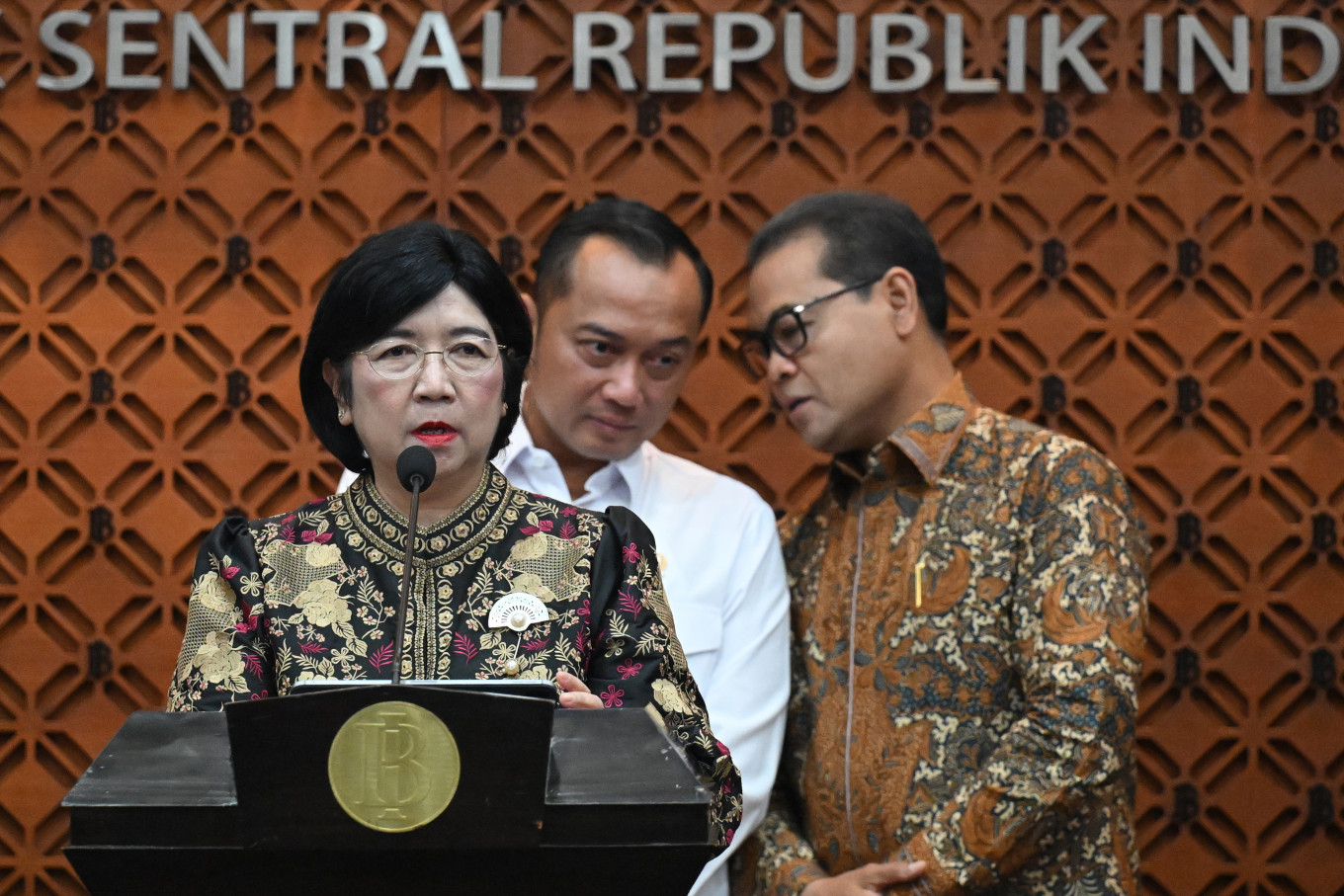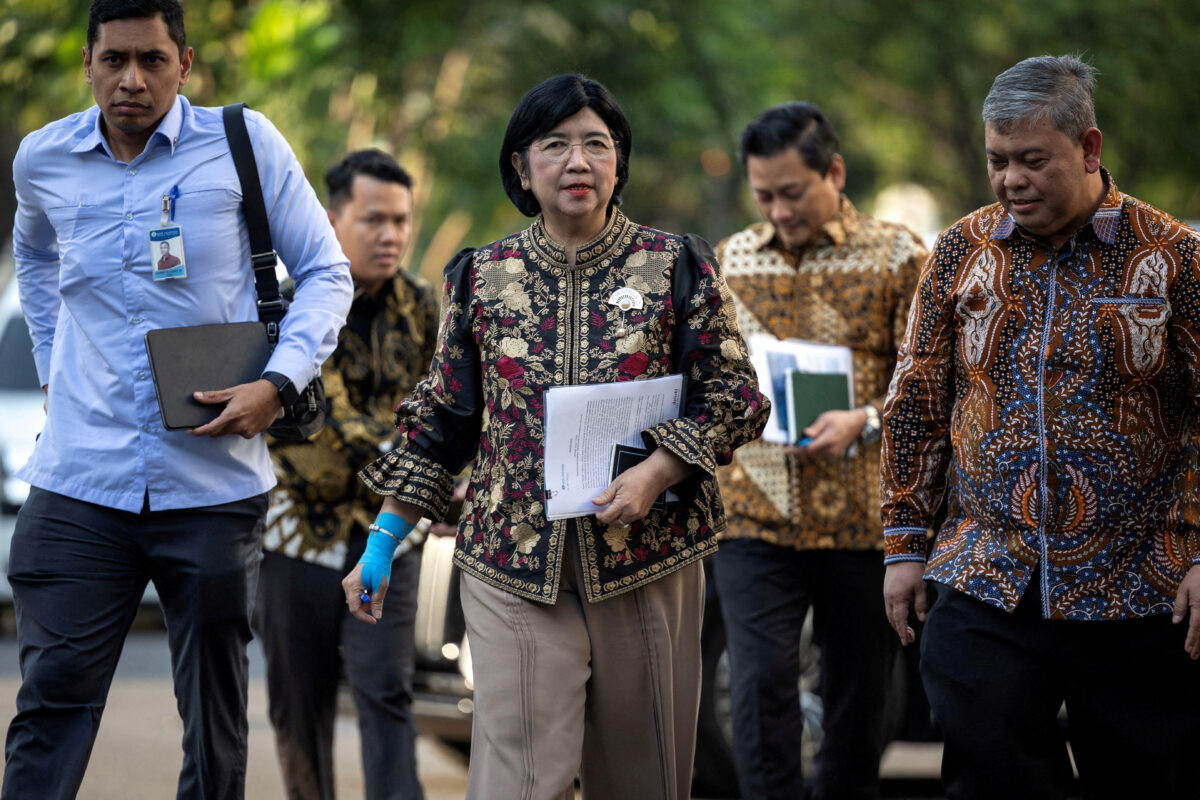
Perry Warjiyo’s abrupt resignation as governor of Bank Indonesia on 27 July 2026 has unsettled Indonesian markets. Destry Damayanti has been appointed acting governor while Indonesian President Prabowo Subianto considers a permanent successor. The immediate question is who will replace Warjiyo. The more important one is whether the new governor will be given the mandate and political space needed to succeed.
While the official explanation for Perry Warjiyo’s resignation is personal reasons, markets immediately understood the institutional stakes. The Indonesian rupiah and share prices weakened after the announcement, while S&P Global Ratings warned that the change could add to the uncertainty about the direction of Indonesia’s monetary policy. In early 2026, Moody’s Ratings and Fitch Ratings had already revised their outlook on Indonesia to negative amid concerns about policy predictability and credibility. The eventual appointment of a new governor of Bank Indonesia will serve as a signal of how Prabowo is governing the economy.
The job is a poisoned chalice. The rupiah remains at near historic lows. Financial markets are weak. Foreign exchange reserves have been drawn down, fiscal risks are rising and global conditions are unstable. The next governor of Bank Indonesia may have to impose some pain before the economy returns to a sustainable trajectory.