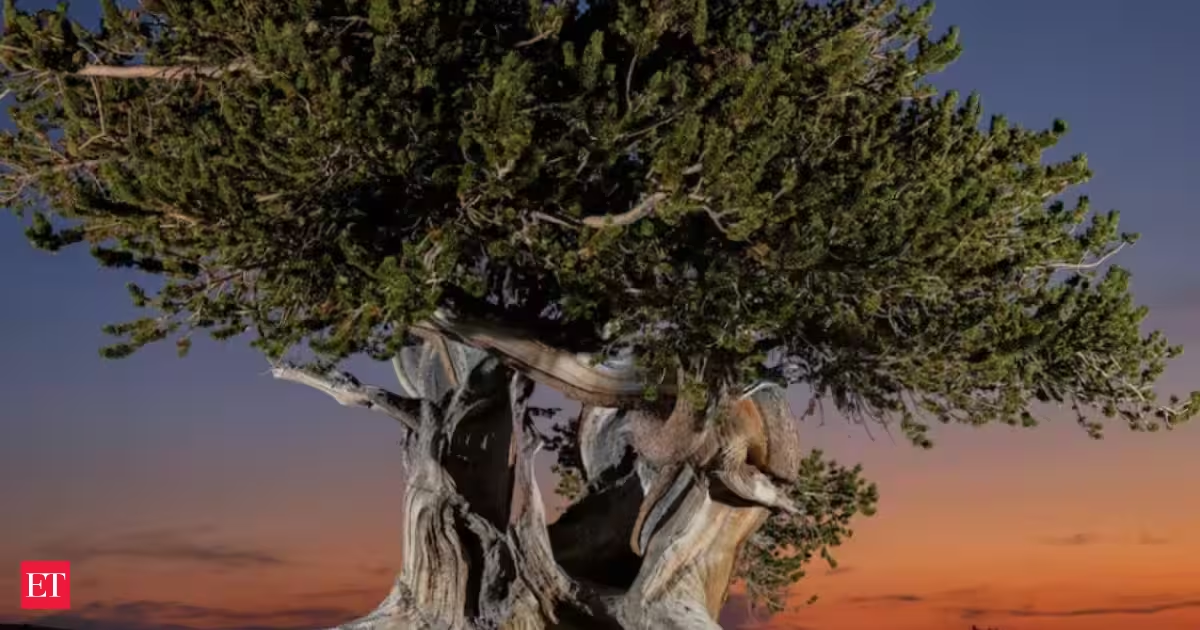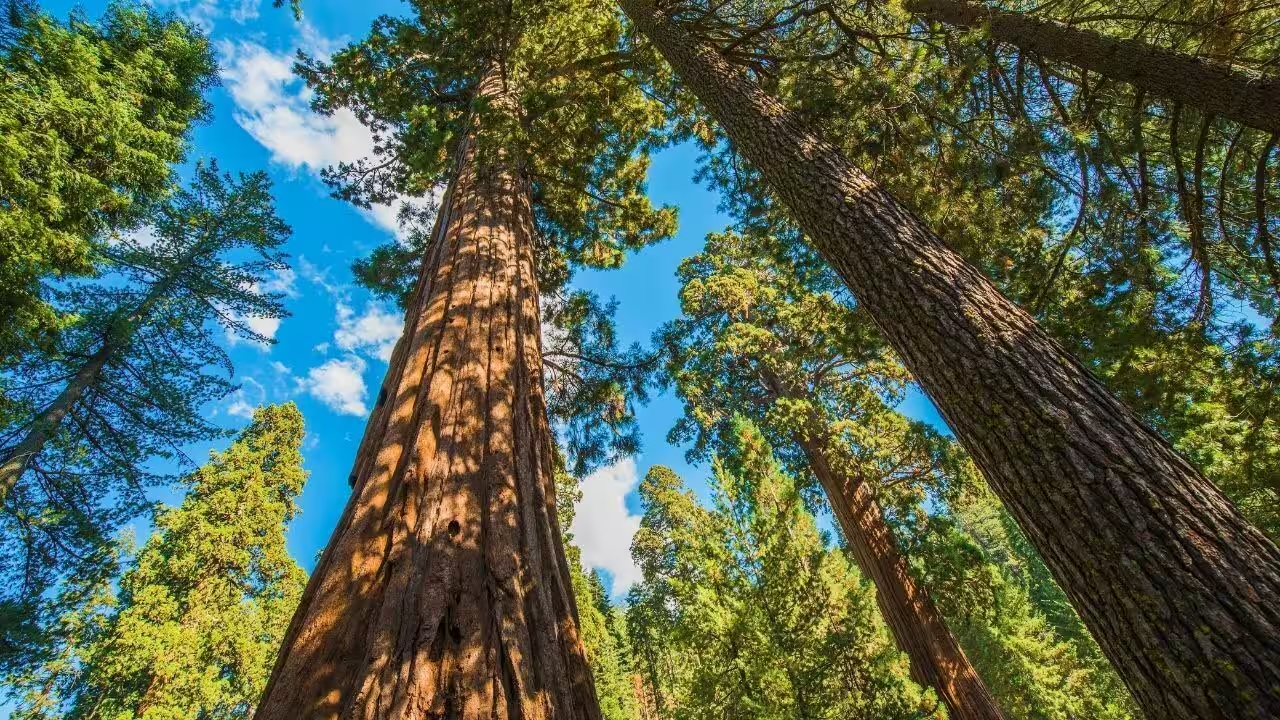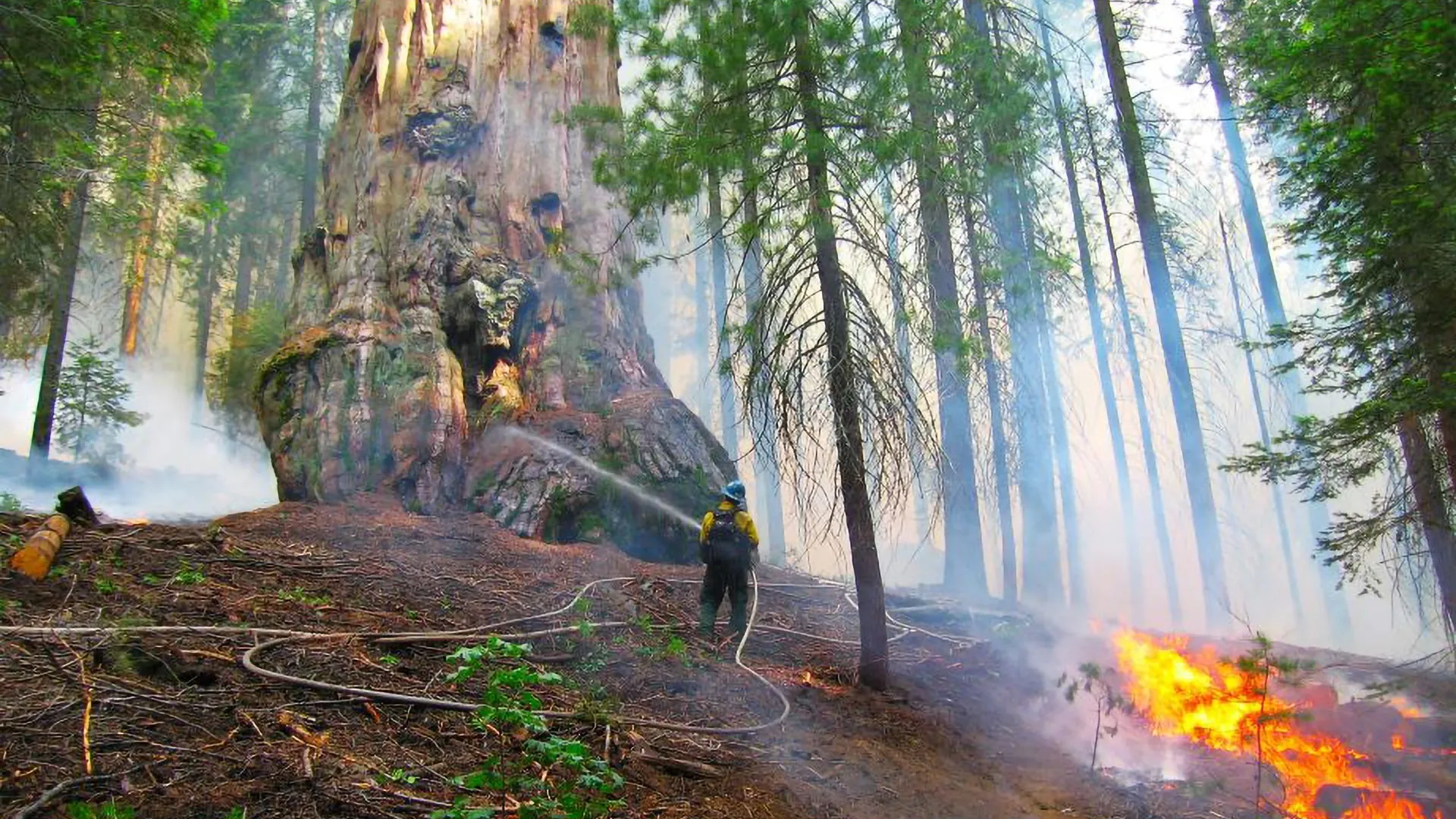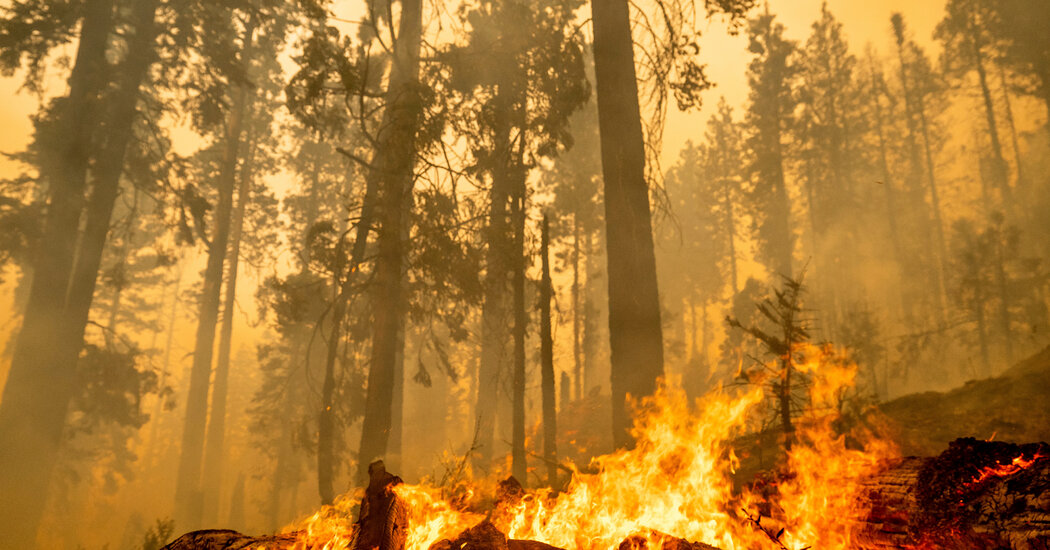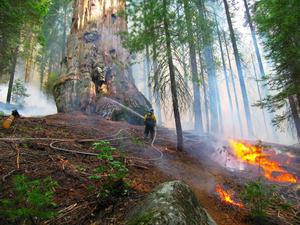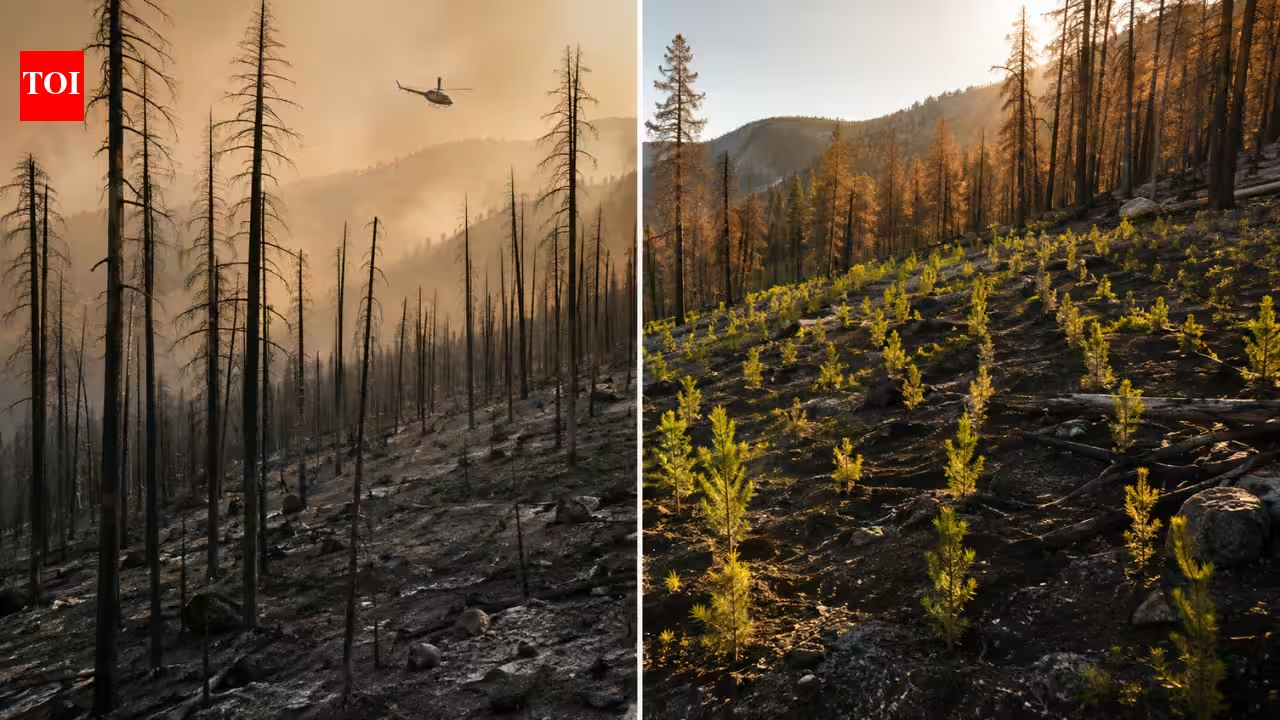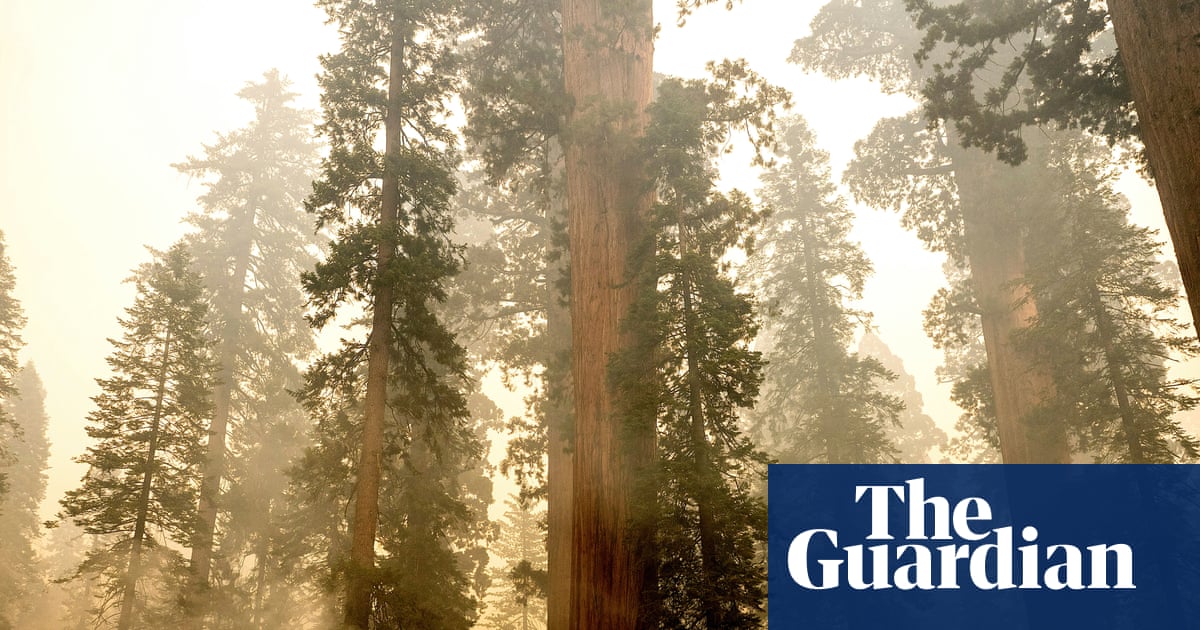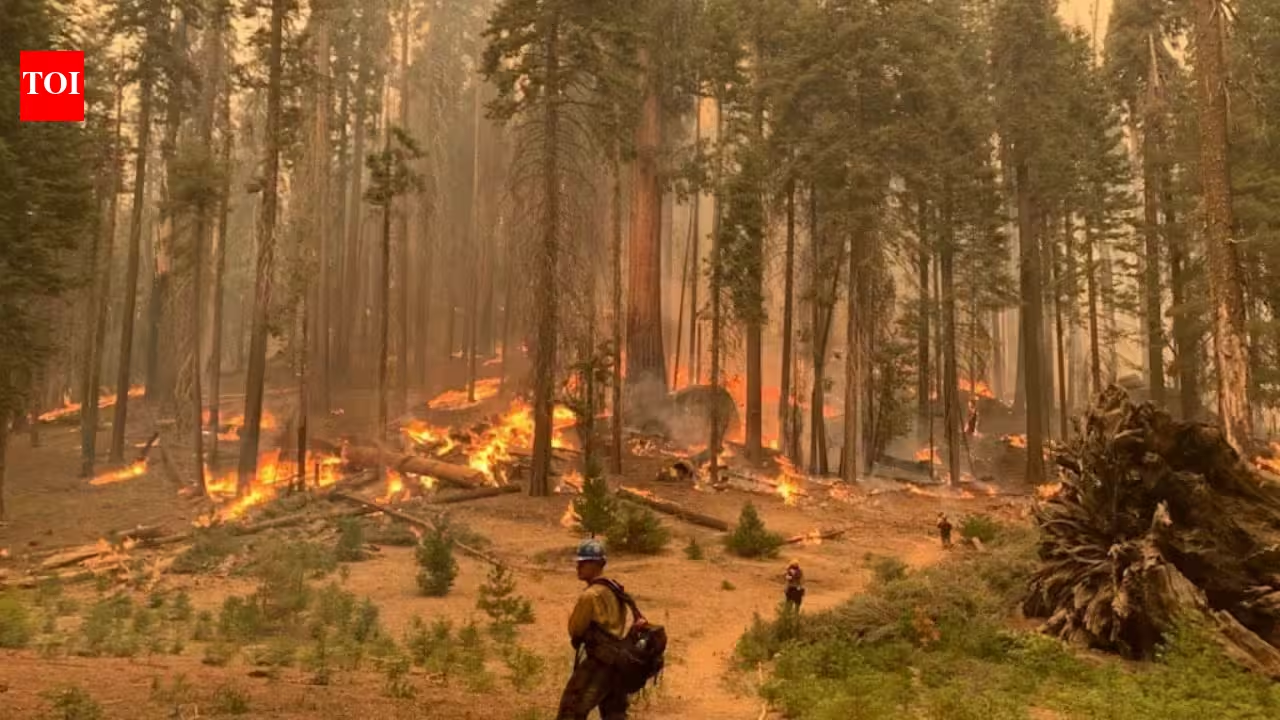
Giant Sequoias photographed into the sky. Image Credit: Tuxyso/WikipediaGiant Sequoias of California are some of the most resilient trees on Earth, surviving for over 3000 years. These ancient giants, weigh almost equal to 15 blue whales, and were considered completely fireproof for a long time due to their thick bark and tall canopies. However, recent changes in climate and over 100 years of fire suppression have changed the forest landscape, leading to a destruction level never seen before.Between 2020-21, intense wildfires across the Sierra Nevada mountain range destroyed nearly one-fifth of the world’s mature giant sequoia population. To address this crisis, researchers from the University of California, Davis, and Nasa conducted a comprehensive study published in 'Nature' to evaluate forest management techniques. Their findings confirm that controlled, intentional fire is not just a preference but a vital necessity for the survival of these Californian trees.How can controlled fires protect giant Sequoias of CaliforniaIt may seem counter-intuitive to start a fire to save a forest, but low-intensity fire is a natural requirement for giant sequoias. The University of California study points out that these trees have thick, protective bark designed to withstand heat, and their cones actually need the heat of a fire to release seeds. Prescribed fire(also known as controlled burning) mimics these natural cycles by ending the ‘fuel’ on the ground.By intentionally burning away underbrush and dead wood in safe weather conditions, land managers prevent these materials from fueling a much larger megafire later on. This process clears the competition for resources like water and sunlight, allowing these trees to thrive. Without this maintenance, a wildfire can climb from the forest floor into the high canopy, killing even the oldest trees.Firefighters monitor a low-intensity burnout operation in a giant sequoia grove. Image Credit: Thomas Chavez, (National Park Service)What risks these giant Sequoia trees are facing right nowThe survival of these massive trees is being threatened by a combination of forest management and modern climate pressures. For decades, the preferred strategy was fire suppression, which means extinguishing every flame as quickly as possible. As highlighted in ‘California’s Strategic Plan for Expanding the Use of Beneficial Fire,’ this ‘fire exclusion’ led to an unnatural build-up of undergrowth and dead wood on the forest floor. When fires inevitably do break out in these cluttered environments, they burn with far more intensity.The 2020-21 wildfire seasons were particularly devastating, with the Castle and KNP Complex fires burning through the Sierra Nevada. Nasa reports that these two years alone saw 19% of the total mature giant sequoia population destroyed. This is a tragic shift for a species that is only naturally found on the western slopes of this mountain range. These trees are essential to the ecosystem, acting as massive carbon sinks and providing structural habitats for birds and mammals.Two giant sequoias, Sequoia National Park. Image Credit: WikipediaImportant findings by the University of California and NasaThe recent collaborative research provides the strongest scientific evidence yet that these management techniques work. As detailed by Nasa, researchers used lidar (laser-based mapping) and high-resolution satellite imagery, to track over 26,000 individual sequoias across 19 different groves. This allowed them to see through the smoke and forest canopy to understand exactly how previous treatments impacted survival.The results showed that trees which had been treated with prescribed fire in the previous decade were nearly four times more likely to survive extreme wildfires than those in untreated areas. As per the UC Davis report, simulations suggest previous prescribed burns saved approximately 1,800 or 1,900 giant sequoias during the recent record-breaking fire seasons. If every tree in the groves had received such treatment, the study estimates that an additional 3,900 of these ancient giants would still be standing today.Why is cultural burning becoming a priority for the stateA significant part of the new strategy involves borrowing the wisdom of the original stewards of the land. California’s Strategic Plan acknowledges that Native American tribes practiced cultural burning for thousands of years before colonisation, creating a healthy different stages in the forests. As Margo Robbins of the Cultural Fire Management Council explains, fire was used to rejuvenate the land and sustain traditional food and medicinal plants.The state is now working to revitalise these practices by integrating tribal organisations and cultural fire practitioners into management projects. This includes creating grant-based programmes to support tribal leadership and respecting tribal sovereignty over cultural burning on forest lands. By merging ancient practices with modern science, California hopes to restore the forests with a balance and resilience for future generations.
Scientists are deliberately setting fires to save California’s 3,000-year-old giant sequoias from being destroyed by megafires
Giant Sequoias of California are some of the most resilient trees on Earth, surviving for over 3000 years. These ancient giants, weigh almost equal to 15 blue whales, and were considered completely fireproof for a long time due to their thick bark and tall canopies.
751 words~3 min read