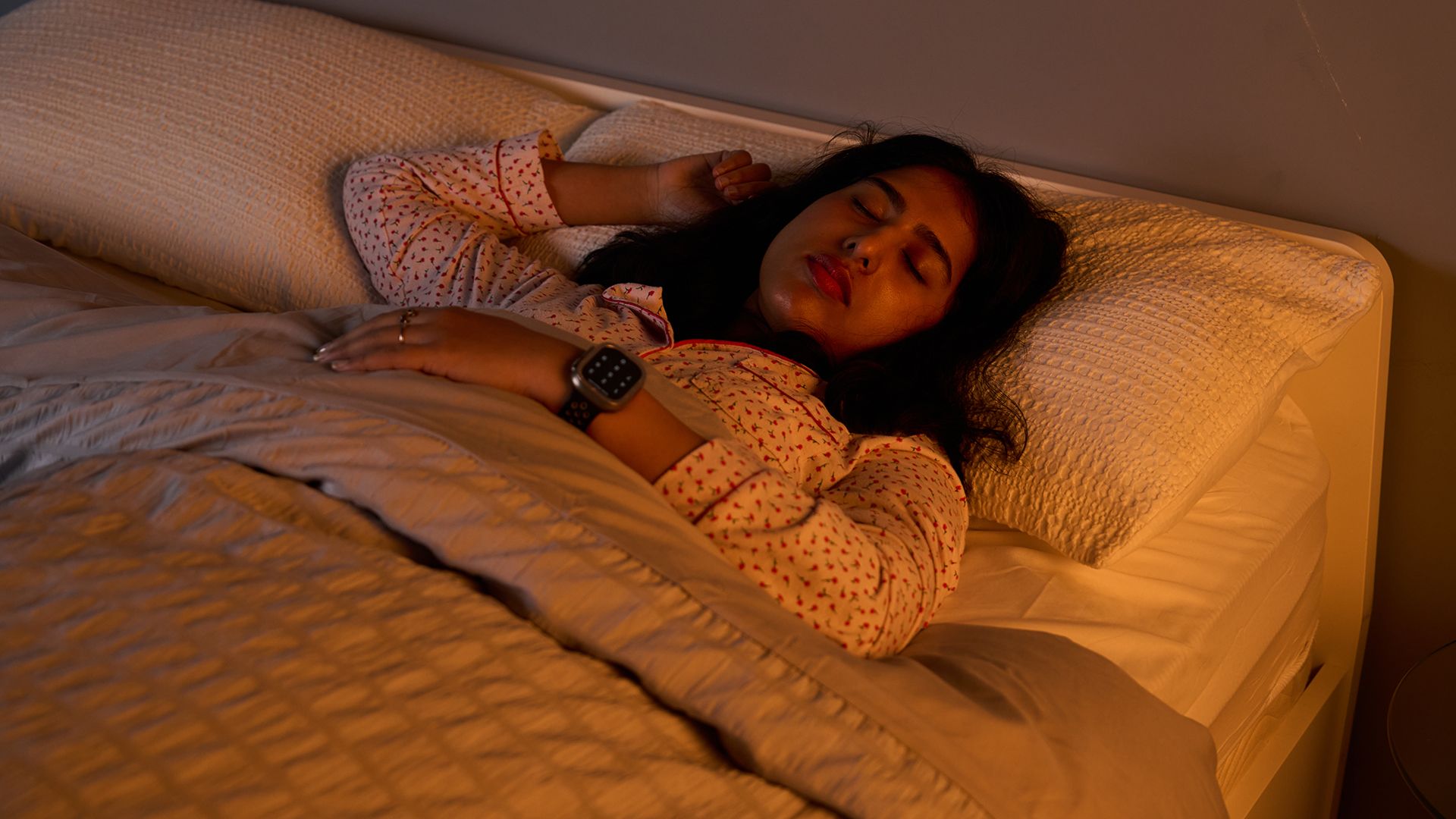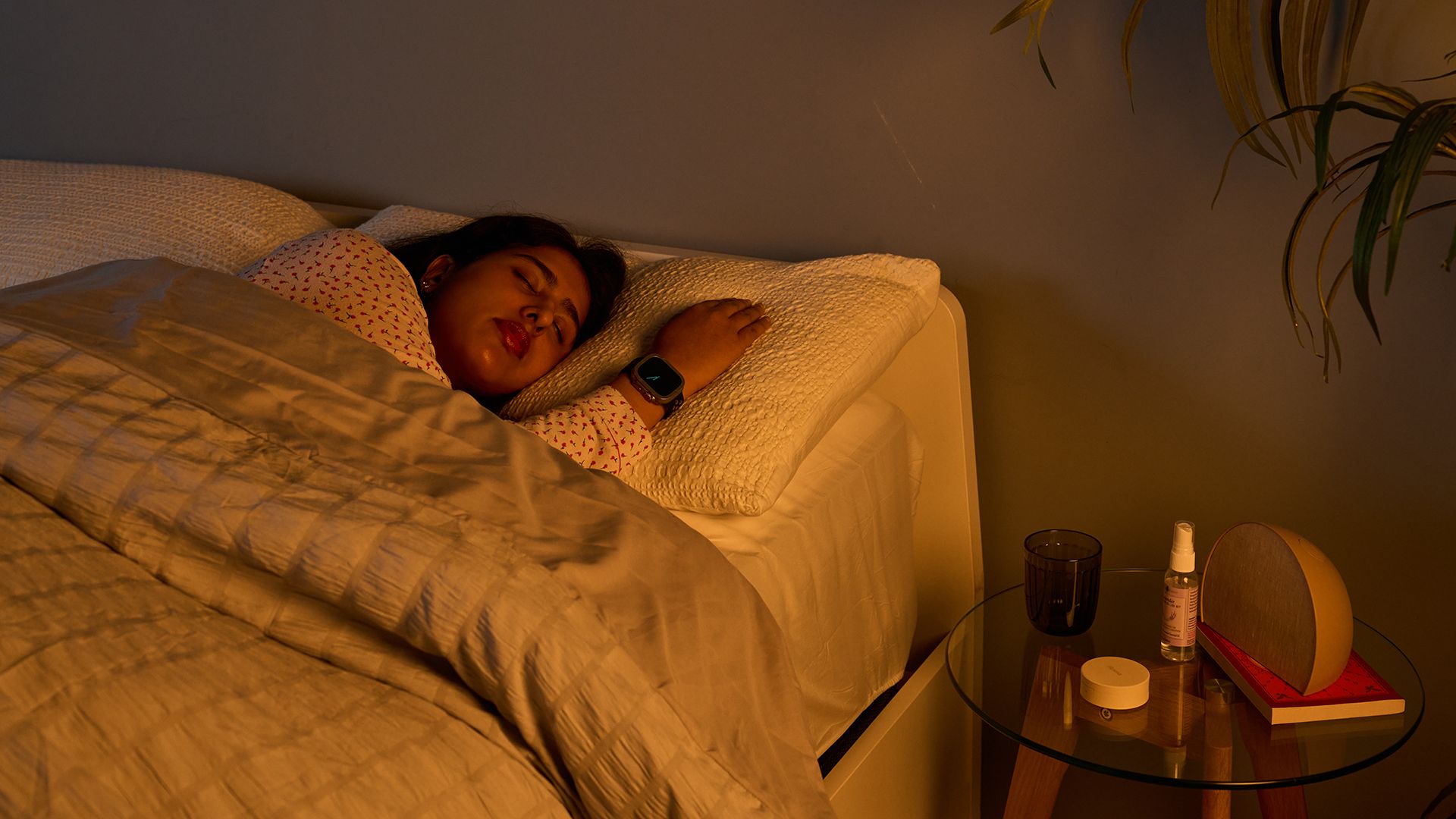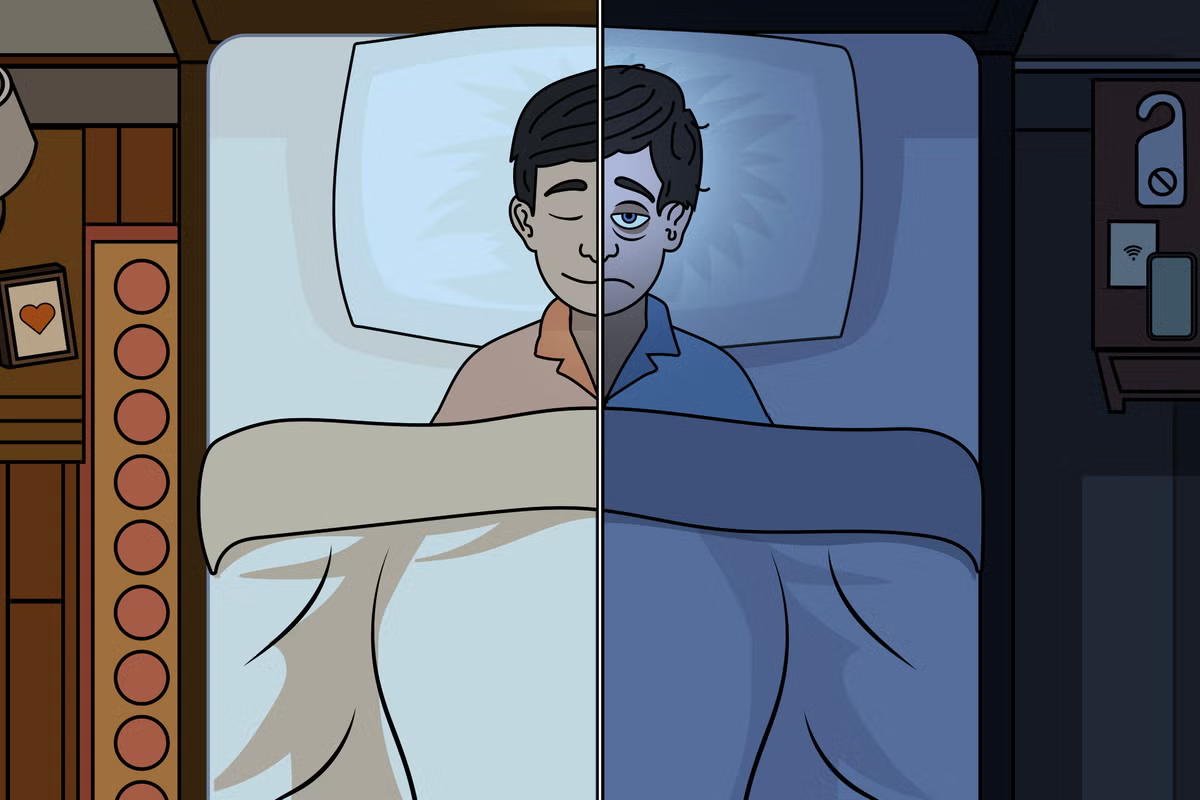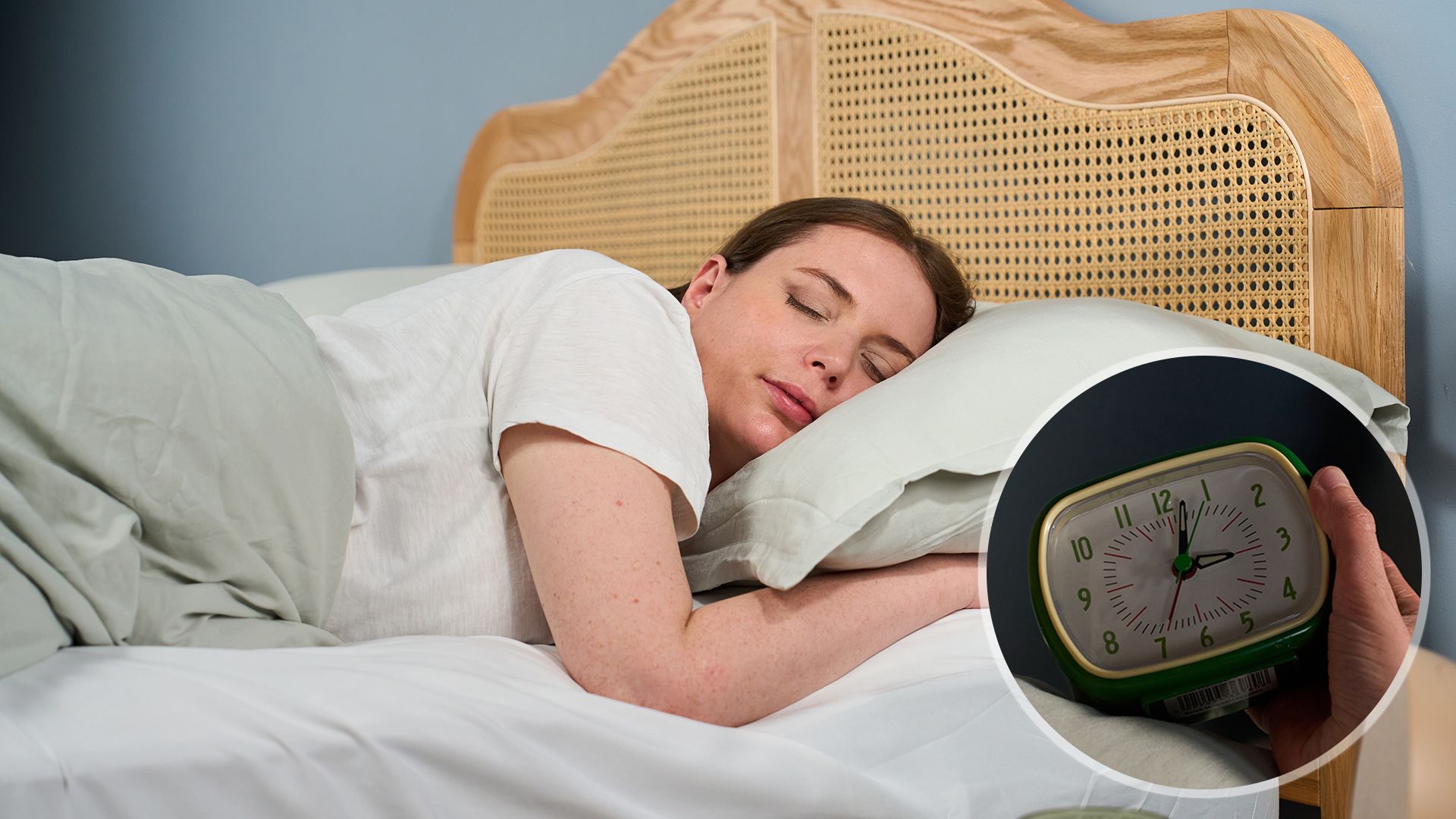
It's 3 a.m. and your brain refuses to shut off, but all you want is some shut-eye. When I recently found myself struggling with the dreaded middle insomnia, I decided to stress-test a sleep expert's strange hack: the 'fake blink'.This calming method stops your brain from wandering, so you can get back to sleep. It only takes 30 seconds to work and I found it effective from night one.So I asked the experts why something as simple as a 'fake blink' can be the key to falling asleep at 3 a.m. Here's what they told me, as well as explaining the three different ways to do it...Key takeawaysWaking up at 3 a.m. can leave you 'tired but wired' — your body is ready for sleep but your brain is awake.Using a calming cognitive technique helps you relax again and quickly stops your brain from becoming aroused.Because you feel calm, you have a better chance of falling asleep fast again.What is the 'fake blink' method?Few sleep hacks are as simple as the 'fake blink'. Get comfy in bed, close your eyes, and open them again. Repeat for around 30 seconds or until you feel sleepy.“The 'fake blink' technique works mainly through causing physical tiredness in the eyelid muscles (specifically, the levator palpebrae muscle) by creating both physical and mental distraction,” explains Dr. Lori Bohn, Medical Director at Voyager Recovery Center.There are a few types of 'fake blink' to try:Slow blink: Close and open your eyes slowly and gently, as if your eyelids are too heavy to keep up. Repeat this every 3 to 5 seconds.Shortened blink: Quickly open and close your eyes with a fluttering sensation — as if you're blinking to keep yourself awake.Reverse blink: Close your eyes for a few seconds before quickly opening them, like you've started drifting off when you're trying to stay awake."If the technique works for someone, it's likely because it promotes relaxation and decreases mental arousal, which are important for falling asleep naturally," explains Dr. Shelby Harris, sleep expert at BetterSleep.Get instant access to breaking news, the hottest reviews, great deals and helpful tips."That said, it's not the blinking itself that causes sleep," she adds. "There's no strong scientific evidence that shows slow blinking directly triggers the biological processes that make us fall asleep."Why the 'fake blink' method helps you fall asleep fast
I kept waking up at 3 a.m. with racing thoughts — until I tried the 30-second 'fake blink' hack to fall asleep fast
Feeling tired but wired? Experts explain how this simple technique can soothe busy brains and help you fall asleep fast
1,023 words~5 min read