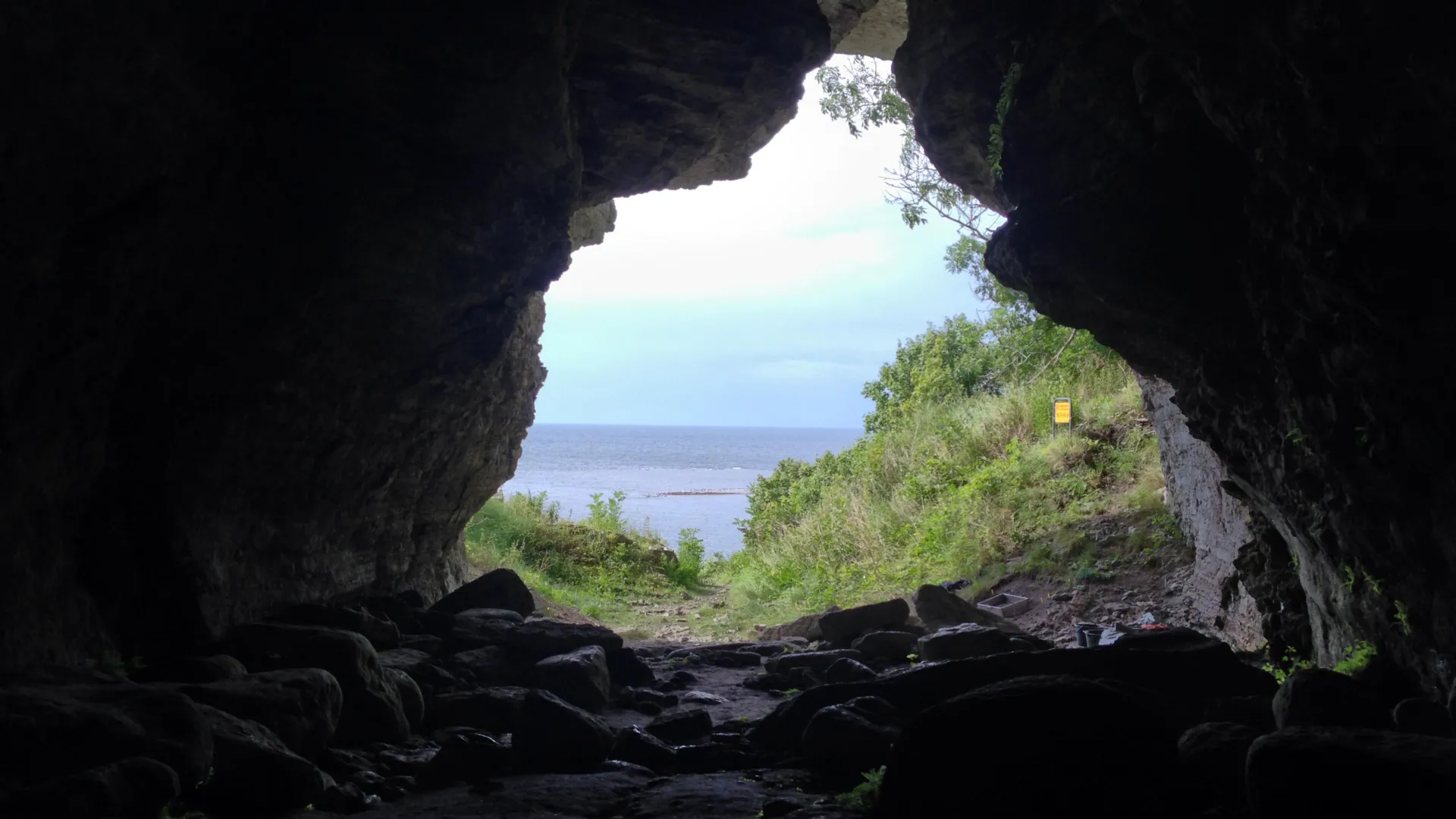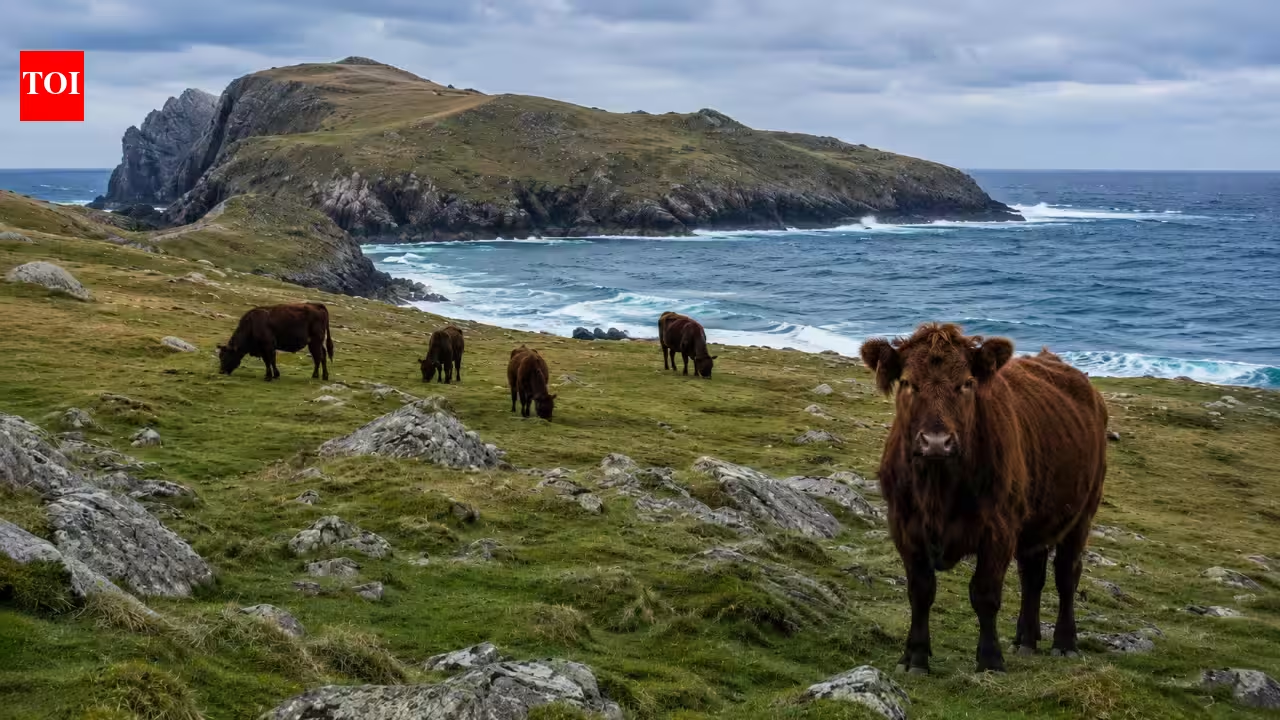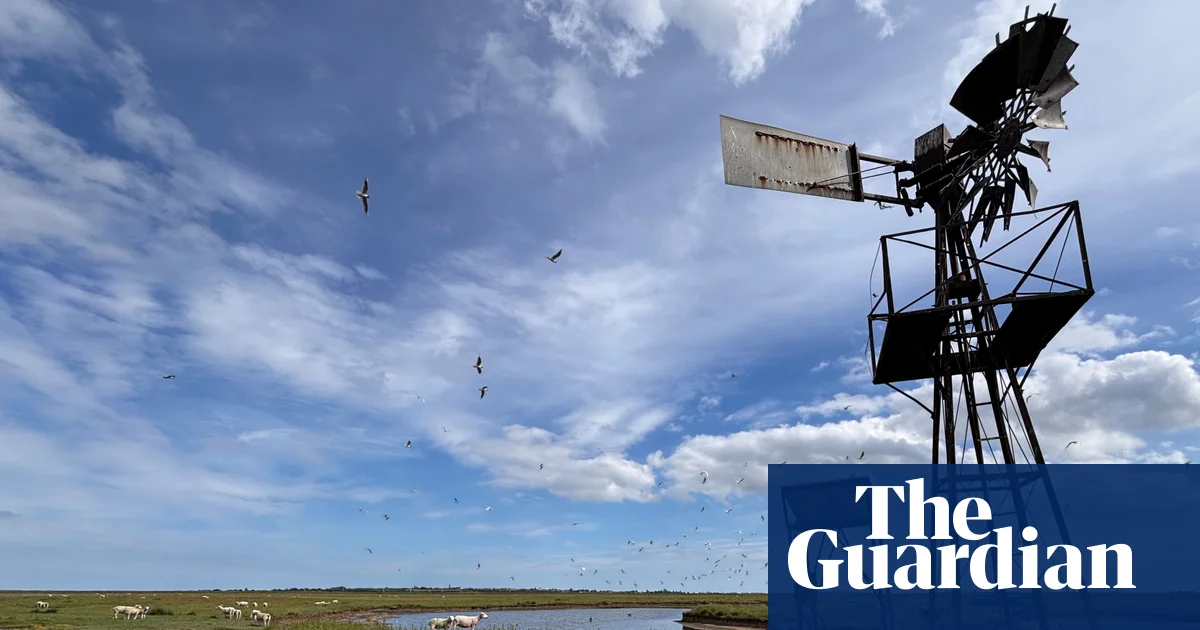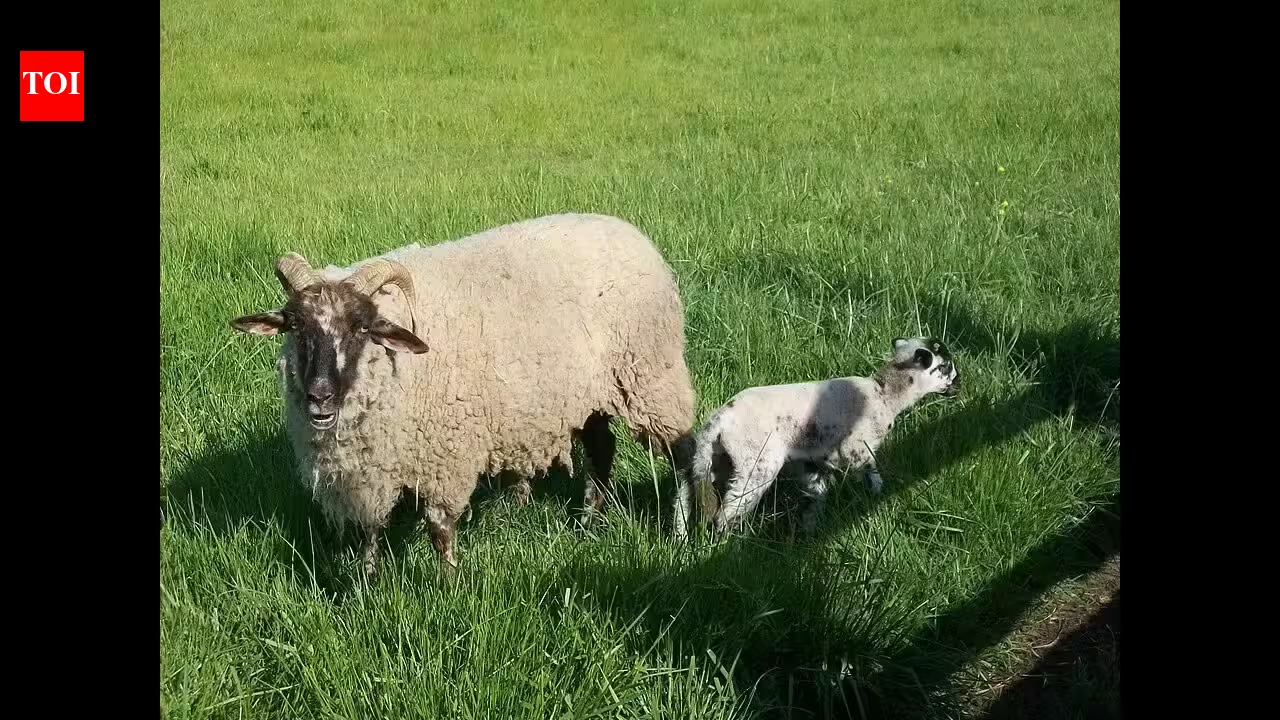
Feral sheep graze freely across the rugged, windswept landscape of Hog Island. Image Credits: Wikimedia Commons.On Virginia's Eastern Shore, Hog Island was once a remote coastal community where families farmed, fished and raised livestock amid shifting dunes and marshes. Among the animals that shaped island life were small sheep allowed to roam freely, with people gathering them mainly for shearing and marking.According to the U.S. Geological Survey, the turning point came in 1933, when a powerful hurricane inundated Hog Island, damaged homes and destroyed much of its protective pine forest. Further storms and worsening erosion made life increasingly difficult, and residents gradually moved to the mainland, taking much of their livestock with them. Some sheep remained on the island, where they continued to graze and reproduce without regular human care.A sheep shaped by an islandHog Island sheep trace their history to sheep of British origin brought to the Virginia coast during the colonial period. Their exact ancestry remains uncertain, but generations of isolation on the barrier island helped shape the population into a distinctive type. According to The Livestock Conservancy, Hog Island sheep are relatively small compared with many modern commercial breeds, with mature animals weighing between 90 and 150 pounds. Most have white wool, although about 20% are black, while both ewes and rams can have horns. Their limited intensive breeding and management also contributed to the hardy characteristics associated with the breed.On Hog Island, the sheep had to find their own food and cope with wet, exposed conditions. They grazed on marsh grasses and other vegetation, while freshwater was available in shallow pools dug into the sandy ground. Over time, this environment favoured sheep that could survive with little intervention.The flock that survived without peopleThe sheep left behind continued to live on the island, effectively becoming a feral population despite their domestic origins. When conservation workers returned to the island in 1978, they were surprised to find a thriving flock that had survived despite the removal of most livestock from the island decades earlier. The remaining sheep were captured, with the last animals removed in late August that year. According to The Livestock Conservancy, 10 rams and 20 ewes were taken to Virginia Tech for research into the breed’s apparent resistance to parasites. A year-long study found that their near absence of parasites was largely due to their isolation from mainland sheep, rather than unusual biological resistance.Sea arch on Hog Island. Image Credits: Wikimedia Commons.From feral survivors to a conservation priorityRemoving the sheep from Hog Island protected the island's ecosystem but also ended the environmental conditions that had shaped them for generations. As commercial livestock production increasingly favoured larger and faster-growing animals, Hog Island sheep became less competitive, making their genetic diversity and historical characteristics more important to preserve.Research later strengthened the case for conservation. According to the U.S. Department of Agriculture, the Agricultural Research Service analysed blood samples from sheep representing multiple breeds and identified Hog Island sheep as a genetically distinctive population. The agency also preserved genetic material from the breed through its National Animal Germplasm Program.Hog Island sheep are now maintained in managed breeding programmes rather than on the island where they developed. They are kept by private breeders and historic institutions, including George Washington's Mount Vernon, which raises the breed as part of its heritage livestock programme and uses careful breeding to help conserve its small population. Mount Vernon notes that while it is uncertain whether Hog Island sheep were the breed kept by Washington himself, they resemble sheep found in the American colonies during the 1700s. The Livestock Conservancy classifies Hog Island sheep as critical, a category defined for livestock breeds with fewer than 200 annual US registrations and an estimated global population of fewer than 2,000.
In 1933, Virginia islanders began leaving Hog Island after a devastating hurricane; abandoned sheep lived wild for decades and became a rare American breed
On Virginia's Eastern Shore, Hog Island was once a remote coastal community where families farmed, fished and raised livestock amid shifting dunes and marshes. Among the animals that shaped island life were small sheep allowed to roam freely, with people gathering them mainly for shearing and marking.
624 words~3 min read