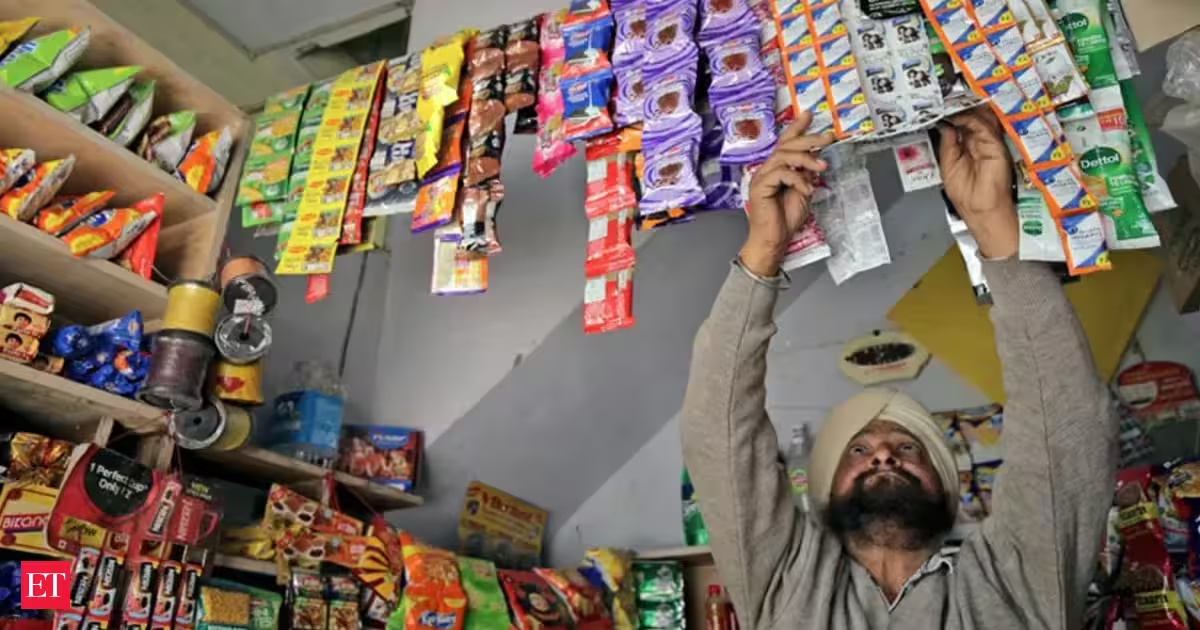
The FMCG sector, which took an average hike of around 2-5 per cent in the June quarter, is going for shrinkflation by reducing the grammage weight or selective pricing actions in the current quarter to protect margins, even as they stay watchful of inflationary pressures, crude oil volatility and weather-related risks such as the monsoon and El Nino.
| Photo Credit:
istock.com
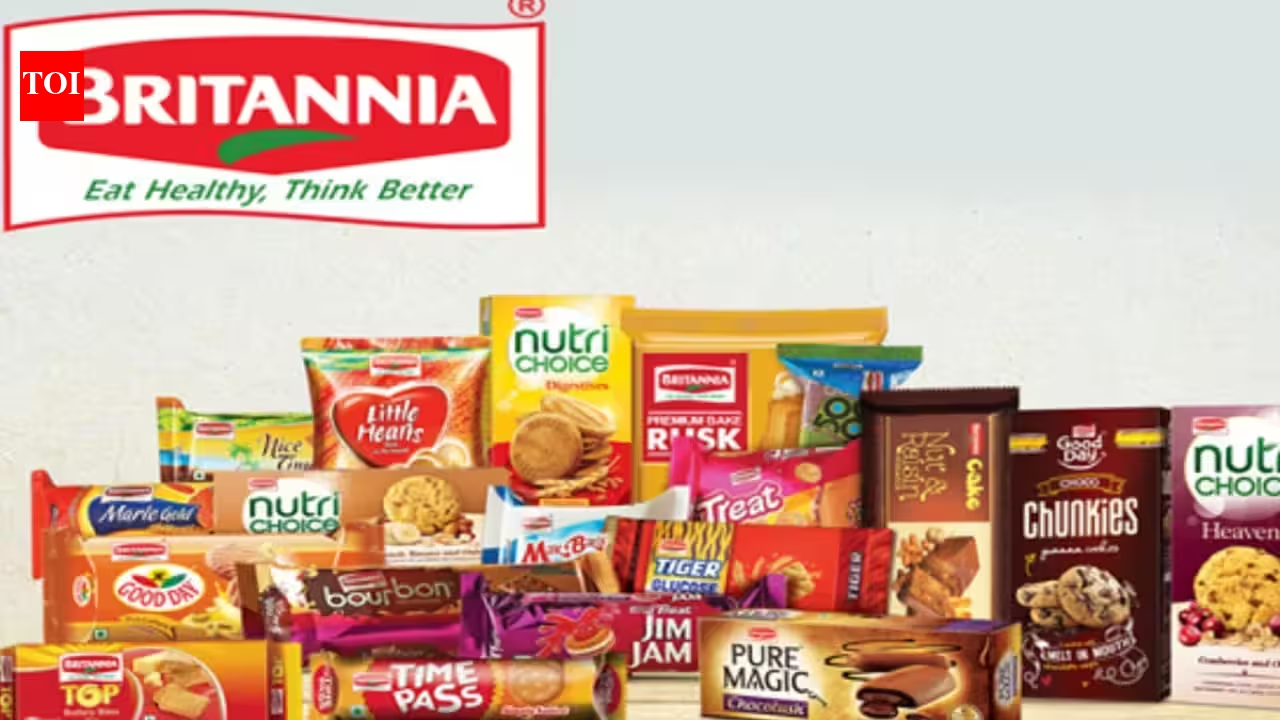
Rising input costs due to commodity inflation and geopolitical uncertainties are prompting leading FMCG makers to implement calibrated price hikes in the September quarter, as they remain optimistic about demand, citing resilient consumption trends, premiumisation, and improved revenue growth.The FMCG sector, which took an average hike of around 2-5 per cent in the June quarter, is going for shrinkflation by reducing the grammage weight or selective pricing actions in the current quarter to protect margins, even as they stay watchful of inflationary pressures, crude oil volatility and weather-related risks such as the monsoon and El Nino.Leading bakery food company Britannia said it expects to add another 1.5 to 2 per cent in pricing in the second quarter through "shrinkflation" in its ₹5 and ₹10 biscuit packs, as commodity prices for sugar and palm oil are on the higher side.Britannia said its Q1 pricing-led growth came mainly from shrinkflation, and expects further pricing actions in the current quarter."Going ahead in the quarter, you will see something more coming in. If the overall impact was 1 per cent, you would probably see maybe another 1.5-2 per cent coming in," said its MD and CEO Rakshit Hargave in the earnings call.However, Hargave also said "demand environment is strong" and "see that the trend is good". It expects to preserve FY27 EBITDA margins at least at FY26 levels if input costs remain elevated.Godrej Consumer Products Ltd (GCPL), which took an average price increase of around 5 per cent in the June quarter, may implement a hike in the current quarter, though it is holding back on any pricing actions until commodity cost trends become clearer.The company has refrained from taking larger price increases due to volatility in crude oil prices, CEO Sudhir Sitapati said while responding to a query in the earnings call.On whether GCPL has taken any further price hikes at the quarter-end, he said, "No... We may get a similar kind of price increase in Q2 as well..." Sitapati noted that many input costs are linked to crude oil and typically reflect changes in crude prices with a lag of three to four weeks. With Brent crude currently hovering around USD 80-85 per barrel, GCPL believes its existing pricing is broadly adequate and does not foresee the need for a significant additional price hike."With revenue growth tracking ahead of our original expectations and input costs beginning to ease, we enter the remainder of FY 2027 with increased confidence. We remain firmly on track to deliver our guidance for the full year with the confidence to exceed the same in select areas," he said.Dabur India said elevated input costs are likely to persist in the near term, prompting calibrated price hikes alongside a strong focus on productivity and cost efficiencies to protect margins.The company remains confident of delivering double-digit revenue growth in FY27, supported by strong brands, a robust innovation pipeline and disciplined execution.The growth "will be more driven by revenue and price. Because of inflation, we had to pass it on to the consumer. Price growth and value growth are becoming higher than volume growth. Volumes will be under pressure as the inflation is too much," said Dabur India Global Chief Executive Officer Mohit Malhotra in the earnings call while replying to a query on growth.Because of inflation, Dabur wants "profit growth to be accretive to the top line growth". However, rising costs driven by geopolitical uncertainties remain a concern, and Dabur will closely monitor how the situation evolves, he said.Leading FMCG player Hindustan Unilever Ltd (HUL) is also expected to hike prices across multiple product categories in the September quarter as it anticipates sequential inflation of 2-5 per cent compared to April-June.The diversified FMCG major, which hiked prices by 2-5 per cent in Q1 FY27, will continue to take a "calibrated" pricing action to offset the impact in the current quarter while protecting volume-led growth, said its Chief Executive Officer and Managing Director Priya Nair at the post-earnings call.Nair said the company expects inflation to rise sequentially in the September quarter."Between the September quarter versus June quarter, we see sequential inflation, which could range between 2 to 5 per cent. We will continue to take calibrated pricing into the quarter, depending on how inflation pans out," she said.Tata Consumer Products Ltd Managing Director Sunil D’Souza in the earnings call said, "If need be, we will also make further pricing interventions because the cost has been fairly dynamic and we are also coming to terms with the exact inflationary impact on the margins".The West Asia situation has been fairly dynamic, and hence it does not want to get ahead of itself and take up price increases, which are not underpinned, he said, adding that TCPL aspires to mid- to high-single-digit growth.Nestle India said while there are concerns around geopolitical and inflationary headwinds, stating that "overall consumption could moderate in the short term". In an investor presentation, the company said that the West Asia conflict and potential El-Nino impact on monsoons remain key monitorables for F&B sector growth.Published on August 9, 2026