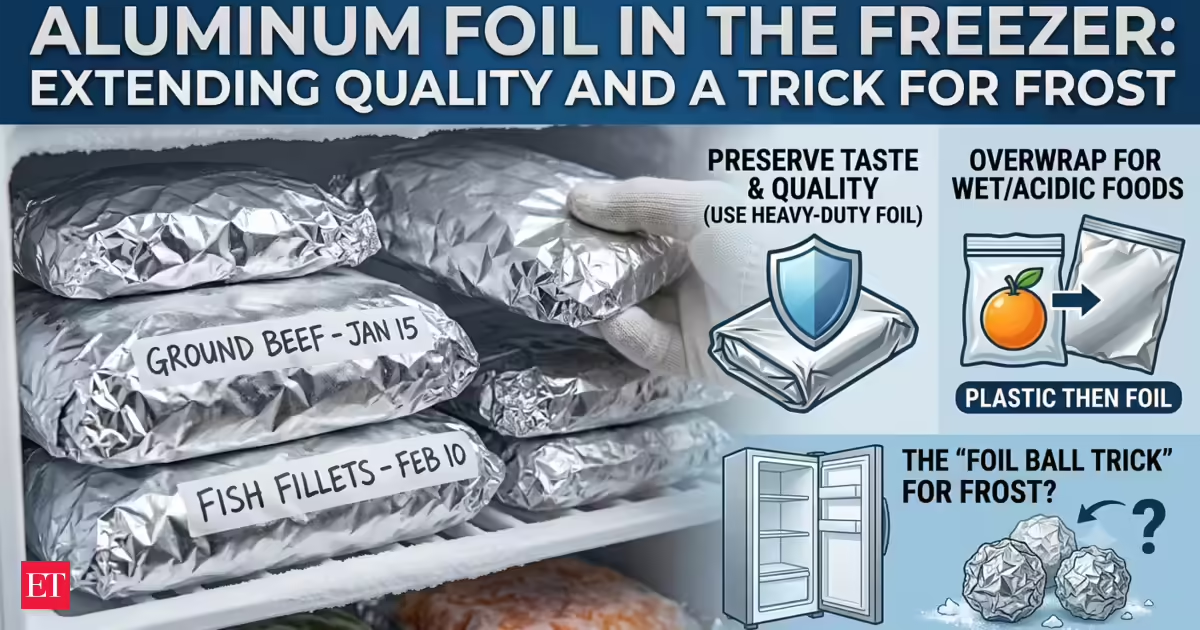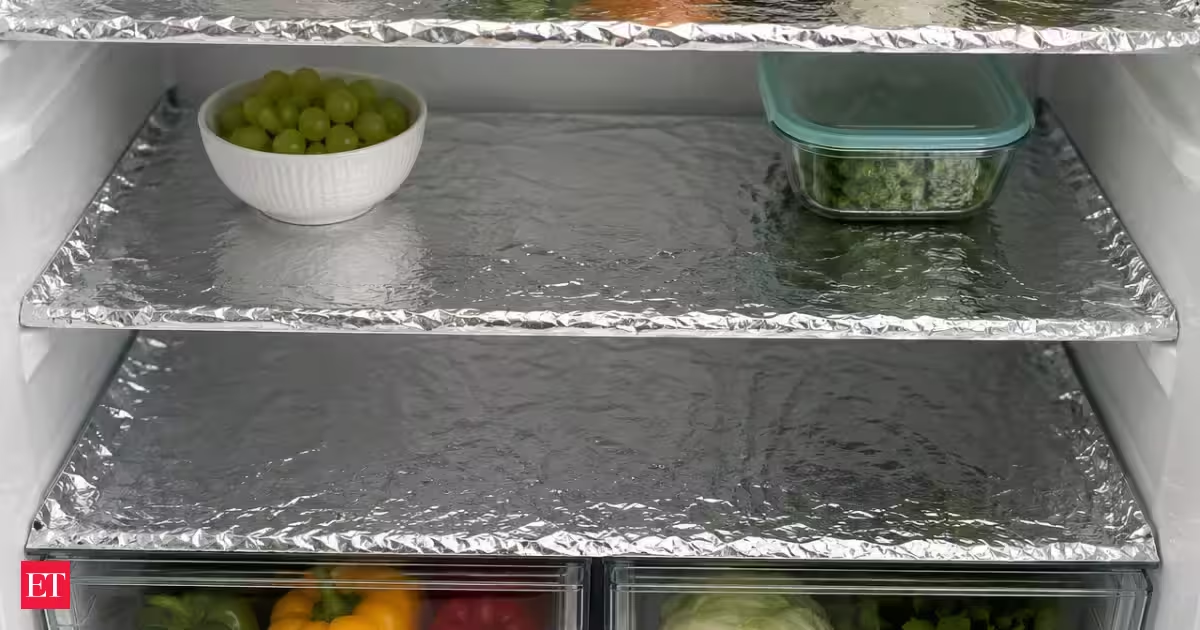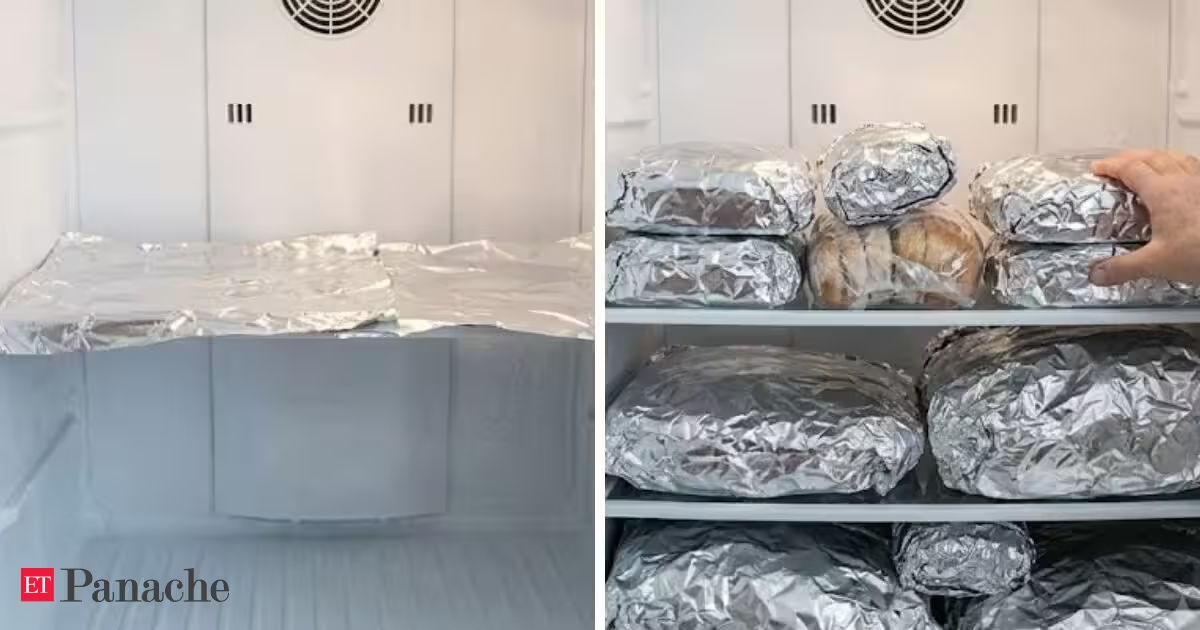
Aluminium foil is usually associated with wrapping leftovers or covering food, but this kitchen staple can also have a few practical uses in the freezer. From helping separate food portions to making cleanup easier, foil can be handy when you're dealing with frozen foods. However, not every freezer hack involving foil is safe or useful. Here are some practical ways to use aluminium foil in your freezer, along with a few precautions to keep in mind.Use aluminium foil to separate frozen food portionsOne of the most useful ways to use aluminium foil in the freezer is to separate individual portions before freezing. For foods such as homemade burgers, patties, parathas or slices of baked goods, place a sheet of foil between individual pieces. This can prevent them from freezing into one solid block, making it easier to remove only the amount you need.For best results, wrap the food properly and use freezer-safe containers or bags for longer-term storage.Wrap food tightly to reduce freezer burnAluminium foil can provide an additional layer of protection when wrapping food for freezing. A tight foil wrap can limit exposure to air, which is important because prolonged exposure to air can contribute to freezer burn. Freezer burn does not necessarily make food unsafe, but it can affect its texture, colour and flavour.For longer storage, consider placing the foil-wrapped food inside a freezer-safe bag or airtight container to provide an extra barrier against air.You Might Also Like:Make frozen foods easier to stackFoil can also help when you're trying to organise oddly shaped homemade foods. For example, individual portions of dough, patties or prepared foods can be wrapped separately in foil before being placed in a container. This keeps portions together while making them easier to stack and organise.Label each package with the food name and freezing date so you don't have to guess what is inside later.Line a freezer shelf for easier cleaningSome people use aluminium foil as a temporary protective layer for freezer shelves or surfaces where spills are likely. However, this needs caution. Do not cover vents, fans or airflow channels with foil, as this can interfere with the freezer's operation. It is also better to follow the appliance manufacturer's instructions before lining any part of the freezer.For most freezers, removable mats or simply wiping spills promptly is a safer and more reliable cleaning solution.You Might Also Like:Use foil to protect food from odoursStrong-smelling foods can sometimes transfer odours to other items in the freezer if they are not properly sealed. A tight layer of aluminium foil can provide an additional barrier, particularly when combined with an airtight freezer-safe container or bag.This is useful for foods with strong aromas, but foil should not replace proper food-safe packaging when you're storing food for extended periods.Avoid wrapping acidic or salty foods directly in foilThere is one important precaution when using aluminium foil for food storage. Highly acidic or salty foods, such as tomatoes, citrus-based preparations or heavily salted foods, can react with aluminium, particularly during prolonged contact. For these foods, use a suitable food-storage container or freezer-safe bag instead of relying on direct foil contact.Don't use foil to completely cover freezer ventsOne freezer hack you should skip is covering large areas of the freezer interior with aluminium foil. Freezers need proper airflow to distribute cold air efficiently. Blocking vents with foil, containers or other materials can interfere with circulation and potentially affect cooling performance.You Might Also Like:So, while foil can be useful for wrapping, separating and organising certain foods, it should never be used in a way that obstructs the appliance's ventilation.The smart way to use aluminium foil in your freezerAluminium foil can be a useful addition to your freezer routine when used appropriately. It can help separate portions, provide an extra layer of protection against air and make certain foods easier to organise.You Might Also Like:For long-term food storage, however, freezer-safe airtight containers and bags remain the better choice. The key is to use foil as an additional wrapping or separation layer rather than treating it as a universal freezer liner.
Why are people putting aluminium foil in their freezer? It has 5 surprising cleaning and storage uses
Aluminium foil can have several practical uses in the freezer beyond wrapping leftovers. It can separate individual portions, provide an extra barrier against air and freezer burn, organise homemade foods and help protect against strong odours. However, avoid covering freezer vents or airflow channels. Acidic and salty foods should not be stored in prolonged direct contact with foil. Airtight freezer-safe containers remain best for long-term storage.
675 words~3 min read