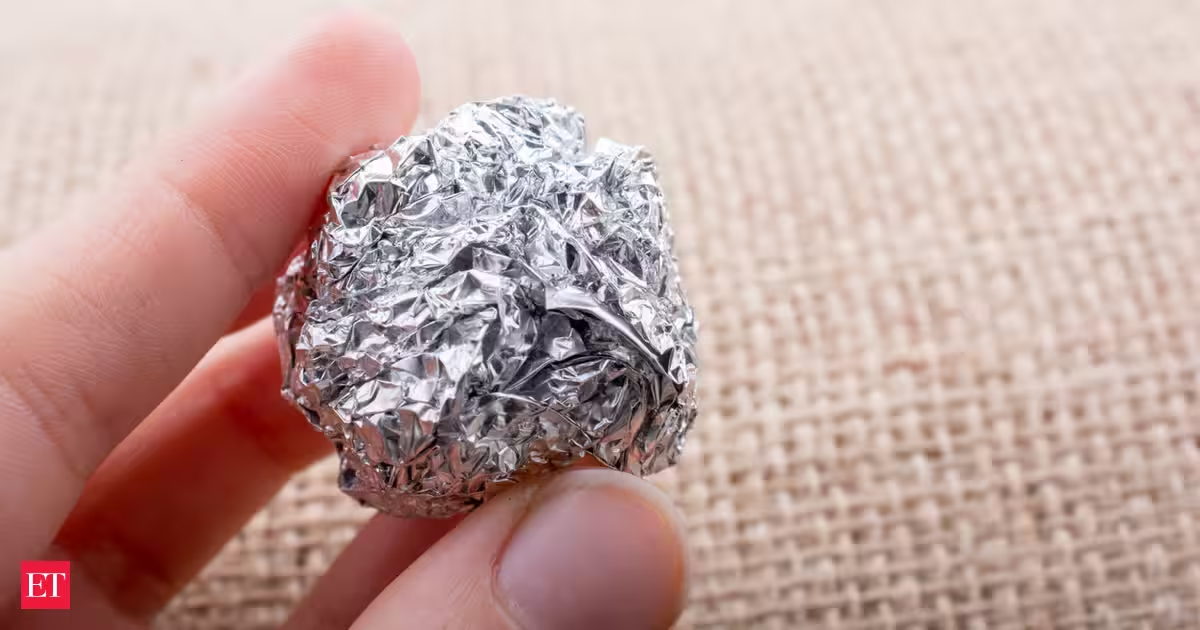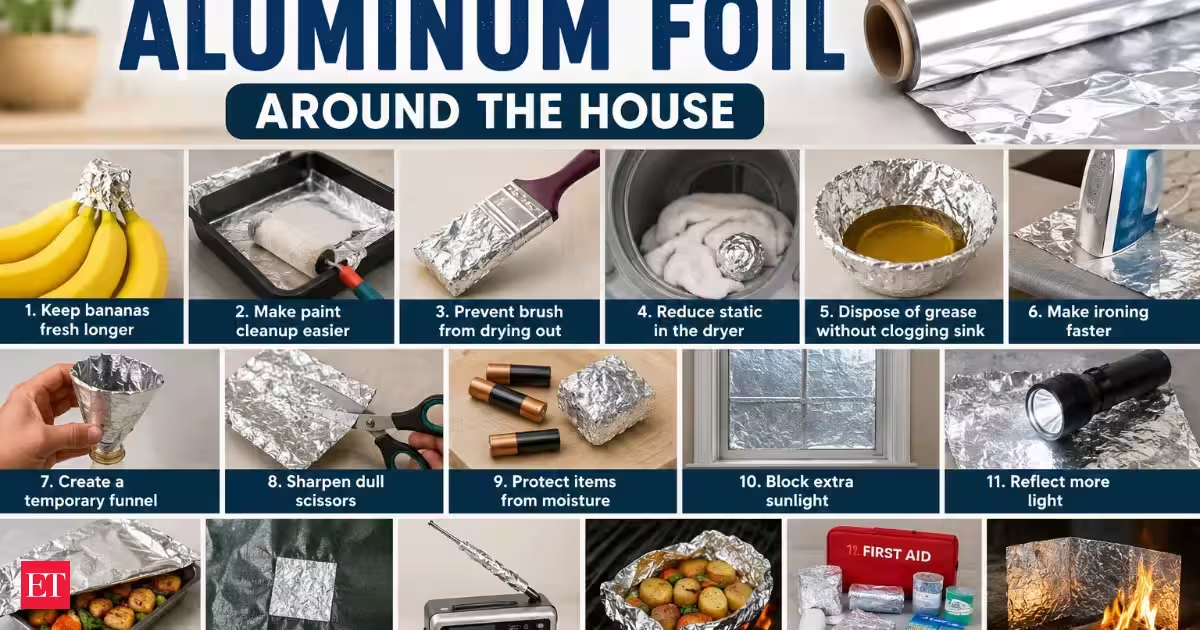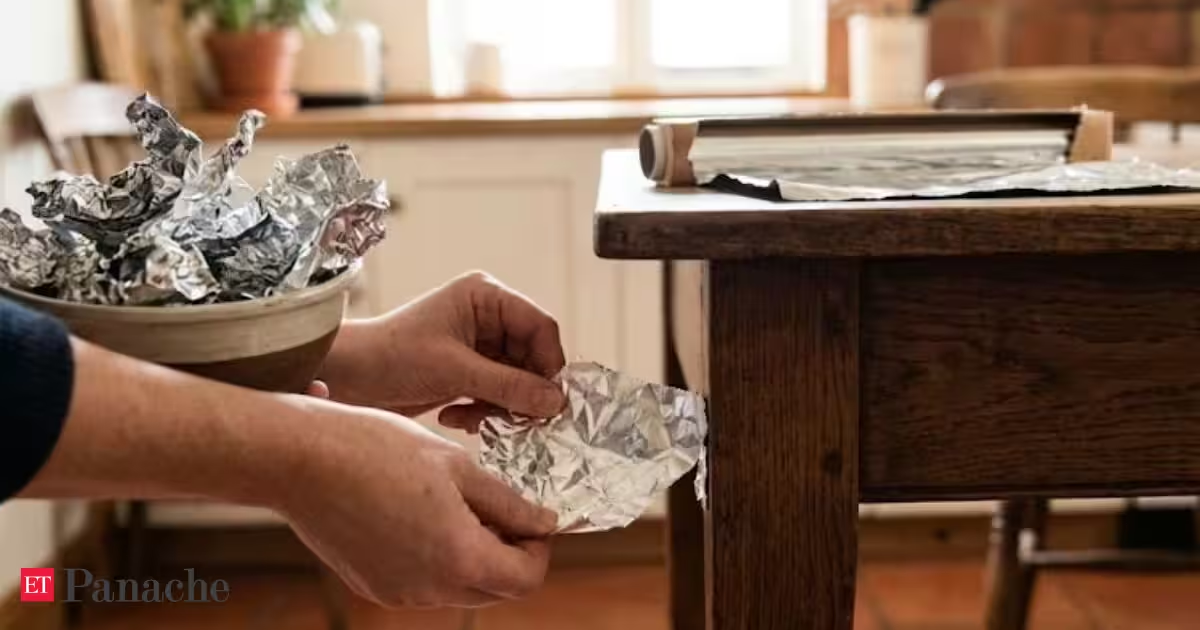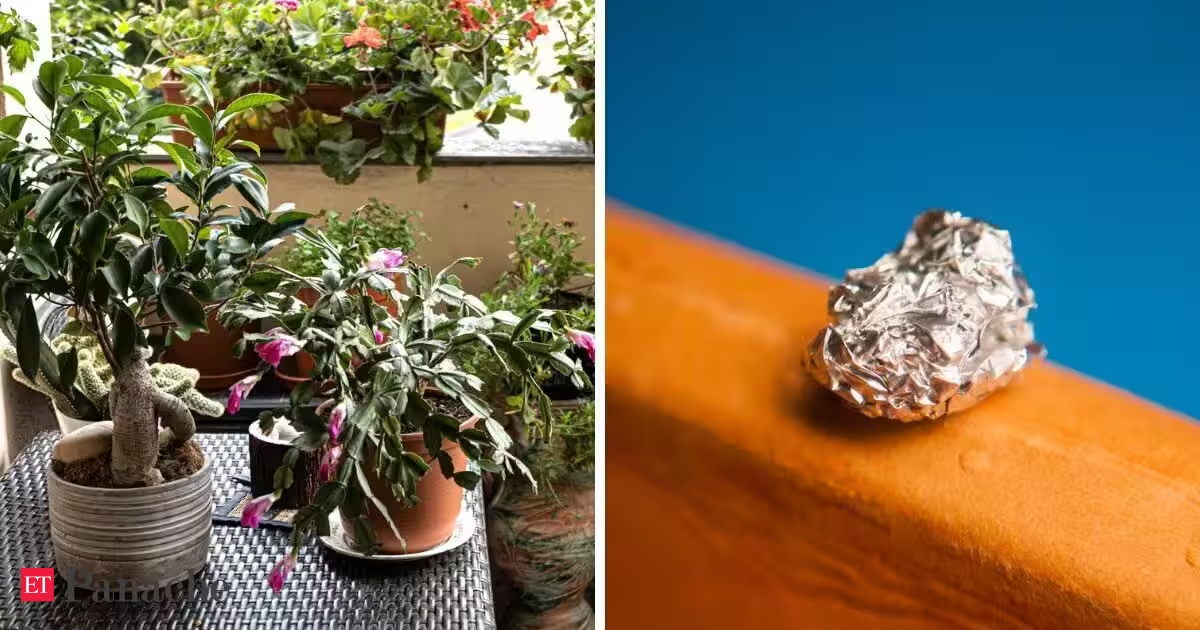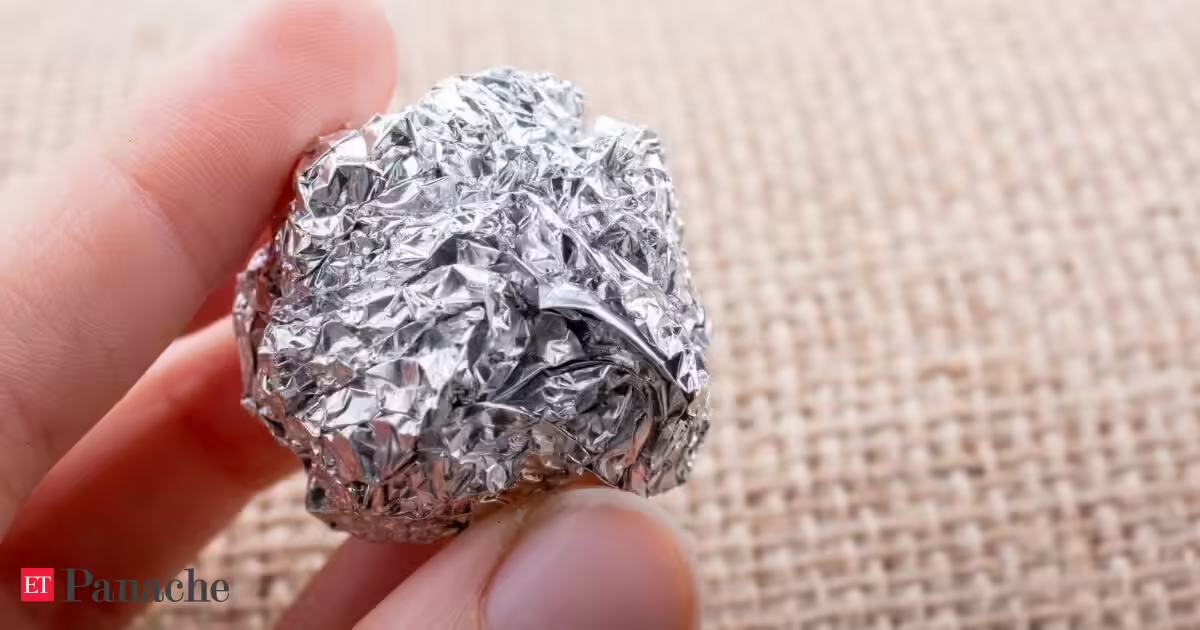
Every time a sheet of aluminium foil is used once and tossed into the bin, a useful kitchen helper often goes to waste. While foil that is heavily greasy, torn, or contaminated with raw food should not be reused, clean and intact aluminium foil sheets can often get a second life around the kitchen.From making stubborn cleaning tasks easier to helping with food preparation, used aluminium foil can be repurposed in several practical ways. Here are seven surprising uses that can save time, effort and reduce everyday waste.Sharpen dull scissors with aluminium foilIf your kitchen scissors are struggling to cut through paper or packaging, a clean sheet of aluminium foil may help improve their performance.Fold the foil several times to create multiple layers, then cut through the folded foil repeatedly using the scissors. The repeated cutting motion can help remove minor dullness and clean the blade edges. However, this trick works best for slightly dull scissors. It will not replace professional sharpening for damaged or heavily worn blades.You Might Also Like:Keep bananas fresh for longerAluminium foil can help slow down the browning process of bananas. Wrapping the stem of a banana bunch with a small piece of foil may reduce the release of ethylene gas, a natural plant hormone involved in ripening.While this may not stop bananas from ripening completely, it can help extend their freshness for a little longer.Make a quick DIY funnelNeed to transfer liquids, spices or small ingredients but cannot find a funnel? A clean piece of aluminium foil can be shaped into a temporary funnel.Simply mould the foil into a cone shape, leaving a small opening at the bottom, and use it to guide ingredients into bottles, jars or containers. This works especially well for dry ingredients like flour, sugar, herbs or spices.You Might Also Like: Clean burnt pans with a foil scrubberA crumpled ball of aluminium foil can work as a simple scrubber for certain cookware. The rough texture helps loosen stuck food and burnt residue from stainless steel pots, pans and baking trays.For better results, soak the pan in warm water first and add dish soap before gently scrubbing with foil. Avoid using this method on non-stick, ceramic or delicate surfaces because aluminium foil can scratch protective coatings.Scrub grill gratesCleaning grill grates can be one of the most frustrating kitchen tasks because grease and food particles often stick firmly. A ball of clean aluminium foil can be used to scrub away residue from metal grill grates. It can help remove buildup without requiring specialised cleaning tools.For outdoor grills, let the grates cool completely before cleaning to avoid burns.You Might Also Like:Protect pie crust edges while bakingAluminium foil is a baker's secret weapon for preventing pie crust edges from burning. If the edges of a pie are browning faster than the centre, loosely cover the crust edges with strips of foil. This shields the delicate outer crust from direct heat while allowing the filling to continue cooking.This technique is especially useful for fruit pies and recipes that require longer baking times.Line the air fryer drip tray carefullyAluminium foil can make air fryer cleaning easier by catching crumbs, grease and food drippings. However, it should be used correctly. The foil should not block airflow inside the air fryer, cover heating elements, or be placed loosely where it can move around during cooking.Always check the manufacturer's instructions before using foil in your specific air fryer model.When should you avoid reusing aluminium foil?Not every piece of foil is suitable for another use. Throw away foil if it:- Has come into contact with raw meat or unsafe food- Contains mould or spoiled food residue- Is heavily stained with grease- Has become torn or difficult to cleanClean foil that has only been used to cover baked goods, wrap dry foods or protect surfaces is generally more suitable for reuse.Why reusing aluminium foil makes senseAluminium foil is lightweight, durable and recyclable, but reusing it before recycling can help reduce household waste. A single sheet may seem insignificant, but giving everyday kitchen items a second purpose can make routines more sustainable.You Might Also Like:
Don't waste used aluminium foils. 7 ways it can be used to save your kitchen time and efforts
Used aluminium foil does not always belong in the trash. Clean and intact foil sheets can be reused around the kitchen in several practical ways. From sharpening slightly dull scissors and keeping banana stems fresh to making a DIY funnel, scrubbing grills, cleaning certain pans, protecting pie crusts and helping with air fryer cleanup, foil can save time and reduce waste. However, avoid reusing foil exposed to raw food, heavy grease or contamination.
682 words~3 min read