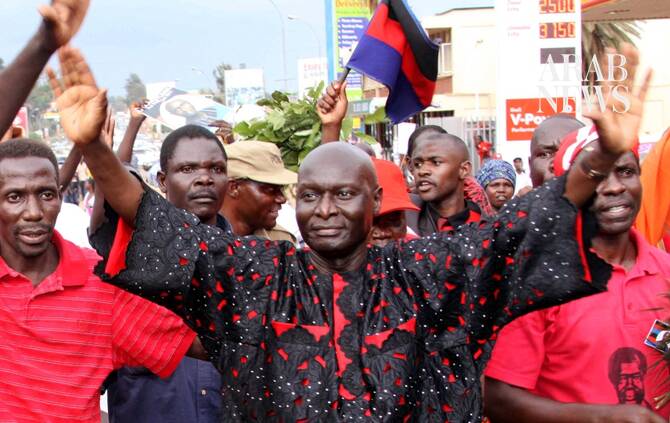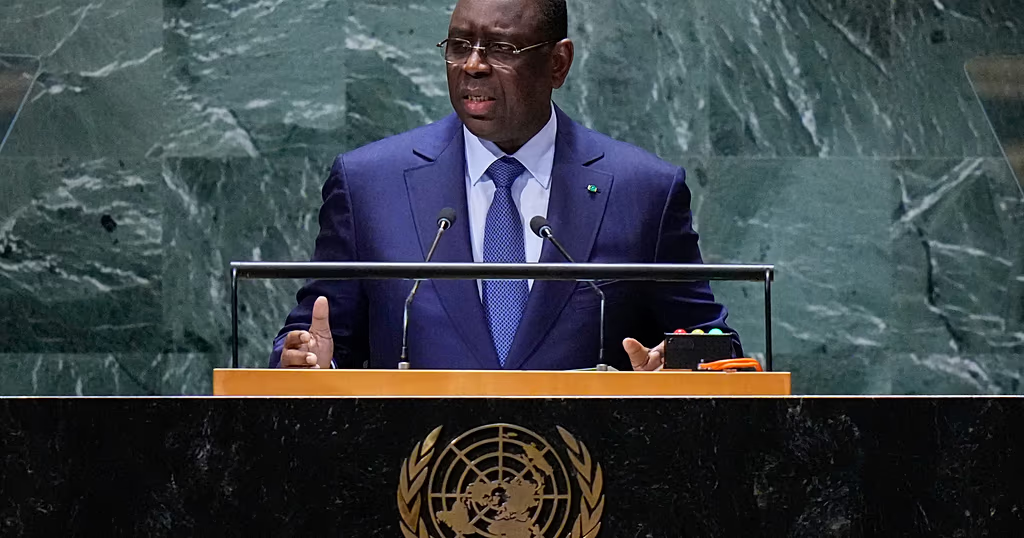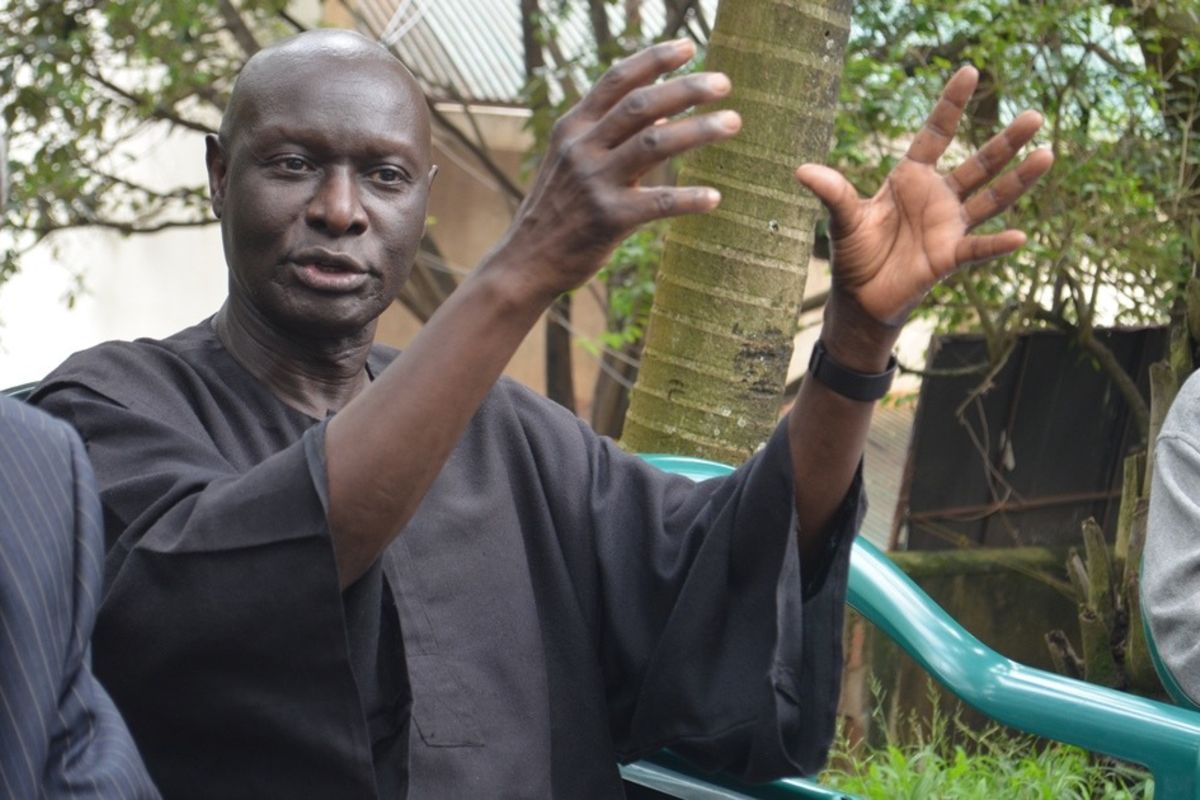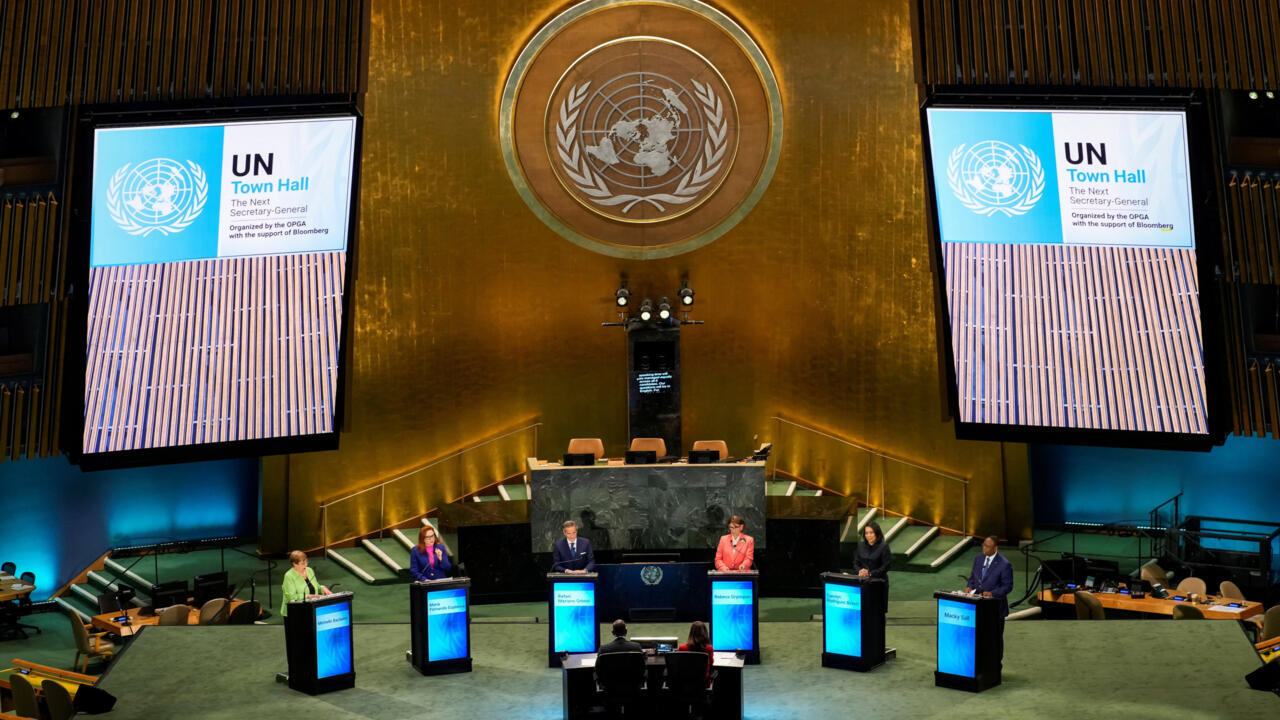
Antonio Guterres’s successor as United Nations secretary-general will be named in October. So far, two candidates from the African continent – Senegal’s Macky Sall and Uganda’s Olara Otunnu – have failed to win sufficient support.
Issued on: 09/08/2026 - 09:35
3 min Reading time
The UN is entering the final stages of choosing a successor to Guterres, whose second five-year term ends on 31 December. Under the UN Charter, the selection is led by the 15-member Security Council, which holds a series of confidential, non-binding "straw polls" to test support for candidates. In these ballots, members vote to "encourage", "discourage" or express "no opinion" on each contender. Later rounds use colour-coded ballots to reveal whether any of the five permanent members (China, France, Russia, the United Kingdom and the United States) intend to exercise their veto. The first straw poll took place on 30 July, with further rounds expected throughout August and potentially into September and October until a single candidate secures broad support without a permanent member veto. The Security Council will then formally recommend one candidate to the 193-member General Assembly, which is expected to confirm the appointment before the end of the year – ahead of the new secretary-general taking office on 1 January, 2027. Two African candidates Two African candidates are running this year: Macky Sall, the former president of Senegal, and Ugandan diplomat Olara Otunnu. But Carlos Lopes, a law professor in South Africa and former executive secretary of the UN Economic Commission for Africa, believes the continent’s chances of securing the prestigious post this year are low. According to him, the first vote, in late July, only confirmed the weakness of Sall's candidacy. "The official backing provided by President Bassirou Faye came late and failed to restore institutional coherence, if I may put it that way, because Senegal remains deeply divided over his legacy and his candidacy," Lopes told RFI this week. Sall's candidacy was also poorly received by Senegalese citizens, given that he and his government were charged with corruption and embezzlement related to the management of Covid-19 funds and are accused of inciting electoral violence during the 2024 polls.