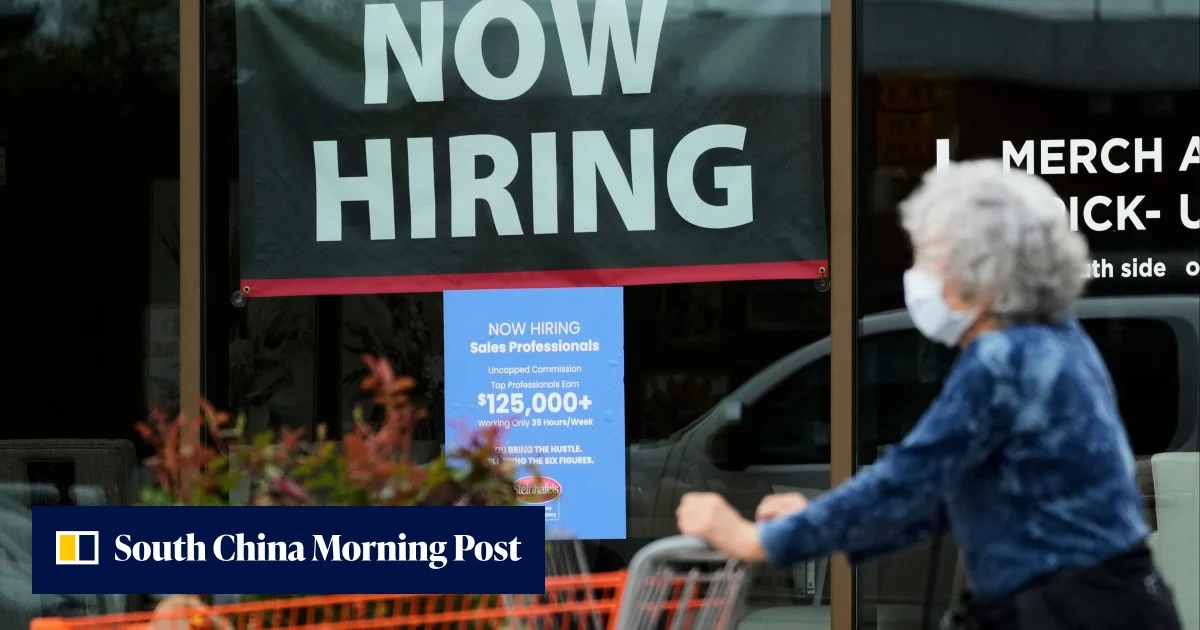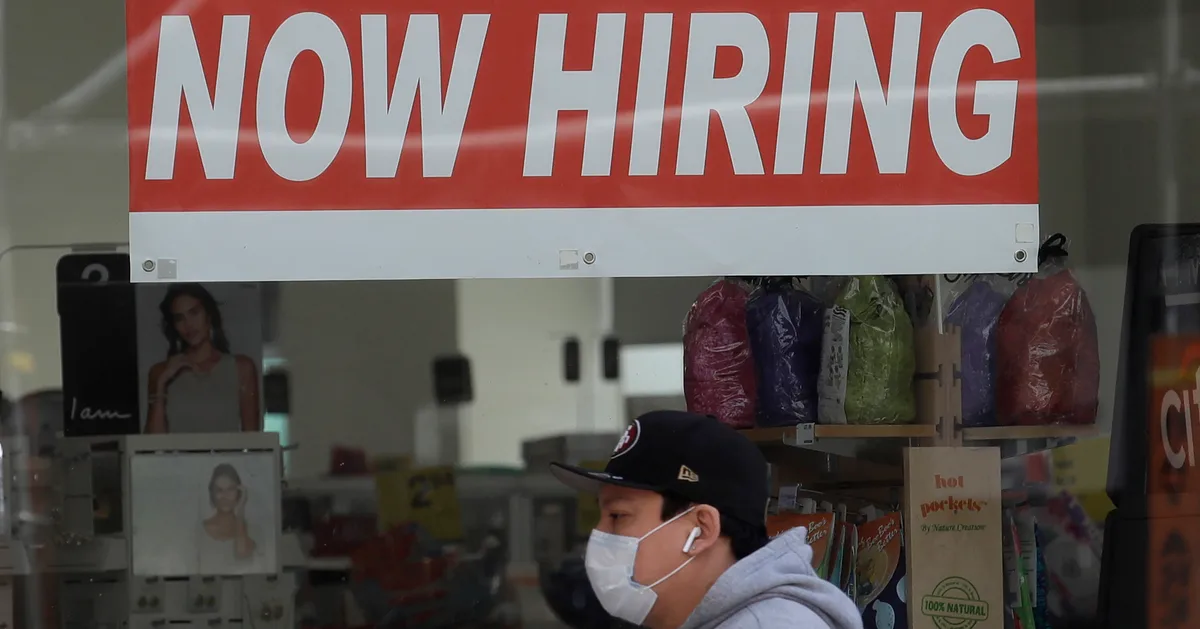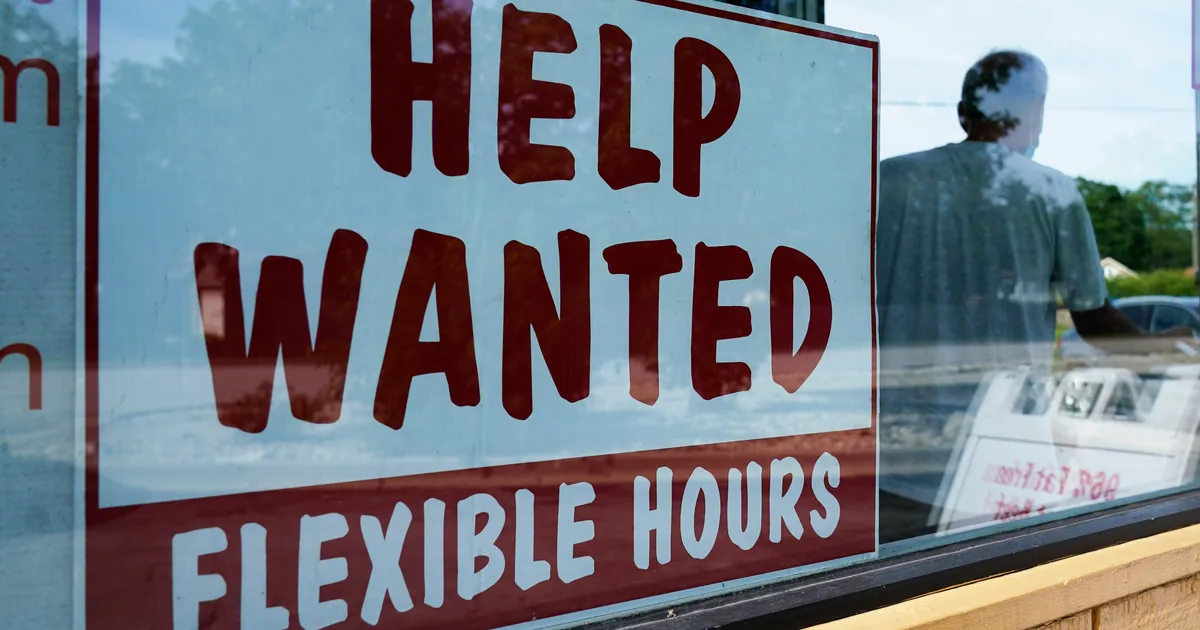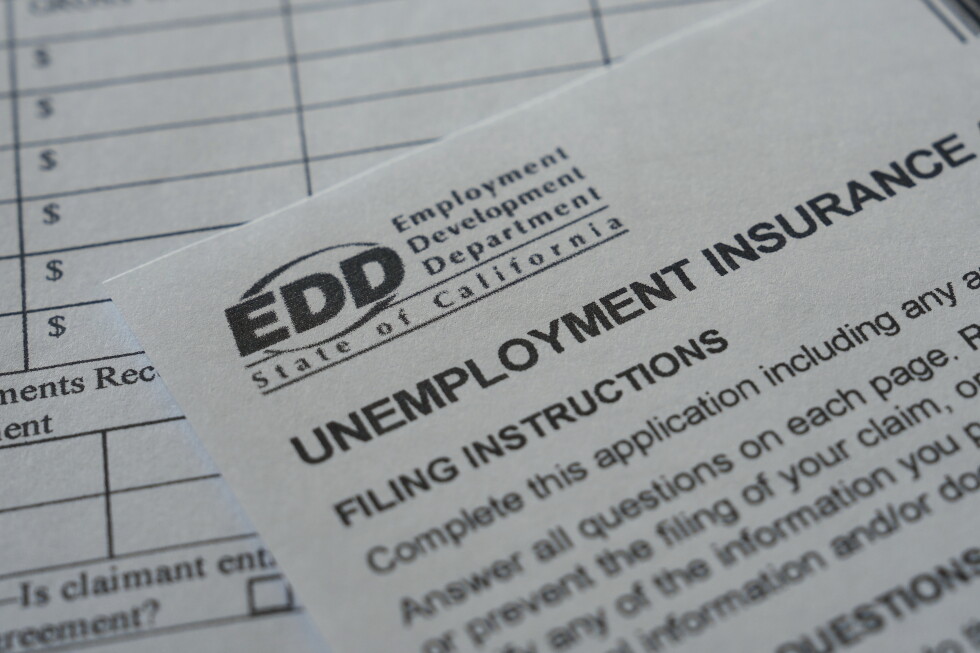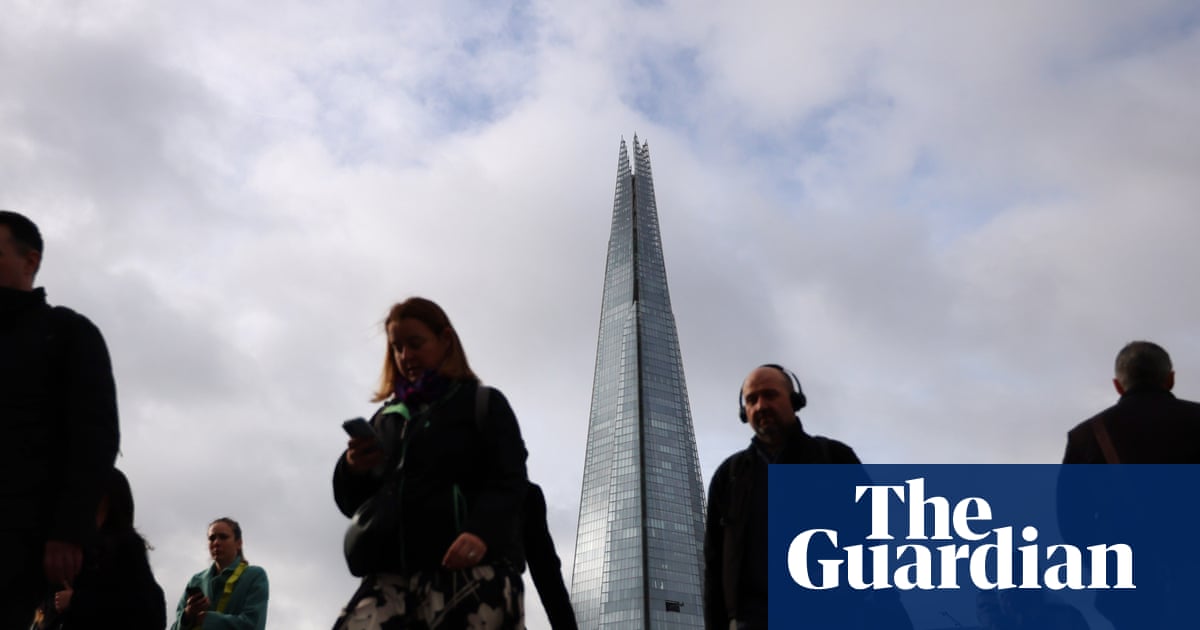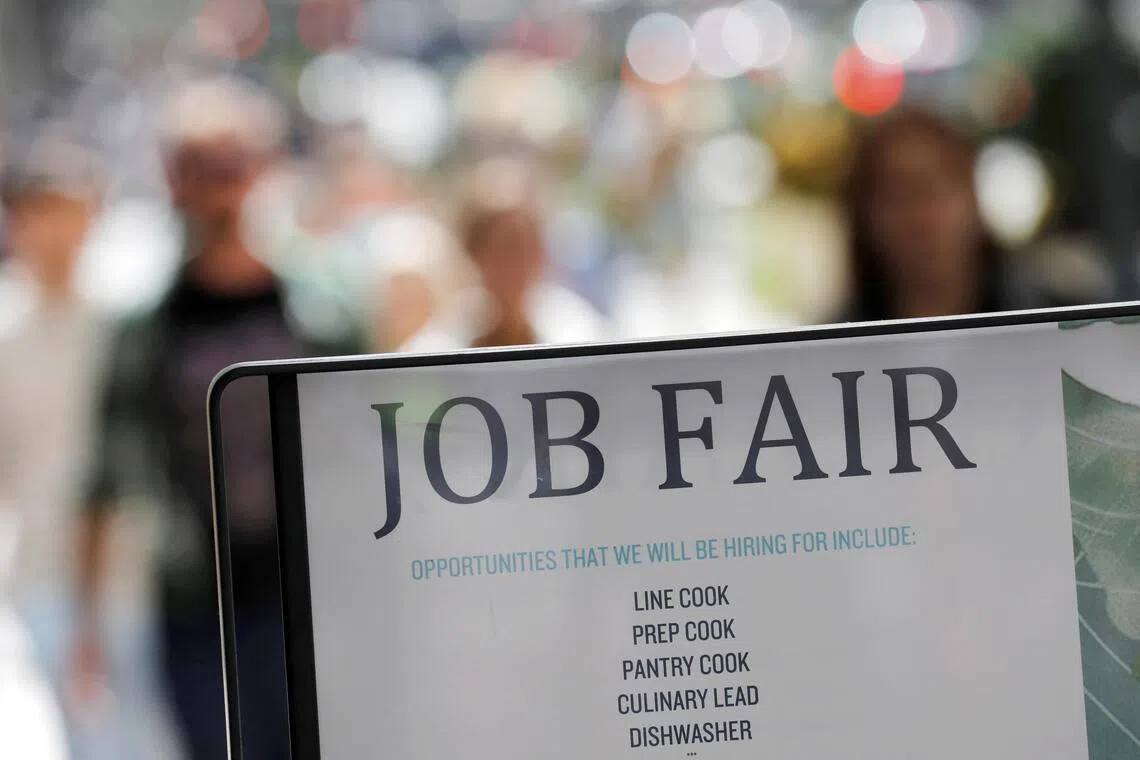
A surprise drop in US payrolls renewed worries about the job market in the world’s largest economy, suggesting employers are growing cautious amid rising prices and fallout from the Iran war.In the UK, employment numbers in a private-sector survey are even more negative. The downturn in the country’s services sector has lasted as long as the slump during the 2008-09 financial crash.Meantime, the Japanese yen on Tuesday snapped its best four-day rally in two years following a historic intervention between Japan and US to lift the former country’s currency. Both nations signaled a willingness to continue their support of the yen.Here are some of the charts that appeared on Bloomberg this week on the latest developments in the global economy, markets and geopolitics:US & CanadaBloombergUS employers unexpectedly cut jobs in July and hiring in the prior two months was revised lower, suggesting the labor market is weaker than previously thought after surprising strength earlier this year. Payrolls decreased 23,000 following a combined 103,000 downward revision to the May and June figures. The unemployment rate fell to 4.1% as labor force participation continued to slide, and wage growth slowed.BloombergThe Canadian economy added a surprise 75,100 jobs last month while the unemployment rate hit its lowest level in two years — the latest evidence the economy is on a recovery path.BloombergBlack mothers with young children are leaving the workforce at an alarming pace. Labor force participation among Black mothers aged 25-54 with children under 5 has fallen 11.5 percentage points in just three months, dropping to its lowest level in over 30 years, according to an analysis of BLS data by Lauren Bauer, an economics studies fellow at the Brookings Institution.Bloomberg2026 was supposed to be the year that sidelined homebuyers got some relief. Then, the Iran war and fears about rising inflation came along. As of Aug. 6, mortgage rates had climbed 71 basis points since the war began in late February. The national average rate on a 30-year fixed mortgage rose to 6.69%, a fresh high for the year, according to Freddie Mac.BloombergEuropeBritain’s two-year jobs market downturn has lasted as long as the slump seen during the global financial crisis as firms cut costs and turn to artificial intelligence, according to a closely watched survey. S&P’s purchasing managers’ index showed services firms and employers across the wider private sector reducing headcount for a 22nd straight month in July.BloombergGerman industrial production grew for a third month, another sign that Europe’s largest economy is resisting the drag from the Iran war. The main driver of the growth was the automotive sector, which increased 3.6% from a month earlier.BloombergExtreme heat has killed more than 25,000 people across Europe this year, according to the latest available data compiled by Bloomberg. Germany recorded the highest toll, with an estimated 11,900 excess deaths linked to heat since April, according to the Robert Koch Institute.AsiaBloombergThe yen’s rally stalled Tuesday even as US Treasury Secretary Scott Bessent pledged continued support for Japan following a historic joint intervention. The yen ended the New York trading session weaker by 0.4% against the dollar, snapping the Japanese currency’s best four-day rally in two years.BloombergHong Kong, whose expat population was hollowed out by strict Covid rules and Beijing’s ever-tightening grip, is now enjoying a moment. Tens of thousands of people left the city in the two years through 2022, among them scores of bankers, lawyers and other skilled workers who made the city Asia’s foremost financial hub. Now, thousands of white-collar professionals are making their way back.BloombergAround the world, the rise of AI has inspired skepticism, wonder and dread. But it has hit Korea differently. In the US, an elite circle of Stanford University and Ivy League graduates is ushering in the era from Bay Area office suites. In Korea, the boom radiates from factory floors. The success of Korea’s chip industry is astonishing—and it ignited a frenzy in the country’s stock market.Emerging MarketsBloombergIndia’s central bank left its key policy rate unchanged for a fourth straight meeting, with Governor Sanjay Malhotra signaling confidence in the economy even as the Iran conflict clouds the inflation outlook. The RBI has stood apart from many regional central banks by leaving policy unchanged since the conflict in the Middle East began.BloombergSmiles, cooperation and lots of patience. That seems to be Mexico’s winning strategy for dealing with the US after the Trump administration declined to rubberstamp a long-term renewal of the US-Mexico-Canada Agreement, or USMCA, at the July 1 deadline, opting instead for annual reviews of the trade pact.BloombergBrazil’s central bank cut its key interest rate by a quarter point for a fourth straight decision and left its next move open. Policymakers refrained from providing forward guidance, saying that the economic outlook was marked by high uncertainty, unanchored inflation expectations and elevated risks.WorldBloombergThe El Niño on track to become the most powerful of the past 76 years is strengthening rapidly, posing a major threat to fragile economies already roiled by conflict in the Middle East. Disruptions are already cascading through global agricultural supply chains.
Charting the global economy: US employment declines unexpectedly
The El Niño on track to become the most powerful of the past 76 years is strengthening rapidly, posing a major threat to fragile economies already roiled by conflict in the Middle East.
836 words~4 min read