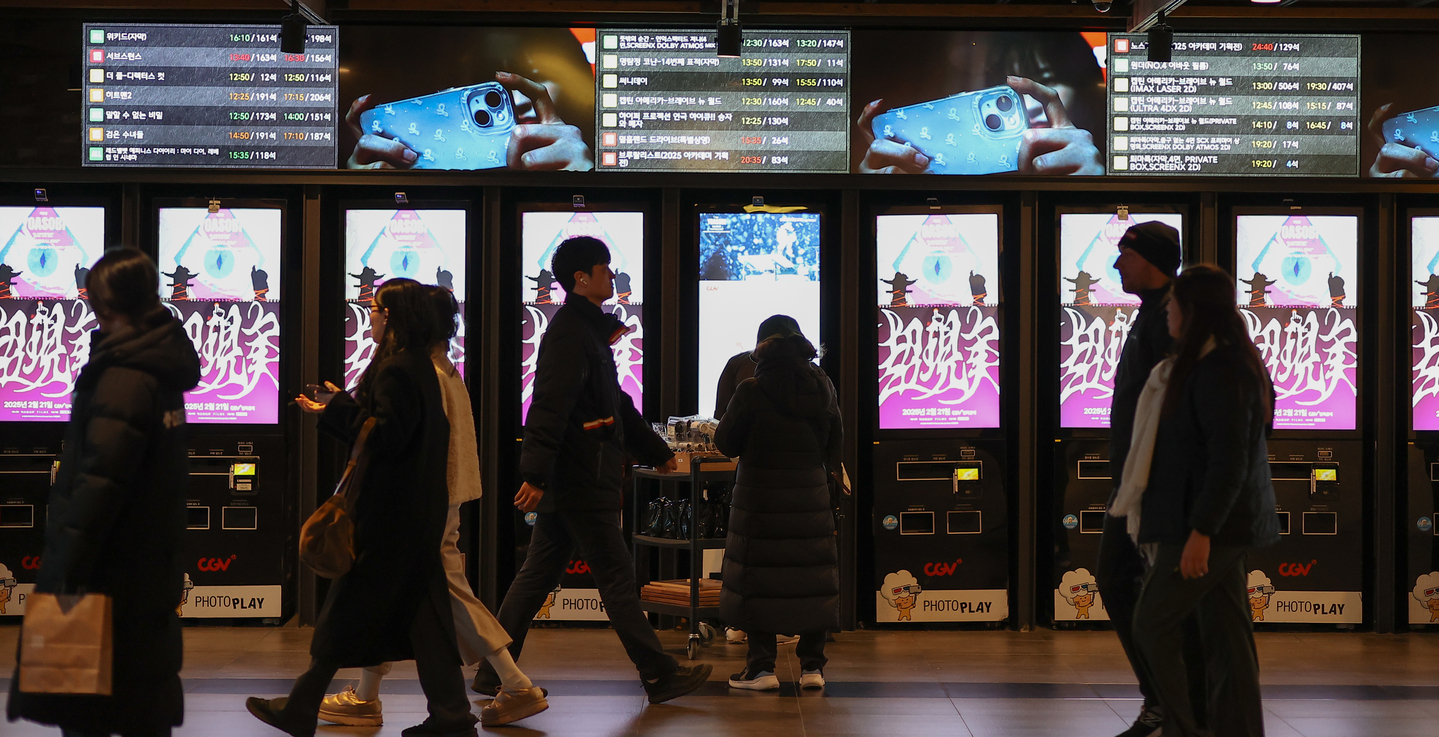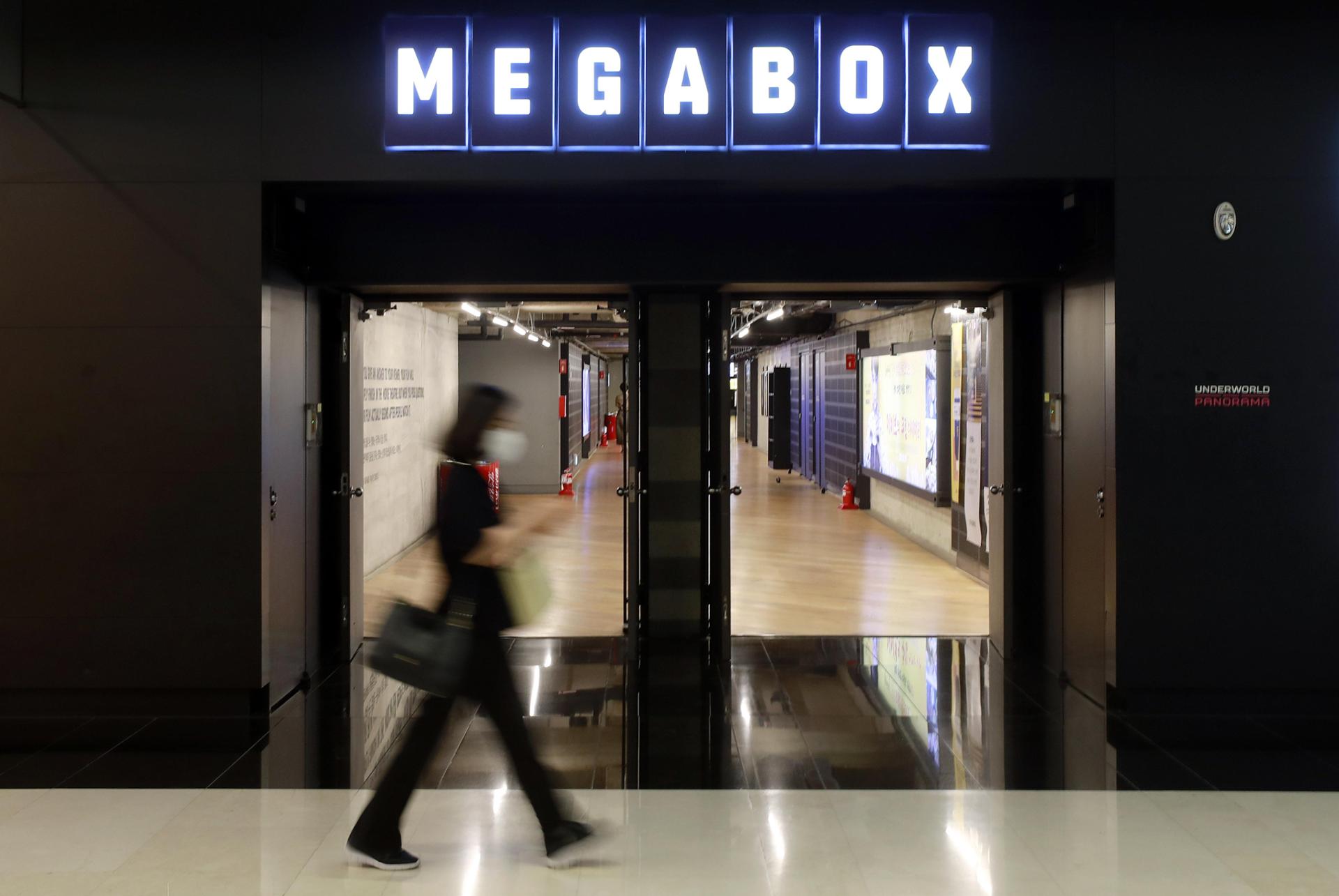
Government-backed talks aim to strike a compromise between theaters and streaming platforms A moviegoer purchases a ticket at a movie theater in Seoul on July 7. (Newsis) One of the most pressing issues facing South Korea’s film industry is the debate over the holdback system.The holdback system refers to the period during which a film’s release on other distribution platforms, such as streaming services, is delayed following its theatrical run. The practice is designed to protect box-office revenue and maintain a sustainable revenue cycle for the film industry.The Ministry of Culture, Sports and Tourism and the Korean Film Council launched a public-private consultative body in May to discuss the holdback system, ways to restore a sustainable revenue structure for Korean films and measures to foster a more mutually beneficial ecosystem among distribution platforms, including theaters and streaming services.Following discussions aimed at narrowing differences among stakeholders, the consultative body said it planned to establish a voluntary agreement on the holdback system for the mutual benefit of the Korean film industry in August.The discussion comes as a bill introduced last September by Rep. Lim Oh-kyung seeks to amend the Promotion of the Motion Pictures and Video Products Act to bar films from being released on other platforms for six months after their theatrical run ends.The proposal has sparked debate among audiences and workers across the content industry. Supporters maintain that shortened theatrical windows have changed consumer behavior, encouraging audiences to wait until films become available to watch at home. They argue that this has contributed to declining theater attendance and underscores the need for a six-month holdback period.Critics, however, argue that a mandatory holdback would unnecessarily restrict audiences’ freedom to choose how and when they watch films. They also warn that a lengthy window could disproportionately hurt lower-profile titles, including small and independent films, by delaying their ability to generate additional revenue through secondary markets such as IPTV and streaming platforms.The debate comes as Korea’s three major theater chains, CGV, Megabox and Lotte Cinema, grapple with mounting losses amid the continued rise of streaming services.CGV, the country’s largest theater operator, reported 2.2 trillion won ($1.5 billion) in revenue and 96.2 billion won in operating profit in 2025, up 16.2 percent and 26.7 percent, respectively, from a year earlier.The company recorded increases in both revenue and operating profit in overseas markets, including Vietnam, Indonesia and China. Its domestic business, however, remained in the red. Revenue in Korea rose 13 percent to 660.4 billion won, with an operating loss of 49.5 billion won.In 2025, Megabox reported annual revenue of 267.4 billion won and an operating loss of 12.4 billion won, while Lotte Cultureworks, which operates Lotte Cinema, reported annual revenue of approximately 367.9 billion won in 2025, along with an operating loss of about 28.5 billion won.
Korea's film industry grapples over six-month holdback rule
One of the most pressing issues facing South Korea’s film industry is the debate over the holdback system. The holdback system refers to the period during which
464 words~2 min read