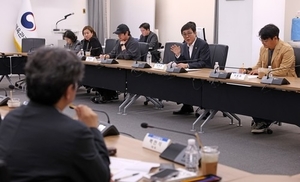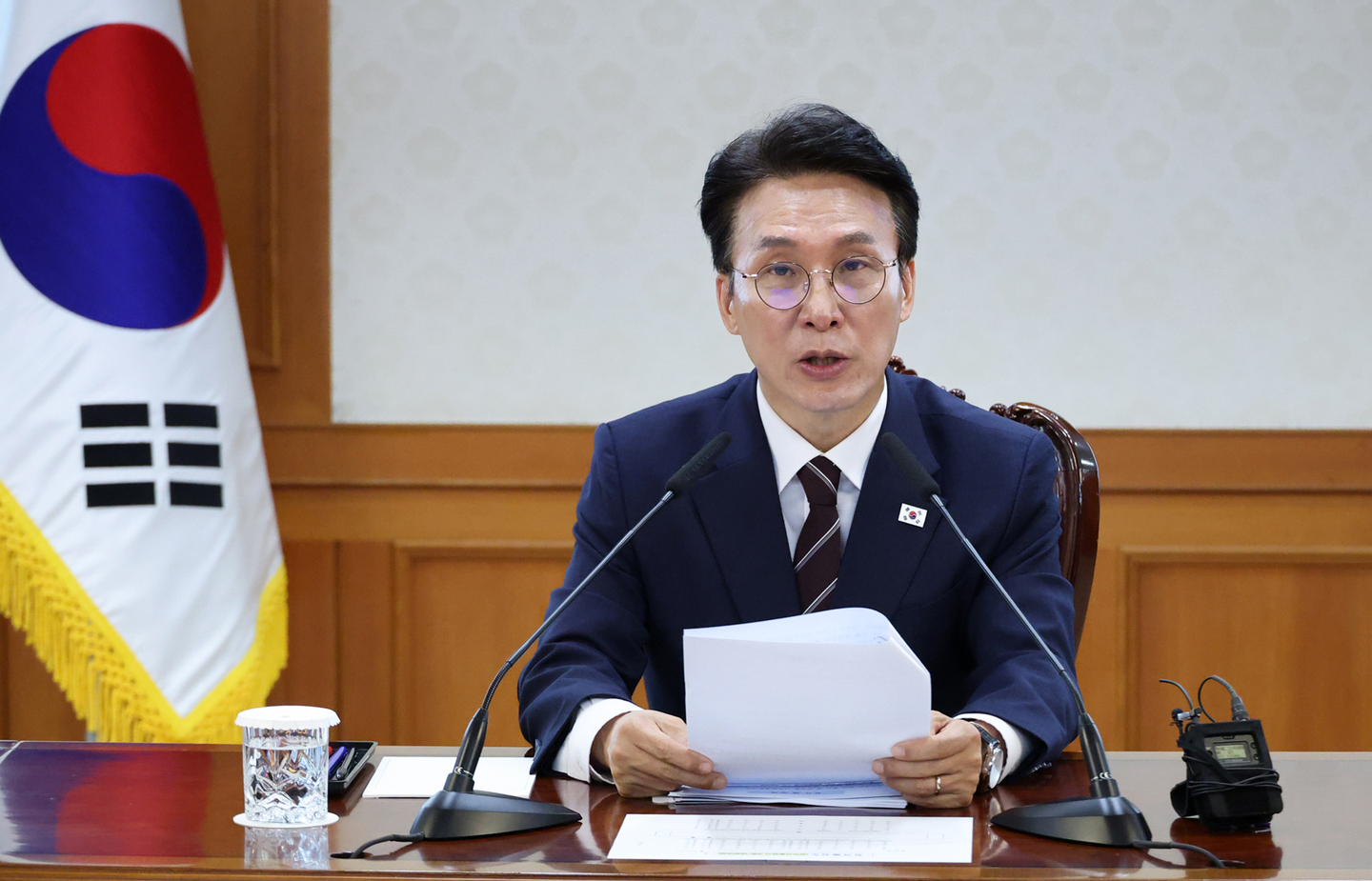
A Seoul theater displaying its screening schedule (Newsis) A public-private consultative body formed to discuss Korea’s long-debated holdback policy officially launched on Friday.The Ministry of Culture, Sports and Tourism and the Korean Film Council held the group’s first meeting in Seoul, aiming to improve the country’s film distribution system. The group plans to sign a voluntary holdback agreement in August.A holdback policy sets a mandatory waiting period before films released in theaters can move to streaming platforms or television. Supporters say the measure could help revive movie theaters and the local film industry, while critics argue it could make it harder for producers to recover investments and restrict audiences’ access to films.Lawmakers proposed a six-month holdback window in 2025, sparking debate among production companies, OTT platforms and consumer groups.According to the Culture Ministry, the consultative body will discuss initiatives, including a voluntary agreement on an appropriate holdback window, with the goal of maximizing overall film revenue. Industry proposals aimed at improving exhibition conditions will also be reviewed.The meeting was to be attended by 22 representatives, including Culture Minister Chae Hwi-young, along with business heads from the production, distribution and exhibition sectors, as well as officials from TVOD (transactional video-on-demand) and SVOD (subscription video-on-demand) services, for in-depth discussions.The minister said via a press release ahead of the meeting that he hopes the participation of key figures from across the Korean film industry will lead to meaningful discussions that move beyond individual interests and help foster the sustainable growth of Korean cinema alongside a more balanced revenue structure.“We will actively lead discussions to reach a holdback agreement that maximizes profitability for the film industry while accurately reflecting market realities and minimizing potential side effects through close communication and coordination among stakeholders,” Chae said.
Debate on Korea's holdback policy begins, aims for August conclusion
A public-private consultative body formed to discuss Korea’s long-debated holdback policy officially launched on Friday. The Ministry of Culture, Sports and Tou
292 words~1 min read