A year ago, connecting a model to your tools meant writing glue for that model, in that framework, with that vendor's function-calling format. Swap the model and you rewrote the glue. In 2026, that pain is mostly gone, and the reason has a boring name: the Model Context Protocol (MCP).
MCP is worth understanding not because it's clever, but because it's winning — and the reason it's winning tells you where the industry's center of gravity is moving.
What MCP actually is
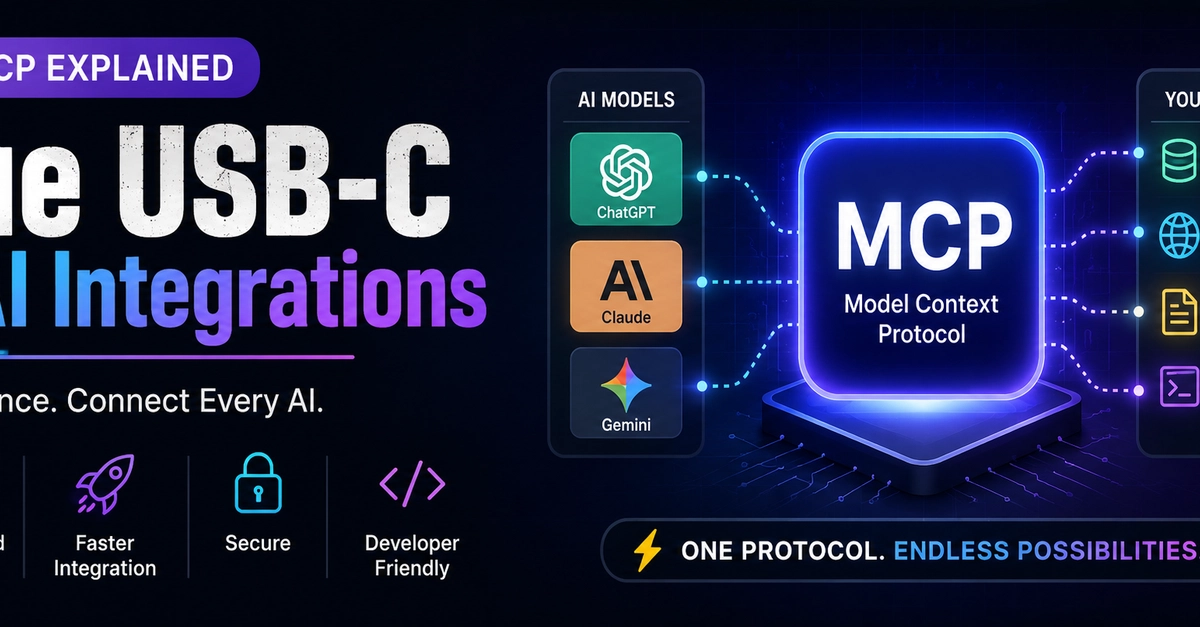
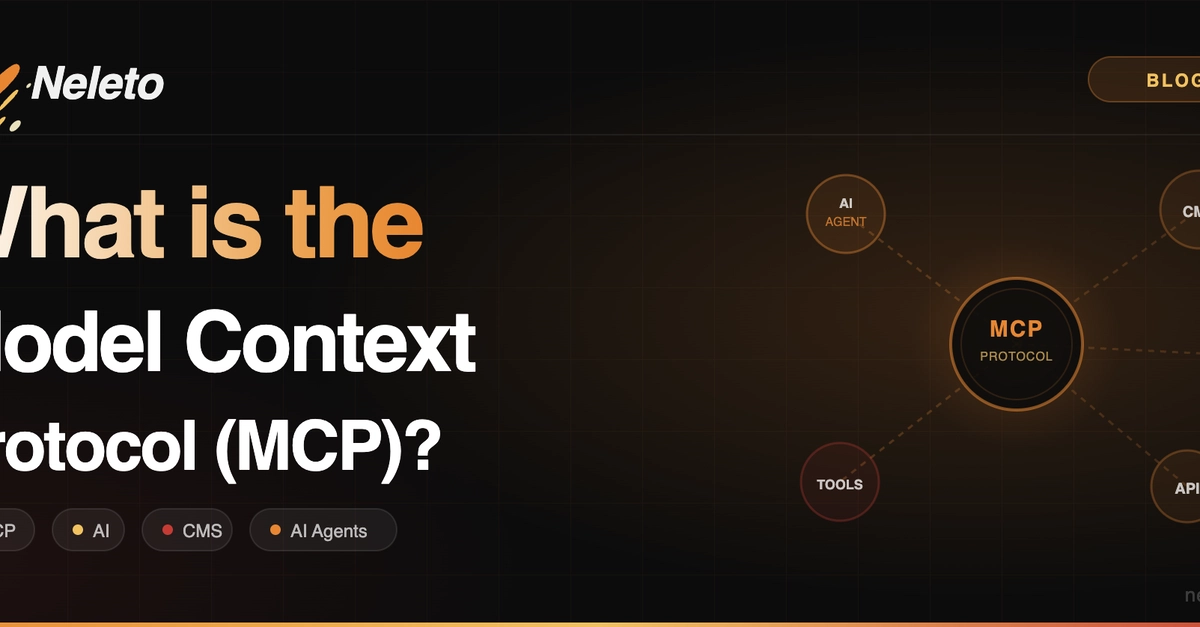
Strip away the branding and MCP is a small client–server contract for connecting language models to the outside world. A server exposes three kinds of things: tools (functions the model can call), resources (data the model can read), and prompts (reusable templates). A client — your IDE, your agent, your chat app — speaks the same protocol and can talk to any compliant server.
The analogy people keep reaching for is USB-C, and it's accurate. Before USB-C you had a drawer full of proprietary chargers. MCP is the drawer-emptying moment for AI integrations: write the connector once, and any MCP-aware client can use it.