AI developers face a persistent challenge: integrating multiple frameworks, redefining the same tools across different platforms, and managing complex custom code just to make their applications work. This fragmentation slows development and creates unnecessary complexity.The Model Context Protocol (MCP) addresses this problem head-on. Developed by Anthropic and now adopted by major players including OpenAI and Microsoft, MCP provides a standardized way for AI applications to communicate with tools and resources. Think of it as USB-C for AI: one protocol that works everywhere.This article breaks down what MCP is, how it works, why it's gaining rapid adoption across the industry, and how to start implementing it with high-performing open-source models.
What is MCP?
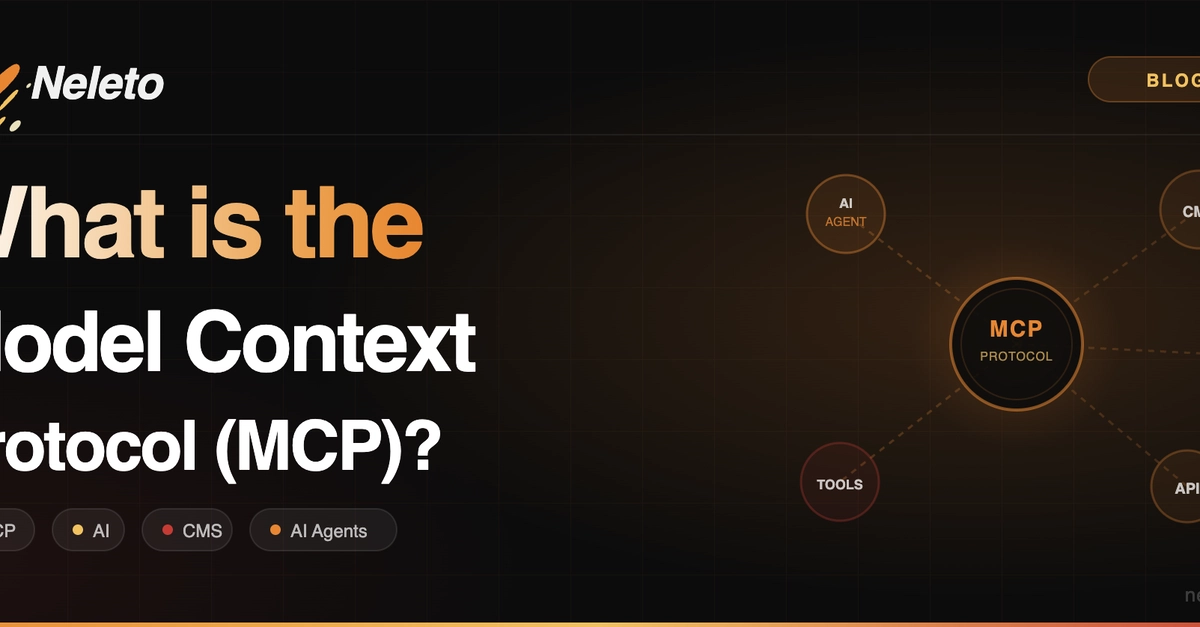
MCP stands for Model Context Protocol. It emerged from Anthropic, a leading AI lab, as a basic standard for AI applications to universally talk to each other. This standard gained significant traction after its introduction early last year.The best way to think about MCP is like a USB-C connector for AI apps. Just as USB-C standardized charging stations and made things significantly easier for electronics in general, MCP aims to achieve the same standardization for AI applications.With MCP, an agent can talk to an MCP server, and an MCP host such as Claude can connect to all sorts of things. In essence, it's a protocol being used to manage AI services and tools.