Join the event trusted by enterprise leaders for nearly two decades. VB Transform brings together the people building real enterprise AI strategy. Learn more
In the past couple of years as AI systems have become more capable of not just generating text, but taking actions, making decisions and integrating with enterprise systems, they have come with additional complexities. Each AI model has its own proprietary way of interfacing with other software. Every system added creates another integration jam, and IT teams are spending more time connecting systems than using them. This integration tax is not unique: It’s the hidden cost of today’s fragmented AI landscape.
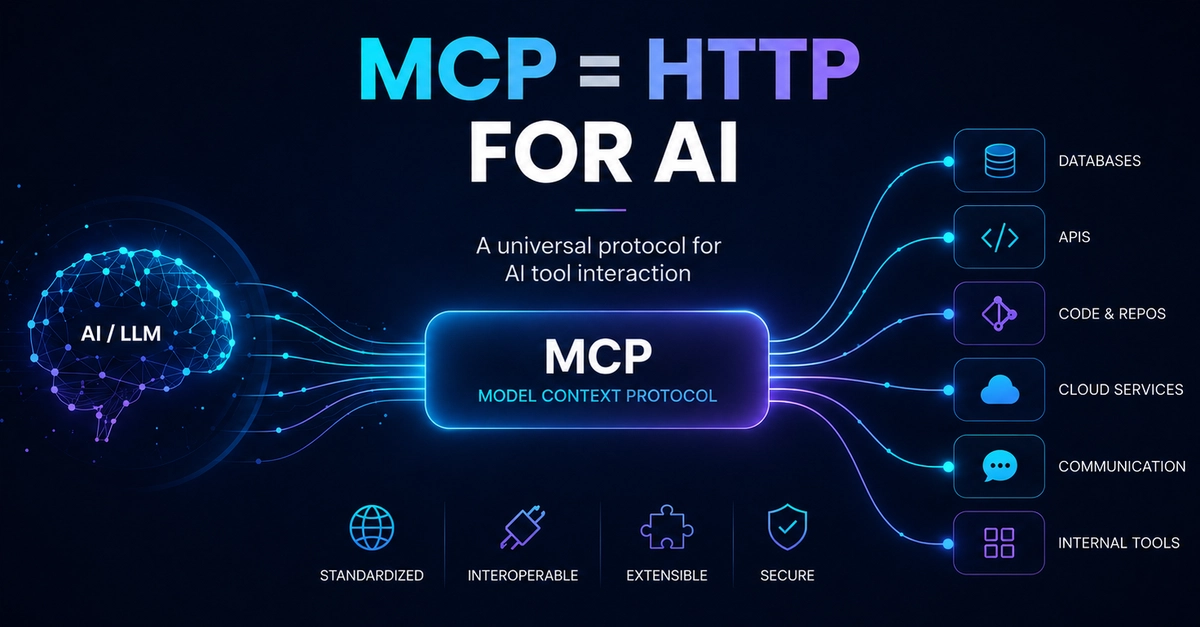
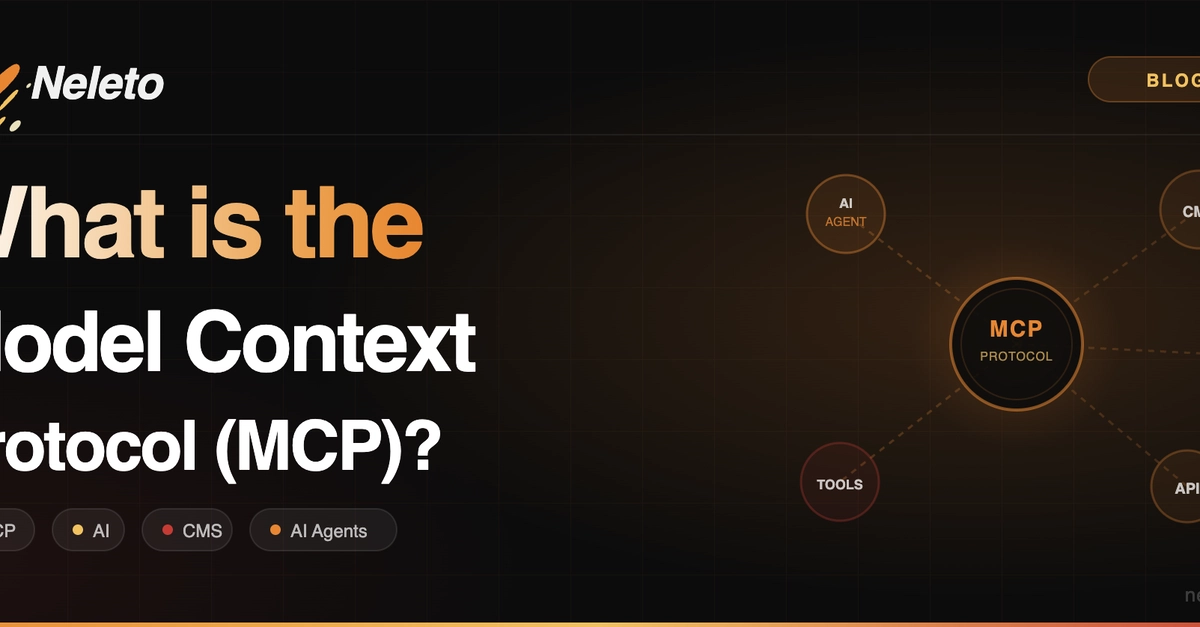
Anthropic’s Model Context Protocol (MCP) is one of the first attempts to fill this gap. It proposes a clean, stateless protocol for how large language models (LLMs) can discover and invoke external tools with consistent interfaces and minimal developer friction. This has the potential to transform isolated AI capabilities into composable, enterprise-ready workflows. In turn, it could make integrations standardized and simpler. Is it the panacea we need? Before we delve in, let us first understand what MCP is all about.
The case for MCP: Building a common dialect between models and tools