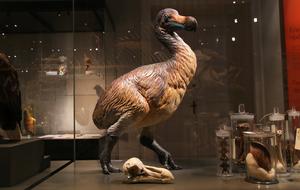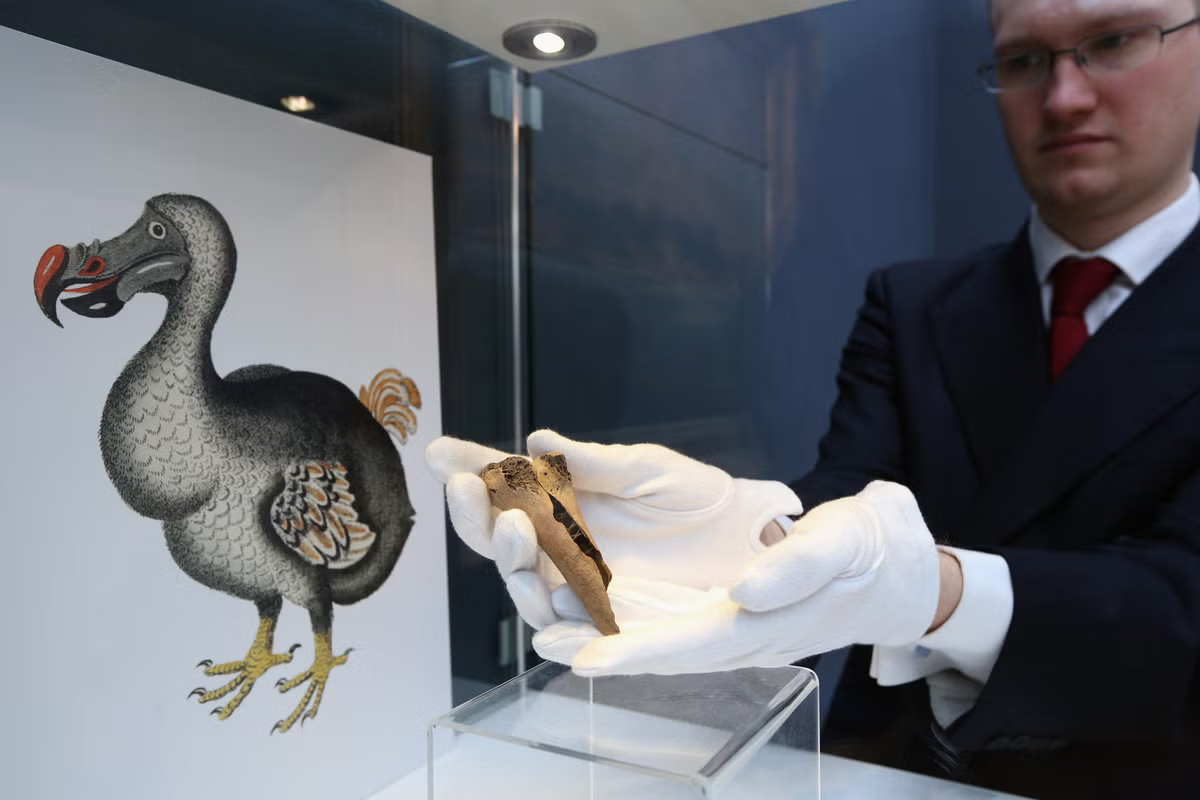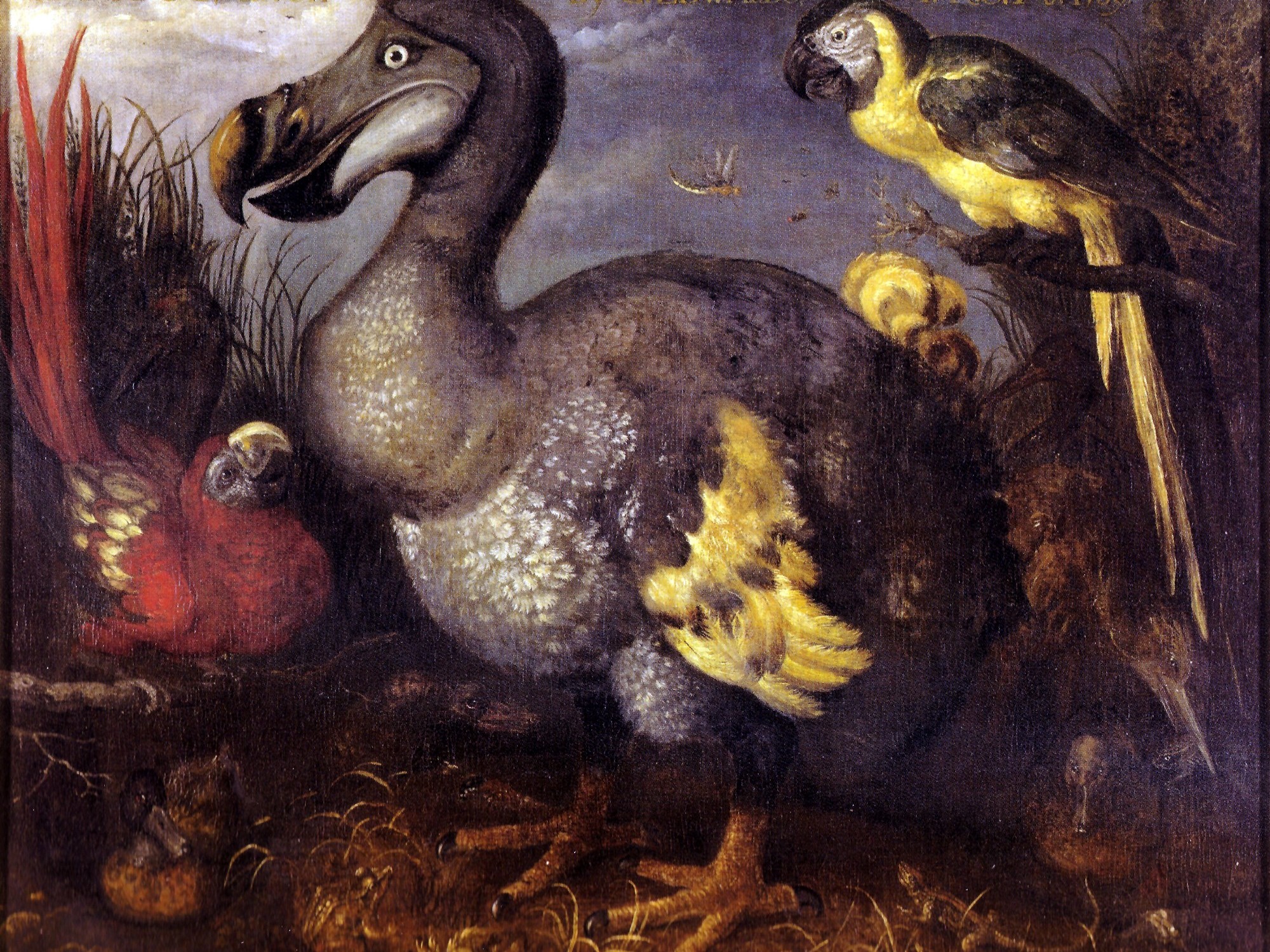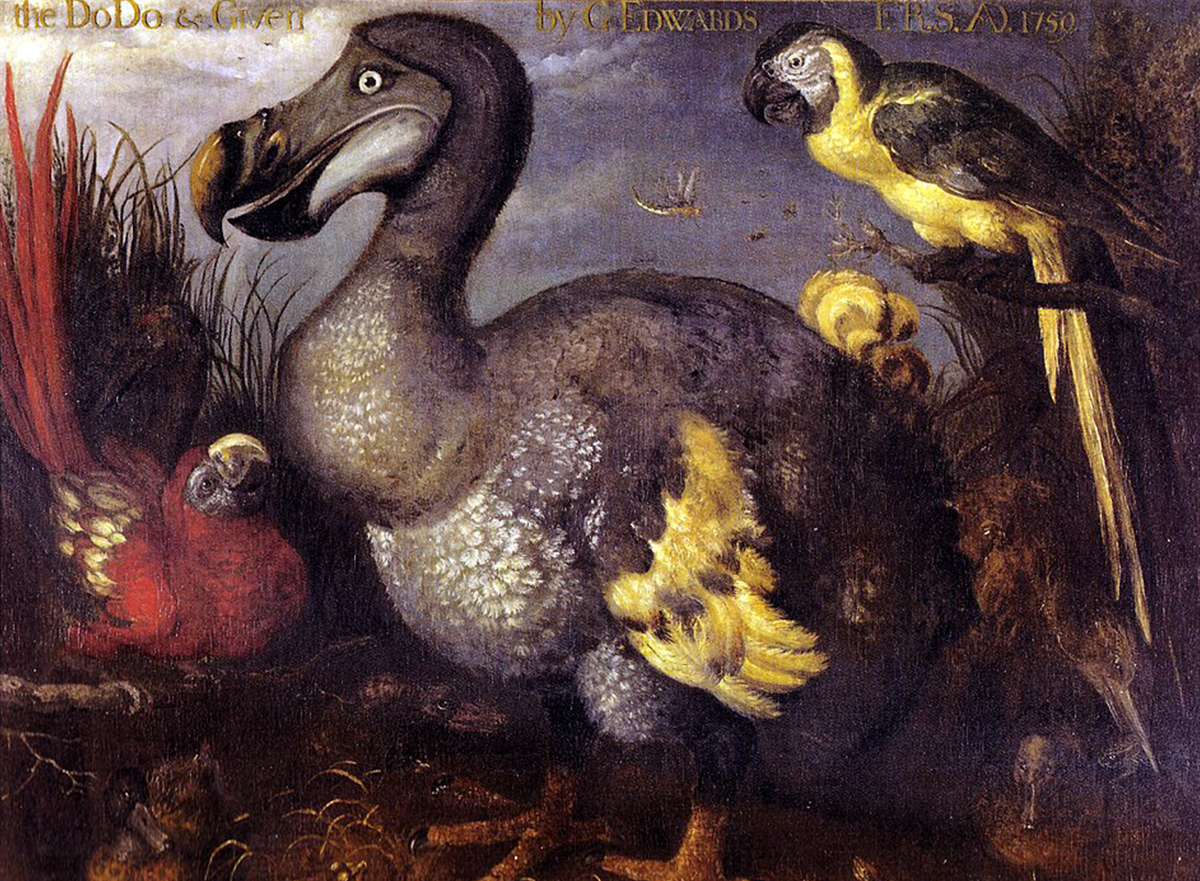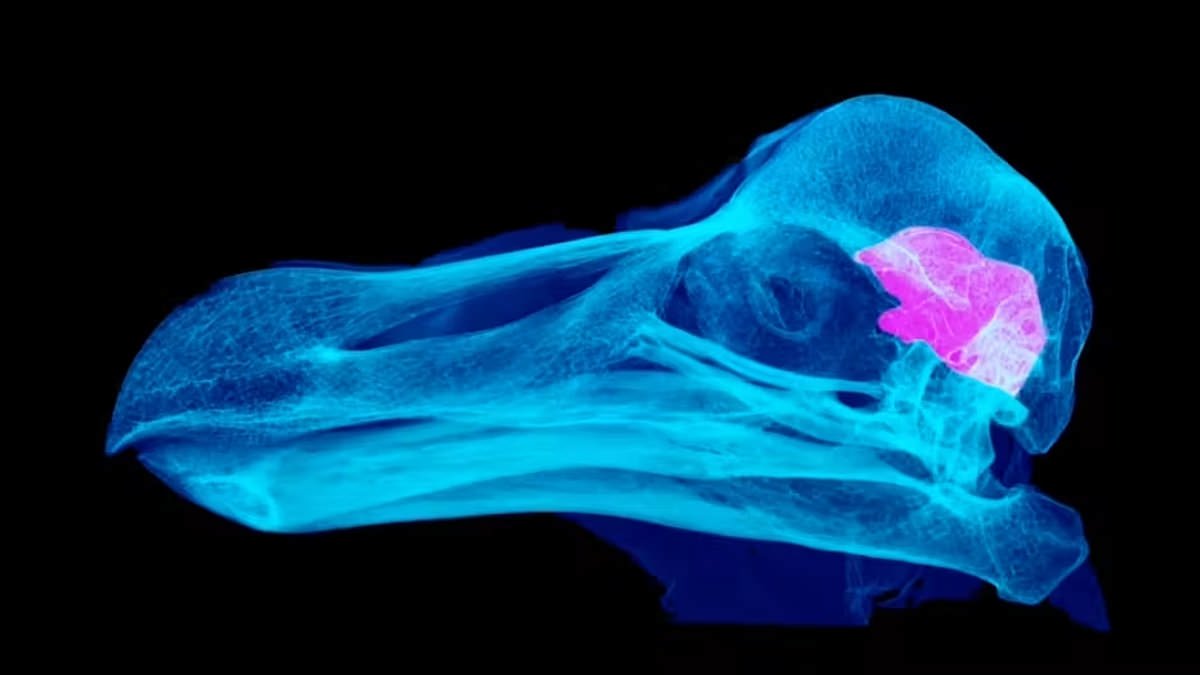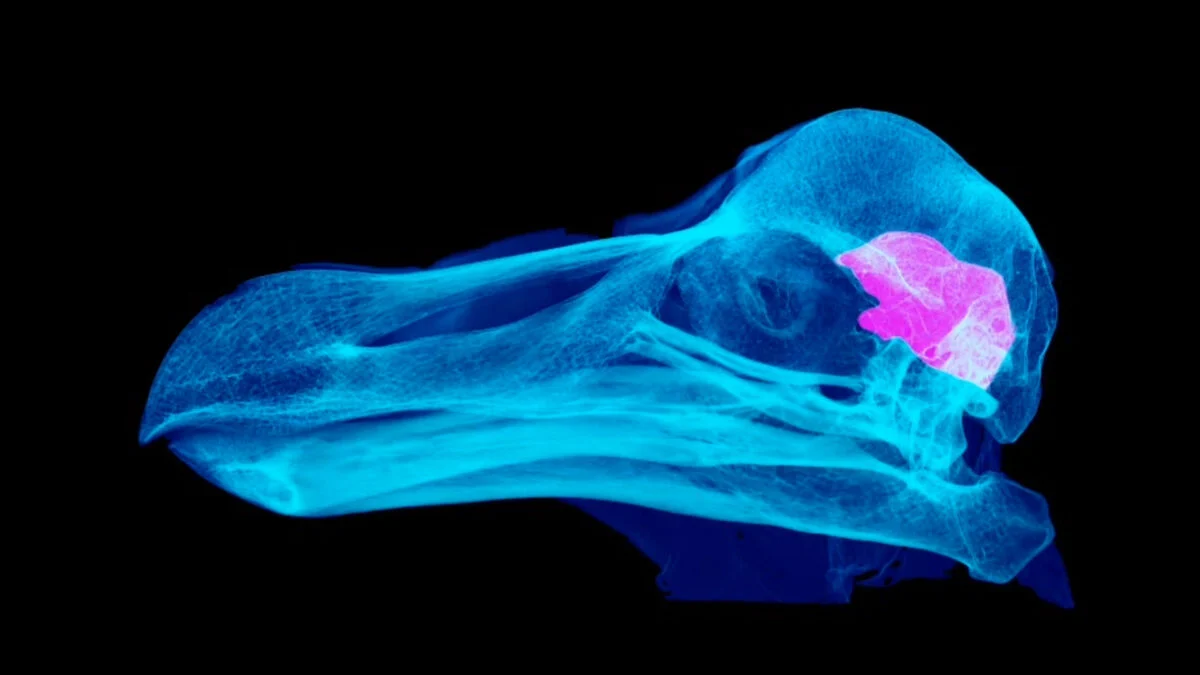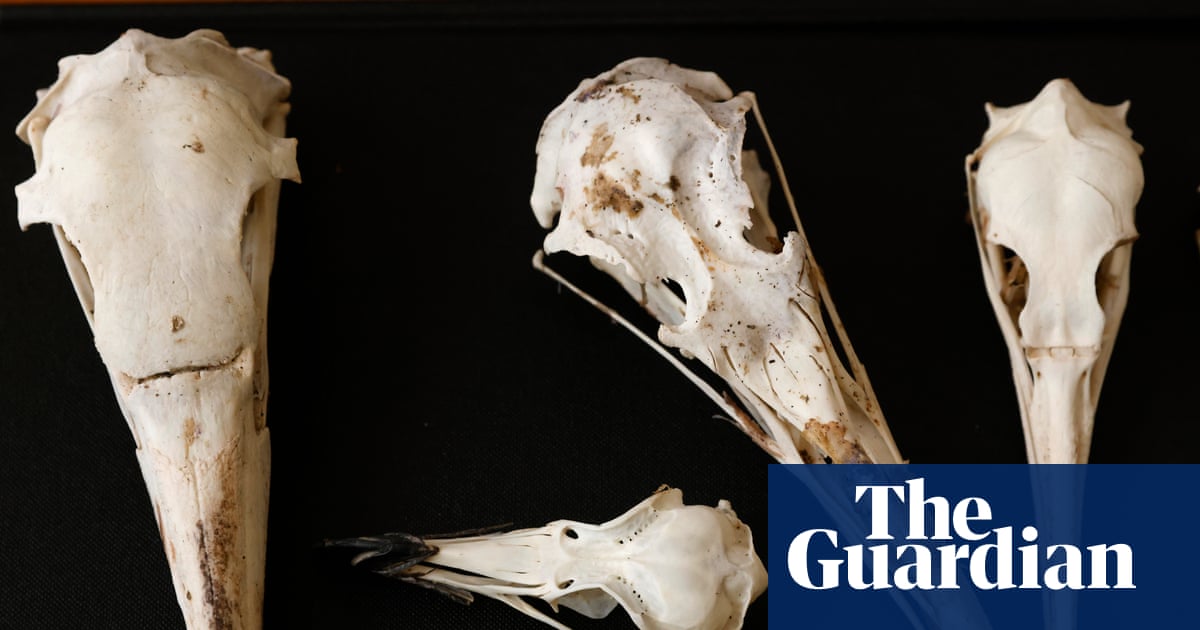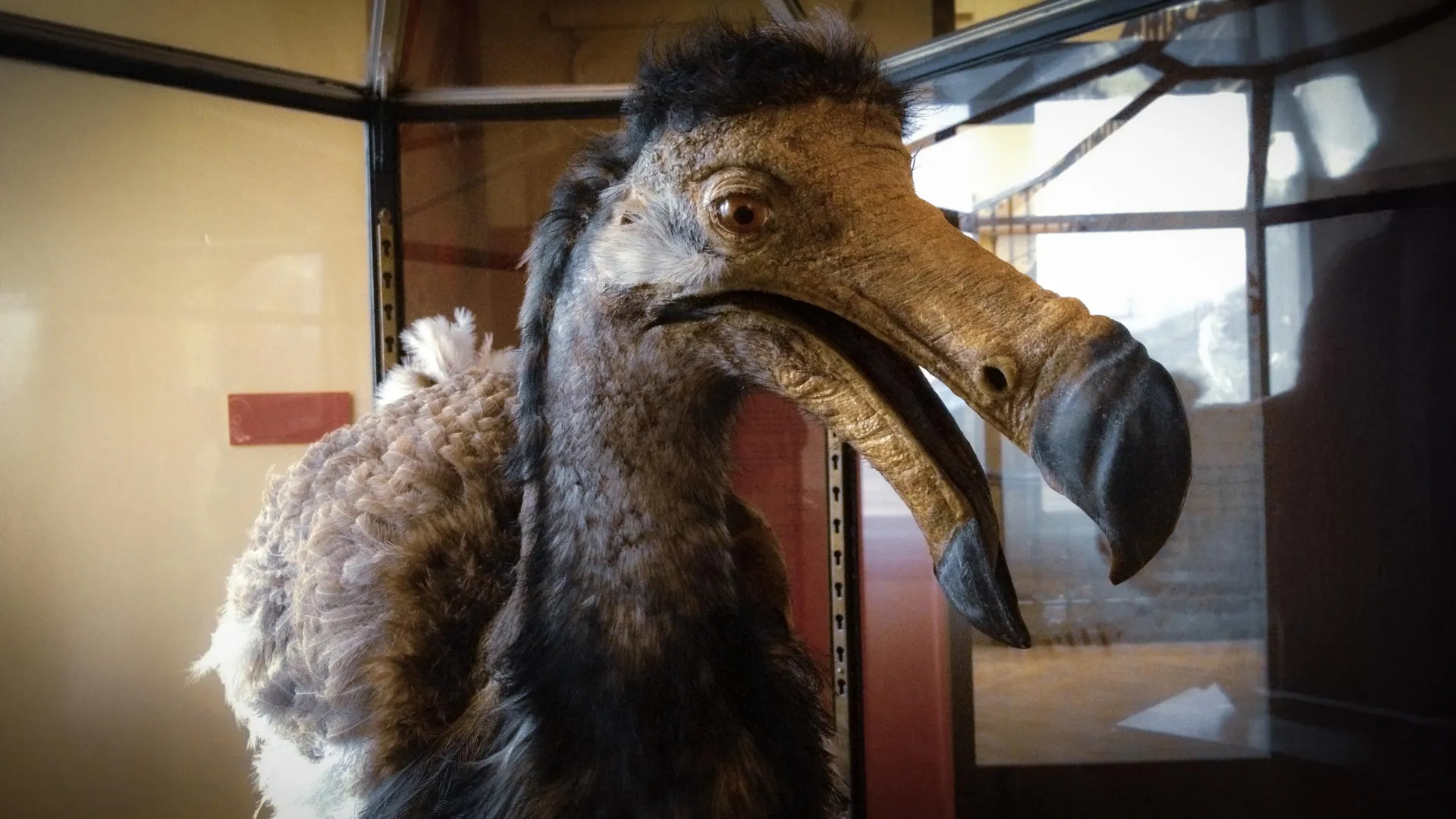
Only two complete dodo skulls are known anywhere in the world. One is housed at the Natural History Museum Denmark, while the other belongs to the Oxford University Museum of Natural History. The Copenhagen specimen has remained in the museum's collections for centuries, and it has now played a key role in an international investigation led by researchers at the University of Lethbridge in Canada. Their goal was to explore a long-standing mystery: how did the dodo perceive and interact with the world around it?
Using digital reconstructions of the space that once held the bird's brain, scientists were able to examine clues about the dodo's sensory abilities. The results suggest that its sensory experience differed in several important ways from that of modern pigeons and doves. The dodo may have followed a more flexible daily schedule, with activity possibly extending into dawn and dusk. It may also have had a stronger sense of smell and a greater capacity to detect touch through its large upper beak. Together, these features offer fresh insight into how the bird may have searched for food and navigated its environment on Mauritius before becoming extinct in the late 17th century.
"The dodo is one of the world's most recognizable extinct animals, yet surprisingly little is known about how it actually lived," says Peter Andrew Hosner, Associate Professor and Curator of Birds at the Natural History Museum Denmark and co-author of the study published in the Zoological Journal of the Linnean Society.