view more
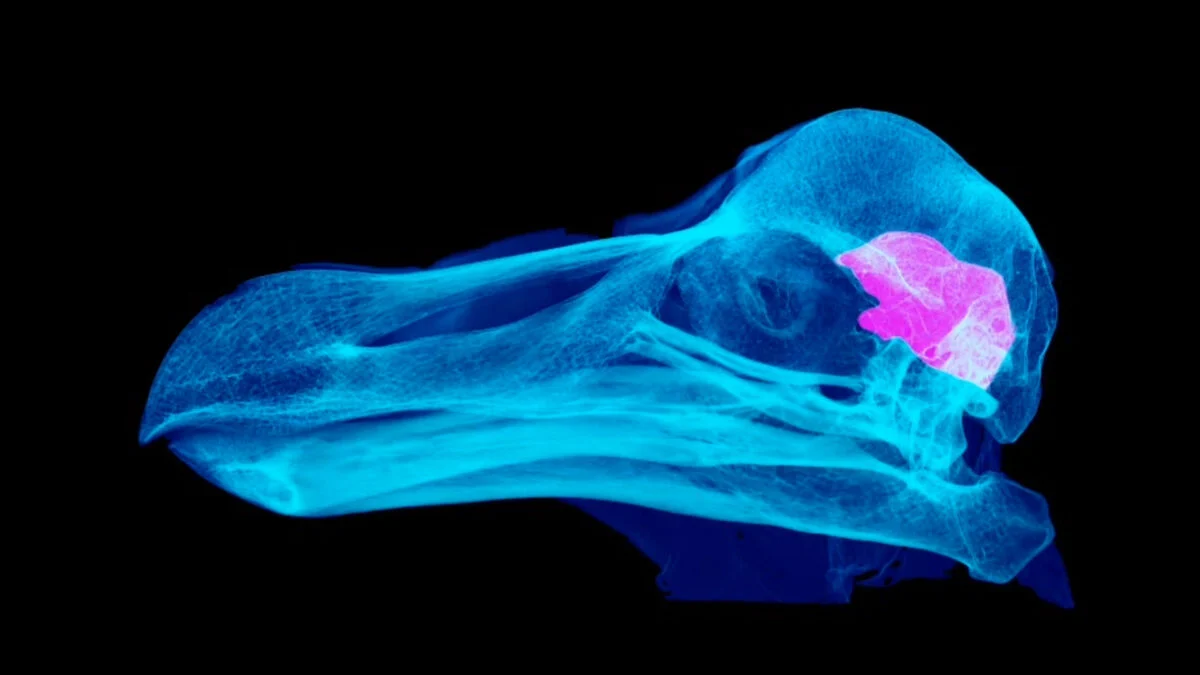
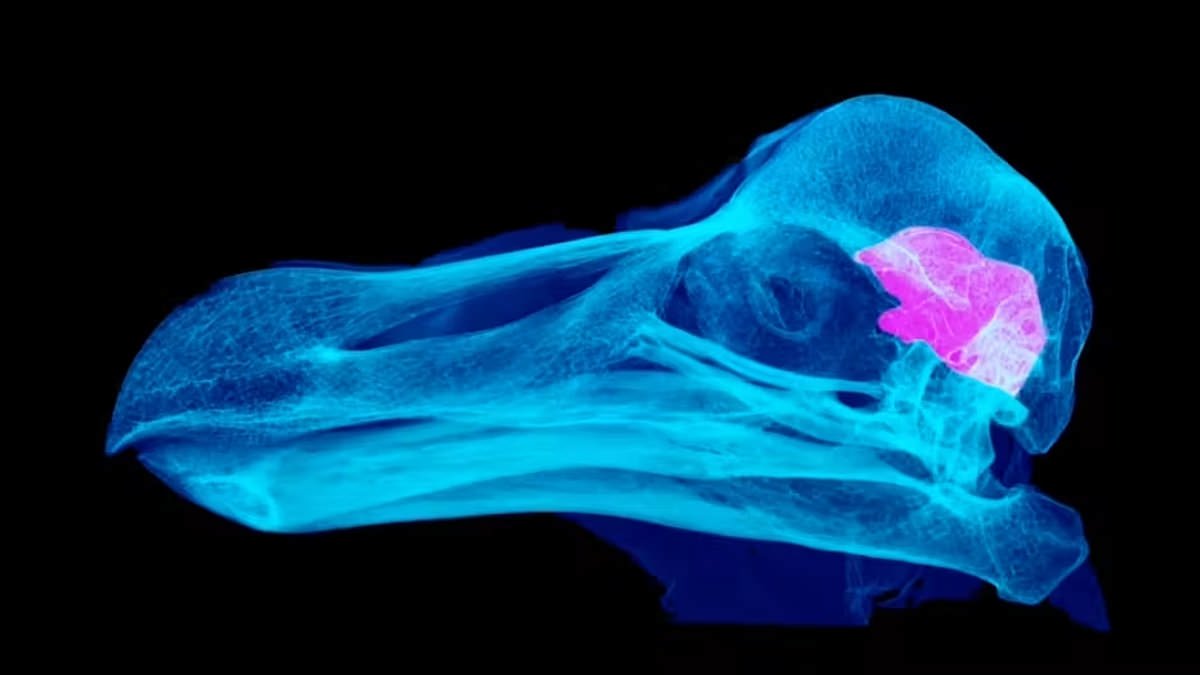
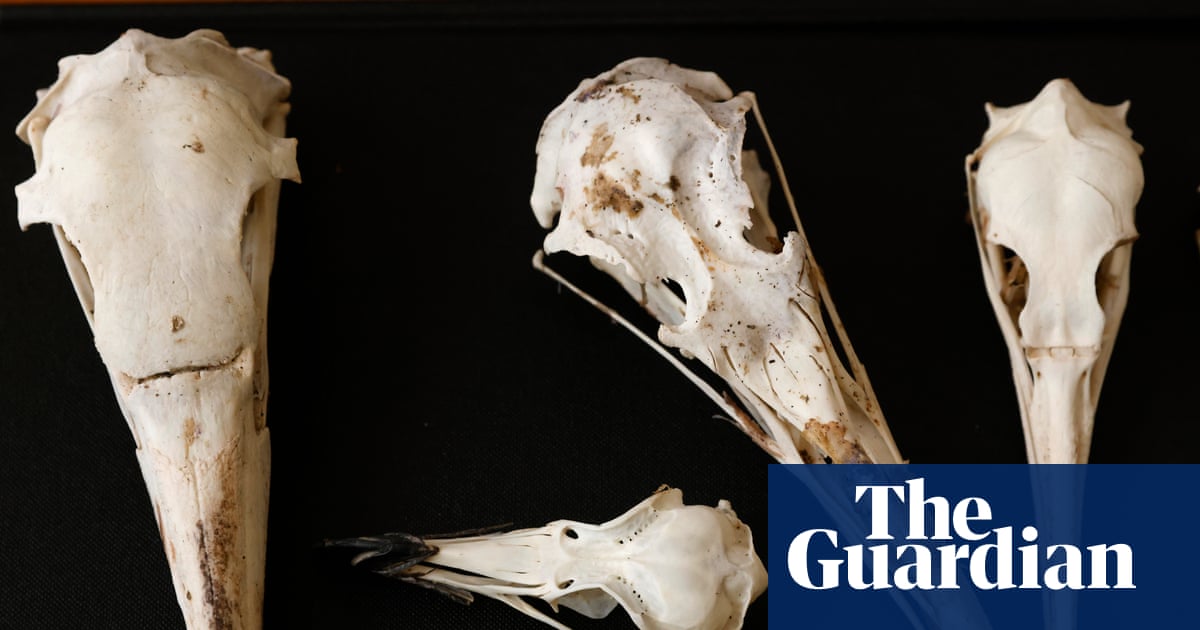
Only two complete dodo skulls are known to exist anywhere in the world: one at the Natural History Museum Denmark and one at the Oxford University Museum of Natural History. The specimen housed in Copenhagen has been preserved in the museum's collections for centuries and has now contributed to an international study led by researchers at the University of Lethbridge in Canada, investigating a question that has puzzled researchers for generations: how did the dodo experience the world around it?
By digitally reconstructing the space once occupied by the bird's brain, researchers have gained new insights into the dodo's sensory abilities. The findings suggest that the dodo's sensory world differed from that of living pigeons and doves in several ways. It may have had a more flexible daily activity pattern, potentially extending into dawn and dusk, an enhanced sense of smell and a greater ability to process tactile information through its large upper beak. Together, the findings provide new clues to how the dodo may have foraged and interacted with its environment on Mauritius before disappearing in the late 17th century.
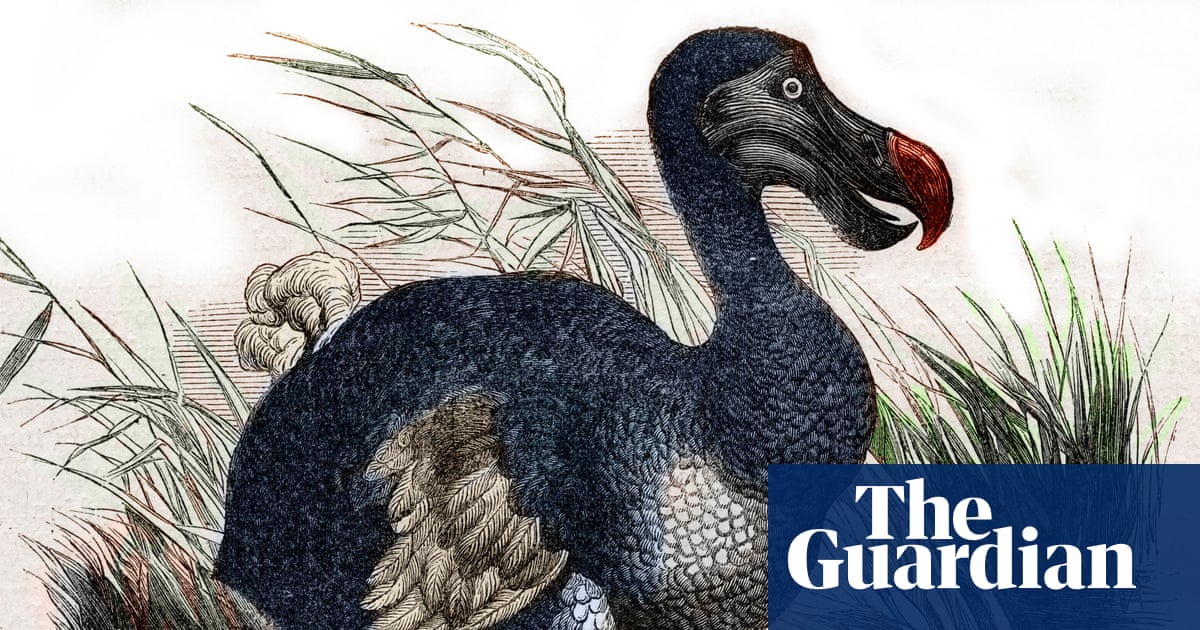
"The dodo is one of the world's most recognisable extinct animals, yet surprisingly little is known about how it actually lived," says Peter Andrew Hosner, Associate Professor and Curator of Birds at the Natural History Museum Denmark and co-author of the study published in the Zoological Journal of the Linnean Society.