Three weeks ago, I argued that the Independent Corrupt Practices and Other Related Offences Commission was not really investigating the Presidential Foreign Intervention Promotion Council; it was investigating itself.
The question I wrote was whether Nigeria’s anti-corruption agencies could apply to the highest offices in the land the same rigour they routinely apply to clerks, contractors and Yahoo Boys, or whether they exist mainly to manage embarrassment on behalf of the government that funds and can dismiss them.
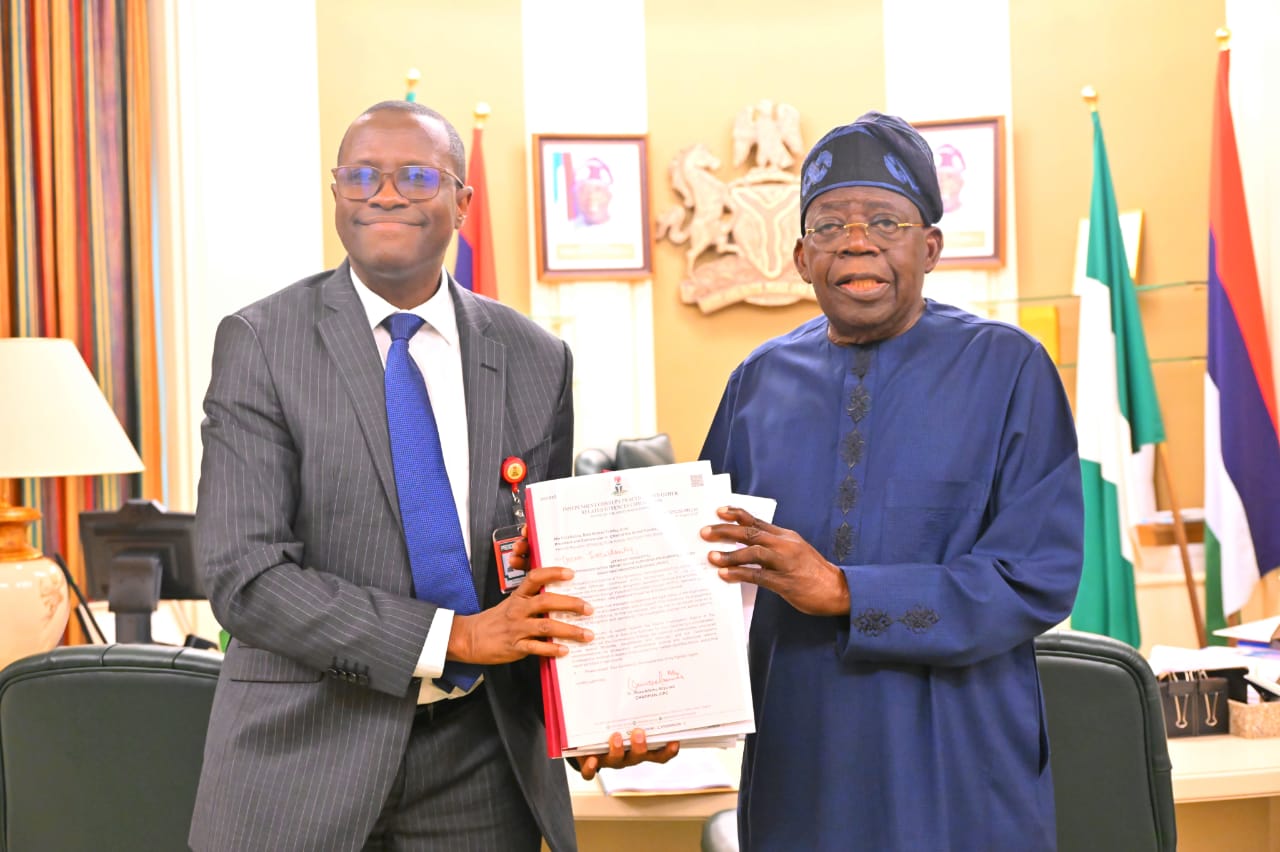
On August 6, ICPC chairman, Musa Aliyu, answered that question, briefing President Bola Tinubu exactly 30 days after his July 7 directive.
The interim report, as disclosed, does not refute my thesis. It confirms it.
What the report establishes is, on its own narrow terms, unremarkable: Adeyemi was never appointed by the Federal Government; PFIPC was never created by any law, executive order or valid instrument; his appointment letter and supporting documents were forged; and PFIPC had unlawfully appropriated the identity, and even the physical office, of the defunct Presidential Economic Advisory Council, having broken into locked premises to do so.