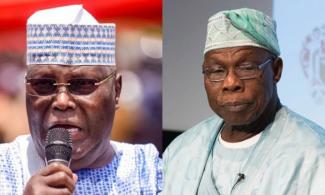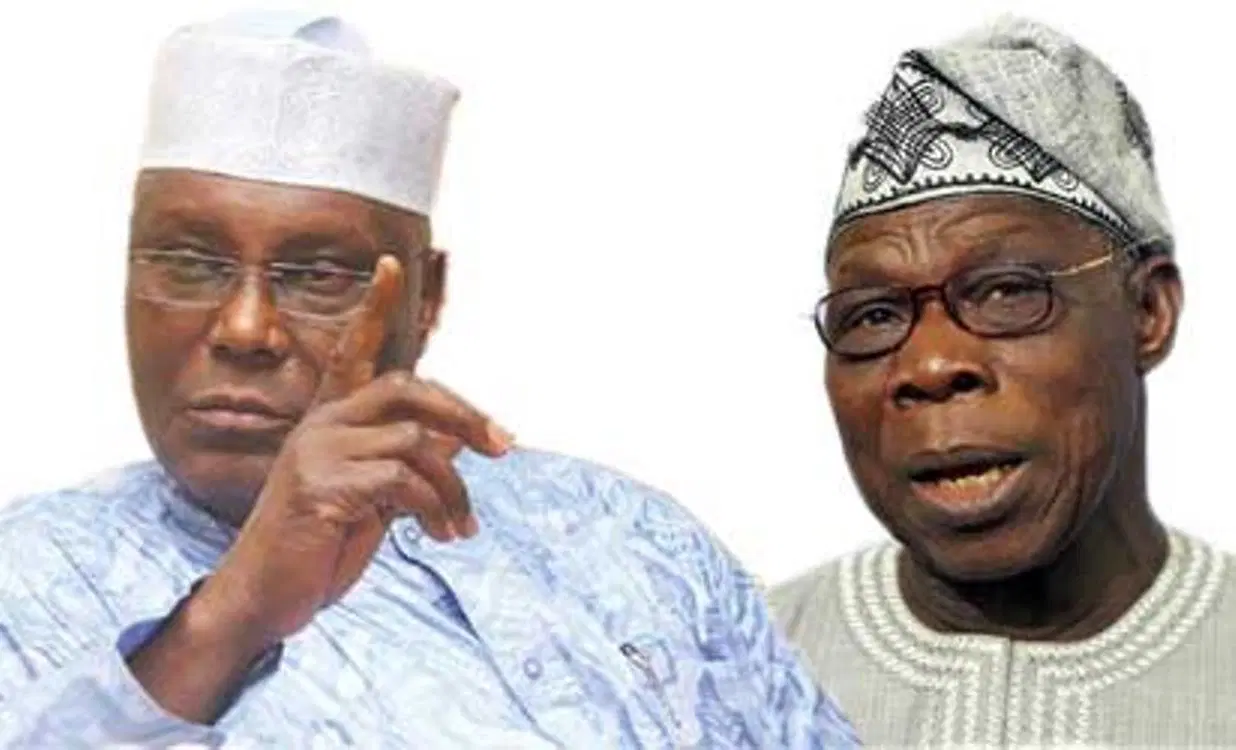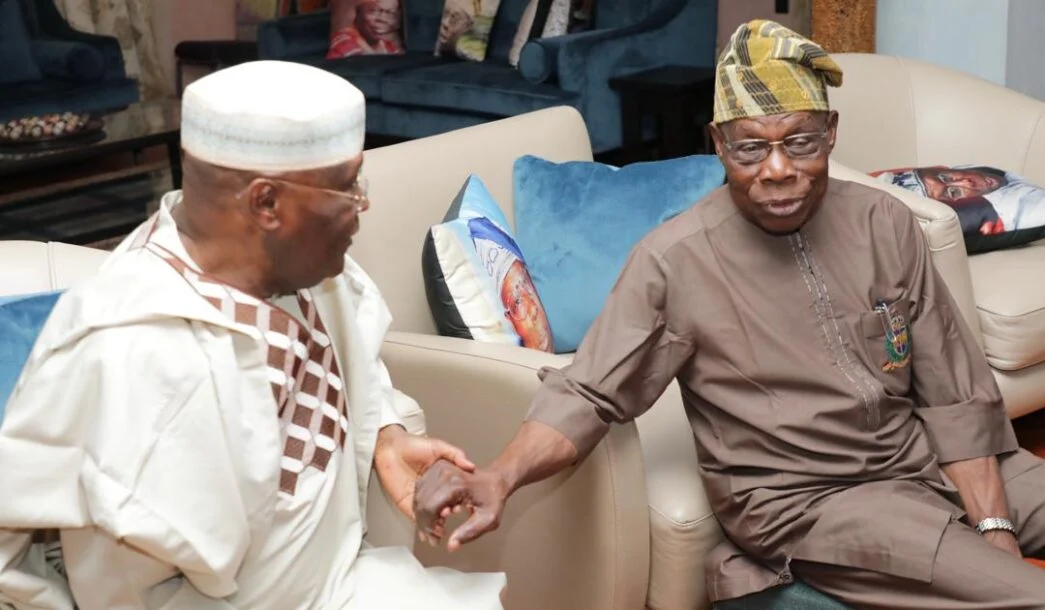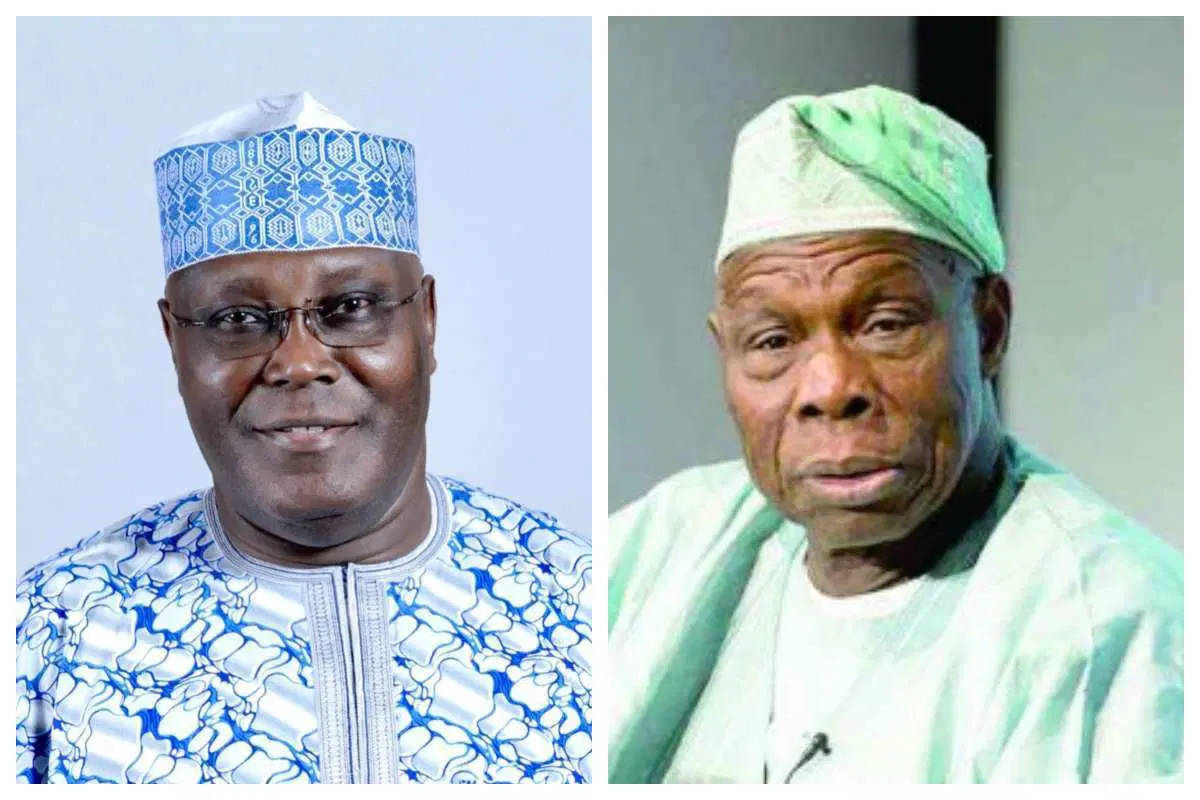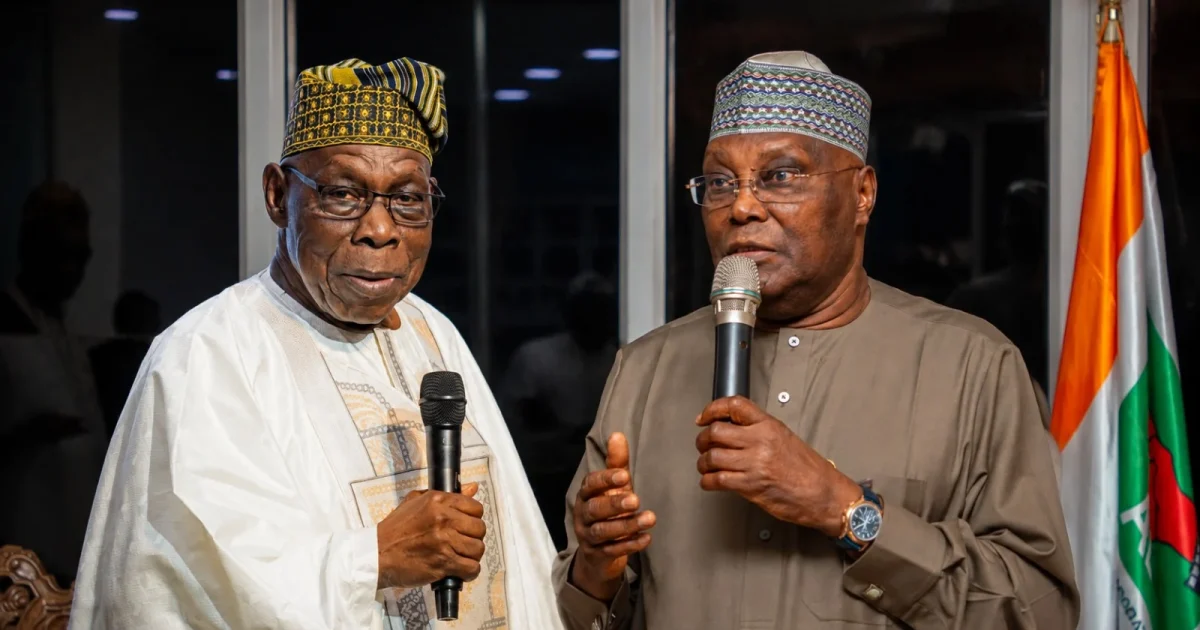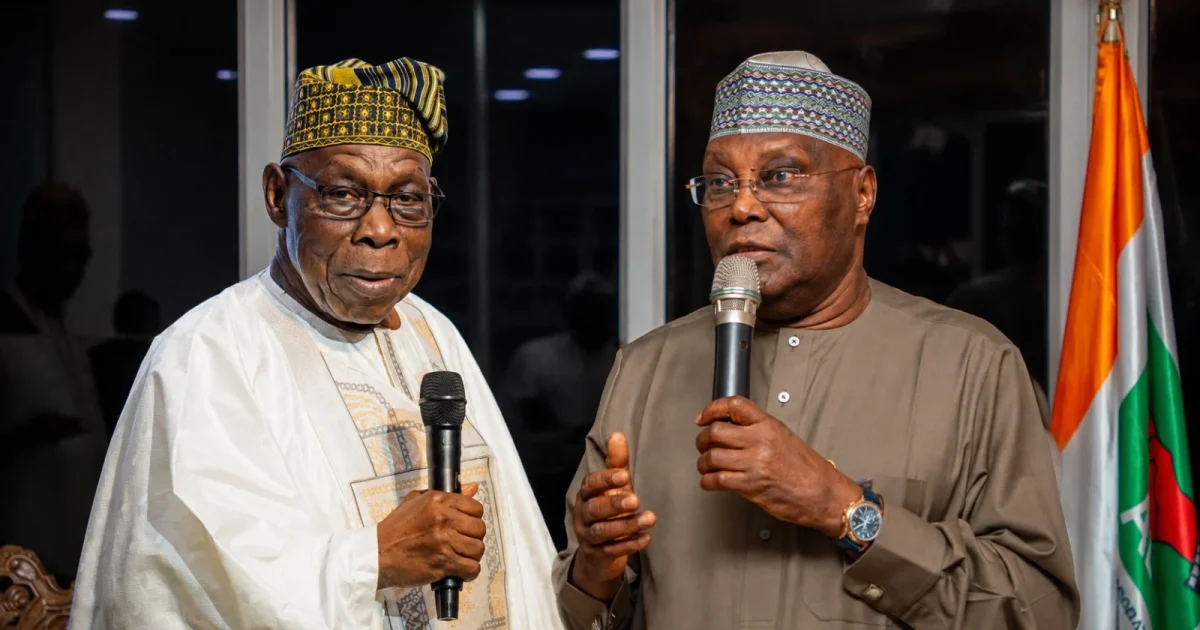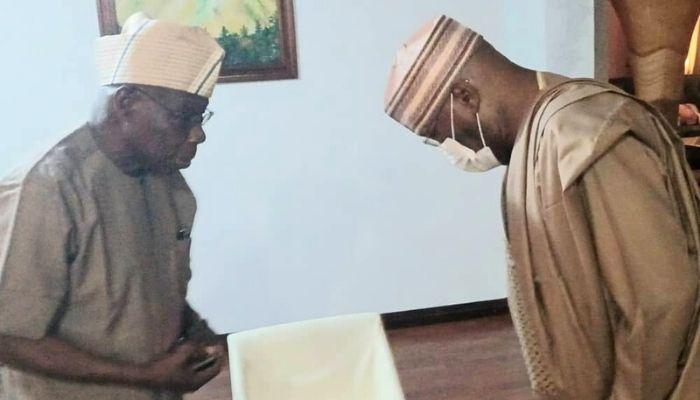
As a historian, I know how history is often simplified into convenient narratives. Over time, these narratives become accepted truths, not necessarily because they are accurate, but because they are easy to remember and endlessly repeated. One such narrative currently circulating in Nigeria’s political discourse is the claim that former President Olusegun Obasanjo’s enduring opposition to the presidential aspirations of former Vice President Atiku Abubakar stems principally from Atiku’s role in frustrating the controversial 3rd Term agenda.
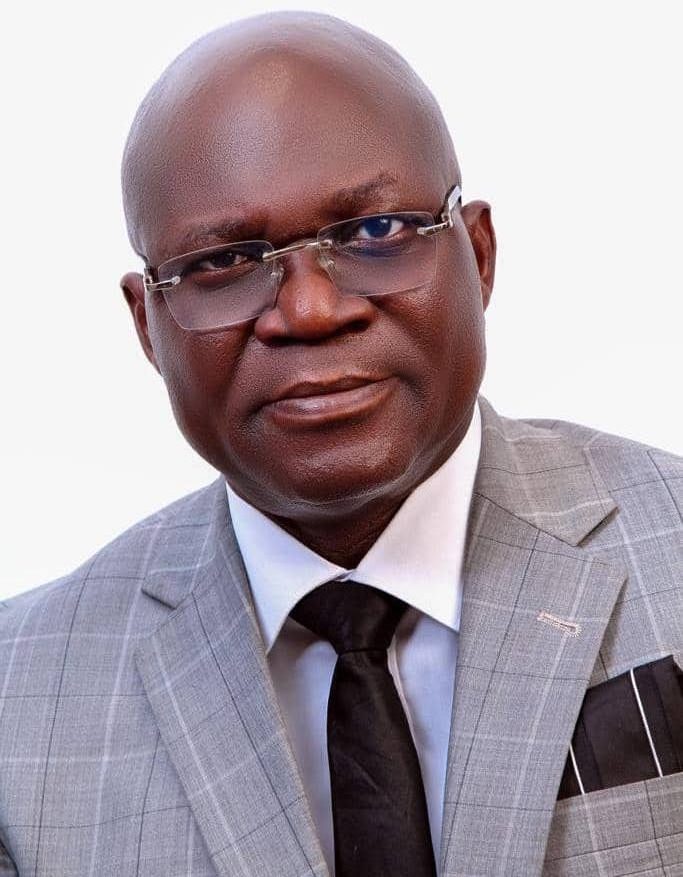
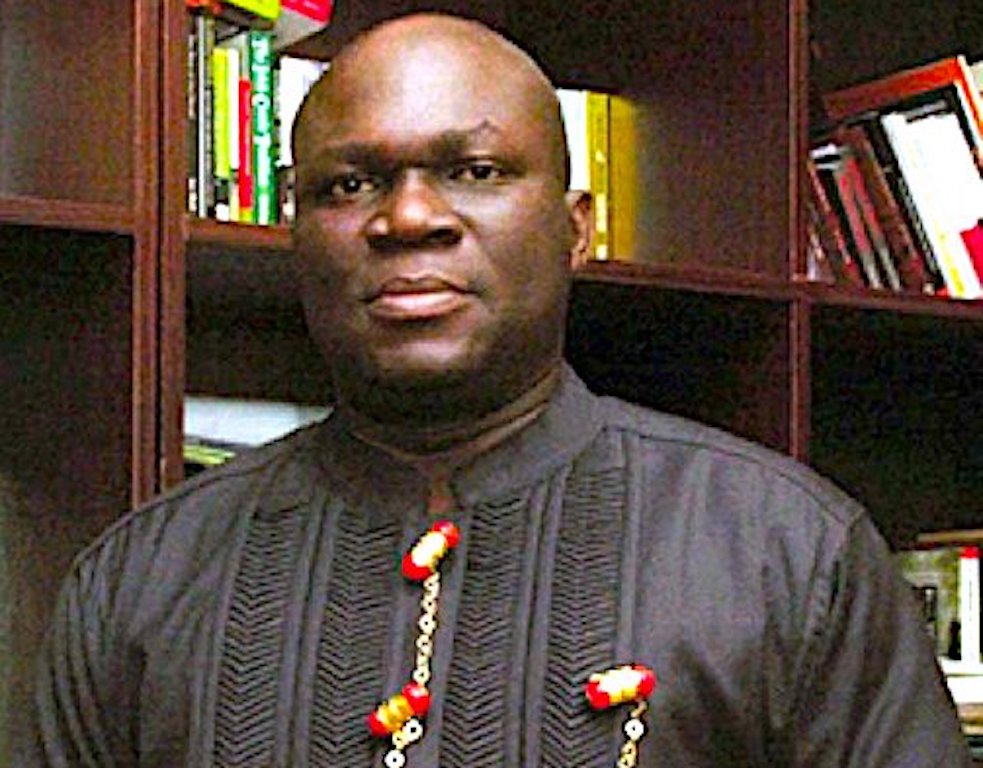
This narrative has recently gained renewed prominence through commentaries by respected public intellectuals and political actors, including Dr Reuben Abati, Rt Hon. Rotimi Amaechi’s media team, and numerous commentators across the mainstream and social media. While many of these analyses correctly recount important events surrounding the 3rd term controversy, they reach a conclusion that, in my considered judgement, is factually inaccurate. They confuse the climax of a political conflict with its origin. This statement is completely untrue.
I write this article to challenge this false narrative on two grounds.
The first is personal experience. Between 1999 and 2007, I served as special assistant to the president on states and local government affairs and later on research and strategy, posted to the Office of the Vice President within the Aso Rock Presidential Villa. In that capacity, I occupied a unique vantage point from which I saw firsthand many of the events that culminated in one of the most consequential political feuds in Nigeria’s democratic history.